The Architecture of Absence: Engineering the Carbon Lattice through Precision Pyrolysis
Jun 24, 2026
The Invisible Frontier of Transformation
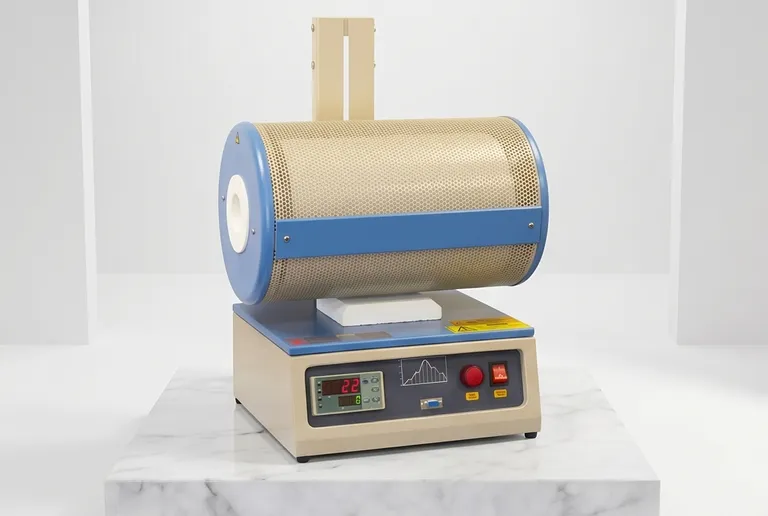
To the untrained eye, a tube furnace is simply a heated vessel. To a material scientist, it is a stage for a molecular miracle.
The carbonization of cellulose fiber is not an act of destruction; it is an act of refinement. It is the process of stripping away the chaotic volatiles of organic life to reveal the elegant, inorganic skeleton of carbon.
Success in this transformation depends on what is not there—specifically, oxygen. In the world of biochar synthesis, the tube furnace acts as the ultimate gatekeeper of the environment.
The Anaerobic Mandate
Pyrolysis is a thermal divorce. You are separating carbon from oxygen, hydrogen, and nitrogen. If even a trace of oxygen enters the system, the process shifts from carbonization to combustion.
The material doesn't transform; it disappears into ash.
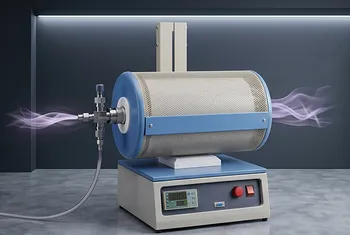
A high-performance tube furnace maintains an absolute seal. By flooding the quartz or alumina tube with high-purity nitrogen, it creates a sanctuary where the cellulose can reorganize its atoms without the threat of oxidation.
The Dynamics of Atmospheric Control
- Inert Shielding: Maintaining a steady flow of Nitrogen or Argon to displace atmospheric oxygen.
- Volatile Extraction: Carrying away the "smoke" of decomposition to ensure a clean carbon yield.
- Doped Environments: Introducing precursors like Nitrogen or Boron to "functionalize" the carbon lattice during its most receptive state.
The Choreography of Thermal Fields
Temperature is the brush, and the tube furnace is the hand that holds it.
The difference between 400°C and 800°C is not just heat; it is the difference between a loose organic byproduct and a highly conductive, graphitized material.
1. The Ramp and the Residence
How fast you heat the material determines the "stress" on the emerging lattice. Fast heating can collapse the delicate pore structures that biochar needs for filtration or energy storage. A programmable thermal profile allows for the "slow-cooking" required for structural integrity.
2. Uniformity as a Standard
In material science, a gradient is an enemy. If the center of your sample batch is 50°C cooler than the edges, your data is compromised. Precision furnaces use optimized heating element placement to ensure the thermal field is flat across the entire processing zone.
Engineering the Void: Porosity and Lattice Order
Biochar is often valued for what is missing. The "voids" or pores created as volatiles escape are what make biochar a powerhouse for catalysis and gas storage.
| Desired Property | Technical Levers | Mechanism |
|---|---|---|
| High Surface Area | 400°C–600°C + Exact Residence Time | Removes volatiles without collapsing micro-pores. |
| High Conductivity | 800°C–1000°C + Slow Ramping | Encourages the transition from amorphous to graphitic carbon. |
| Chemical Activity | Controlled Gas Flow (N2/Precursors) | Facilitates elemental doping into the carbon framework. |
The Physics of Trade-offs
Engineering is the art of trade-offs. In high-temperature R&D, these trade-offs are often hidden in the system's design.
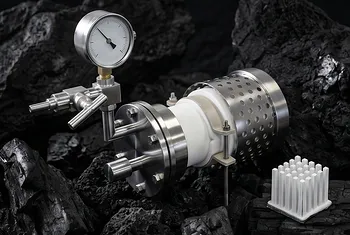
Seal Integrity vs. Contamination Even a minor leak in a flange or an aging seal can introduce 1% oxygen. That 1% is enough to alter the surface chemistry of yours biochar, ruining the reproducibility of your research.
Thermal Mass vs. Precision Larger systems offer higher throughput but introduce thermal lag. For the most demanding material synthesis, the intimacy of a tube furnace—where the sample is in close proximity to the monitoring thermocouples—remains the gold standard for precision.
The Soul of the Laboratory
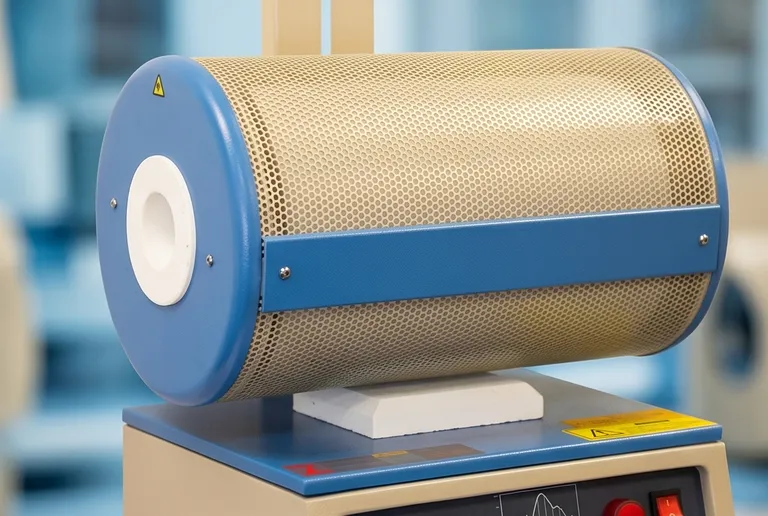
At THERMUNITS, we understand that a furnace is more than a tool; it is the controlled variable in your life's work. We manufacture the precision reactors that turn biomass into the advanced materials of tomorrow.
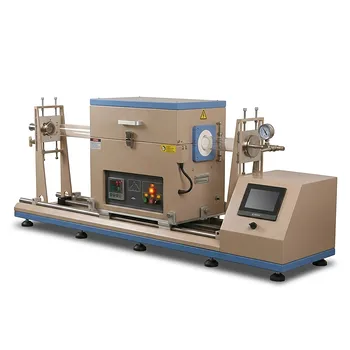
From Muffle and Vacuum systems to specialized CVD and Rotary furnaces, our equipment is designed for the engineer who values the beauty of a perfect thermal curve.
Whether you are refining the next generation of electrocatalysts or developing sustainable material substrates, our technology ensures that your carbon framework is exactly as you envisioned it.
Ready to master your thermal chemistry? Contact Our Experts
Quick Links
Suggested Products
Vertical 1700C Vacuum and Atmosphere Tube Furnace with 80mm Alumina Tube Compact High Temperature 1600C Tube Furnace with 50mm Alumina Tube and Vacuum Flanges for Material Sintering 900°C Max Rotary Tube Furnace with 8 Inch 310S Alloy Tube and Optional Multi Zone Heating for Industrial Material Calcination Split Vertical Tube Furnace with 1200C Quartz Tube and Stainless Steel Vacuum Flanges for Rapid Thermal Processing High Temperature 1700C Tube Furnace with High Vacuum Turbomolecular Pump System and Multi Channel Mass Flow Controller Gas MixerFurther Reading
The Silent Guardian of Kinetics: The Engineering Logic Behind Stable Molten Salt Environments The Architecture of Isolation: Why Atmosphere Defines Material Destiny The Invisible Architect: Precision Thermal Oxidation in NiO@Ni Synthesis The Architecture of Thrifty Precision: Why Tube Furnaces Define the R&D Continuity The Architect of Atoms: Why Precision is the Only Currency in TMD Synthesis
ThermUnits
Last updated on Apr 14, 2026
Related Products

Vertical 1700C Vacuum and Atmosphere Tube Furnace with 80mm Alumina Tube

Compact High Temperature 1600C Tube Furnace with 50mm Alumina Tube and Vacuum Flanges for Material Sintering
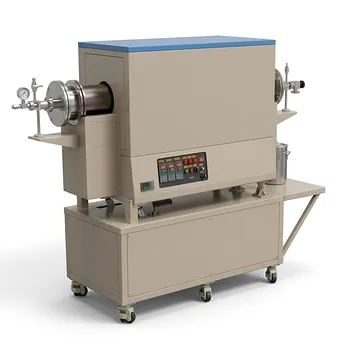
900°C Max Rotary Tube Furnace with 8 Inch 310S Alloy Tube and Optional Multi Zone Heating for Industrial Material Calcination
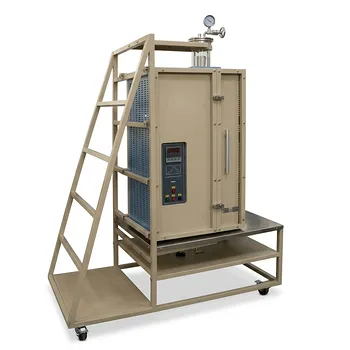
Split Vertical Tube Furnace with 1200C Quartz Tube and Stainless Steel Vacuum Flanges for Rapid Thermal Processing

High Temperature 1700C Tube Furnace with High Vacuum Turbomolecular Pump System and Multi Channel Mass Flow Controller Gas Mixer

1100C Tube Furnace with Vacuum Flange and Programmable Temperature Controller for Material Science and Industrial Heat Treatment
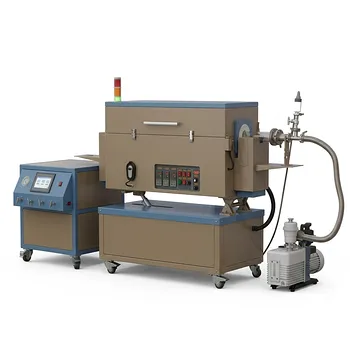
5 Inch Three Zone Rotary Tube Furnace with Integrated Gas Delivery System and 1200C Capability for Advanced Material CVD Processing

1200°C 5 Inch Vertical Quartz Tube Furnace with Stainless Steel Vacuum Flanges

High Temperature 1700C Six Zone Split Tube Furnace with Alumina Tube and Water Cooled Flanges

1700C Hydrogen Gas Tube Furnace with 60mm Alumina Process Tube and Integrated Hydrogen Safety Detector

Compact Vertical Split Quartz Tube Furnace with Stainless Steel Vacuum Flanges for Rapid Thermal Quenching and Controlled Atmosphere Material Processing

High Temperature 1700C Benchtop Tube Furnace with 5 Inch Heating Zone High Purity Alumina Tube and Vacuum Sealing Flanges

1200C High Throughput Multi Channel Tube Furnace with 50mm Quartz Tubes for Annealing and Material Phase Diagram Research

1800C High Temperature Compact Vacuum Tube Furnace with 60mm OD Alumina Tube and Kanthal MoSi2 Heating Elements

Three Zone Tube Furnace with 11 Inch or 15 Inch Quartz Tube and Hinged Flanges for Vacuum Atmosphere Heat Treatment

High Temperature 1700C Vertical Tube Furnace for Powder Spherification and Material Sintering
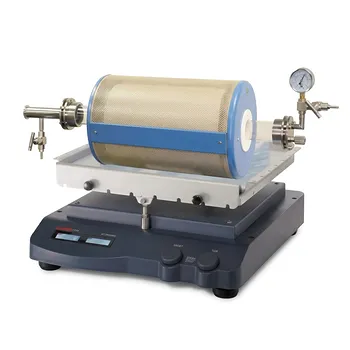
High Temperature Rocking Tube Furnace with Quartz Tube and Vacuum Flange for Materials Synthesis

High Temperature Automated 5 Inch Tube Furnace for Autonomous Material Research and Advanced Laboratory R&D
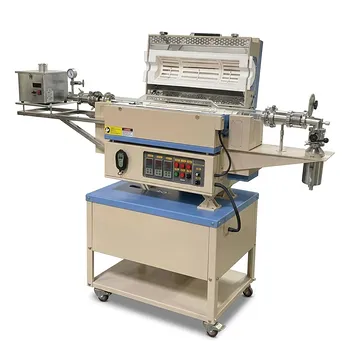
5 Inch Rotary Tube Furnace with Automatic Feeding and Receiving System 1200C Three Zone CVD Powder Processing