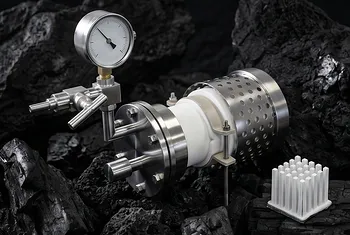
The Silent Guardian of Kinetics: The Engineering Logic Behind Stable Molten Salt Environments
Aug 19, 2026
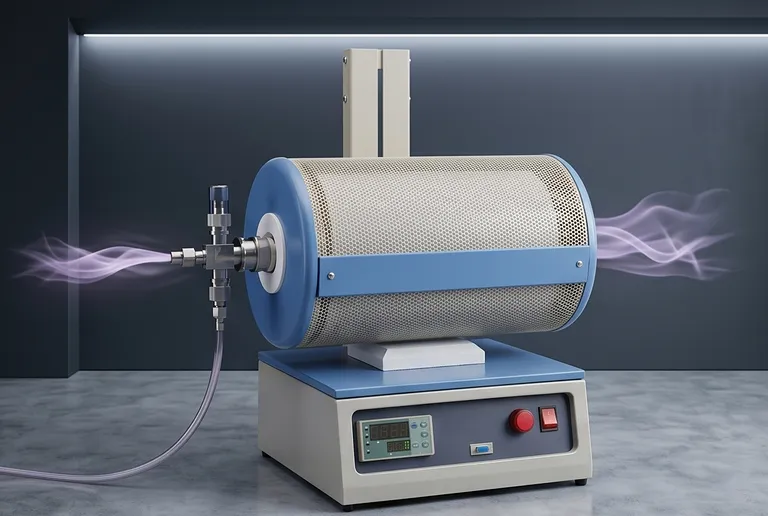
The Invisible Variable
In high-temperature material science, heat is rarely the problem. The problem is the behavior of heat.
When you are dealing with molten fluoride electrolysis at 800°C, you are not just managing a temperature; you are managing a volatile ecosystem. Molten salts are unforgiving. They are highly corrosive, sensitive to the slightest thermal gradient, and prone to rapid chemical degradation the moment oxygen enters the room.
To a researcher, a furnace is not just a heating box. It is a system designed to isolate electrochemical variables from the chaos of the environment. It is the "static" background that allows true kinetics to be measured.
The Architecture of Thermal Uniformity
Precision in a vertical tube furnace is a product of geometry and feedback.
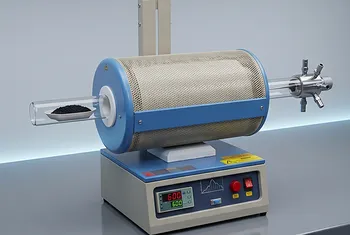
Unlike horizontal systems, the vertical arrangement is specifically engineered to combat the natural tendency of heat to rise—the "chimney effect." By optimizing the heating element array along the longitudinal axis, engineers create a high-temperature zone that is remarkably homogeneous.
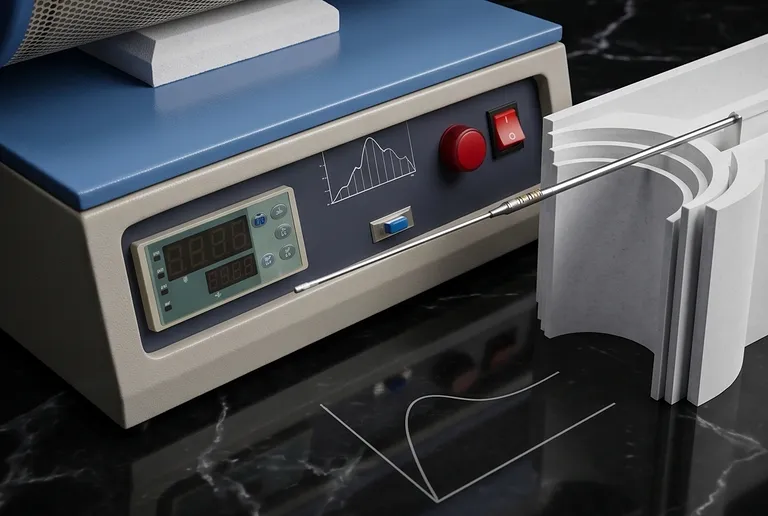
Precision PID Control
Stability is maintained through a closed-loop feedback system.
- The Sensors: High-accuracy thermocouples (Type K, S, or B) act as the "eyes" of the system.
- The Logic: Programmable PID controllers calculate the gap between reality and the setpoint.
- The Execution: Solid-state relays adjust power in real-time, holding tolerances to within ±1°C.
The Role of Radiation Shields
Heat loss is the enemy of uniformity. Multi-layer alumina radiation shields act as thermal mirrors, reflecting energy back toward the crucible. This ensures that the temperature the controller sees is the same temperature the melt experiences.
The Chemical Fortress
In molten fluoride testing, the chemistry is as fragile as the thermal field. Graphite components—crucibles and electrodes—are the backbone of the experiment, yet they are highly susceptible to oxidative loss.
A vertical tube furnace acts as a chemical fortress through two primary mechanisms:
- Continuous Inert Purging: By maintaining a constant flow of high-purity Argon or Nitrogen, the furnace creates a positive pressure environment that physically excludes oxygen.
- Atmospheric Integrity: Advanced sealing flanges allow for the introduction of specific gas ratios (like $H_2$ or $CO_2$), enabling researchers to study how gas-phase reactants impact the 3D structure of electrolysis cells without contaminating the core electrolyte.
The Psychology of Thermal Lag
One of the greatest pitfalls in thermal R&D is the "illusion of stability."
A controller may display a perfect, steady 800°C, but the core of a dense molten salt mass may still be climbing. This is thermal lag.
Systemic reliability requires "soaking time." If a researcher rushes the process, the resulting data reflects a system in flux, not a system in equilibrium. Engineering a successful experiment means accounting for the physical reality of heat transfer, not just the digital readout on the screen.
Technical Specifications for Stability
| Feature | Mechanism | Research Impact |
|---|---|---|
| PID Feedback | Micro-adjustments via thyristors | Repeatable, "boring" thermal history |
| Vertical Axis Design | Longitudinal heating symmetry | Eliminates viscosity variances in the melt |
| Inert Gas Flow | Positive pressure sealing | Protects graphite and prevents oxyfluoride formation |
| Alumina Shielding | Multi-layer thermal reflection | Reduces energy waste and stabilizes the "hot zone" |
Engineering Precision with THERMUNITS
At THERMUNITS, we understand that in the world of industrial R&D, a furnace is a promise of a constant environment.
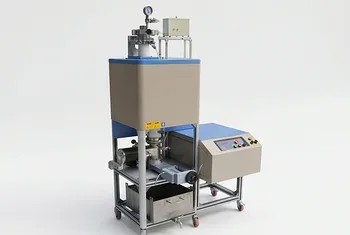
Our specialized Vertical Tube Furnaces and Atmosphere Systems are designed for the rigorous demands of material science. From the precision required in molten salt electrolysis to the complex gas-phase controls of CVD/PECVD and Vacuum Induction Melting (VIM), we provide the infrastructure that turns volatile chemistry into predictable data.
Whether you are working with Muffle, Rotary, or Hot Press systems, our equipment is engineered to eliminate the "invisible variables" that compromise your research.
Quick Links
Suggested Products
High Temperature 1700C Vertical Tube Furnace for Powder Spherification and Material Sintering Vertical 1700C Vacuum and Atmosphere Tube Furnace with 80mm Alumina Tube 500C Vacuum Vertical Tube Furnace 84mm OD Sample Rotation Lifting System 1100°C Split Vertical Tube Furnace with 80mm Quartz Tube and Stainless Steel Vacuum Flanges Split Vertical Tube Furnace with 1200C Quartz Tube and Stainless Steel Vacuum Flanges for Rapid Thermal ProcessingFurther Reading
The Architecture of Heat: Why Verticality Defines Modern Metallurgical Simulation The Geometry of Heat: Engineering Magnetic Biochar Through Controlled Pyrolysis The Architecture of Absence: Why Atmosphere Control Defines the Fate of Mesoporous Carbon The Architecture of Isolation: Why Atmosphere Defines Material Destiny The Invisible Architect: Precision Thermal Oxidation in NiO@Ni Synthesis
ThermUnits
Last updated on Apr 14, 2026
Related Products

High Temperature 1700C Vertical Tube Furnace for Powder Spherification and Material Sintering
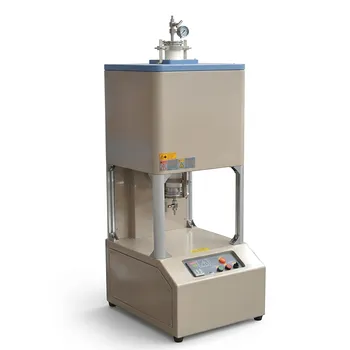
Vertical 1700C Vacuum and Atmosphere Tube Furnace with 80mm Alumina Tube
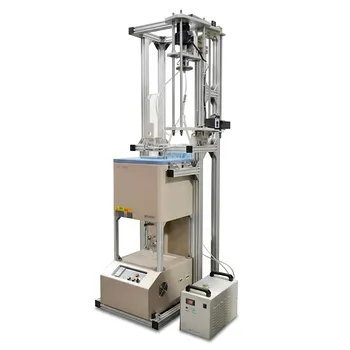
500C Vacuum Vertical Tube Furnace 84mm OD Sample Rotation Lifting System
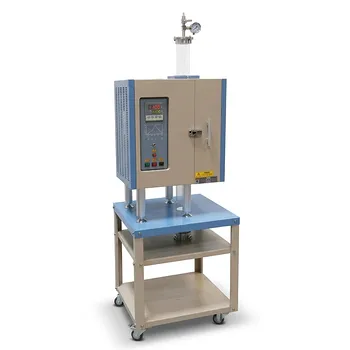
1100°C Split Vertical Tube Furnace with 80mm Quartz Tube and Stainless Steel Vacuum Flanges
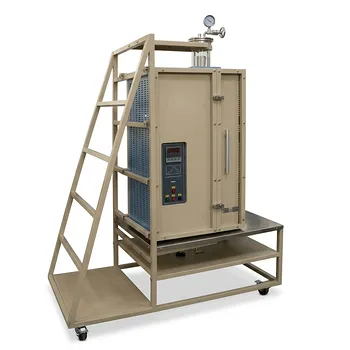
Split Vertical Tube Furnace with 1200C Quartz Tube and Stainless Steel Vacuum Flanges for Rapid Thermal Processing
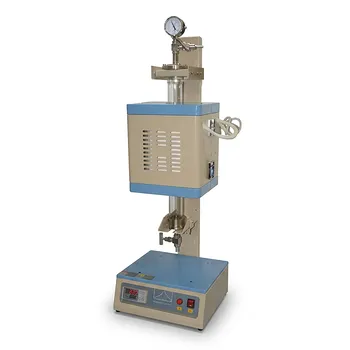
Compact Vertical Split Quartz Tube Furnace with Stainless Steel Vacuum Flanges for Rapid Thermal Quenching and Controlled Atmosphere Material Processing
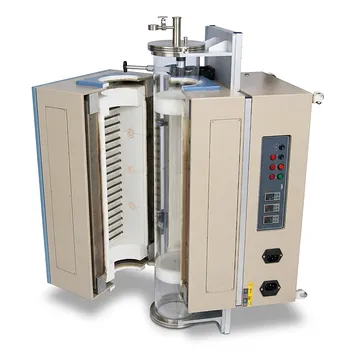
Large Vertical Three Zone Tube Furnace with 8 Inch or 11 Inch Quartz Tube and High Vacuum Flanges 1200C
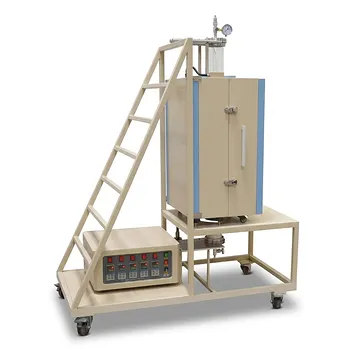
Five Zone Split Vertical Tube Furnace 1200C Max with 4 Inch Quartz Tube and Stainless Steel Vacuum Flanges
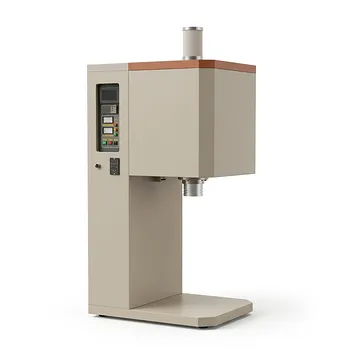
Vertical Openable Tube Furnace 0-1700c High Temperature Laboratory System for CVD and Vacuum Heat Treatment
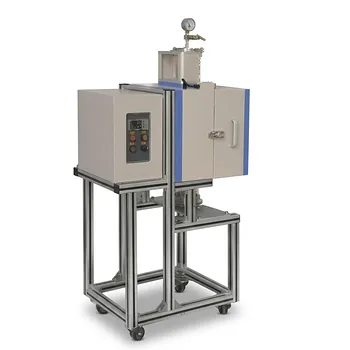
1200°C 5 Inch Vertical Quartz Tube Furnace with Stainless Steel Vacuum Flanges
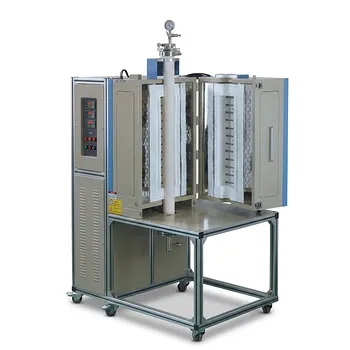
Three Zone Heating Split Vertical Tube Furnace 1700 High Temperature Vacuum Atmosphere Thermal Process System
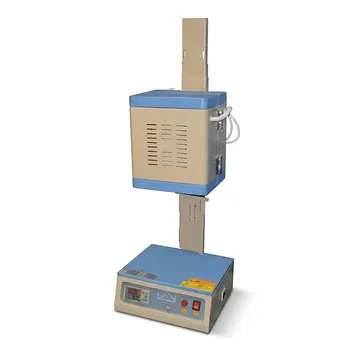
High Temperature Vertical Split Tube Furnace with PID Temperature Controller for 1 and 2 Inch Processing Tubes
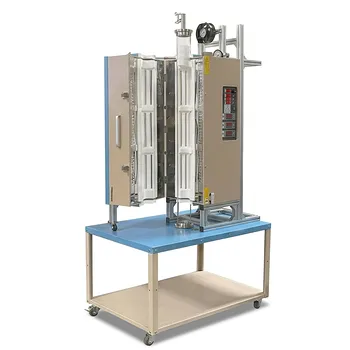
1200C Three Zone Split Vertical Tube Furnace 4 Inch Quartz Tube Stainless Steel Vacuum Flanges
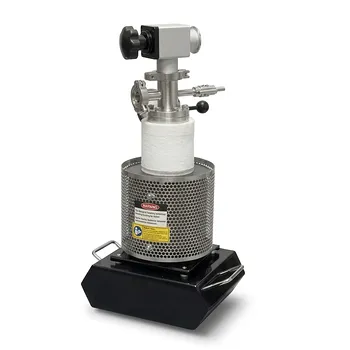
High Temperature 1100C Compact Top Loading Vertical Vacuum Tube Furnace for High Vacuum Noble Metal Melting and Material Research
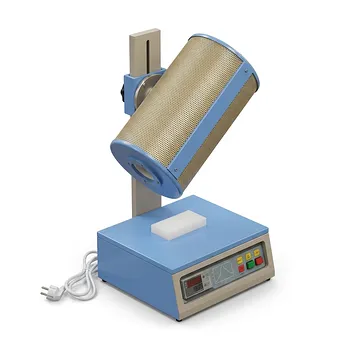
1100°C Vertical Laboratory Furnace for DIY Tubular Reactors with PID Temperature Controller
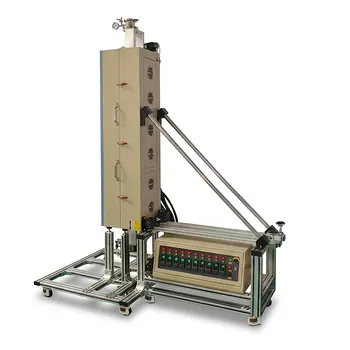
1200°C 10-Zone Split Tube Furnace with Horizontal and Vertical Mounting for Multi-Zone Thermal Gradients and Large Diameter Material Processing
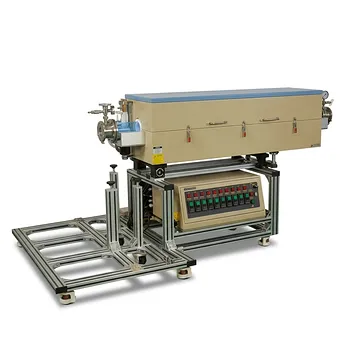
Ten Zone Multi Orientation Laboratory Tube Furnace for 1200C High Temperature Gradient Thermal Processing
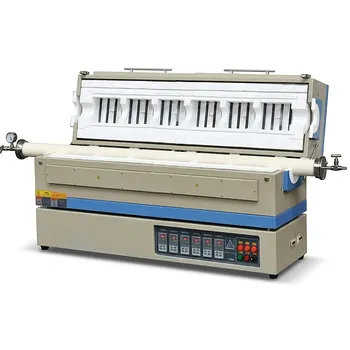
High Temperature 1700C Six Zone Split Tube Furnace with Alumina Tube and Water Cooled Flanges

1100C Tube Furnace with Vacuum Flange and Programmable Temperature Controller for Material Science and Industrial Heat Treatment