The Architecture of Heat: Why Verticality Defines Modern Metallurgical Simulation
Jun 09, 2026
In metallurgy, the difference between a successful alloy and a failed experiment is often found in the margins—a few degrees of temperature, a fraction of a percentage in oxygen partial pressure, or the speed at which a sample is cooled.
To simulate a massive industrial steel converter within the confines of a laboratory is an exercise in systemic miniaturization. It requires more than just heat; it requires an environment where variables are isolated and physics is disciplined.
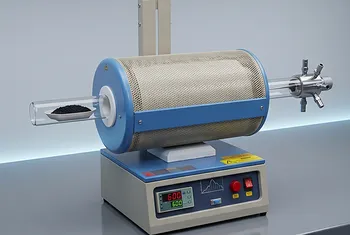
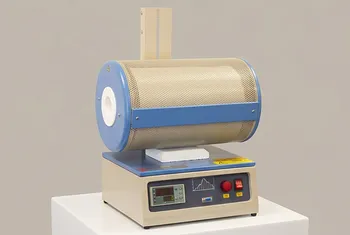
The vertical tube furnace is the engineer’s answer to this challenge. It is not merely a heater, but a precision instrument designed to freeze time and capture the fleeting chemistry of molten steel.
The 1600°C Threshold: Beyond Radical Heat
In the world of material science, 1600°C is a psychological and technical boundary. At this temperature, the behavior of matter changes. Slag liquefies, and the kinetics of dissolution accelerate.
High-temperature vertical furnaces utilize specialized heating elements—often graphite or molybdenum disilicide—to reach these extremes. But the goal isn't just reaching the peak; it is staying there with absolute stability.
- Thermal Uniformity: A "constant temperature zone" ensures that the entire sample experiences the same thermodynamic reality.
- Programmable Precision: Modern systems allow for complex thermal "journeys," moving from homogenization phases to separation phases without manual intervention.
- Reliability: In long-duration tests, such as studying the dissolution of magnesia-carbon (MgO-C) pellets, even a 5-degree drift can invalidate weeks of research.
Gravity as a Design Feature
Why vertical? In a horizontal furnace, gravity is a nuisance that can cause samples to sag or melt unevenly. In a vertical tube furnace, gravity becomes a stabilizing force.
The vertical orientation allows a crucible to sit perfectly centered within the furnace’s thermal heart. This is critical for studying the slag-steel interface. This interface is where the "magic" of steelmaking happens—where sulfur and phosphorus are stripped away, and where inclusions are born.
By maintaining a stable, vertical column of material, researchers can observe the phase equilibrium between molten metal and liquid slag with a level of clarity that industrial-scale reactors simply cannot provide.
Atmospheric Engineering: Controlling the Invisible
Steelmaking is as much about gas as it is about metal. The atmosphere inside the furnace dictates the oxidation-reduction potential of the entire system.
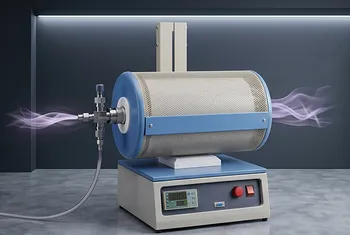
Advanced vertical furnaces act as sophisticated gas-path hubs. By introducing inert gases (Argon) or reducing mixtures (CO/CO2), the furnace replicates the internal "breath" of a refining ladle.
| Feature | Technical Capability | Metallurgical Impact |
|---|---|---|
| Gas Lances | Top-inserted injection | Increases gas-liquid contact for reduction kinetics. |
| Inert Sealing | Vacuum-tight chambers | Prevents unwanted oxidation of sensitive alloys. |
| Flow Control | Integrated mass flow meters | Precise simulation of industrial flue gas environments. |
The Art of the Quench: Freezing the Truth
Perhaps the most romantic capability of the vertical furnace is its ability to "stop time."
When a reaction reaches its peak at 1600°C, the researcher needs to see exactly what was happening at that microsecond. If the sample cools slowly, the microstructure rearranges, and the evidence of the high-temperature state is lost.
The vertical design allows for rapid quenching. With the release of a support wire, the sample drops instantly into a medium like water or oil. This "freezes" the phase equilibrium and the reaction interface, allowing for post-experiment analysis that accurately reflects the furnace’s internal thermodynamics.
The Cost of High Performance
Precision comes with a price, both in terms of material stress and operational complexity.
Operating at the limits of ceramic and graphite physics means that thermal shock is a constant threat. A tube failure at 1600°C is not just an equipment loss; it is a systemic failure of the experiment.
Furthermore, handling toxic or flammable gases like CO at extreme temperatures requires a rigorous safety infrastructure—leak detection, ventilation, and fail-safes. The engineer must balance the pursuit of data with the reality of high-energy safety.
Precision by Design: The THERMUNITS Standard
At THERMUNITS, we understand that a furnace is the foundation of your R&D narrative. We manufacture high-temperature laboratory equipment that bridges the gap between theoretical chemistry and industrial reality.
Our comprehensive range includes:
- Specialized Furnaces: From Muffle and Vacuum to Rotary and Hot Press systems.
- Metallurgical Systems: Vacuum Induction Melting (VIM) and high-temp Tube furnaces.
- Advanced Materials: CVD/PECVD systems and high-precision thermal elements.
Whether you are capturing the kinetics of slag-steel reactions or developing the next generation of refractory materials, our equipment provides the stability, atmosphere control, and quenching capabilities required for world-class research.
To discuss how our thermal solutions can stabilize your most complex metallurgical simulations, Contact Our Experts.
Quick Links
Suggested Products
High Temperature 1700C Vertical Tube Furnace for Powder Spherification and Material Sintering High Temperature 1700C Vertical Split Tube Furnace for Material Quenching and Single Crystal Growth High Temperature 1100C Compact Top Loading Vertical Vacuum Tube Furnace for High Vacuum Noble Metal Melting and Material Research Vertical Openable Tube Furnace 0-1700c High Temperature Laboratory System for CVD and Vacuum Heat Treatment Three Zone Heating Split Vertical Tube Furnace 1700 High Temperature Vacuum Atmosphere Thermal Process SystemFurther Reading
The Geometry of Heat: Engineering Magnetic Biochar Through Controlled Pyrolysis The Architecture of Absence: Why Atmosphere Control Defines the Fate of Mesoporous Carbon The Silent Guardian of Kinetics: The Engineering Logic Behind Stable Molten Salt Environments The Architecture of Isolation: Why Atmosphere Defines Material Destiny The Invisible Architect: Precision Thermal Oxidation in NiO@Ni Synthesis
ThermUnits
Last updated on Apr 14, 2026
Related Products

High Temperature 1700C Vertical Tube Furnace for Powder Spherification and Material Sintering
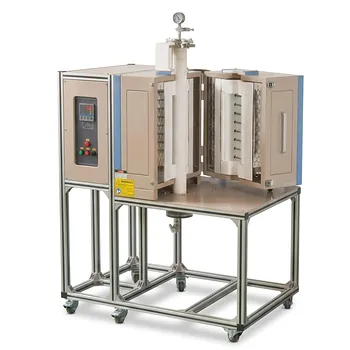
High Temperature 1700C Vertical Split Tube Furnace for Material Quenching and Single Crystal Growth
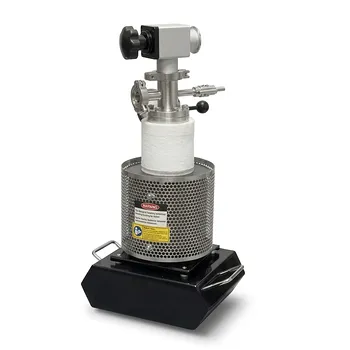
High Temperature 1100C Compact Top Loading Vertical Vacuum Tube Furnace for High Vacuum Noble Metal Melting and Material Research
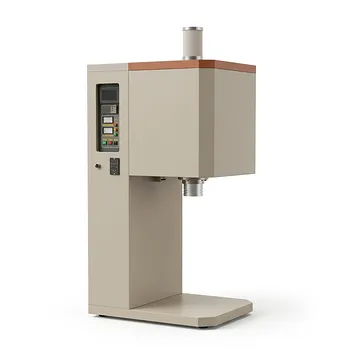
Vertical Openable Tube Furnace 0-1700c High Temperature Laboratory System for CVD and Vacuum Heat Treatment
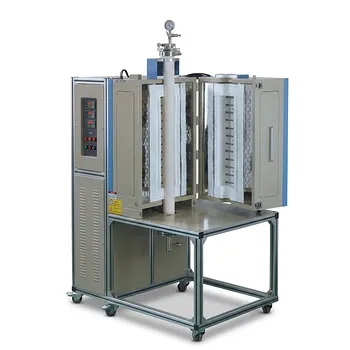
Three Zone Heating Split Vertical Tube Furnace 1700 High Temperature Vacuum Atmosphere Thermal Process System
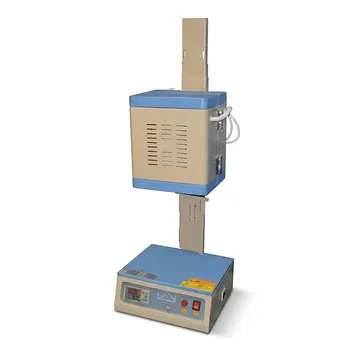
High Temperature Vertical Split Tube Furnace with PID Temperature Controller for 1 and 2 Inch Processing Tubes
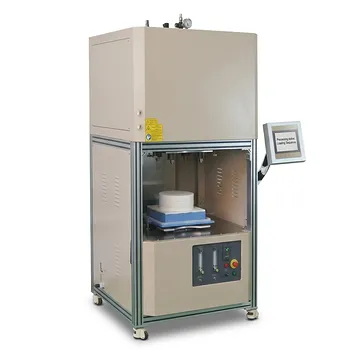
High Temperature Vertical Atmosphere Controlled Furnace with Automatic Bottom Loading and 1700°C Capacity for Advanced Material Research
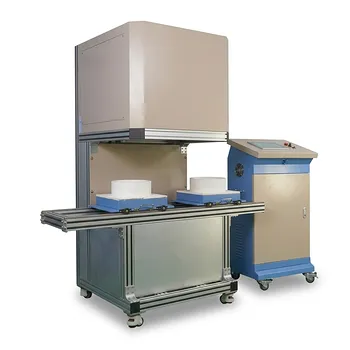
High Temperature Bottom Loading Vertical Furnace 1700C Dual Stage Sample Processing System 18L Large Capacity Thermal Treatment Equipment

Vertical 1700C Vacuum and Atmosphere Tube Furnace with 80mm Alumina Tube
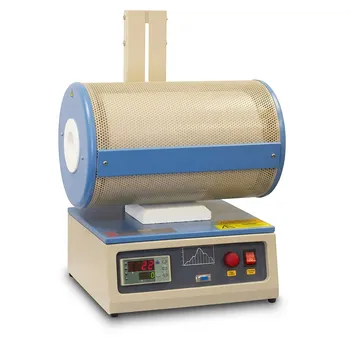
Multi Position Tube Furnace 1100C for Laboratory Material Research and Advanced Industrial Thermal Processing
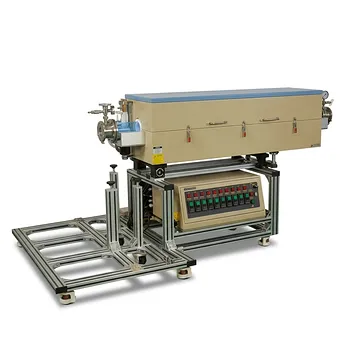
Ten Zone Multi Orientation Laboratory Tube Furnace for 1200C High Temperature Gradient Thermal Processing

1200°C 5 Inch Vertical Quartz Tube Furnace with Stainless Steel Vacuum Flanges
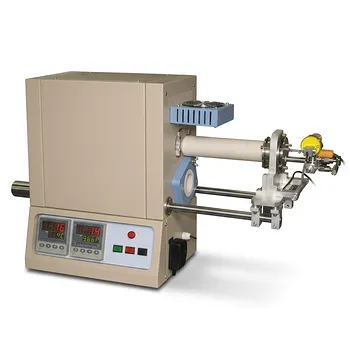
High Temperature Tube Furnace 1500C with Sliding Flanges and 50mm OD for Rapid Thermal Processing Fast Heating and Cooling
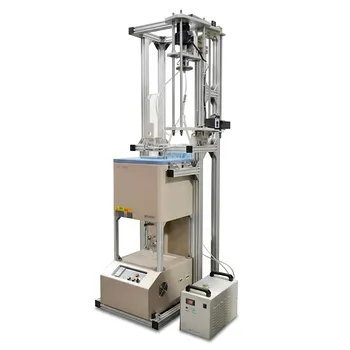
500C Vacuum Vertical Tube Furnace 84mm OD Sample Rotation Lifting System

High Temperature 1700C Tube Furnace with High Vacuum Turbomolecular Pump System and Multi Channel Mass Flow Controller Gas Mixer

High Temperature 1700C Benchtop Tube Furnace with 5 Inch Heating Zone High Purity Alumina Tube and Vacuum Sealing Flanges
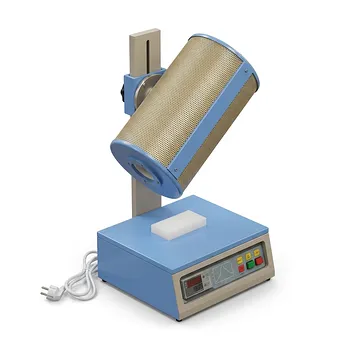
1100°C Vertical Laboratory Furnace for DIY Tubular Reactors with PID Temperature Controller
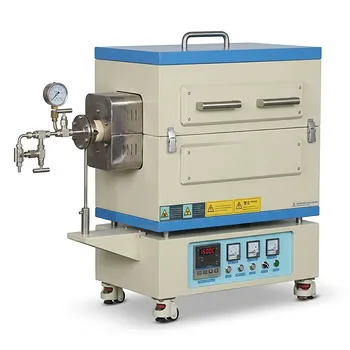
High Temperature Split Tube Furnace 1500C for Material Research Vacuum and Atmosphere Thermal Processing
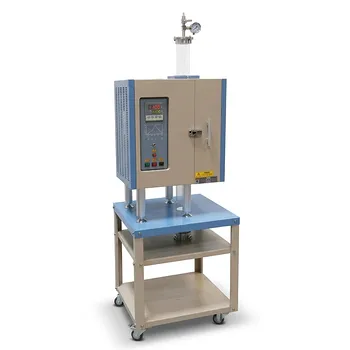
1100°C Split Vertical Tube Furnace with 80mm Quartz Tube and Stainless Steel Vacuum Flanges