How do Chemical Vapor Deposition (CVD) coatings enhance industrial tools? Boost Tool Life and Wear Resistance
Updated 5 months ago
Chemical Vapor Deposition (CVD) coatings enhance industrial tool performance by synthesizing ultra-hard, chemically bonded layers from gas-phase precursors. These coatings, such as Titanium Nitride (TiN) and Titanium Carbide (TiC), provide surface hardness often exceeding 20 GPa and significantly lower friction coefficients. By creating a dense, adherent film that is chemically integrated with the substrate, CVD can extend the service life of cutting tools by 5 to 100 times depending on the specific application.
CVD coatings bridge the gap between material durability and operational efficiency by utilizing gas-phase reactions to create a protective barrier that is harder and more thermally stable than the underlying tool material. This process ensures that tools can withstand the extreme heat and abrasion of modern high-speed machining without premature failure.
Enhancing Tool Longevity through Material Properties
Extreme Surface Hardness and Wear Resistance
CVD systems deposit high-hardness compounds like TiN, TiC, and diamond onto substrates such as cemented carbide. These materials provide a sacrificial but incredibly durable barrier that resists the abrasive forces of industrial cutting. For instance, MPCVD diamond coatings can reach a Vickers hardness of approximately 10,000 kg/mm², making them ideal for the most demanding environments.
Thermal Stability and Heat Reduction
High-speed machining generates intense heat that can soften and deform uncoated tools. CVD coatings provide thermal stability, acting as a heat shield that preserves the structural integrity of the tool's core. By reducing the friction coefficient, these coatings also minimize the amount of heat generated during the cutting process itself.
Chemical Inertness and Material Adhesion
Industrial processes often suffer from "built-up edge," where the workpiece material sticks to the tool. CVD coatings are chemically inert, meaning they do not react with the metals being cut. This prevents material adhesion, ensuring a cleaner cut and reducing the frequency of tool maintenance.
The Structural Advantage of the CVD Process
Chemical Bonding vs. Mechanical Adhesion
Unlike Physical Vapor Deposition (PVD), which relies on a mechanical "line-of-sight" bond, CVD utilizes thermal decomposition and chemical reactions. This ensures the coating is densely adherent and chemically bonded to the substrate. This superior bonding prevents the coating from flaking or peeling under high-stress industrial loads.
Conformal Coverage on Complex Geometries
One of the primary advantages of CVD is its ability to achieve uniform, conformal coverage on 3D microstructures. Because the precursors are in a gas phase, they can reach into recesses, threads, and internal geometries that other coating methods cannot access. This ensures that every surface of a complex tool receives the same level of protection.
Tailored Microstructures and Composition
Engineers can precisely control the chemical stoichiometry and crystal orientation of the film by adjusting gas flow and furnace pressure. This allows for the creation of multilayer optical stacks or specific electronic functions. This precision ensures that the coating’s properties are perfectly matched to the tool’s intended use.
Specialized CVD Variants for Industrial Use
Diamond and Diamond-Like Carbon (DLC)
For non-ferrous metals and ceramics, diamond-like carbon (DLC) or pure diamond coatings offer the lowest friction and highest hardness. These coatings are particularly effective in reducing heat buildup during the high-speed cutting of composites and ceramics. They represent the pinnacle of wear resistance, often extending tool life by up to 100 times.
Plasma-Enhanced CVD (PECVD) for Temperature Sensitivity
Standard CVD often requires high temperatures that could damage certain steel substrates. PECVD uses ion bombardment to drive the chemical reaction at lower temperatures. This results in low-stress films that are compatible with a wider range of industrial engineering substrates like aluminum and specialized steels.
Understanding the Trade-offs
High Processing Temperatures
The primary limitation of traditional CVD is the high temperature required to facilitate chemical reactions on the substrate. These temperatures can exceed 1,000°C, which may lead to the softening or distortion of certain heat-sensitive tool steels. Users must carefully match the substrate material to the specific CVD process to avoid compromising the tool's core strength.
Environmental and Safety Considerations
CVD processes involve volatile precursor gases and may produce hazardous by-products that require sophisticated scrubbing systems. This adds to the operational complexity and cost compared to simpler coating methods. Additionally, the process is generally slower than PVD, making it a more significant investment in terms of cycle time.
How to Apply This to Your Project
When selecting a coating strategy, your choice should align with the material you are processing and the geometry of your components.
- If your primary focus is high-speed machining of non-ferrous composites: Prioritize MPCVD diamond coatings to achieve the highest possible hardness and thermal dissipation.
- If your primary focus is protecting complex 3D parts like internal threads: Use PECVD or standard CVD to ensure uniform, conformal coverage across all recessed surfaces.
- If your primary focus is maximizing the life of carbide inserts in heavy-duty milling: Opt for TiN or TiC coatings for their proven ability to extend tool life by 5 to 10 times through superior chemical bonding.
By leveraging the chemical precision of CVD, industries can push the limits of material science to achieve unprecedented levels of durability and efficiency.
Summary Table:
| Feature | Performance Benefit | Key Coating Materials |
|---|---|---|
| Surface Hardness | Exceeds 20 GPa; extends tool life up to 100x | TiN, TiC, Diamond |
| Thermal Stability | Acts as a heat shield; reduces friction | MPCVD Diamond, DLC |
| Chemical Inertness | Prevents "built-up edge" and material adhesion | TiN, Al2O3 |
| Bonding Strength | Chemical bonding prevents flaking/peeling | Various CVD Films |
| Conformal Coating | Uniform coverage for complex 3D/internal parts | Gas-phase Precursors |
Elevate Your Material Research with THERMUNITS
As a leading manufacturer of high-temperature laboratory equipment for material science and industrial R&D, THERMUNITS provides the precision tools you need to master advanced coating and heat treatment processes.
Our comprehensive range of thermal solutions includes:
- Advanced CVD/PECVD Systems for high-performance coatings.
- Specialized Furnaces: Muffle, Vacuum, Atmosphere, Tube, Rotary, and Hot Press furnaces.
- Industrial Equipment: Electric rotary kilns, Vacuum Induction Melting (VIM) furnaces, and Dental furnaces.
- High-Quality Thermal Elements and laboratory heat treatment accessories.
Whether you are developing next-generation wear-resistant components or optimizing industrial cutting tools, our expert team is ready to support your project requirements.
Contact THERMUNITS today to find your solution!
Mentioned Products
- Versatile Chemical Vapor Deposition Tube Furnace System for Advanced Material Research and Industrial Coating Processes
- HFCVD Machine System for Nano Diamond Coating on Drawing Dies and Industrial Tools
- Radio Frequency Plasma Enhanced Chemical Vapor Deposition RF PECVD System for Laboratory and Industrial Thin Film Growth
- Inclined Rotary Plasma Enhanced Chemical Vapor Deposition PECVD System for Thin Film Deposition and Nanomaterial Synthesis
- Chemical Vapor Deposition CVD System Slide PECVD Tube Furnace with Liquid Gasifier PECVD Machine
People Also Ask
- How does a sliding rail design benefit the CVD process within a furnace ventilation hood? Enhance Control & Quenching
- What role do by-product desorption and evacuation play in CVD film quality? Key Factors for High-Purity Films
- How does the deposition process occur within a Chemical Vapor Deposition (CVD) reactor? Explore the 5-Stage Growth Cycle
- Why is CVD preferred over PVD for high-aspect-ratio features? Superior Conformality for Semiconductor Fabrication
- How do temperature regimes influence the growth rate of films in a CVD system? Master CVD Kinetics for Superior Thin Films

Tech Team · ThermUnits
Last updated on Apr 14, 2026
Related Products
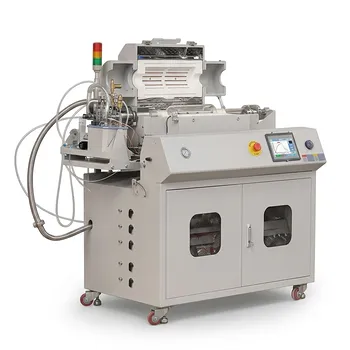
Versatile Chemical Vapor Deposition Tube Furnace System for Advanced Material Research and Industrial Coating Processes
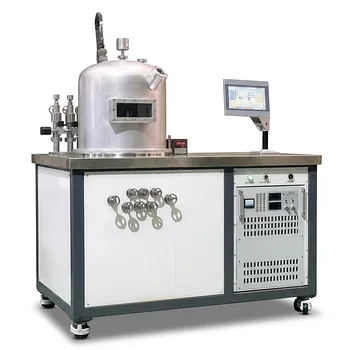
HFCVD Machine System for Nano Diamond Coating on Drawing Dies and Industrial Tools
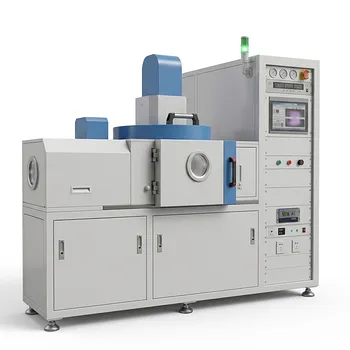
Radio Frequency Plasma Enhanced Chemical Vapor Deposition RF PECVD System for Laboratory and Industrial Thin Film Growth
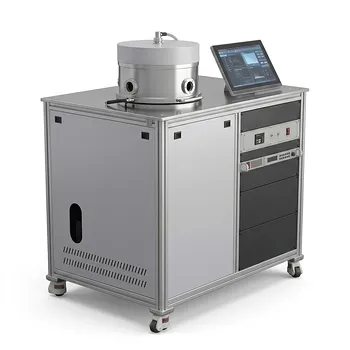
Inclined Rotary Plasma Enhanced Chemical Vapor Deposition PECVD System for Thin Film Deposition and Nanomaterial Synthesis
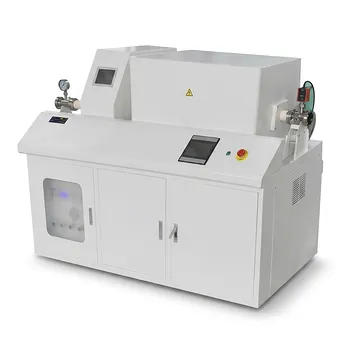
Chemical Vapor Deposition CVD System Slide PECVD Tube Furnace with Liquid Gasifier PECVD Machine
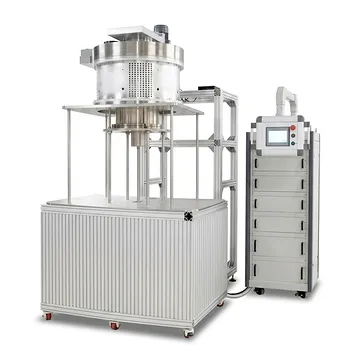
915MHz MPCVD Diamond Machine Microwave Plasma Chemical Vapor Deposition System Reactor
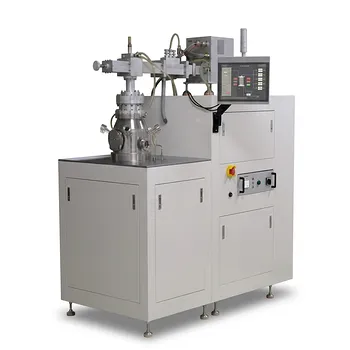
Cylindrical Resonator MPCVD Machine System for Microwave Plasma Chemical Vapor Deposition and Lab Diamond Growth
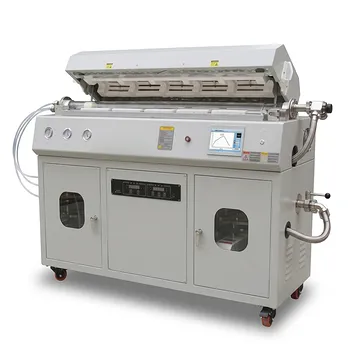
Multi Heating Zones CVD Tube Furnace System for Precision Chemical Vapor Deposition and Advanced Material Synthesis
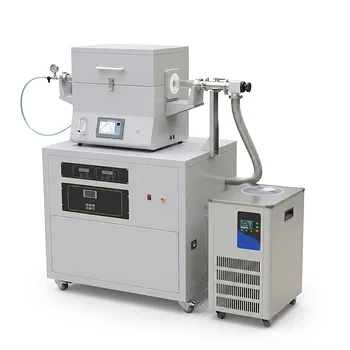
Split Chamber CVD Tube Furnace with Vacuum Station Chemical Vapor Deposition System Machine
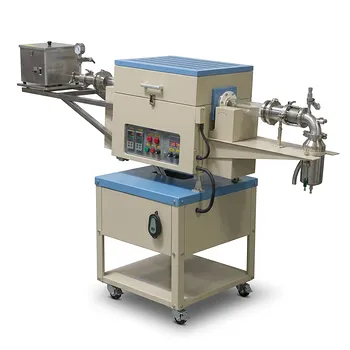
Two Zone Rotary CVD Furnace with Automatic Feeding and Receiving System for Powder Processing
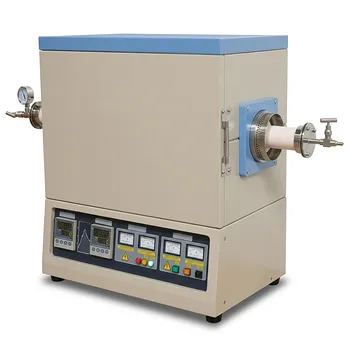
High Temperature 1700C Dual Zone Tube Furnace for Material Science and Industrial Chemical Vapor Deposition Research
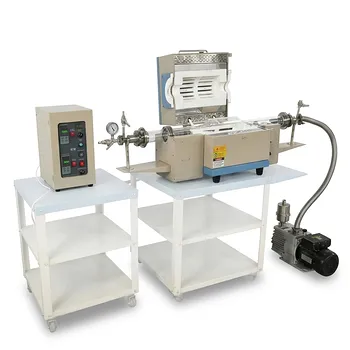
Two Zone Rotary Tube Furnace for Powder CVD Coating and Core Shell Material Synthesis 1100C
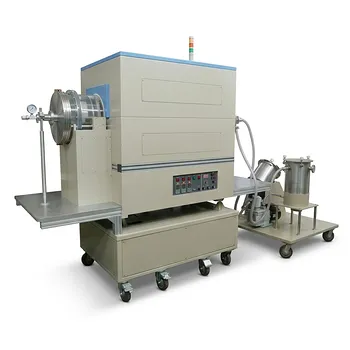
Three Zone Rotary Tube Furnace with Automatic Powder Feeding for Large Scale CVD Coating 1100C
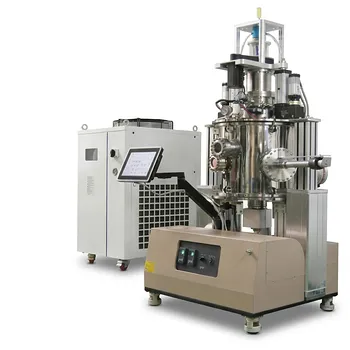
950C Rapid Thermal Processing Furnace for 12 Inch Wafer CSS Coating with Rotating Substrate Holder
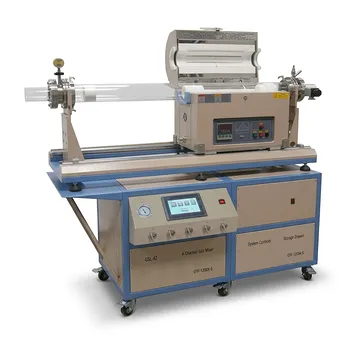
Dual Tube 100mm 80mm CVD Sliding Furnace with 4 Channel Gas Mixing and Vacuum System
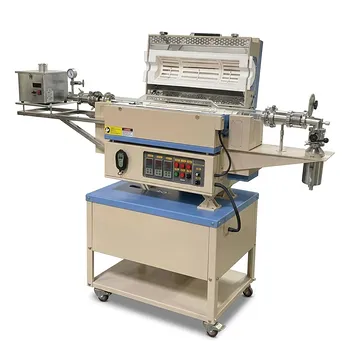
5 Inch Rotary Tube Furnace with Automatic Feeding and Receiving System 1200C Three Zone CVD Powder Processing
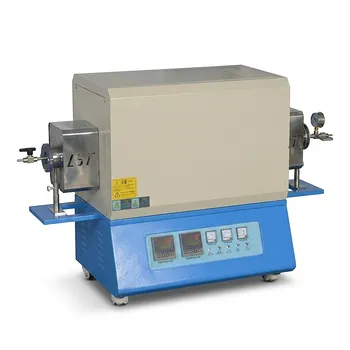
High Temperature Dual Zone Vacuum Tube Furnace for Material Research and CVD Processing
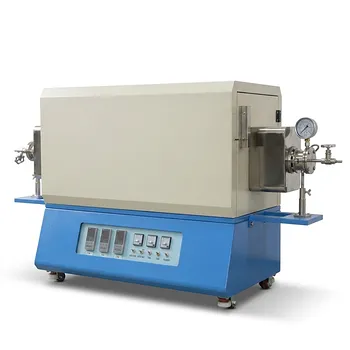
Three Temperature Zone High Temperature Vacuum Tube Furnace for CVD and Material Sintering
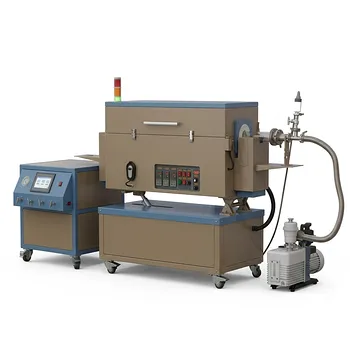
5 Inch Three Zone Rotary Tube Furnace with Integrated Gas Delivery System and 1200C Capability for Advanced Material CVD Processing