How do SiC tubular furnaces aid kaolin melting point tests? Precise Thermal Control for Ceramic Analysis
Updated 3 months ago
Laboratory tubular furnaces equipped with silicon carbide (SiC) heating elements provide the extreme temperatures and stable thermal environments necessary to pinpoint the exact softening and melting phases of kaolin. By maintaining a precise heating ramp—typically between 8-10°C per minute—these furnaces allow researchers to visually monitor and record the transition of ceramic matrices into a molten state with high repeatability.
Core Takeaway: These furnaces serve as high-precision thermal chambers that transform kaolin melting point analysis from an estimation into a controlled, observable scientific process by leveraging the high-temperature durability of silicon carbide and the stability of a tubular thermal field.
The Significance of Silicon Carbide Heating
Achieving High-Temperature Stability
Silicon carbide (SiC) elements are essential for kaolin experiments because they can withstand the extreme temperatures required to reach ceramic melting points. Unlike metallic elements, SiC remains robust at these elevated ranges, ensuring the furnace provides a consistent thermal field throughout the chamber.
Uniform Heat Distribution
The tubular design of the furnace ensures that the heat radiates evenly toward the sample from all directions. This uniformity is critical for kaolin, as any thermal gradients within the tube could cause uneven melting and lead to inaccurate data regarding the material's softening point.
Precision Control for Phase Transitions
Managing the Heating Ramp
The ability to program a specific temperature ramp, such as 8-10°C per minute, is vital for capturing the subtle transition of kaolin from a solid to a plastic state. A controlled rate prevents thermal shock to the sample and allows the observer to identify the exact moment the ceramic matrix begins to deform.
Facilitating Visual Observation
Tubular furnaces are often designed to allow for direct visual monitoring of the sample during the heating process. This capability is the cornerstone of melting point experiments, enabling researchers to document the physical changes in the kaolin as it reaches its critical thermal thresholds.
Atmospheric Control and Sealing
Advanced tubular furnaces offer superior sealing performance, which allows for experiments to be conducted in controlled atmospheres, such as nitrogen. While often used for pyrolysis in other materials, this sealing ensures that no unintended oxidation or atmospheric interference affects the kaolin's chemical behavior during the melting test.
Understanding the Trade-offs
Element Aging and Maintenance
While silicon carbide is highly effective, it is subject to aging, where its electrical resistance increases over time. This requires the furnace controller to adjust voltage periodically to maintain the same heating performance, necessitating regular calibration.
Thermal Cycle Sensitivity
Despite their durability, SiC elements can be brittle and sensitive to extreme thermal cycling. Rapid cooling or heating outside of the recommended 8-10°C per minute range can lead to element failure or a reduction in the furnace's operational lifespan.
How to Apply This to Your Research
Making the Right Choice for Your Goal
- If your primary focus is pinpointing exact melting points: Utilize the visual ports and maintain a steady 8°C per minute ramp to ensure you don't overshoot the transition phase.
- If your primary focus is material purity during heating: Ensure the furnace's sealing components are intact and utilize an inert gas purge to prevent any atmospheric contamination of the kaolin.
- If your primary focus is equipment longevity: Avoid rapid cooling cycles and monitor the resistance of the SiC elements to ensure the thermal field remains uniform over hundreds of tests.
By combining the high-heat capacity of silicon carbide with the controlled environment of a tubular chamber, researchers gain the precision required to master the thermal complexities of ceramic materials.
Summary Table:
| Feature | Benefit for Kaolin Experiments | Key Specification |
|---|---|---|
| SiC Heating Elements | Extreme temperature durability and stability | High-temp performance |
| Tubular Design | 360° uniform heat radiation | Eliminates thermal gradients |
| Precision Control | Capture subtle phase transitions | 8-10°C/min ramp rate |
| Visual Monitoring | Direct observation of softening/melting | Real-time data recording |
| Sealing & Atmosphere | Prevents unintended oxidation or contamination | Inert gas compatible |
Elevate Your Materials Research with THERMUNITS
Precision is the backbone of material science. As a leading manufacturer of high-temperature laboratory equipment, THERMUNITS provides the advanced thermal solutions necessary for demanding industrial R&D.
Whether you require Tube furnaces with SiC elements for ceramic analysis, or specialized Vacuum, Atmosphere, Muffle, or CVD/PECVD systems, our equipment is engineered for repeatability and extreme durability. We also offer Rotary furnaces, Hot Press systems, Dental furnaces, and Vacuum Induction Melting (VIM) units to cover every stage of your heat treatment workflow.
Ready to optimize your lab's thermal processing? Contact our expert team today to discuss your project!
References
- B. A. Kalbaev, Мuratbay Toreniyazov. Study of Shomishkul kaolin for producing ceramic materials. DOI: 10.1051/e3sconf/202449402005
Mentioned Products
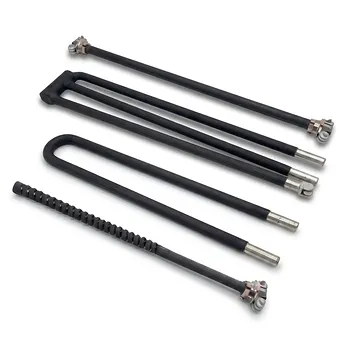
- Silicon Carbide SiC Thermal Heating Elements for Industrial Electric Furnaces
- High Temperature 1700C Vertical Tube Furnace for Powder Spherification and Material Sintering
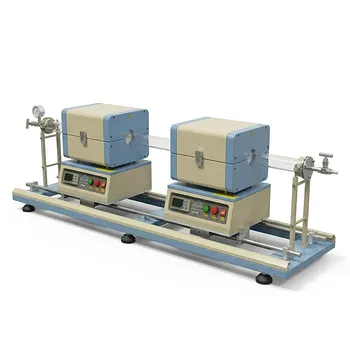
- 1200C Max Dual Sliding Tube Furnace with 50 mm Tube Flanges for CVD
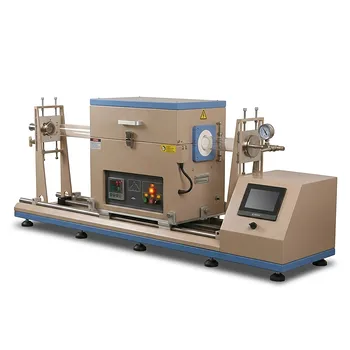
- 1200C Sliding Tube Furnace for Rapid Thermal Processing and CVD Graphene Growth with 100mm OD Capacity
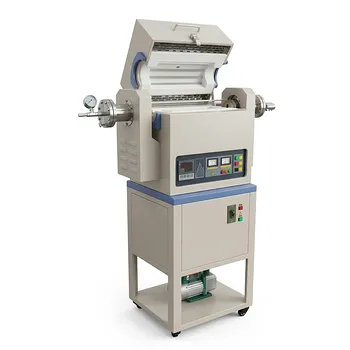
- High Temperature Rotary Tilt Tubular Furnaces for Advanced Powder Sintering and Material Processing
People Also Ask
- Which materials are used for thermal elements in furnaces exceeding 1,500°C? Expert Guide to Extreme Heat Solutions
- How do electric thermal elements compare to combustion-based heating systems? Maximize Your Lab's Energy Efficiency
- What are the fundamental components and operating principles of electric thermal elements? A Comprehensive Guide
- What is the primary function of an industrial electric furnace in the initial stage of preparing reclaimed carbon black?
- Why is a Type C thermocouple selected for slag at 1773 K? Ensure Stability and Precision for High-Temp Analysis

Tech Team · ThermUnits
Last updated on Jun 02, 2026
Related Products
Silicon Carbide SiC Thermal Heating Elements for Industrial Electric Furnaces

High Temperature 1700C Vertical Tube Furnace for Powder Spherification and Material Sintering
1200C Max Dual Sliding Tube Furnace with 50 mm Tube Flanges for CVD
1200C Sliding Tube Furnace for Rapid Thermal Processing and CVD Graphene Growth with 100mm OD Capacity
High Temperature Rotary Tilt Tubular Furnaces for Advanced Powder Sintering and Material Processing

Compact Vertical Split Quartz Tube Furnace with Stainless Steel Vacuum Flanges for Rapid Thermal Quenching and Controlled Atmosphere Material Processing
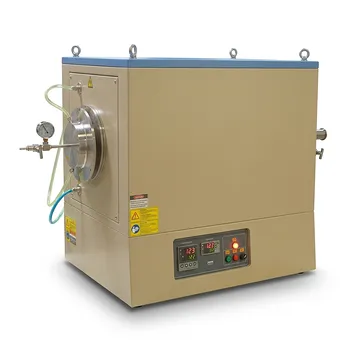
1100°C Large Diameter Quartz Tube Furnace with 24 Inch Heating Zone and Water Cooled Flanges
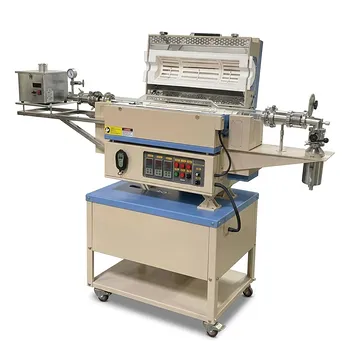
5 Inch Rotary Tube Furnace with Automatic Feeding and Receiving System 1200C Three Zone CVD Powder Processing

High Temperature 1700C Tube Furnace with High Vacuum Turbomolecular Pump System and Multi Channel Mass Flow Controller Gas Mixer
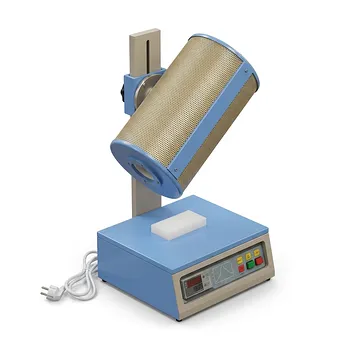
1100°C Vertical Laboratory Furnace for DIY Tubular Reactors with PID Temperature Controller

1100C Tube Furnace with Vacuum Flange and Programmable Temperature Controller for Material Science and Industrial Heat Treatment
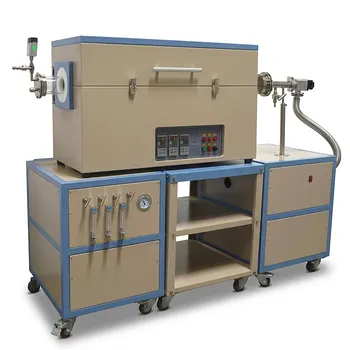
Three Zone Quartz Tube Furnace with 3 Channel Gas Mixer Vacuum Pump and Anti Corrosive Vacuum Gauge

1800C High Temperature Compact Vacuum Tube Furnace with 60mm OD Alumina Tube and Kanthal MoSi2 Heating Elements

Compact High Temperature 1600C Tube Furnace with 50mm Alumina Tube and Vacuum Flanges for Material Sintering
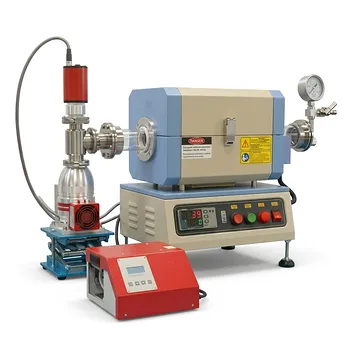
High Vacuum Compact Tube Furnace 1200C with Integrated Turbo Pump System and 8 Inch Heating Zone

Three Zone Tube Furnace with 11 Inch or 15 Inch Quartz Tube and Hinged Flanges for Vacuum Atmosphere Heat Treatment
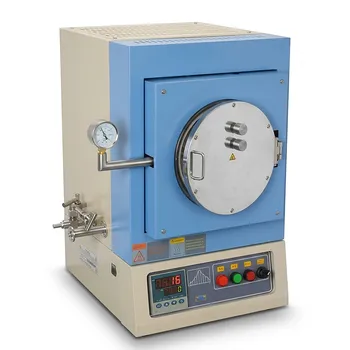
1100°C High Temperature Quartz Chamber Furnace 8 Inch OD with 7.6 Liter Capacity and Vacuum Atmosphere Capability
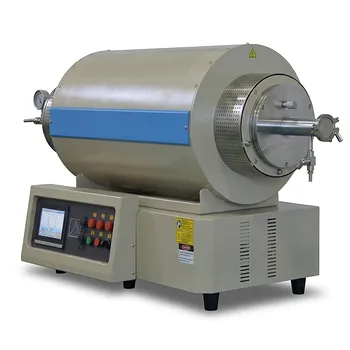
1200C Max Three Zone Tube Furnace 6 Inch OD Max with Tube and Flange
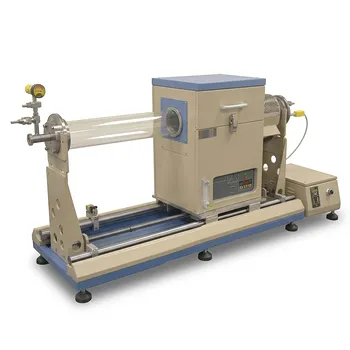
Rapid Thermal Processing Sliding Tube Furnace with 4 Inch OD Quartz Tube and 900C IR Heating
