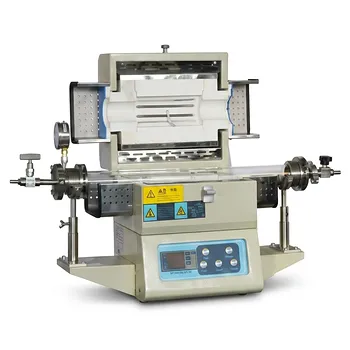
How does a carbon dioxide atmosphere furnace contribute to activated titania-carbon gels? Maximize Porosity & Surface Area
Updated 3 months ago
The carbon dioxide atmosphere furnace serves as the critical engine for physical activation during the synthesis of titania-carbon gels. By introducing a controlled stream of CO2 at temperatures between 800°C and 900°C, the furnace triggers a precise gasification reaction that etches the carbon shell. This process transforms a solid carbon structure into a highly porous framework, dramatically increasing the specific surface area and facilitating rapid ion transport.
Core Takeaway: A carbon dioxide atmosphere furnace enables "physical activation," a process that uses controlled oxidation to create a vast network of pores within the carbon shell. This architectural refinement is essential for maximizing the electrochemical performance and surface reactivity of titania-carbon spherical gels.
The Mechanism of Physical Activation
Controlled Gasification and Etching
Inside the furnace, CO2 acts as a mild oxidant that reacts with the carbon framework of the spherical gels. This gasification reaction selectively removes carbon atoms from the shell, effectively "etching" the material at a molecular level.
This reaction is carefully managed to prevent the total combustion of the carbon. Instead, it creates a complex internal architecture characterized by a high density of micropores and mesopores.
Creating High Specific Surface Area
The primary contribution of the CO2 atmosphere is the massive expansion of the material’s specific surface area. Without this activation step, the carbon shell remains relatively dense and inaccessible to electrolytes.
Through CO2 activation, the surface area can reach extraordinary levels, sometimes exceeding 3600 square meters per gram. This provides an abundance of active sites for chemical reactions and energy storage.
Impact on Electrochemical Performance
Acceleration of Lithium-Ion Transmission
In applications like lithium-ion batteries, the porosity created by the furnace is vital for kinetic efficiency. The newly formed mesopores act as high-speed channels for ion movement.
By reducing the diffusion path, the activated carbon shell allows lithium ions to migrate through the electrode material much faster. This results in quicker charging times and higher power density.
Protection of the Titania Core
The furnace environment ensures that the titanium dioxide (titania) particles remain encapsulated and protected within the carbon shell. While the CO2 etches the carbon, the controlled temperature prevents the degradation of the underlying titania structure.
This synergy maintains the structural integrity of the gel while enhancing its electrical conductivity. The carbon shell provides the necessary pathway for electrons, while the titania serves its functional role in the core.
Understanding the Trade-offs
Risk of Excessive Carbon Loss
While activation is necessary for porosity, it is a "subtractive" process. If the temperature is too high or the CO2 exposure is too long, the furnace may trigger excessive thermal oxidation, leading to significant mass loss.
Balancing Porosity and Structural Integrity
There is a fundamental trade-off between pore volume and mechanical strength. Increasing the porosity too aggressively can weaken the carbon walls, potentially leading to the collapse of the spherical gel structure during cycling.
Temperature Sensitivity
The furnace must maintain a precise thermal window, typically between 800°C and 900°C. Deviations can result in either insufficient activation (low surface area) or the transition of titania into less desirable crystalline phases.
How to Optimize the Activation Process
Strategic Recommendations
- If your primary focus is maximum surface area: Utilize a higher temperature (near 900°C) and consider a synergistic approach using chemical agents like potassium hydroxide (KOH) alongside the CO2 flow.
- If your primary focus is structural longevity: Limit the activation temperature to 800°C to ensure the carbon walls remain thick enough to withstand repeated electrochemical cycling.
- If your primary focus is electrical conductivity: Ensure a strict inert argon purge occurs before the CO2 is introduced to facilitate a clean carbonization of organic precursors.
By masterfully controlling the redox environment of the carbon dioxide atmosphere furnace, researchers can tune the porosity of titania-carbon gels to meet specific energy storage demands.
Summary Table:
| Feature | Role in Activation | Impact on Material |
|---|---|---|
| Temperature (800-900°C) | Triggers gasification reaction | Maintains titania core stability |
| CO2 Atmosphere | Acts as a mild oxidant/etchant | Creates micropores and mesopores |
| Gasification Reaction | Selectively removes carbon atoms | Expands surface area up to 3600 m²/g |
| Porous Framework | Facilitates rapid ion transport | Enhances lithium-ion battery kinetics |
Elevate Your Material Research with THERMUNITS Precision Furnaces
Achieving the perfect balance of porosity and structural integrity in titania-carbon gels requires absolute control over temperature and atmosphere. THERMUNITS is a leading manufacturer of high-temperature laboratory equipment designed specifically for material science and industrial R&D.
Our advanced Atmosphere Furnaces and Vacuum/CVD systems provide the stable, precise redox environments necessary for high-level physical activation. Whether you are developing next-generation lithium-ion batteries or high-surface-area catalysts, our comprehensive range of thermal solutions—including Muffle, Tube, Rotary, and Hot Press furnaces—ensures your research produces consistent, high-performance results.
Ready to optimize your thermal processing? Contact THERMUNITS today to find the perfect furnace for your lab!
References
- Behnoosh Bornamehr, Volker Presser. High-Performance Lithium-Ion Batteries with High Stability Derived from Titanium-Oxide- and Sulfur-Loaded Carbon Spherogels. DOI: 10.1021/acsami.3c16851
Mentioned Products
- 1400C Bottom Loaded Inert Gas Atmosphere Box Furnace with 125L Capacity and Precision Hydraulic Lift
- Bottom Loaded Inert Gas Atmosphere Box Furnace 1700C 1300C 216L Large Capacity Industrial Thermal Processing System
- Bottom Loaded Inert Gas Atmosphere Box Furnace 1400C Maximum Temperature 125L High Capacity Laboratory Heat Treatment System
- High Temperature Oxygen and Inert Atmosphere Controlled Furnace 8 Liter 1700C Sintering System for Advanced Materials RD
- 1650C High Temperature Atmosphere Controlled Box Furnace with 65L Chamber for Advanced Material Sintering and Industrial Heat Treatment
People Also Ask
- How does a box atmosphere furnace contribute to the pre-oxidation of MS-SOECs? Enhance Durability & Efficiency.
- How does a programmable Box Furnace facilitate the curing of silver inks? Expert Thermal Control for Silicon Substrates
- How does a box furnace facilitate the conversion of precursors in catalyst impregnation processes? Master Calcination
- How are electric heating elements designed to operate within carburizing atmospheres? Top Design Strategies Revealed
- What types of sealing systems are employed in atmosphere furnaces to ensure atmosphere integrity? Top Sealing Solutions

Tech Team · ThermUnits
Last updated on Jun 03, 2026
Related Products
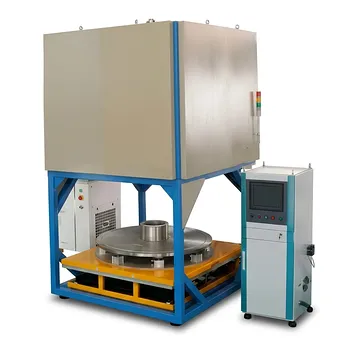
1400C Bottom Loaded Inert Gas Atmosphere Box Furnace with 125L Capacity and Precision Hydraulic Lift
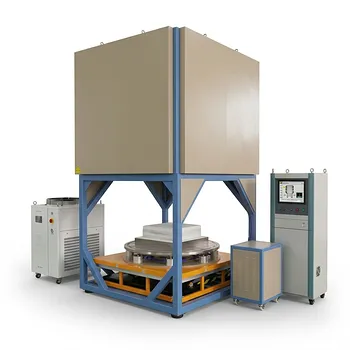
Bottom Loaded Inert Gas Atmosphere Box Furnace 1700C 1300C 216L Large Capacity Industrial Thermal Processing System
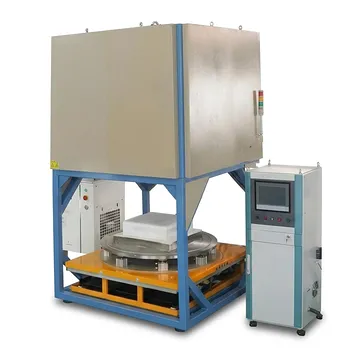
Bottom Loaded Inert Gas Atmosphere Box Furnace 1400C Maximum Temperature 125L High Capacity Laboratory Heat Treatment System
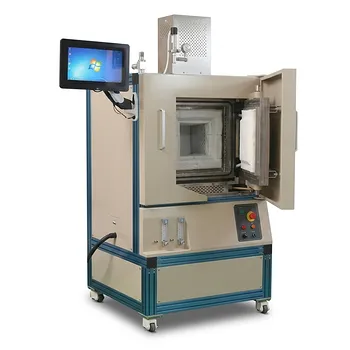
High Temperature Oxygen and Inert Atmosphere Controlled Furnace 8 Liter 1700C Sintering System for Advanced Materials RD
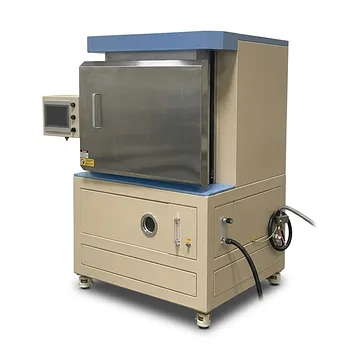
1650C High Temperature Atmosphere Controlled Box Furnace with 65L Chamber for Advanced Material Sintering and Industrial Heat Treatment
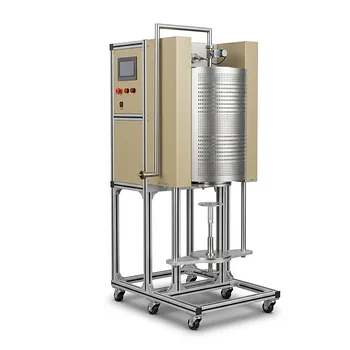
1200C Atmosphere Controlled Automatic Bottom Loading Furnace with 6 Inch Quartz Tube Dual Zone System
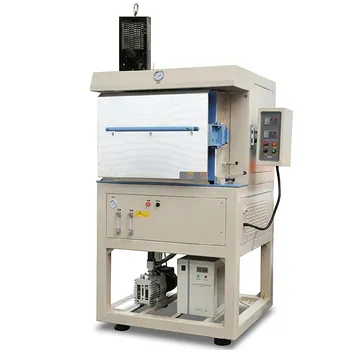
1200C Hydrogen Atmosphere Box Furnace with 5 Heated Sides and 64L Chamber
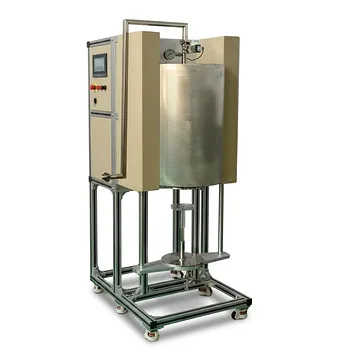
1200°C Atmosphere Controlled Automatic Bottom Loading Furnace with 6 Inch Quartz Tube
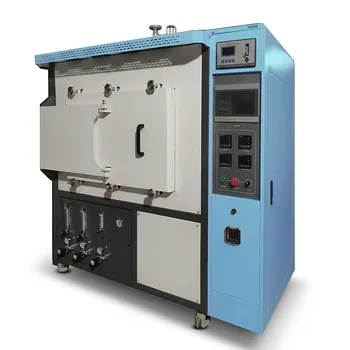
Roller Table Atmosphere Furnace 1500C High Temperature Battery Material Sintering System 112L Capacity
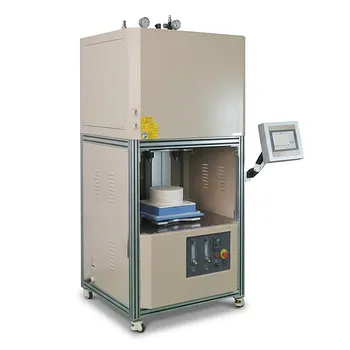
High Temperature Vertical Atmosphere Controlled Furnace 1700C Automatic Bottom Loading 13 Liter Vacuum Thermal System
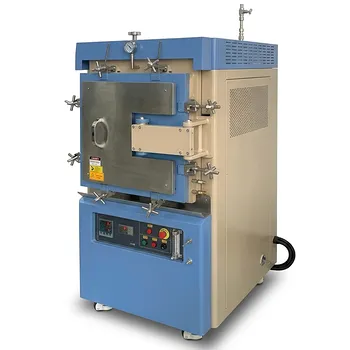
Atmosphere Controlled Muffle Furnace 1700C Maximum Temperature 80L High Capacity Vacuum Inert Gas Box Furnace
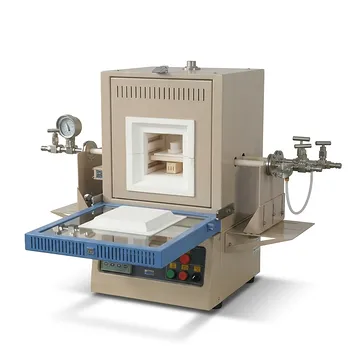
1700C Compact Hybrid Furnace with Dual Layer Box Sintering and Controlled Atmosphere Alumina Tubes
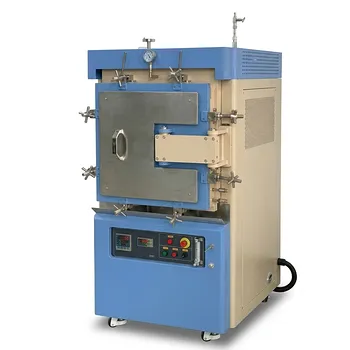
High Temperature Economic Hydrogen Gas Box Furnace 1600C Atmosphere Controlled Thermal Processing System 65L Capacity
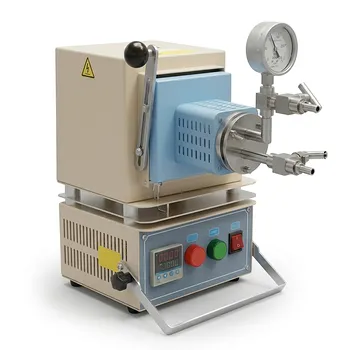
Compact Hybrid Muffle and Tube Furnace for 1000C Controlled Atmosphere Laboratory Material Sintering
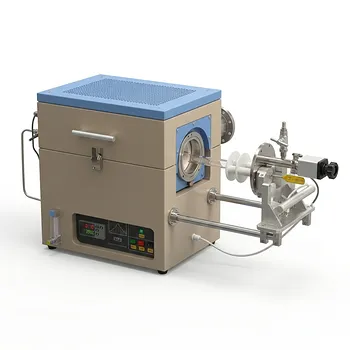
Compact Atmosphere Controlled Rapid Thermal Processing RTP Furnace with 4 Inch ID Quartz Tube 1100C

Vertical 1700C Vacuum and Atmosphere Tube Furnace with 80mm Alumina Tube
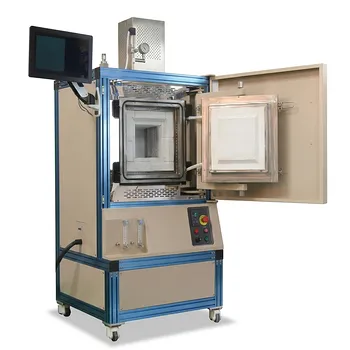
High Temperature Hydrogen Atmosphere Box Furnace 1650C Max Reducing Environment Material Synthesis System 8x8x8 Chamber
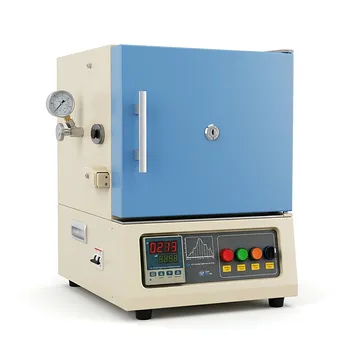
1200C Hybrid Muffle and Tube Furnace for Material Research with Dual Atmosphere Control Quartz Tubes
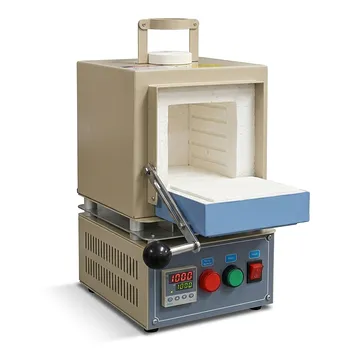
Compact 1000C Muffle Furnace with Programmable Controller and 2 Inch Top Port for Vacuum and Atmosphere Material Research