How does the use of helium gas flow control affect the DM process? Enhance Precision in CVD Graphene Synthesis
Updated 3 months ago
The introduction of helium gas flow control fundamentally alters the kinetics of graphene synthesis by acting as a precision "throttle" for carbon availability. Using Mass Flow Controllers (MFCs) to dilute methane with a high flow rate of helium drastically lowers the concentration of carbon atoms participating in the reaction. This shift suppresses bulk diffusion and prioritizes surface-mediated growth, leading to the formation of a unique amorphous carbon layer that modifies the mechanical characteristics of the substrate.
Core Takeaway: Helium dilution shifts the CVD process from bulk-diffusion-mediated growth to surface-mediated growth by reducing carbon concentration. This allows for the engineering of specific amorphous carbon layers and precise control over the graphene's structural and mechanical properties.
Regulating Carbon Availability Through Dilution
The Role of Mass Flow Controllers
High-precision Mass Flow Controllers (MFCs) are the backbone of the Diluted Methane (DM) process. By strictly regulating the ratio of helium to methane, these devices ensure that the carbon source remains at a consistent, low concentration throughout the growth cycle.
Reducing Carbon Atomic Concentration
The primary effect of helium flow is the physical dilution of methane molecules before they reach the substrate. This reduction in the "feed rate" of carbon prevents the system from becoming oversaturated, which is critical for maintaining a controlled growth environment.
Shifting Growth Dynamics and Mechanisms
Surface-Mediated vs. Bulk Diffusion
In standard CVD, carbon atoms often diffuse into the bulk of the metal substrate (like platinum or copper) before precipitating back to the surface. Helium dilution increases the ratio of surface-mediated growth, meaning the graphene forms primarily from atoms interacting directly with the surface rather than those emerging from within the metal.
Formation of the Amorphous Carbon Layer
A key outcome of this process is the development of a specific amorphous carbon layer situated above the graphene. This layer is a direct result of the modified growth kinetics and serves to change the mechanical response characteristics of the foil surface.
Integrating Pressure and Reducing Atmospheres
The Impact of Reaction Pressure
While helium controls dilution, the vacuum system manages the overall reaction pressure, typically ranging between 1 Torr and 250 Torr. Lower pressures generally facilitate single-layer graphene, while higher pressures can promote the diffusion required for multi-layer structures.
Hydrogen as a Balancing Agent
Hydrogen (H2) works alongside helium to maintain a reducing atmosphere, preventing the metal foil from oxidizing at high temperatures. The balance between the helium-diluted methane and the hydrogen flow determines the final nucleation density and flake size of the graphene.
Understanding the Trade-offs
Precision vs. Growth Velocity
The primary trade-off in the DM process is between control and speed. While helium dilution provides unparalleled control over layer uniformity and structural defects, it naturally slows down the total growth rate compared to high-concentration methane processes.
Complexity of Gas Ratios
Maintaining the stability of the gas mixture requires highly calibrated equipment. Small fluctuations in helium flow can lead to unintended shifts in the carbon source concentration, potentially resulting in non-uniform film thickness or unwanted structural defects.
How to Apply This to Your Project
Making the Right Choice for Your Goal
To achieve the best results with helium-diluted graphene growth, align your flow control strategy with your specific material requirements.
- If your primary focus is mechanical surface modification: Use high helium flow rates to promote the formation of the amorphous carbon layer over the graphene.
- If your primary focus is single-layer uniformity: Maintain low reaction pressures (near 1 Torr) while using helium to keep methane concentrations at a minimum.
- If your primary focus is controlling nucleation density: Use high-precision MFCs to strictly regulate the hydrogen-to-methane ratio to manage the strength of the reducing atmosphere.
By mastering the dilution of the carbon precursor, researchers can transition from erratic deposition to highly predictable, surface-engineered graphene synthesis.
Summary Table:
| Feature | Impact of Helium Dilution in DM Process |
|---|---|
| Growth Mechanism | Shifts from bulk-diffusion to surface-mediated growth |
| Carbon Concentration | Drastically reduced via MFC precision, preventing oversaturation |
| Structural Outcome | Facilitates formation of a unique amorphous carbon layer |
| Mechanical Properties | Allows for specific engineering of substrate mechanical response |
| Control Factor | Enables unparalleled layer uniformity and nucleation density control |
Elevate Your Material Research with THERMUNITS
Precise control over gas kinetics is the difference between erratic deposition and high-quality graphene synthesis. At THERMUNITS, we specialize in providing the high-performance thermal processing solutions required for cutting-edge material science and industrial R&D.
Whether you are exploring CVD/PECVD systems for graphene growth, or require high-precision Tube, Vacuum, or Atmosphere furnaces, our equipment is engineered to deliver the stability and accuracy your experiments demand. From Rotary and Hot Press furnaces to Vacuum Induction Melting (VIM) and Dental Furnaces, we support the full spectrum of laboratory heat treatment needs.
Ready to optimize your thermal processing workflow?
Contact our expert engineering team today to discuss how our customized heating solutions can enhance your research precision and production efficiency.
References
- Jad Yaacoub, Sameh Tawfick. Graphene‐Induced Surface Softening and Nanostructure Evolution of Platinum Foils. DOI: 10.1002/adem.202401053
Mentioned Products
- Radio Frequency Plasma Enhanced Chemical Vapor Deposition RF PECVD System for Laboratory and Industrial Thin Film Growth
- Versatile Chemical Vapor Deposition Tube Furnace System for Advanced Material Research and Industrial Coating Processes
- Chemical Vapor Deposition CVD System Slide PECVD Tube Furnace with Liquid Gasifier PECVD Machine
- Cylindrical Resonator MPCVD Machine System for Microwave Plasma Chemical Vapor Deposition and Lab Diamond Growth
- 915MHz MPCVD Diamond Machine Microwave Plasma Chemical Vapor Deposition System Reactor
People Also Ask
- What are the advantages of PECVD systems for nano flame retardant films? Protect Heat-Sensitive Polymers with Precision
- How does PECVD differ from conventional thermal CVD? Key Advantages of Low-Temperature Deposition for R&D
- What is the role of CVD/PECVD systems in the research of optoelectronic materials and functional coatings? Expert Guide
- What are the benefits of using PECVD for optical and photonic coatings? Achieve High-Precision Thin-Film Deposition
- How do RF frequency and power settings influence the characteristics of a PECVD process? Master Quality & Efficiency

Tech Team · ThermUnits
Last updated on Jun 02, 2026
Related Products
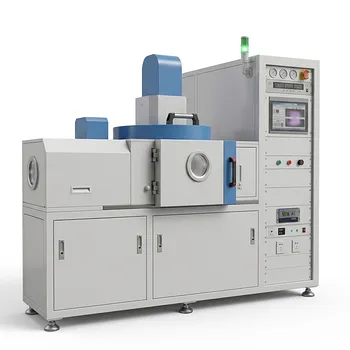
Radio Frequency Plasma Enhanced Chemical Vapor Deposition RF PECVD System for Laboratory and Industrial Thin Film Growth
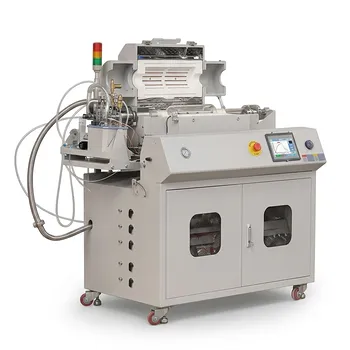
Versatile Chemical Vapor Deposition Tube Furnace System for Advanced Material Research and Industrial Coating Processes
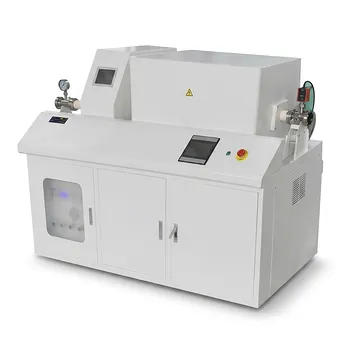
Chemical Vapor Deposition CVD System Slide PECVD Tube Furnace with Liquid Gasifier PECVD Machine
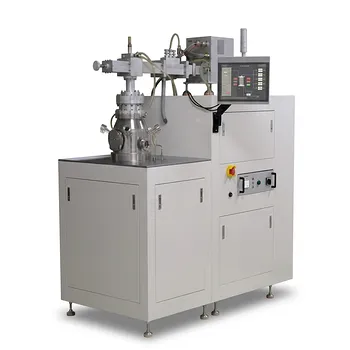
Cylindrical Resonator MPCVD Machine System for Microwave Plasma Chemical Vapor Deposition and Lab Diamond Growth
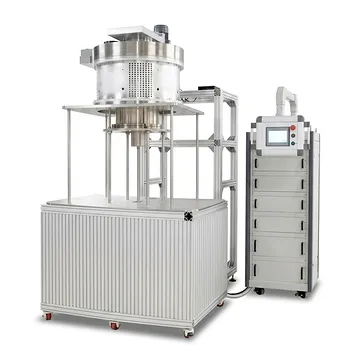
915MHz MPCVD Diamond Machine Microwave Plasma Chemical Vapor Deposition System Reactor
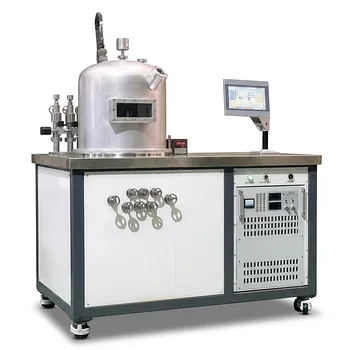
HFCVD Machine System for Nano Diamond Coating on Drawing Dies and Industrial Tools
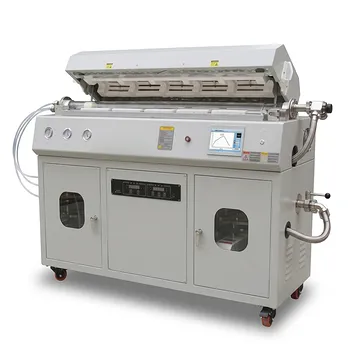
Multi Heating Zones CVD Tube Furnace System for Precision Chemical Vapor Deposition and Advanced Material Synthesis
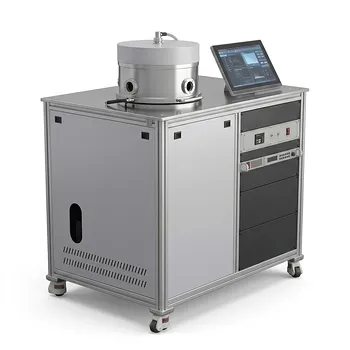
Inclined Rotary Plasma Enhanced Chemical Vapor Deposition PECVD System for Thin Film Deposition and Nanomaterial Synthesis
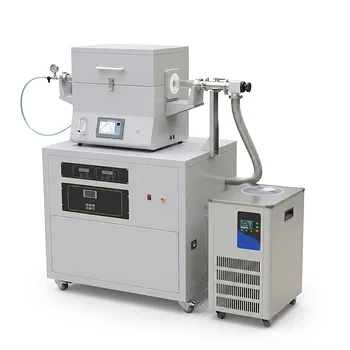
Split Chamber CVD Tube Furnace with Vacuum Station Chemical Vapor Deposition System Machine
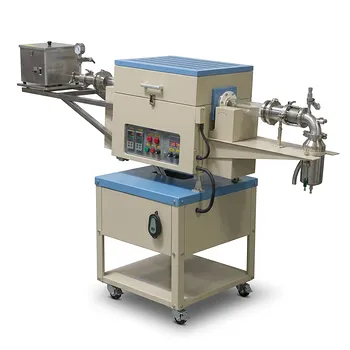
Two Zone Rotary CVD Furnace with Automatic Feeding and Receiving System for Powder Processing
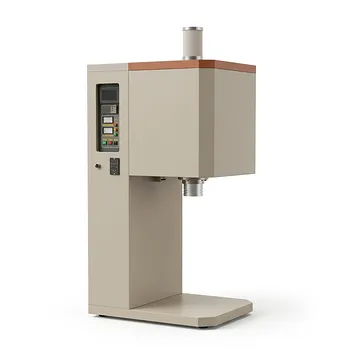
Vertical Openable Tube Furnace 0-1700c High Temperature Laboratory System for CVD and Vacuum Heat Treatment
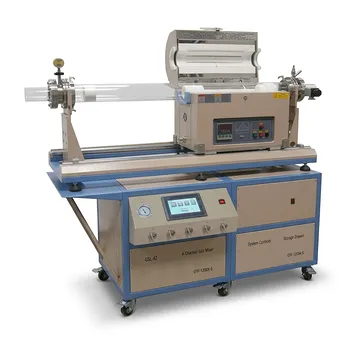
Dual Tube 100mm 80mm CVD Sliding Furnace with 4 Channel Gas Mixing and Vacuum System

High Temperature 1700C Tube Furnace with High Vacuum Turbomolecular Pump System and Multi Channel Mass Flow Controller Gas Mixer
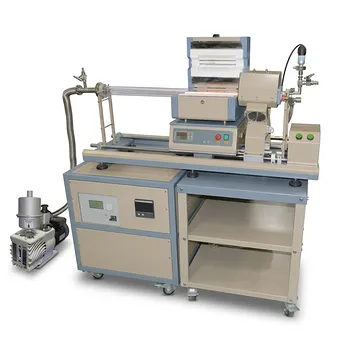
1200C Max Compact Auto-Sliding PECVD Furnace with 2 Inch Tube and Vacuum Pump
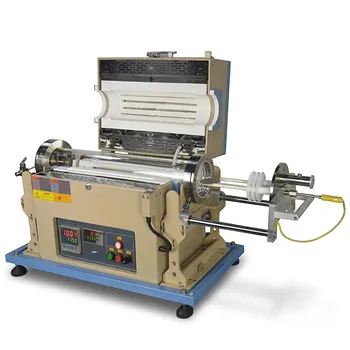
1200°C High Temperature 4 Inch Tube Furnace with Sliding Flange for CVD Systems
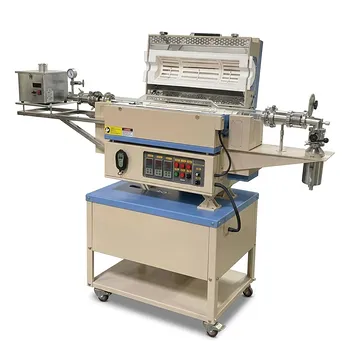
5 Inch Rotary Tube Furnace with Automatic Feeding and Receiving System 1200C Three Zone CVD Powder Processing
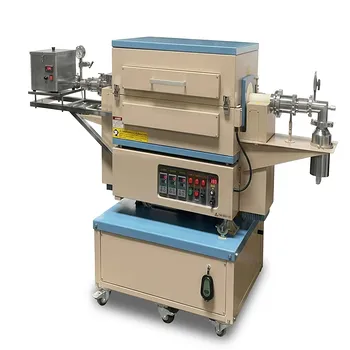
1500C 3-Zone Rotary Tube Furnace 60mm with Automatic Powder Feeding and Receiving System for Continuous Material Synthesis
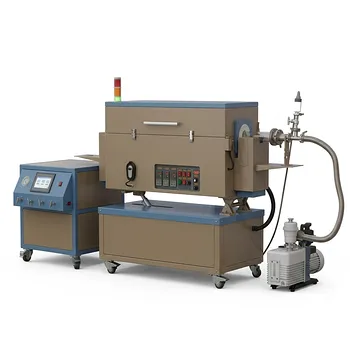
5 Inch Three Zone Rotary Tube Furnace with Integrated Gas Delivery System and 1200C Capability for Advanced Material CVD Processing
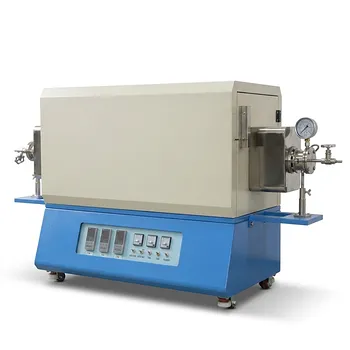
Three Temperature Zone High Temperature Vacuum Tube Furnace for CVD and Material Sintering