How does a high-performance annealing furnace ensure the distribution state of iron impurities? Master Precise Diffusion
Updated 6 months ago
A high-performance annealing furnace ensures uniform iron distribution by maintaining a stable thermal field that facilitates consistent solid-state diffusion. By operating at precise temperatures, typically around 1050 degrees Celsius, the furnace allows injected iron impurities to move through the silicon lattice until they reach a uniform concentration that matches the material's preset solubility levels.
The central mechanism for ensuring impurity uniformity is the combination of thermal stability and diffusion time, which eliminates the local concentration spikes inherent in the initial ion implantation process to create a homogenous sample.
The Role of Solid-State Diffusion in Impurity Uniformity
Achieving Equilibrium through Thermal Energy
High-performance furnaces provide the intense thermal energy required to break the bonds of "trapped" impurities and allow them to migrate. At temperatures like 1050°C, iron atoms gain the mobility needed for solid-state diffusion, moving from areas of high concentration toward areas of lower concentration.
This movement continues until the iron is distributed fully and uniformly throughout the entire bulk of the silicon wafer. This state of equilibrium is essential for researchers who need consistent starting conditions for studying complex phenomena like gettering mechanisms.
Overcoming Implantation Gradients
The initial ion implantation process often creates "hot spots" or localized layers where impurity concentrations are excessively high. A high-performance furnace uses its precise temperature control system to smooth out these imbalances.
By maintaining a consistent environment, the furnace ensures that no single area of the wafer receives more thermal energy than another. This prevents the formation of secondary imbalances and ensures the distribution state is predictable across the wafer's diameter.
Precision Control and Solubility Dynamics
Reaching Preset Solubility Levels
Solubility in silicon is highly temperature-dependent, meaning the amount of iron the silicon can "hold" changes with the heat. High-performance furnaces are designed to hit and hold a specific temperature target to ensure the iron reaches its preset solubility limit.
If the temperature fluctuates, the solubility levels change, leading to unpredictable impurity behavior. Steady-state heating ensures that the concentration of iron is not only uniform but also technically accurate according to the desired experimental or production parameters.
Enhancing Material Stability
Beyond simple movement, the annealing process helps the silicon lattice recover from the stress of implantation. Similar to how high-temperature annealing in other materials promotes grain growth or chemical bond reorganization, it ensures the silicon structure is stable enough to host the impurities without structural failure.
This stability is critical for ensuring that the iron impurities remain in their intended distribution state during subsequent processing steps. It transforms a damaged, post-implantation wafer into a stable, high-quality sample.
Understanding the Trade-offs
The Risk of Thermal Budget Overrun
While high temperatures are necessary for diffusion, staying at these temperatures for too long can exceed the thermal budget of the wafer. This may lead to the unintended diffusion of other dopants or the degradation of existing structures within the silicon.
Cooling Rate Sensitivities
The distribution achieved at high temperatures can be compromised during the cooling phase. If a furnace cools too slowly or unevenly, iron impurities may precipitate or cluster, ruining the uniformity achieved during the soaking period.
Contamination Hazards
At 1050°C, the risk of external metallic contamination is high. High-performance furnaces must use ultra-high purity environments (often involving specific gases or vacuum states) to ensure that only the intended iron impurities are being distributed, rather than atmospheric contaminants.
How to Apply This to Your Project
Making the Right Choice for Your Goal
- If your primary focus is Research Uniformity: Prioritize a furnace with the highest possible thermal field stability to ensure your initial samples have a perfectly homogenous impurity distribution.
- If your primary focus is Controlling Diffusion Depth: Focus on a system that allows for precise soaking time regulation to balance the depth of the iron distribution against the wafer's total thermal budget.
- If your primary focus is Preventing Precipitation: Ensure the furnace has a controlled, linear cooling capability to "lock" the iron impurities in their distributed state as the wafer returns to room temperature.
The key to mastering impurity distribution lies in the furnace's ability to provide a perfectly stable environment where physics-driven diffusion can correct the imbalances of mechanical implantation.
Summary Table:
| Key Mechanism | Function in Annealing | Impact on Silicon Wafer |
|---|---|---|
| Thermal Stability | Maintains a constant 1050°C environment | Eliminates local concentration spikes and hot spots |
| Solid-State Diffusion | Provides energy for atomic migration | Achieves homogenous equilibrium across the bulk |
| Solubility Control | Hits specific temperature-dependent limits | Ensures predictable and technically accurate doping |
| Linear Cooling | Regulates the temperature ramp-down | Prevents iron precipitation and clusters |
| Atmospheric Purity | Utilizes vacuum or inert gas states | Protects against external metallic contamination |
Master Your Material Research with THERMUNITS
Precision is the key to mastering impurity distribution in silicon wafers. THERMUNITS is a leading manufacturer of high-temperature laboratory equipment, providing state-of-the-art thermal processing solutions tailored for material science and industrial R&D.
Our comprehensive range includes Muffle, Vacuum, Atmosphere, Tube, and Rotary furnaces, as well as specialized CVD/PECVD systems and Vacuum Induction Melting (VIM) furnaces. By choosing THERMUNITS, you benefit from:
- Unmatched Thermal Stability: Essential for achieving preset solubility and uniform solid-state diffusion.
- Advanced Control Systems: Precise soaking time and linear cooling regulation to prevent impurity precipitation.
- Ultra-High Purity Environments: Specialized designs to eliminate the risk of atmospheric contamination during high-temperature cycles.
Whether you are focusing on gettering mechanisms or grain growth research, our equipment provides the reliability you need. Contact our technical experts today to find the perfect furnace for your laboratory!
References
- Tien T. Le, AnYao Liu. Gettering of iron by aluminum oxide thin films on silicon wafers: Kinetics and mechanisms. DOI: 10.1063/5.0182127
Mentioned Products
- High Temperature 1000C Vacuum Furnace with 8 Inch ID Chamber for Material Sintering and Research Annealing
- 1200C Five Side Heating Muffle Furnace with Sliding Door 125L Volume High Temperature Heat Treatment System for Large Scale Sintering and Annealing
- Five Side Heating Muffle Furnace High Purity Alumina Fiber 27L Chamber 1200C High Temperature Thermal Processing System for Sintering Annealing and Materials Research
- Large Bench Top 1700C High Temperature Muffle Furnace with 19L Chamber for Advanced Material Sintering and Annealing
- High Temperature Cold Wall Vacuum Furnace for Advanced Material Sintering and Annealing 1600C Heating Area 200x200x300mm
People Also Ask
- What is the function of a high-temperature vacuum furnace in Ni-Fe-Cu alloy anode preparation for OER performance?
- How does sintering furnace accuracy affect copper-graphene composites? Master Microstructure & Performance
- How does the temperature control precision of a high-temperature sintering furnace affect Na1+xLa1-xZr2O6-δ ceramics?
- How does a high-temperature sintering furnace environment enhance NdFeB magnets? Achieve 98%+ density with precision.
- What role does a high-temperature annealing furnace play in forming ordered Pt3(CoNi) intermetallic catalysts?

Tech Team · ThermUnits
Last updated on Apr 14, 2026
Related Products
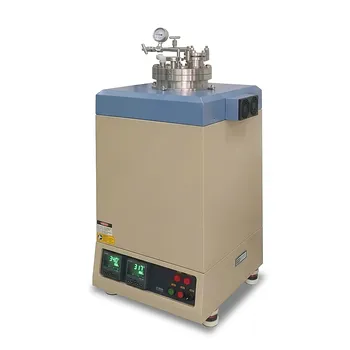
High Temperature 1000C Vacuum Furnace with 8 Inch ID Chamber for Material Sintering and Research Annealing
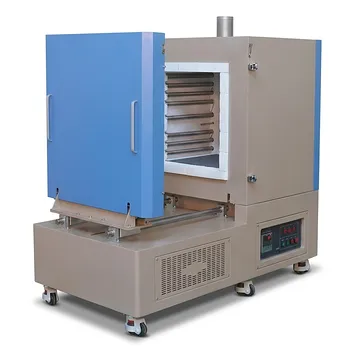
1200C Five Side Heating Muffle Furnace with Sliding Door 125L Volume High Temperature Heat Treatment System for Large Scale Sintering and Annealing
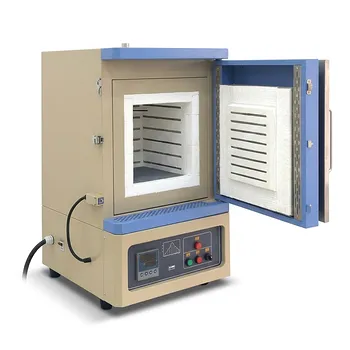
Five Side Heating Muffle Furnace High Purity Alumina Fiber 27L Chamber 1200C High Temperature Thermal Processing System for Sintering Annealing and Materials Research
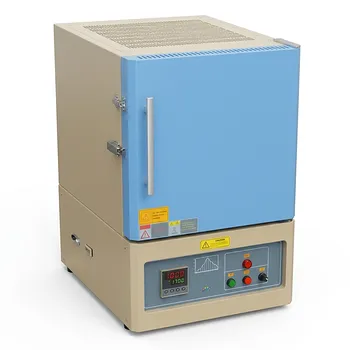
Large Bench Top 1700C High Temperature Muffle Furnace with 19L Chamber for Advanced Material Sintering and Annealing
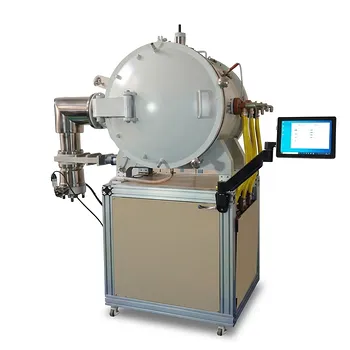
High Temperature Cold Wall Vacuum Furnace for Advanced Material Sintering and Annealing 1600C Heating Area 200x200x300mm
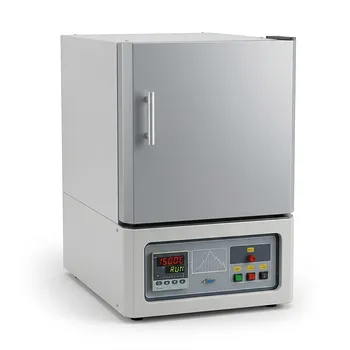
High Temperature 1500C Benchtop Muffle Furnace 3.6L Alumina Fiber Chamber Programmable Controller Sintering Annealing Carbonization Thermal Processing System
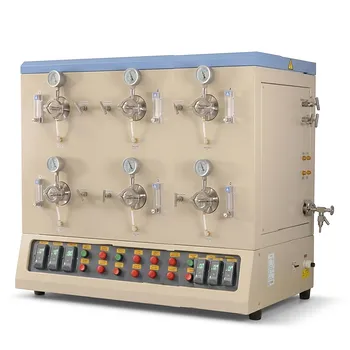
1200C High Throughput Multi Channel Tube Furnace with 50mm Quartz Tubes for Annealing and Material Phase Diagram Research
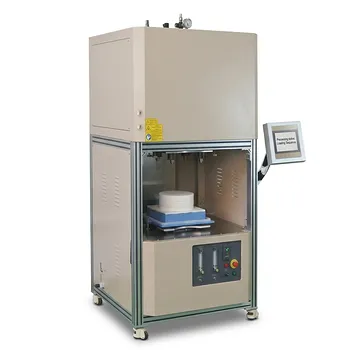
High Temperature Vertical Atmosphere Controlled Furnace with Automatic Bottom Loading and 1700°C Capacity for Advanced Material Research
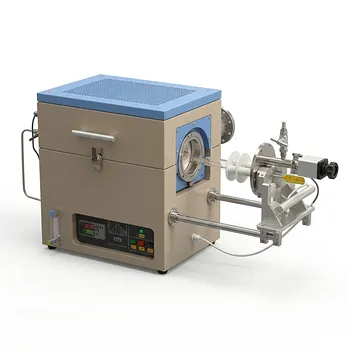
Compact Atmosphere Controlled Rapid Thermal Processing RTP Furnace with 4 Inch ID Quartz Tube 1100C
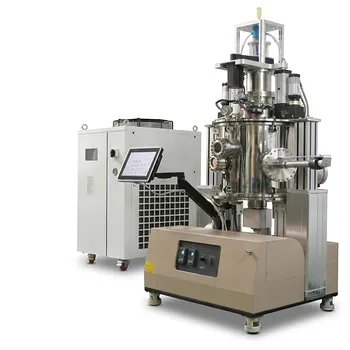
950C Rapid Thermal Processing Furnace for 12 Inch Wafer CSS Coating with Rotating Substrate Holder
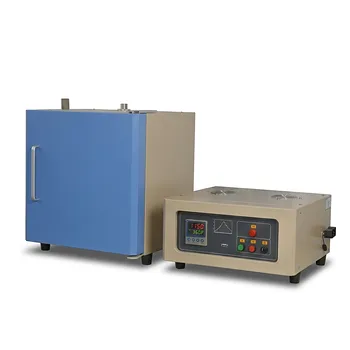
High Temperature Muffle Furnace with Alloy Chamber for Debinding and Sintering Applications
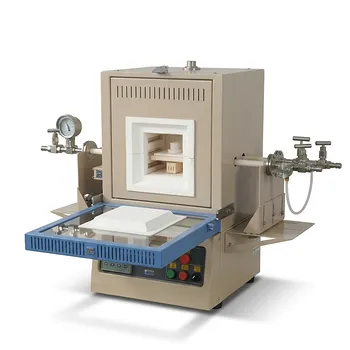
1700C Compact Hybrid Furnace with Dual Layer Box Sintering and Controlled Atmosphere Alumina Tubes
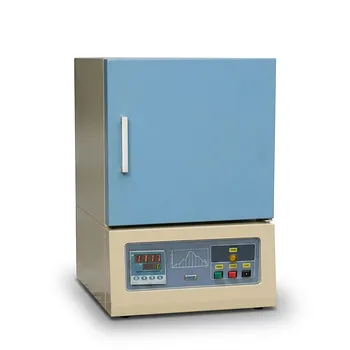
Ultra High Temperature Bench Top Muffle Furnace 1750C Sintering System with Kanthal Super Heating Elements and Precision Digital Control
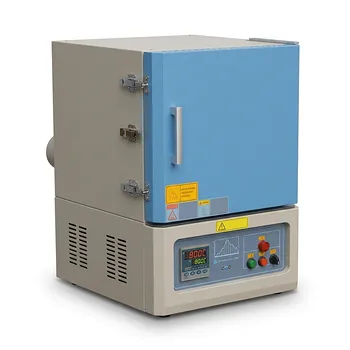
1800C Bench Top Muffle Furnace 18 Liters with Kanthal Super 1900 Heating Elements for High Purity Ceramic Sintering and Material Research
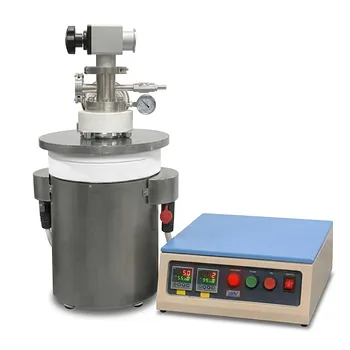
1100C High Temperature Vacuum Crucible Furnace with Quartz Chamber for Thermal Processing and Sintering
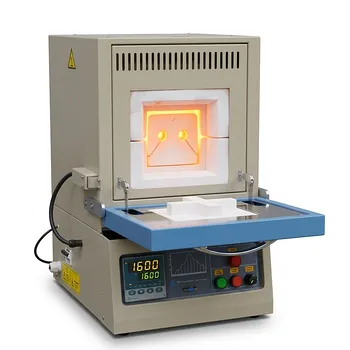
High Temperature Compact Muffle Furnace 1700 C with 30 Segment Programmable Controller and 1.7L Cubic Chamber
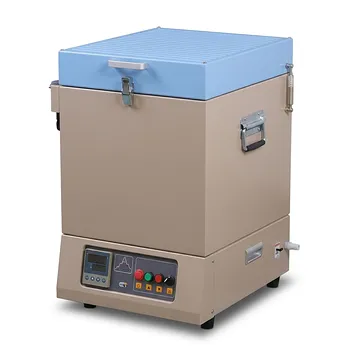
High Temperature Vertical Crucible Furnace with 22L Heating Chamber and 1200C Maximum Temperature
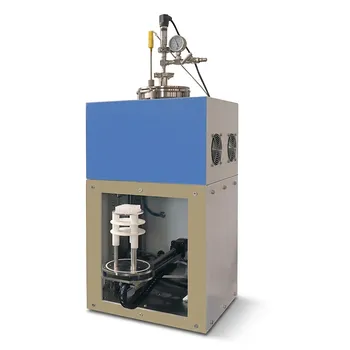
Rapid Thermal Processing RTP Atmosphere Controlled Bottom Loading Furnace 1100C High Throughput 50C per Second Heating Rate
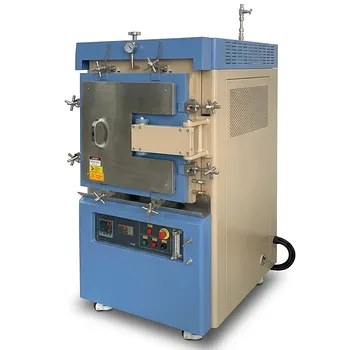
Atmosphere Controlled Muffle Furnace 1700C Maximum Temperature 80L High Capacity Vacuum Inert Gas Box Furnace