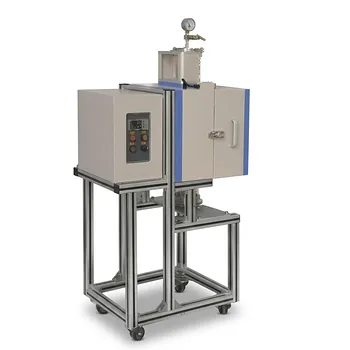
How does a high-precision tube furnace ensure accuracy in CPOM? Key to Stable Catalyst Research & Data Precision
Updated 3 months ago
High-precision tube furnaces ensure experimental accuracy by providing a strictly controlled and uniform thermal environment that stabilizes the Catalytic Partial Oxidation of Methane (CPOM). By maintaining precise temperatures between 750°C and 850°C, the furnace effectively counteracts the heat generated by this exothermic reaction. This prevents localized hotspots that would otherwise lead to catalyst degradation and compromised data.
The core value of a high-precision tube furnace in CPOM research is its ability to decouple the chemical energy release of the reaction from the target experimental temperature. This stability ensures that methane conversion rates and product selectivity reflect the catalyst's true performance rather than uncontrolled thermal fluctuations.
Mitigation of Exothermic Thermal Spikes
Preventing Localized Overheating
CPOM is an exothermic reaction, meaning it releases significant heat as methane is converted. A high-precision furnace uses advanced control systems to absorb and stabilize this energy, preventing localized overheating within the reactor tube.
Protecting Catalyst Integrity
Excessive heat within the catalyst bed can lead to sintering, where catalyst particles fuse together and lose active surface area. By maintaining a stable thermal field, the furnace protects the catalyst from high-temperature damage, ensuring that experimental data remains scientifically valid.
Maintaining Chemical Equilibrium
Precise temperature control is critical for maintaining the intended chemical equilibrium of the reaction. Fluctuations in temperature can shift the reaction path, leading to inconsistent yields of hydrogen and carbon monoxide.
Precision in Kinetic and Selectivity Analysis
Defining Methane Conversion Rates
Accurate conversion data requires a constant thermal field across the entire reaction zone. High-precision furnaces ensure that the gas mixture experiences the exact target temperature, allowing researchers to accurately measure T50 (the temperature at which 50% conversion is achieved).
Establishing Reproducible Light-off Curves
The "light-off" curve describes how a catalyst's activity increases as temperature rises. A high-precision furnace provides the stable heating rates (e.g., 10°C/min) necessary to map these curves objectively and compare different catalyst formulations.
Ensuring Data Reproducibility
Scientific validity depends on the ability to replicate results under identical conditions. A stable thermal zone eliminates the variable of thermal drift, ensuring that observations regarding product selectivity remain consistent across multiple experimental trials.
Understanding the Trade-offs and Pitfalls
Thermal Inertia and Response Times
While high-precision furnaces are stable, they possess thermal inertia, which can delay the response to sudden, massive exothermic surges. Researchers must carefully calibrate gas flow rates to ensure the furnace control system can keep pace with the reaction's heat output.
Placement of Thermocouples
A common pitfall is the improper placement of temperature sensors. If the thermocouple is not positioned precisely within the uniform thermal zone or near the catalyst bed, the furnace may report a stable temperature while the actual reaction site is experiencing a hotspot.
Atmosphere and Pressure Interference
In high-pressure simulations (e.g., 18 bar), gas density changes can alter heat transfer characteristics. The furnace must be capable of maintaining uniformity even when multi-component gas mixtures or high pressures disrupt standard convection patterns.
How to Apply This to Your Project
Recommendations Based on Research Goals
- If your primary focus is catalyst longevity: Prioritize a furnace with superior PID control and high thermal stability to eliminate the hotspots that cause sintering.
- If your primary focus is kinetic modeling: Use a furnace that guarantees a wide, uniform thermal zone to accurately map light-off curves and T50 values.
- If your primary focus is hydrogen yield stability: Select a system capable of maintaining constant temperatures while handling the high gas velocities typical of industrial simulation.
Achieving precision in CPOM experiments requires a furnace that functions not just as a heat source, but as a rigorous governor of the reaction’s thermal environment.
Summary Table:
| Feature | Impact on CPOM Experiment | Research Benefit |
|---|---|---|
| Precise PID Control | Mitigates exothermic thermal spikes | Prevents catalyst sintering & degradation |
| Thermal Uniformity | Eliminates localized hotspots | Ensures accurate T50 & conversion rates |
| Stable Heating Rates | Controlled light-off curve mapping | Enhanced data reproducibility & validity |
| Zonal Stability | Decouples reaction energy from target temp | Accurate kinetic and selectivity analysis |
Elevate Your CPOM Research with THERMUNITS Precision
Achieving scientific accuracy in high-stakes reactions like CPOM requires more than just heat—it requires rigorous thermal governance. THERMUNITS is a leading manufacturer of high-temperature laboratory equipment dedicated to material science and industrial R&D. We provide the stability your catalysts need to perform without the risk of uncontrolled thermal fluctuations.
Our comprehensive range of thermal solutions includes:
- Furnaces: High-precision Tube, Muffle, Vacuum, Atmosphere, Rotary, Hot Press, and Dental furnaces.
- Advanced Systems: CVD/PECVD systems, Electric Rotary Kilns, and Vacuum Induction Melting (VIM) furnaces.
- Components: Specialized Thermal Elements and custom heat treatment equipment.
Whether you are focusing on kinetic modeling or hydrogen yield stability, our equipment is engineered to eliminate thermal drift and protect your catalyst integrity. Contact us today to find the perfect thermal solution for your lab!
References
- İlke Ilıcak Bayraktar, Halit Eren Figen. Investigation of Partial Oxidation of Methane at Different Reaction Parameters by Adding Ni to CeO2 and ZrO2 Supported Cordierite Monolith Catalyst. DOI: 10.3390/pr12071463
Mentioned Products
- 1250C Split Tube Furnace with 3 Inch Mullite Tube and Vacuum Sealing Flanges for Precision Thermal Processing
- High Temperature Vertical Tube Furnace for Small Solid Oxide Fuel Cell Testing with Four Channel Gas Control
- 1200C Three Zone Vertical Fixed Fluidized Bed Furnace for Methane Reforming and Fischer Tropsch Reactions
- High Temperature 1700C Vertical Tube Furnace for Powder Spherification and Material Sintering
- High Temperature Dual Zone Split Tube Furnace for Advanced Atmosphere Sintering and Vacuum CVD Applications
People Also Ask
- What is the primary engineering purpose for using a customized ventilation hood when operating a split tube furnace? RCF Safety
- What are the specific advantages and use cases for a split tube furnace? Optimize Lab Efficiency & Material Research
- How does a split tube furnace contribute to the thermal stabilization of Clignin@H-TiO2? Achieve Structural Precision
- What are the advantages of using a split tube furnace for heating a catalytic reactor? Boost Efficiency and Precision
- How does a split tube furnace facilitate debinding of ceramic green bodies? Master Precise Thermal & Atmosphere Control

Tech Team · ThermUnits
Last updated on Jun 02, 2026
Related Products
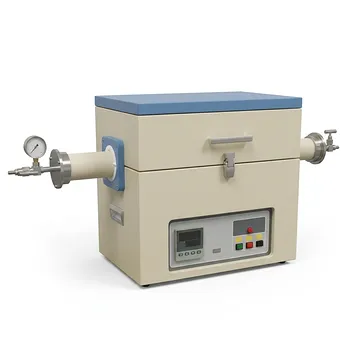
1250C Split Tube Furnace with 3 Inch Mullite Tube and Vacuum Sealing Flanges for Precision Thermal Processing
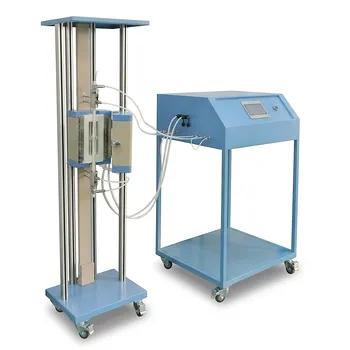
High Temperature Vertical Tube Furnace for Small Solid Oxide Fuel Cell Testing with Four Channel Gas Control
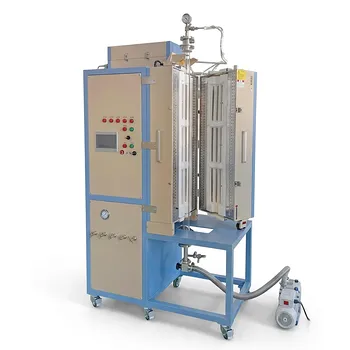
1200C Three Zone Vertical Fixed Fluidized Bed Furnace for Methane Reforming and Fischer Tropsch Reactions

High Temperature 1700C Vertical Tube Furnace for Powder Spherification and Material Sintering
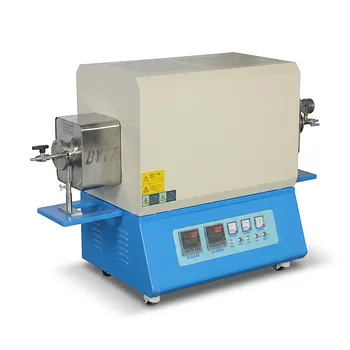
High Temperature Dual Zone Split Tube Furnace for Advanced Atmosphere Sintering and Vacuum CVD Applications

Compact High Temperature 1600C Tube Furnace with 50mm Alumina Tube and Vacuum Flanges for Material Sintering

1800C High Temperature Compact Vacuum Tube Furnace with 60mm OD Alumina Tube and Kanthal MoSi2 Heating Elements
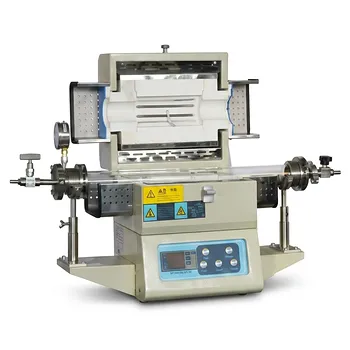
High Temperature 1200C Split Tube Furnace for CVD Research and Vacuum Atmosphere Heat Treatment
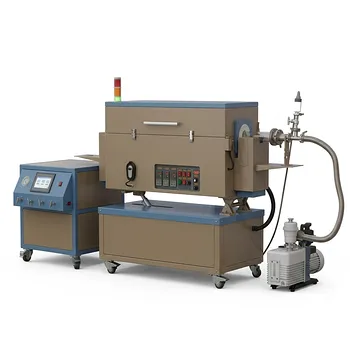
5 Inch Three Zone Rotary Tube Furnace with Integrated Gas Delivery System and 1200C Capability for Advanced Material CVD Processing
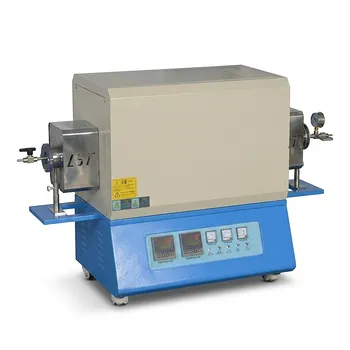
High Temperature Dual Zone Vacuum Tube Furnace for Material Research and CVD Processing
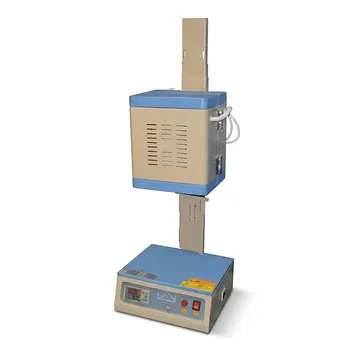
High Temperature Vertical Split Tube Furnace with PID Temperature Controller for 1 and 2 Inch Processing Tubes
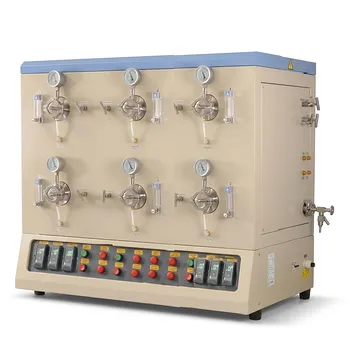
1200C High Throughput Multi Channel Tube Furnace with 50mm Quartz Tubes for Annealing and Material Phase Diagram Research

High Temperature Automated 5 Inch Tube Furnace for Autonomous Material Research and Advanced Laboratory R&D
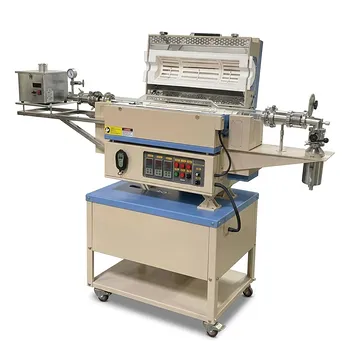
5 Inch Rotary Tube Furnace with Automatic Feeding and Receiving System 1200C Three Zone CVD Powder Processing

High Temperature 1700C Benchtop Tube Furnace with 5 Inch Heating Zone High Purity Alumina Tube and Vacuum Sealing Flanges

High Temperature 1700C Tube Furnace with High Vacuum Turbomolecular Pump System and Multi Channel Mass Flow Controller Gas Mixer
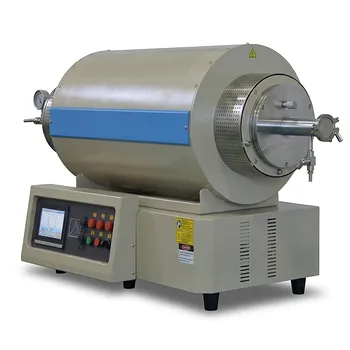
1200C Max Three Zone Tube Furnace 6 Inch OD Max with Tube and Flange
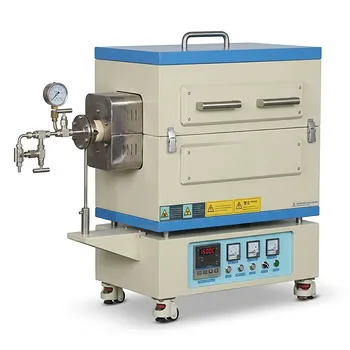
High Temperature Split Tube Furnace 1500C for Material Research Vacuum and Atmosphere Thermal Processing
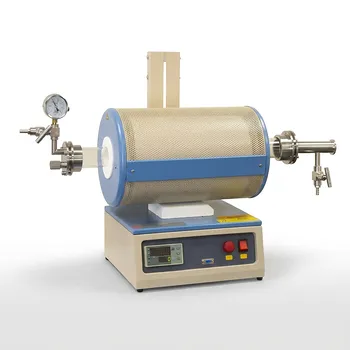
1100C Tube Furnace with Vacuum Flange and Programmable Temperature Controller for Material Science and Industrial Heat Treatment