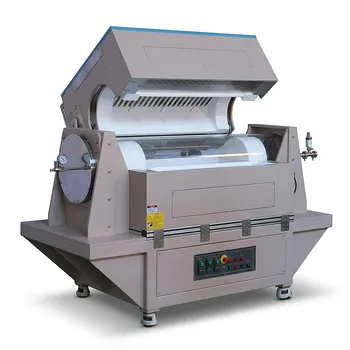
How does a high-precision tube furnace facilitate the carbonization of ZIF-8? Master Pyrolysis & Porosity.
Updated 3 months ago
A high-precision tube furnace facilitates the carbonization of ZIF-8 by providing a strictly controlled, oxygen-free thermal environment that enables the systematic pyrolysis of organic ligands. By maintaining precise heating rates and a stable inert atmosphere, the furnace ensures the metal-organic framework transforms into a nitrogen-doped carbon structure with highly developed microporous and macroporous channels.
The tube furnace acts as a specialized reactor that manages the delicate transition from a crystalline framework to a porous carbon skeleton. It ensures structural integrity by balancing the evaporation of metallic zinc with the chemical reorganization of organic precursors into a stable, functionalized matrix.
Orchestrating the Chemical Transformation
The conversion of ZIF-8 into porous carbon is not merely a heating process but a series of timed chemical events. The tube furnace provides the necessary platform to manage these kinetics through atmosphere and temperature regulation.
Creating a Controlled Inert Environment
The furnace introduces high-purity nitrogen (N2) or argon to displace all oxygen before and during the heating process. This oxygen-free state is critical because it prevents the direct combustion of the organic ligands, allowing them to undergo pyrolysis rather than burning away.
Regulating the Pyrolysis of Organic Ligands
As the furnace heats the ZIF-8, the organic imidazole ligands begin to decompose. The furnace's ability to maintain a steady heating rate (such as 3°C per minute) ensures that volatile components are released gradually, which prevents the internal pressure from rupturing the forming carbon structure.
Facilitating In-Situ Nitrogen Doping
ZIF-8 naturally contains nitrogen within its framework; the tube furnace allows this nitrogen to be "baked" into the resulting carbon skeleton. By precisely controlling the peak temperature, usually around 800°C to 1000°C, the furnace promotes the integration of nitrogen atoms into the carbon lattice, enhancing the material's catalytic and electronic properties.
Managing the Metal-to-Pore Transition
One of the unique aspects of ZIF-8 carbonization is the role of its zinc centers, which must be managed through high-temperature precision.
The Role of Zinc Evaporation
At temperatures typically exceeding 900°C, the metallic zinc within the ZIF-8 framework begins to evaporate. The tube furnace provides the sustained high heat necessary to remove this zinc, which leaves behind a rich network of pores that contribute to the material's high surface area.
Preservation of Hierarchical Porosity
The stability of the heating profile directly impacts whether the resulting carbon is "developed" or "collapsed." High-precision furnaces prevent temperature fluctuations that could lead to the sintering of pores, ensuring that both microporous and macroporous channels remain open and functional.
Structural Graphitization
Under specific conditions, such as the introduction of local catalysts or higher temperatures, the furnace facilitates the reorganization of amorphous carbon into more ordered, graphitic structures. This transition is essential for improving the electrical conductivity of the resulting porous carbon material.
Understanding the Trade-offs
While the tube furnace is essential for high-quality carbonization, there are critical trade-offs to consider during the process.
Heating Rate vs. Structural Integrity: A heating rate that is too fast (e.g., >20°C/min) can cause the rapid release of gases, leading to the collapse of the microscopic pore structure. Conversely, an excessively slow rate may lead to unnecessary energy consumption and potentially lower throughput without significant gains in material quality.
Temperature vs. Nitrogen Content: There is an inverse relationship between carbonization temperature and nitrogen retention. While higher temperatures (900°C+) are better for removing zinc and increasing porosity, they often result in lower nitrogen doping levels as the nitrogen atoms are driven off as gas.
Gas Flow Rate vs. Uniformity: High gas flow rates ensure a clean, inert environment but can cause temperature gradients across the sample. Finding the balance is necessary to ensure that the ZIF-8 at the center of the crucible is carbonized identically to the material on the edges.
How to Apply This to Your Project
To achieve the best results when carbonizing ZIF-8, you must align your furnace settings with your specific material requirements.
- If your primary focus is maximizing surface area: Set the furnace to a higher temperature (900°C–1000°C) to ensure the complete evaporation of zinc and the opening of all latent pores.
- If your primary focus is high nitrogen doping: Keep the carbonization temperature at the lower end of the spectrum (700°C–800°C) and use a slower heating rate to preserve the nitrogen atoms within the framework.
- If your primary focus is structural conductivity: Utilize a high-precision profile that reaches at least 900°C under a continuous flow of argon to promote the formation of graphitic carbon layers.
By mastering the thermal and atmospheric precision of the tube furnace, you can transform ZIF-8 into a highly specialized porous carbon tailored for your specific application.
Summary Table:
| Process Step | Furnace Role | Material Outcome |
|---|---|---|
| Inert Atmosphere | Displaces oxygen with N2/Argon | Prevents combustion; enables clean pyrolysis |
| Controlled Heating | Precise ramp rates (e.g., 3°C/min) | Maintains structural integrity; prevents pore collapse |
| High-Temp Dwelling | Sustained heat (900°C - 1000°C) | Facilitates zinc evaporation and hierarchical porosity |
| Thermal Precision | Stable nitrogen-doping environment | Enhances catalytic and electronic properties |
Advanced Thermal Solutions for Material Science
As a leading manufacturer of high-temperature laboratory equipment, THERMUNITS empowers researchers to achieve peak performance in material synthesis. Whether you are carbonizing MOFs like ZIF-8 or developing next-gen catalysts, our comprehensive range of thermal solutions—including high-precision Tube Furnaces, Vacuum & Atmosphere Furnaces, CVD/PECVD systems, Rotary Kilns, and Vacuum Induction Melting Furnaces (VIM)—provides the precision and stability your R&D demands.
Unlock the full potential of your porous carbon research with THERMUNITS. Contact our experts today to find the perfect heat treatment solution for your lab!
References
- Xiaobo Han, Shicheng Zhang. ZIF-8-Based Nitrogen and Monoatomic Metal Co-Doped Pyrolytic Porous Carbon for High-Performance Supercapacitor Applications. DOI: 10.3390/nano14161367
Mentioned Products
- High Temperature Dual Zone Rotating Tube Furnace 1500C Silicon Carbide Heating for Advanced Material Synthesis
- 900°C Max Rotary Tube Furnace with 8 Inch 310S Alloy Tube and Optional Multi Zone Heating for Industrial Material Calcination
- 1500C Eight Zone Split Tube Furnace for Thermal Gradient Processing and Advanced Material Research
- Compact Hybrid Muffle and Tube Furnace for 1000C Controlled Atmosphere Laboratory Material Sintering
- 1100°C High Temperature Quartz Chamber Furnace 8 Inch OD with 7.6 Liter Capacity and Vacuum Atmosphere Capability
People Also Ask
- What is the function of CVD furnaces in graphene prep? Enhancing Photodetector Charge Transport
- Why use CVD and a tube furnace for Pd3P0.95/NC catalyst phosphidation? Ensure high phase purity and performance.
- CVD Tube Furnace Advantages for Pd-P Catalyst Durability: Precision Control for 40,000+ Cycles
- How does a rotary tube furnace improve the processing of granular materials? Enhance Uniformity and Reaction Kinetics
- How does a Chemical Vapor Deposition (CVD) tube furnace facilitate synchronized nitridation? Precision Nano-Engineering.

Tech Team · ThermUnits
Last updated on Jun 03, 2026
Related Products
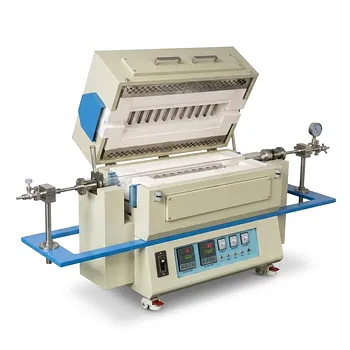
High Temperature Dual Zone Rotating Tube Furnace 1500C Silicon Carbide Heating for Advanced Material Synthesis
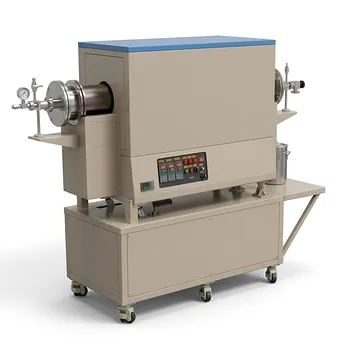
900°C Max Rotary Tube Furnace with 8 Inch 310S Alloy Tube and Optional Multi Zone Heating for Industrial Material Calcination
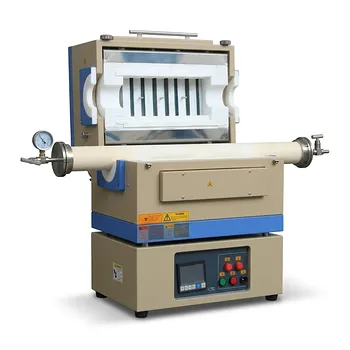
1500C Eight Zone Split Tube Furnace for Thermal Gradient Processing and Advanced Material Research
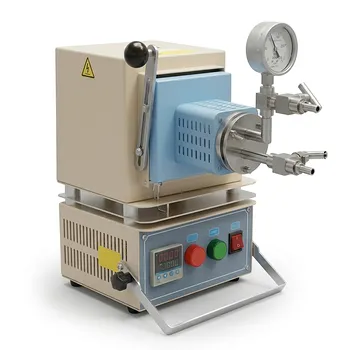
Compact Hybrid Muffle and Tube Furnace for 1000C Controlled Atmosphere Laboratory Material Sintering

1100°C High Temperature Quartz Chamber Furnace 8 Inch OD with 7.6 Liter Capacity and Vacuum Atmosphere Capability

High Temperature 1700C Vertical Tube Furnace for Powder Spherification and Material Sintering

Compact High Temperature 1600C Tube Furnace with 50mm Alumina Tube and Vacuum Flanges for Material Sintering
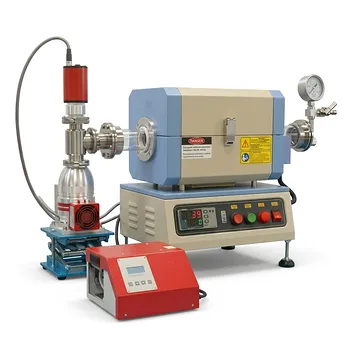
High Vacuum Compact Tube Furnace 1200C with Integrated Turbo Pump System and 8 Inch Heating Zone
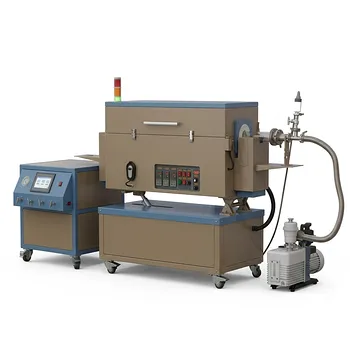
5 Inch Three Zone Rotary Tube Furnace with Integrated Gas Delivery System and 1200C Capability for Advanced Material CVD Processing
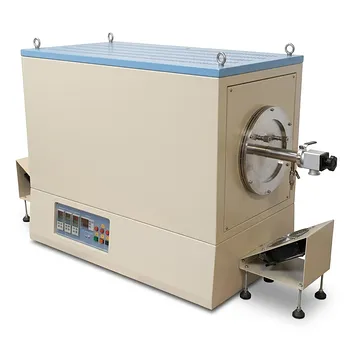
Four Zone Tube Furnace 1100C with 600mm Large Diameter Quartz Tube and Vacuum Flanges
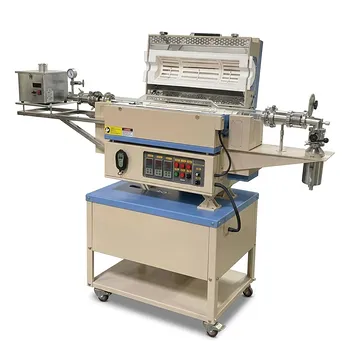
5 Inch Rotary Tube Furnace with Automatic Feeding and Receiving System 1200C Three Zone CVD Powder Processing
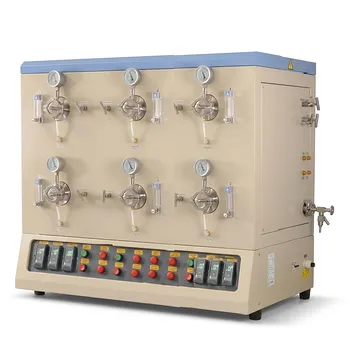
1200C High Throughput Multi Channel Tube Furnace with 50mm Quartz Tubes for Annealing and Material Phase Diagram Research

High Temperature Automated 5 Inch Tube Furnace for Autonomous Material Research and Advanced Laboratory R&D
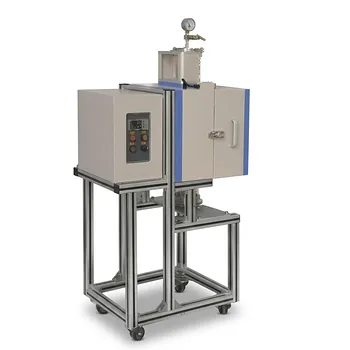
1200°C 5 Inch Vertical Quartz Tube Furnace with Stainless Steel Vacuum Flanges
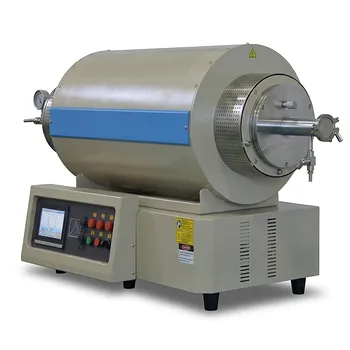
1200C Max Three Zone Tube Furnace 6 Inch OD Max with Tube and Flange
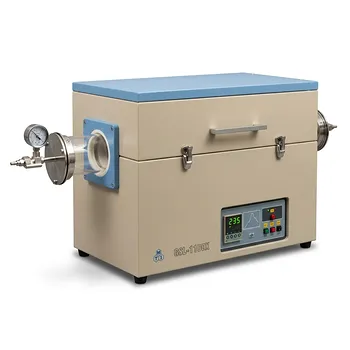
Single Zone Tube Furnace 5 Inch Quartz Tube 36 Inch Heating Zone Vacuum Flanges
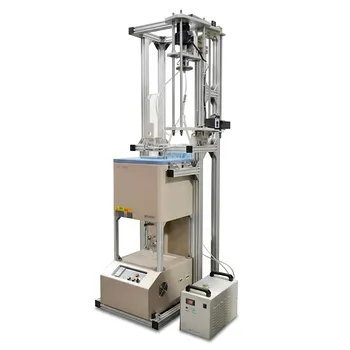
500C Vacuum Vertical Tube Furnace 84mm OD Sample Rotation Lifting System

1100C Tube Furnace with Vacuum Flange and Programmable Temperature Controller for Material Science and Industrial Heat Treatment

Vertical 1700C Vacuum and Atmosphere Tube Furnace with 80mm Alumina Tube