How does a high-pressure H2/Ar atmosphere furnace facilitate TiO2-OV? Optimize reduction for visible light sensitivity.
Updated 3 months ago
High-pressure atmosphere furnaces facilitate the preparation of oxygen-vacancy-rich titanium dioxide ($TiO_2$-OV) by providing a strictly controlled reduction environment. Specifically, the furnace utilizes a 5% hydrogen ($H_2$) and argon ($Ar$) gas mixture at 500 °C to trigger a chemical reaction where hydrogen atoms extract oxygen from the $TiO_2$ lattice. This process leaves behind stable oxygen vacancies that function as defect states, narrowing the material’s bandgap and significantly improving its ability to absorb visible light.
Core Takeaway: A high-pressure atmosphere furnace creates $TiO_2$-OV by using a hydrogen-rich reduction process to physically strip oxygen atoms from the crystal lattice, transforming the material's electronic structure to enhance visible light sensitivity.
The Mechanism of Lattice Modification
Chemical Reduction and Oxygen Extraction
The primary function of the furnace is to maintain a high-temperature reduction environment. At 500 °C, the introduced 5% $H_2/Ar$ mixture becomes chemically active.
Hydrogen atoms interact with the surface and near-surface of the titanium dioxide. This interaction results in the extraction of oxygen atoms, which combine with hydrogen to form water vapor, leaving "holes" or oxygen vacancies in the crystalline structure.
Formation of Defect States
These vacancies are not mere gaps; they represent a fundamental change in the material's electronic profile. The vacancies create defect states within the previously wide bandgap of $TiO_2$.
By introducing these states, the energy required for an electron to jump from the valence band to the conduction band is lowered. This narrowing of the bandgap allows the material to capture energy from the visible light spectrum, rather than just ultraviolet light.
Precision Control in Thermal Processing
Temperature Regulation and Phase Stability
The high-pressure furnace provides precise temperature control, which is critical for maintaining the desired crystal phase. For instance, while calcination at 400°C–600°C in other furnaces might focus on removing water or organic ligands, the 500 °C setting in a reduction furnace is optimized for vacancy creation.
Proper temperature management ensures that the $TiO_2$ maintains its structural integrity. If the temperature is too low, the reduction is insufficient; if too high, the crystal lattice may collapse or transform into a less desirable phase.
Pressure and Gas Homogeneity
A high-pressure atmosphere ensures that the $H_2/Ar$ mixture is uniformly distributed across the precursor material. This creates a consistent density of oxygen vacancies throughout the batch.
In contrast to standard muffle furnaces that operate in oxygen-rich environments to remove organic components, the atmosphere tube furnace provides the "protection" or "reduction" environment necessary for specific chemical transitions like sulfurization or pyrolysis.
Understanding the Trade-offs
Reduction Depth vs. Structural Integrity
While increasing the concentration of hydrogen or the temperature can increase the number of oxygen vacancies, there is a diminishing return. Excessive reduction can lead to the formation of metallic titanium or the total loss of the $TiO_2$ semiconductor properties.
Atmospheric Sensitivity
The use of hydrogen necessitates stringent safety protocols and high-precision equipment. Unlike air-based calcination, any leak in an atmosphere furnace can lead to oxidation, which would immediately "fill" the vacancies being created, negating the entire modification process.
Porosity vs. Vacancy Density
In many synthesis routes, there is a trade-off between surface area and vacancy stability. While muffle furnaces are excellent for creating porous structures via thermal decomposition, the high-pressure reduction furnace is required to change the internal electronic chemistry of those pores.
How to Apply This to Your Project
Making the Right Choice for Your Goal
The choice of furnace and atmosphere depends entirely on the specific properties you wish to impart to your titanium dioxide.
- If your primary focus is increasing visible light harvesting: Use a high-pressure atmosphere furnace with a 5% $H_2/Ar$ mixture at 500 °C to induce stable oxygen vacancies.
- If your primary focus is creating a high surface area (porosity): Utilize a muffle furnace at 400°C–600°C to drive out water molecules and organic precursors through calcination.
- If your primary focus is nitrogen-doped carbon coating: Opt for a high-temperature tube furnace under pure argon protection to pyrolyze organic frameworks like MIL-125.
- If your primary focus is catalyst reduction and spillover effects: Employ a tube furnace with a higher hydrogen concentration (e.g., 60% $H_2/Ar$) at lower temperatures (e.g., 280°C).
By precisely matching the furnace atmosphere and temperature to the desired molecular change, you can engineer $TiO_2$ with the exact electronic and structural properties required for advanced photocatalytic or electrochemical applications.
Summary Table:
| Feature | Operational Detail | Effect on TiO2-OV Preparation |
|---|---|---|
| Gas Environment | 5% Hydrogen ($H_2$) / Argon ($Ar$) | Physically extracts oxygen atoms to create lattice vacancies. |
| Temperature | Precisely controlled at 500 °C | Facilitates reduction while maintaining crystal phase stability. |
| Pressure | High-pressure uniform flow | Ensures consistent vacancy density across the material batch. |
| Electronic Shift | Bandgap Narrowing | Creates defect states that allow for visible light absorption. |
| Output | Stable Oxygen Vacancies | Enhances photocatalytic and electrochemical performance. |
Advance Your Material R&D with THERMUNITS Expertise
Precision is the difference between a failed experiment and a breakthrough in material science. THERMUNITS is a leading manufacturer of high-precision thermal processing solutions designed specifically for demanding industrial R&D and laboratory environments.
Our extensive range of equipment empowers researchers to achieve exact atmospheric control for complex processes like oxygen vacancy creation and lattice modification:
- Specialized Furnaces: Atmosphere, Vacuum, Tube, Muffle, and Rotary furnaces.
- Advanced Systems: CVD/PECVD systems, Hot Press furnaces, and Vacuum Induction Melting (VIM) units.
- Specialty Equipment: Dental furnaces, electric rotary kilns, and premium Thermal Elements.
Whether you are focusing on photocatalysis, semiconductor doping, or advanced thermal decomposition, THERMUNITS provides the reliability and uniform heating your project deserves.
Ready to optimize your material synthesis?
Contact our technical team today to find the perfect thermal solution for your laboratory.
References
- Junwu Zhu, Mengxia Ji. Graphite Carbon Nitride Accelerating Interfacial Electron Transfer of Defect-Rich TiO2 for N2 Photofixation. DOI: 10.3390/catal15010019
Mentioned Products
- 1200C Hydrogen Atmosphere Box Furnace with 5 Heated Sides and 64L Chamber
- High Temperature Hydrogen Atmosphere Box Furnace 1650C Max Reducing Environment Material Synthesis System 8x8x8 Chamber
- High Temperature Economic Hydrogen Gas Box Furnace 1600C Atmosphere Controlled Thermal Processing System 65L Capacity
- 1100C Hydrogen Gas Atmosphere Tube Furnace with 5 Inch Fused Quartz Tube and Integrated Safety Monitoring System
- High Temperature 1000C Hydrogen Vertical Quenching Furnace with 4 Inch Stainless Steel Tube
People Also Ask
- How does a box atmosphere furnace contribute to the pre-oxidation of MS-SOECs? Enhance Durability & Efficiency.
- How does a programmable Box Furnace facilitate the curing of silver inks? Expert Thermal Control for Silicon Substrates
- How does a box furnace facilitate the conversion of precursors in catalyst impregnation processes? Master Calcination
- What is the role of a high-temperature box furnace in the solid-state synthesis of Europium-doped M3MgSi2O8 phosphors?
- How are electric heating elements designed to operate within carburizing atmospheres? Top Design Strategies Revealed

Tech Team · ThermUnits
Last updated on Jun 02, 2026
Related Products
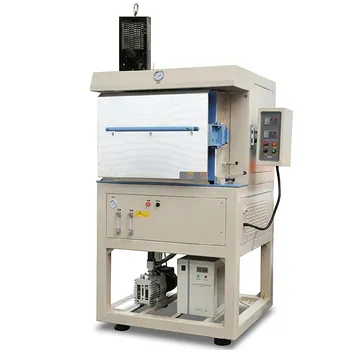
1200C Hydrogen Atmosphere Box Furnace with 5 Heated Sides and 64L Chamber
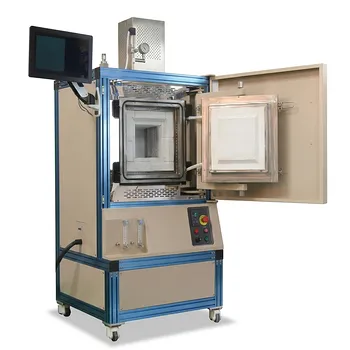
High Temperature Hydrogen Atmosphere Box Furnace 1650C Max Reducing Environment Material Synthesis System 8x8x8 Chamber
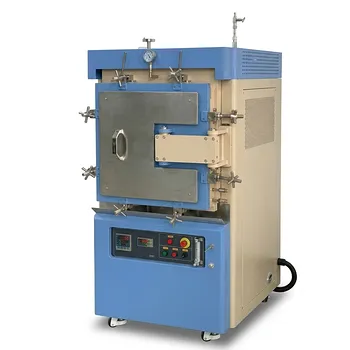
High Temperature Economic Hydrogen Gas Box Furnace 1600C Atmosphere Controlled Thermal Processing System 65L Capacity
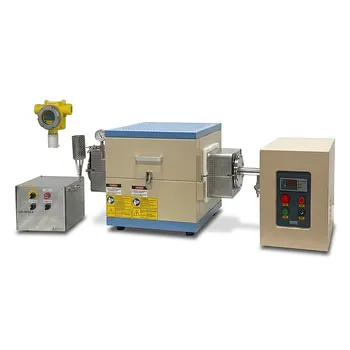
1100C Hydrogen Gas Atmosphere Tube Furnace with 5 Inch Fused Quartz Tube and Integrated Safety Monitoring System
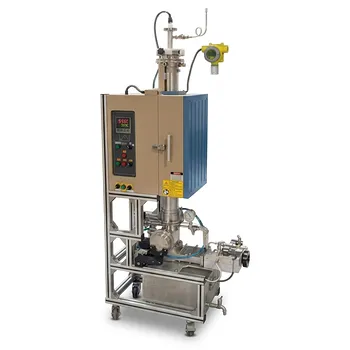
High Temperature 1000C Hydrogen Vertical Quenching Furnace with 4 Inch Stainless Steel Tube
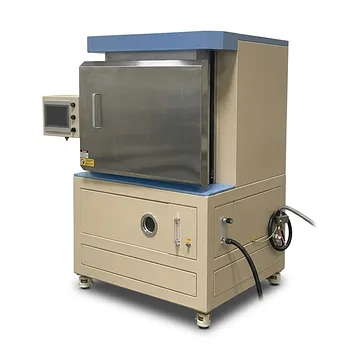
1650C High Temperature Atmosphere Controlled Box Furnace with 65L Chamber for Advanced Material Sintering and Industrial Heat Treatment
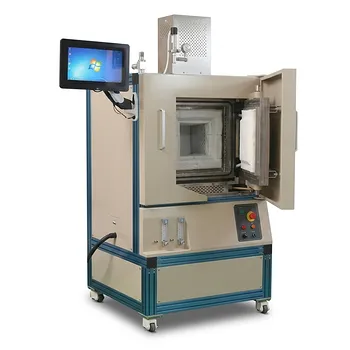
High Temperature Oxygen and Inert Atmosphere Controlled Furnace 8 Liter 1700C Sintering System for Advanced Materials RD
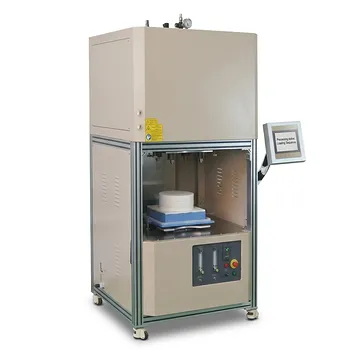
High Temperature Vertical Atmosphere Controlled Furnace with Automatic Bottom Loading and 1700°C Capacity for Advanced Material Research
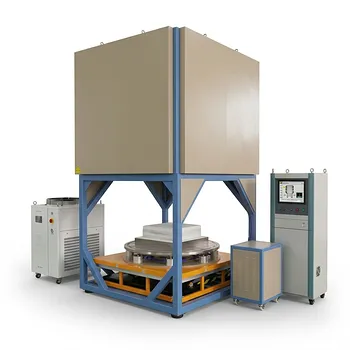
Bottom Loaded Inert Gas Atmosphere Box Furnace 1700C 1300C 216L Large Capacity Industrial Thermal Processing System
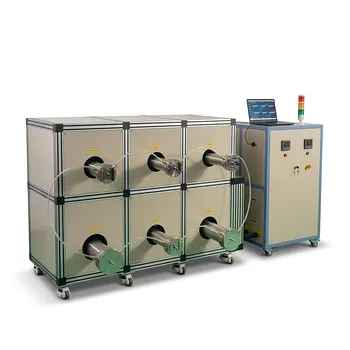
1200C Max 6 Channel High Cleanliness Hydrogen Furnace for High Throughput Annealing
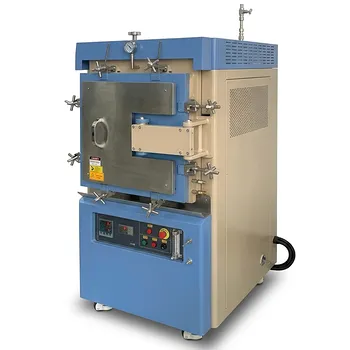
Atmosphere Controlled Muffle Furnace 1700C Maximum Temperature 80L High Capacity Vacuum Inert Gas Box Furnace
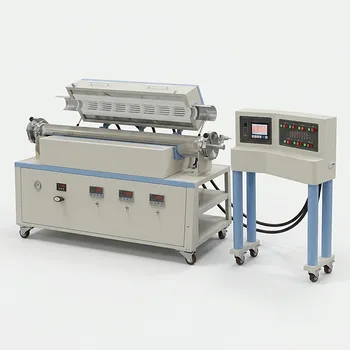
1100C Eight Zone High Pressure Super Alloy Tube Furnace with Integrated High Pressure Gas Control System
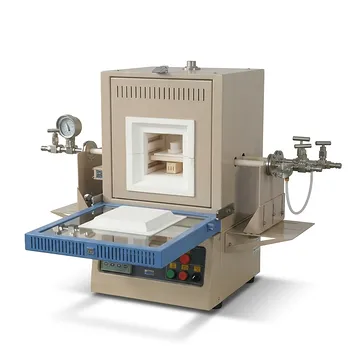
1700C Compact Hybrid Furnace with Dual Layer Box Sintering and Controlled Atmosphere Alumina Tubes
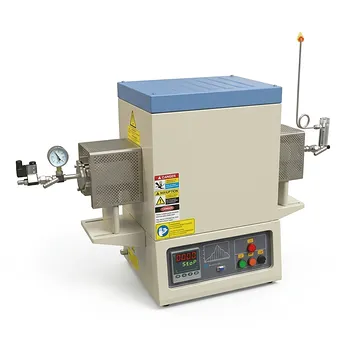
1700C Hydrogen Gas Tube Furnace with 60mm Alumina Process Tube and Integrated Hydrogen Safety Detector
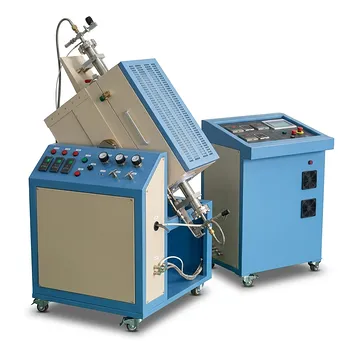
1100C High Pressure Rocking Tube Furnace with 2 Inch Super Alloy Processing Tube for Material Synthesis
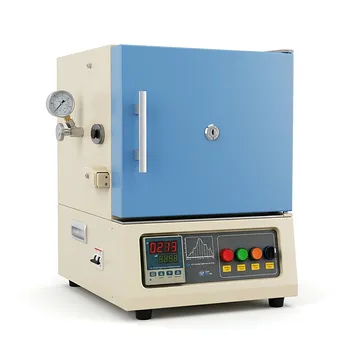
1200C Hybrid Muffle and Tube Furnace for Material Research with Dual Atmosphere Control Quartz Tubes
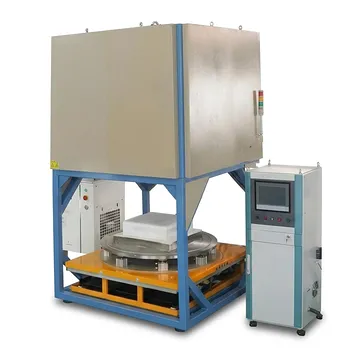
Bottom Loaded Inert Gas Atmosphere Box Furnace 1400C Maximum Temperature 125L High Capacity Laboratory Heat Treatment System
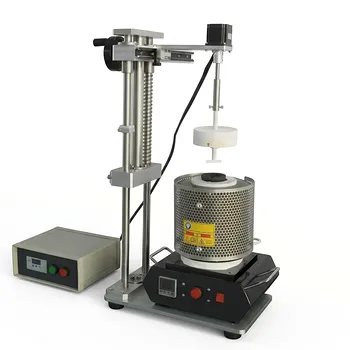
1100C Crucible Melting Furnace with Stirring Function for Glovebox and Air Sensitive Alloy Research
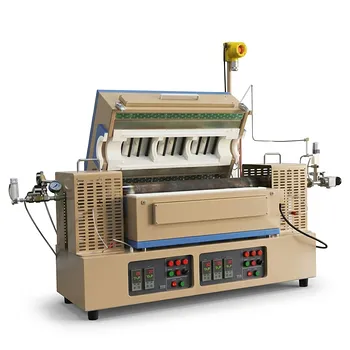
Three Zone Hydrogen Gas Tube Furnace with 82mm Superalloy Tube and Dual Hydrogen Detectors 1200C High Temperature Material Processing System
