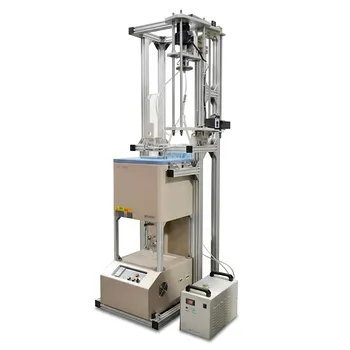
How does a high-temperature horizontal tube furnace simulate the Waelz process? Precision R&D for Zinc Extraction
Updated 3 months ago
The high-temperature horizontal tube furnace simulates the Waelz process by creating a controlled micro-environment that mimics the dual thermal and atmospheric conditions of an industrial rotary kiln. It maintains a stable 1100°C environment under a constant nitrogen flow, facilitating the carbothermic reduction of willemite concentrate by solid carbon. This specific configuration allows for the quantitative export of generated zinc vapor from the reaction zone, enabling researchers to measure extraction efficiency with high precision.
A laboratory-scale tube furnace acts as a high-fidelity proxy for industrial metallurgical reactors by isolating chemical kinetics from mechanical variables. It provides the necessary thermal equilibrium and inert atmosphere to study the volatilization of zinc and the impact of additives on reaction thresholds.
Replicating the Industrial Thermal Environment
Achieving the 1100°C Equilibrium
The Waelz process requires specific thermal conditions to trigger the endothermic reduction of zinc silicate. The horizontal tube furnace provides a stable thermal zone targeting 1100°C, which is the standard benchmark for simulating the active reduction zone of an industrial kiln.
High-Precision Temperature Control
Because zinc extraction rates increase sharply with even minor temperature fluctuations, an automatic temperature controller is used to maintain strict consistency. This precision is vital for capturing subtle process variations and ensuring that experimental results are repeatable across different batches of willemite concentrate.
Lowering Initiation Thresholds
Research indicates that certain additives, such as calcium oxide, can lower the reduction start temperature by approximately 60°C. The furnace's controlled environment allows scientists to observe these shifts in the reaction threshold, providing a theoretical basis for reducing the energy requirements of large-scale industrial operations.
Precise Atmosphere and Vapor Management
Constant Nitrogen Flow
To simulate the gas-flow dynamics of a kiln while preventing unwanted oxidation, the furnace utilizes a constant nitrogen atmosphere. This inert flow ensures that the carbothermic reduction remains the primary chemical driver, uninfluenced by atmospheric oxygen that would otherwise re-oxidize the zinc.
Facilitating Zinc Vapor Export
A critical component of the Waelz process is the volatilization of zinc. The horizontal tube furnace enables the generated zinc vapor to be swept away from the reaction zone, allowing for its capture and subsequent analysis of extraction efficiency.
Microscopic Phase Analysis
By heat-treating samples within the furnace, researchers can perform offline phase analysis using techniques like X-ray diffraction (XRD). This reveals the microscopic mechanisms of how minerals transition from a solid state to a volatile alloy state, which is nearly impossible to observe directly in a full-scale kiln.
Understanding the Trade-offs
Static vs. Dynamic Conditions
One significant limitation of the tube furnace is the lack of mechanical agitation. While an industrial rotary kiln constantly tumbles the material to ensure uniform heat transfer, the tube furnace is a static environment where reaction rates may be limited by the surface area contact between carbon and willemite.
Scale and Kinetics
Laboratory simulations focus on intrinsic kinetics rather than transport phenomena. While the furnace provides excellent data on chemical reactions, it cannot fully replicate the heat loss or the complex gas-solid contact patterns found in large-scale industrial hardware.
Fluxing and Crucible Interaction
At high temperatures, the furnace environment can cause interactions between the sample and the container. Using materials like platinum or specialized ceramics is often necessary to prevent sample contamination, a factor that is less critical in the refractory-lined walls of a massive industrial kiln.
How to Apply This to Your Project
Once the laboratory simulation provides the necessary data, these insights can be used to calibrate industrial settings for maximum throughput and mineral recovery.
- If your primary focus is maximizing zinc extraction rates: Target the 1100°C equilibrium point while utilizing high-precision controllers to avoid energy waste.
- If your primary focus is lowering operational costs: Use the furnace to test "fluxing agents" like calcium oxide that can lower the reaction's initiation temperature.
- If your primary focus is atmospheric stability: Maintain a constant inert gas flow to ensure that zinc vapor is successfully exported from the hot zone without re-oxidizing.
By bridging the gap between raw mineral chemistry and industrial output, the high-temperature tube furnace provides the empirical foundation required to optimize complex metallurgical recovery processes.
Summary Table:
| Feature | Laboratory Tube Furnace | Industrial Rotary Kiln |
|---|---|---|
| Temperature Control | High precision (±1°C) | Broad range (variable zones) |
| Atmosphere | Controlled (e.g., Nitrogen) | Process gases/Combustion |
| Material State | Static (intrinsic kinetics) | Dynamic (mechanical tumbling) |
| Primary Goal | Quantitative analysis & XRD | High-throughput production |
| Key Outcome | Zinc vapor export & recovery | Bulk mineral recovery |
Elevate Your Metallurgical Research with THERMUNITS
As a leading manufacturer of high-temperature laboratory equipment for material science and industrial R&D, THERMUNITS provides the precision required to simulate complex industrial processes like the Waelz reduction.
Our comprehensive range of thermal processing solutions includes:
- Muffle, Vacuum, Atmosphere, and Tube Furnaces
- Rotary and Hot Press Furnaces
- CVD/PECVD Systems and Dental Furnaces
- Electric Rotary Kilns and Vacuum Induction Melting (VIM) Furnaces
- Thermal Elements and Heat Treatment Equipment
Whether you are optimizing zinc extraction rates or testing new fluxing agents, our equipment delivers the thermal equilibrium and atmospheric stability necessary for repeatable, high-fidelity results. Contact our technical experts today to discuss how our specialized furnaces can accelerate your mineral and material development projects.
References
- Vitória Silva Coimbra, Victor de Alvarenga Oliveira. Carbothermic reduction of a willemite concentrate for use in the Waelz process. DOI: 10.17159/2411-9717/2516/2023
Mentioned Products
- Ten Zone Multi Orientation Laboratory Tube Furnace for 1200C High Temperature Gradient Thermal Processing
- High Temperature 1700C Vertical Tube Furnace for Powder Spherification and Material Sintering
- Multi Position Tube Furnace 1100C for Laboratory Material Research and Advanced Industrial Thermal Processing
- High Temperature 1700C Vertical Split Tube Furnace for Material Quenching and Single Crystal Growth
- High Temperature Tube Furnace 1500C with Sliding Flanges and 50mm OD for Rapid Thermal Processing Fast Heating and Cooling
People Also Ask
- What are the technical advantages of using a multi-zone independently controlled tube furnace in the modified USP process?
- Role of multi-zone tube furnaces in CVD growth of 2D materials? Optimize Precise Single-Crystal Thermal Control.
- How does a multi-zone tube furnace facilitate the synthesis of two-dimensional alpha-Ga2Se3 crystals? Precision Growth
- What is the role of a multi-zone tube furnace in material science research? Mastering Precise Temperature Gradients
- What key role does a laboratory high-temperature tube furnace play in the production of carbon nanofibers? Guide

Tech Team · ThermUnits
Last updated on Jun 02, 2026
Related Products
Ten Zone Multi Orientation Laboratory Tube Furnace for 1200C High Temperature Gradient Thermal Processing

High Temperature 1700C Vertical Tube Furnace for Powder Spherification and Material Sintering
Multi Position Tube Furnace 1100C for Laboratory Material Research and Advanced Industrial Thermal Processing
High Temperature 1700C Vertical Split Tube Furnace for Material Quenching and Single Crystal Growth

High Temperature Tube Furnace 1500C with Sliding Flanges and 50mm OD for Rapid Thermal Processing Fast Heating and Cooling

Compact High Temperature 1600C Tube Furnace with 50mm Alumina Tube and Vacuum Flanges for Material Sintering
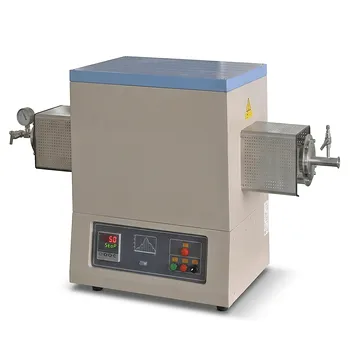
High Temperature 1700C Tube Furnace with 4 Inch OD Alumina Tube and Vacuum Sealing Flanges
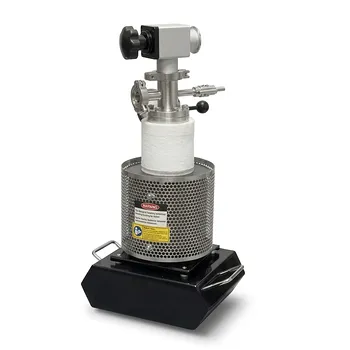
High Temperature 1100C Compact Top Loading Vertical Vacuum Tube Furnace for High Vacuum Noble Metal Melting and Material Research

High Temperature 1700C Benchtop Tube Furnace with 5 Inch Heating Zone High Purity Alumina Tube and Vacuum Sealing Flanges
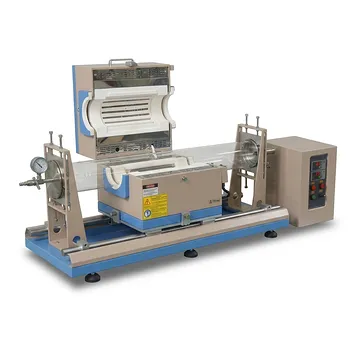
1200C High Temperature 5 Inch Sliding Tube Furnace for Rapid Thermal Processing RTP and Wafer Annealing
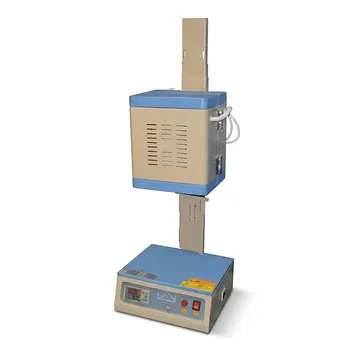
High Temperature Vertical Split Tube Furnace with PID Temperature Controller for 1 and 2 Inch Processing Tubes
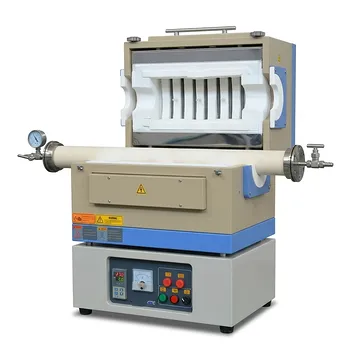
High Temperature 1600C Split Tube Furnace Vacuum Flanges Valves Optional 60mm 80mm Alumina Tube

1750°C High Temperature Benchtop Vacuum Atmosphere Tube Furnace with Kanthal Super 1800 Heating Elements and 60mm Alumina Processing Tube
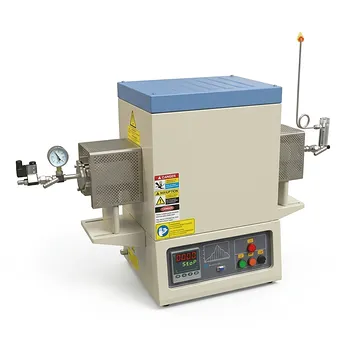
1700C Hydrogen Gas Tube Furnace with 60mm Alumina Process Tube and Integrated Hydrogen Safety Detector
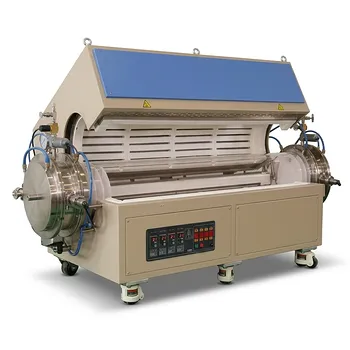
1200C Max Four Zone Split Tube Furnace with Optional Large Diameter Quartz Tubes

High Temperature Automated 5 Inch Tube Furnace for Autonomous Material Research and Advanced Laboratory R&D

1800C High Temperature Compact Vacuum Tube Furnace with 60mm OD Alumina Tube and Kanthal MoSi2 Heating Elements
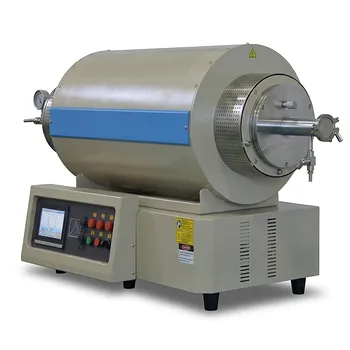
1200C Max Three Zone Tube Furnace 6 Inch OD Max with Tube and Flange
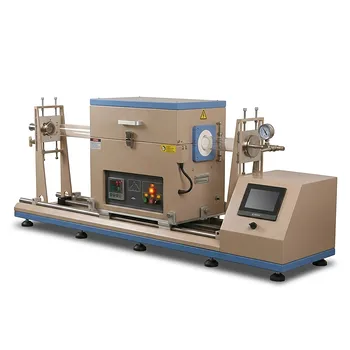
1200C Sliding Tube Furnace for Rapid Thermal Processing and CVD Graphene Growth with 100mm OD Capacity