How does a horizontal tube atmosphere furnace ensure the structural integrity of CNTs? Achieve High-Quality Synthesis!
Updated 3 months ago
The horizontal tube atmosphere furnace ensures structural integrity by creating a strictly controlled, oxygen-free environment that prevents oxidative combustion while providing precise thermal regulation. By displacing oxygen with high-purity inert gases like argon or nitrogen, the furnace allows carbon precursors to nucleate and grow into stable crystalline structures without being destroyed by heat-induced oxidation. This dual control over chemistry and temperature ensures the resulting nanomaterials achieve the desired mechanical strength, layer uniformity, and crystal domain size.
A horizontal tube atmosphere furnace preserves the integrity of carbon nanomaterials by isolating the reaction from oxygen and managing the rate of volatile release. This precise control prevents structural defects like internal cracks and ensures the high-quality graphitization required for nanotubes and graphene.
Eliminating Oxidative Degradation
Complete Displacement of Atmospheric Oxygen
The furnace utilizes a sealed quartz tube to isolate the synthesis environment from the surrounding air. By introducing a continuous flow of inert gases such as nitrogen or argon, the system effectively displaces oxygen, which would otherwise cause the carbon nanomaterials to undergo oxidative combustion at high temperatures.
Facilitating Stable Graphitization
In an oxygen-free environment, carbon-rich precursors can undergo pyrolysis and transition into highly ordered graphitic structures. This protection is critical during high-temperature phases (often reaching 1000°C), ensuring that the carbon framework remains intact rather than being consumed by unwanted chemical reactions.
Precision Thermal Management
Controlled Heating Rates and Volatile Release
Structural integrity is often compromised by the rapid escape of gases during the heating process. By using multi-stage programmable temperature control, the furnace can maintain slow heating rates (e.g., 2°C/min), allowing for the steady release of volatile matter and preventing the formation of internal cracks or large, weakening pores.
Temperature Field Uniformity
Horizontal furnaces are designed to provide a highly uniform thermal field across the reaction zone. This uniformity is essential for ensuring that graphene layers grow with consistent thickness and that carbon nanotubes develop with uniform morphology and directional alignment across the entire substrate.
Optimizing the Synthesis Environment
Chemical Vapor Deposition (CVD) Support
For graphene and CNT synthesis, the furnace acts as a reactor for Chemical Vapor Deposition (CVD). It regulates the flow ratios of reactive gases, such as acetylene, ensuring they crack efficiently on catalyst surfaces (like iron or transition metals) to facilitate the directional growth of high-quality nanofibers and films.
Maintaining Vacuum and Stoichiometric Ratios
Precise control over vacuum levels and gas stoichiometry allows researchers to dictate the crystal domain size and film continuity. This level of environmental precision ensures that the synthesized materials meet specific performance standards for conductivity and mechanical resilience.
Understanding the Trade-offs
While horizontal tube furnaces offer exceptional control, they are not without limitations. The seal integrity of the tube ends is a common point of failure; even minor leaks can introduce trace oxygen that degrades the quality of the carbon lattice. Additionally, the thermal gradient at the edges of the heating zone can lead to inconsistencies if the sample is not placed perfectly within the "sweet spot" of the furnace. Finally, while slow heating rates preserve structural integrity, they significantly increase total processing time, which may limit high-throughput production.
How to Apply This to Your Project
Selecting the Right Parameters
- If your primary focus is single-layer graphene quality: Prioritize a furnace with high vacuum capabilities and exceptional temperature uniformity to maximize crystal domain size.
- If your primary focus is mechanical strength in carbon blocks: Implement a very slow heating ramp (1-2°C/min) to ensure volatiles escape without causing internal structural fractures.
- If your primary focus is high-yield carbon nanotube production: Focus on precise regulation of gas flow ratios (e.g., C2H2 to N2) to optimize the cracking efficiency at the catalyst sites.
Mastering the atmospheric and thermal variables within a horizontal tube furnace is the definitive path to synthesizing carbon nanomaterials with uncompromising structural integrity.
Summary Table:
| Key Feature | Mechanism | Benefit for Nanomaterials |
|---|---|---|
| Atmosphere Control | Displaces oxygen with inert gases (Ar/N2) | Prevents oxidative combustion and degradation |
| Thermal Uniformity | Precise PID regulation across the tube | Ensures consistent layer growth and morphology |
| Programmable Ramps | Controlled slow heating rates | Prevents internal cracks and manages volatile release |
| Sealed Reactor | CVD-ready quartz/alumina tube isolation | Guarantees high-purity graphitization and crystalline size |
Elevate Your Nanomaterial Synthesis with THERMUNITS
Optimize your R&D outcomes with the precision of THERMUNITS high-temperature laboratory equipment. As a leading manufacturer specializing in material science and industrial research, we provide the advanced thermal solutions necessary to achieve uncompromising structural integrity in carbon nanotubes and graphene.
Our comprehensive range of equipment includes:
- Advanced CVD/PECVD Systems for high-quality graphene growth.
- Horizontal Tube & Atmosphere Furnaces with superior vacuum and gas control.
- Specialized Thermal Processing: Muffle, Vacuum, Rotary, and Hot Press furnaces, alongside Electric Rotary Kilns and VIM systems.
Whether you are refining crystal domain sizes or seeking uniform film morphology, THERMUNITS offers the reliability and technical expertise your project demands.
Ready to upgrade your lab's thermal processing capabilities? Contact our technical experts today to find the perfect furnace for your specific research needs!
References
- Mohamed El‐Sakhawy, Hebat‐Allah S. Tohamy. A Greener Future: Carbon Nanomaterials from Lignocellulose. DOI: 10.32604/jrm.2024.058603
Mentioned Products
- Multi Position Tube Furnace 1100C for Laboratory Material Research and Advanced Industrial Thermal Processing
- Vertical 1700C Vacuum and Atmosphere Tube Furnace with 80mm Alumina Tube
- 1200°C 10-Zone Split Tube Furnace with Horizontal and Vertical Mounting for Multi-Zone Thermal Gradients and Large Diameter Material Processing
- Compact Vertical Split Quartz Tube Furnace with Stainless Steel Vacuum Flanges for Rapid Thermal Quenching and Controlled Atmosphere Material Processing
- Ten Zone Multi Orientation Laboratory Tube Furnace for 1200C High Temperature Gradient Thermal Processing
People Also Ask
- Why use a tube furnace for oxygen annealing LaCrO3/LaMnO3? Optimize Phase Transition & Magnetic Performance.
- What key role does a laboratory high-temperature tube furnace play in the production of carbon nanofibers? Guide
- How is a laboratory high-temperature tube furnace utilized to research the products of aluminothermic reduction? Advanced Metallurgical Solutions
- What is the role of a laboratory tube furnace in the carbonization process of porous carbon foam (PCF)? Master 3D Synthesis
- What role does a laboratory tube furnace play in the pyrolysis and carbonization of biomass? Optimize Thermal Research.

Tech Team · ThermUnits
Last updated on Jun 02, 2026
Related Products
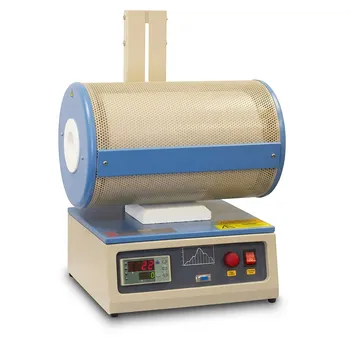
Multi Position Tube Furnace 1100C for Laboratory Material Research and Advanced Industrial Thermal Processing

Vertical 1700C Vacuum and Atmosphere Tube Furnace with 80mm Alumina Tube
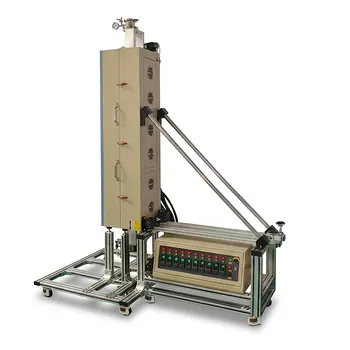
1200°C 10-Zone Split Tube Furnace with Horizontal and Vertical Mounting for Multi-Zone Thermal Gradients and Large Diameter Material Processing

Compact Vertical Split Quartz Tube Furnace with Stainless Steel Vacuum Flanges for Rapid Thermal Quenching and Controlled Atmosphere Material Processing
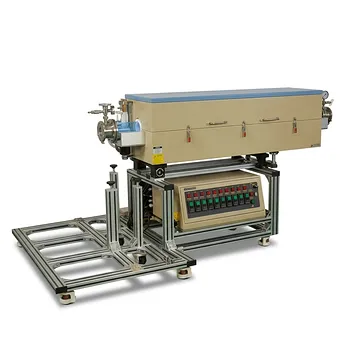
Ten Zone Multi Orientation Laboratory Tube Furnace for 1200C High Temperature Gradient Thermal Processing
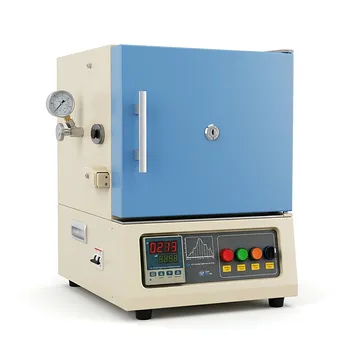
1200C Hybrid Muffle and Tube Furnace for Material Research with Dual Atmosphere Control Quartz Tubes
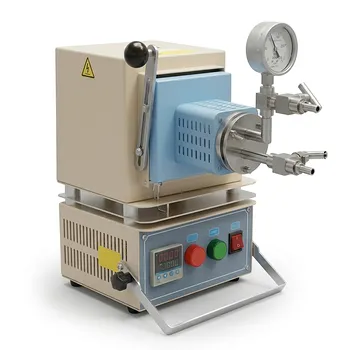
Compact Hybrid Muffle and Tube Furnace for 1000C Controlled Atmosphere Laboratory Material Sintering
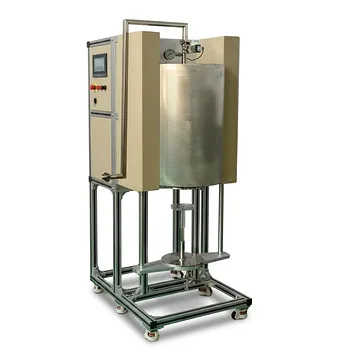
1200°C Atmosphere Controlled Automatic Bottom Loading Furnace with 6 Inch Quartz Tube

High Temperature 1700C Vertical Tube Furnace for Powder Spherification and Material Sintering
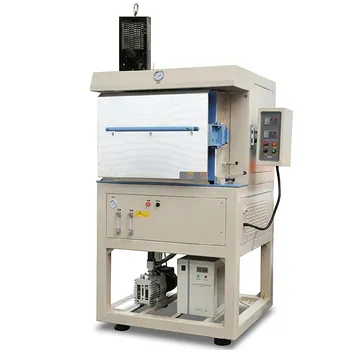
1200C Hydrogen Atmosphere Box Furnace with 5 Heated Sides and 64L Chamber
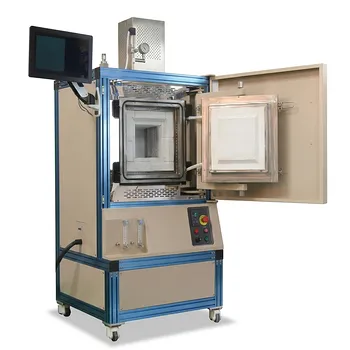
High Temperature Hydrogen Atmosphere Box Furnace 1650C Max Reducing Environment Material Synthesis System 8x8x8 Chamber

1200°C 5 Inch Vertical Quartz Tube Furnace with Stainless Steel Vacuum Flanges
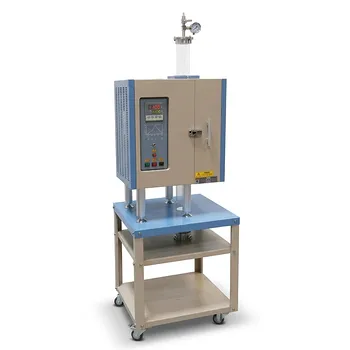
1100°C Split Vertical Tube Furnace with 80mm Quartz Tube and Stainless Steel Vacuum Flanges
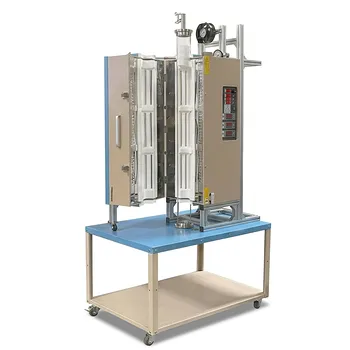
1200C Three Zone Split Vertical Tube Furnace 4 Inch Quartz Tube Stainless Steel Vacuum Flanges
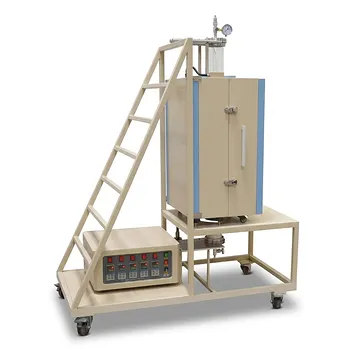
Five Zone Split Vertical Tube Furnace 1200C Max with 4 Inch Quartz Tube and Stainless Steel Vacuum Flanges

High Temperature 1700C Six Zone Split Tube Furnace with Alumina Tube and Water Cooled Flanges
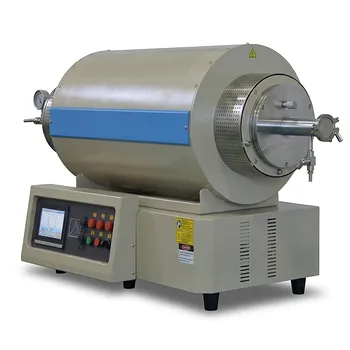
1200C Max Three Zone Tube Furnace 6 Inch OD Max with Tube and Flange
1100C Dual Zone Hydrogen Gas Tube Furnace with Quartz Tube and Integrated H2 Leak Detection System

1800C High Temperature Compact Vacuum Tube Furnace with 60mm OD Alumina Tube and Kanthal MoSi2 Heating Elements
