How does a laboratory atmosphere tube furnace maintain nitrogen-doped microporous carbon? Structural Integrity Guide
Updated 3 months ago
The laboratory atmosphere tube furnace maintains the structural integrity of nitrogen-doped microporous carbon by replacing oxygen with a continuous flow of high-purity nitrogen to create a strictly inert environment. This prevents the carbon material from undergoing oxidative combustion at high temperatures, allowing it to undergo controlled pyrolysis instead. By precisely managing heating rates, the furnace ensures a steady release of volatile components, which prevents internal pressure buildup, cracking, and the collapse of the delicate microporous framework.
Core Takeaway: A tube furnace preserves carbon structures by isolating them from oxygen and controlling the kinetics of volatile release. This dual-action approach prevents material "burn-off" while ensuring that the nitrogen dopants and micropore networks remain chemically and physically stable.
The Role of Atmospheric Control in Preventing Structural Loss
Isolation from Oxidative Combustion
At the high temperatures required for carbonization (typically 300°C to 1000°C), carbon materials will readily react with oxygen and burn away. The tube furnace uses a continuous flow of high-purity nitrogen (99.99%) to displace oxygen within the heating zone. This shift from combustion to anaerobic pyrolysis ensures the organic framework transforms into a carbon-rich structure rather than being consumed by fire.
Preservation of Functional Nitrogen Elements
Nitrogen-doped carbons rely on specific nitrogen groups embedded within the carbon lattice to provide chemical activity. The oxygen-free environment provided by the furnace's superior sealing performance is critical for preserving these natural nitrogen elements. Without this protection, the nitrogen-containing active sites would be lost to oxidative "burn-off," ruining the material's functional properties.
Removal of Pyrolysis By-products
As the material heats, it releases various chemical by-products that can settle back onto the material or alter the reaction path. The continuous gas flow acts as a carrier, purging pyrolysis by-products out of the furnace tube. This stabilization of the internal environment ensures that the carbonization process remains uniform and predictable.
Kinetic Management and Mechanical Stability
Precise Control of Volatile Release
The structural integrity of microporous carbon is highly sensitive to how quickly gases escape the internal matrix. Using integrated PID control systems, the tube furnace can maintain slow heating rates, such as 2 °C/min, to ensure the steady release of volatile matter from precursors like pitch or biomass. This prevents the formation of internal cracks or large, uncontrolled pores caused by rapid gas expansion.
Uniform Temperature Fields and Crystallinity
A tube furnace provides a precise and uniform temperature field throughout the heating zone, which is essential for thermal polymerization. This uniformity ensures that the entire sample reaches the desired graphitization degree simultaneously. Consistent heating helps precursors self-assemble into stable three-dimensional frameworks with optimal crystallinity and specific morphologies, such as tubular or microporous structures.
Multi-stage Heating to Prevent Thermal Overshoot
Modern furnaces allow for two-step or multi-stage heating programs that stabilize the material at lower temperatures before reaching the final carbonization peak. This approach prevents thermal overshoot, where the temperature rises too quickly and causes structural collapse. By soaking the material at intermediate temperatures, the furnace allows the carbon framework to consolidate its mechanical strength before the final high-heat stage.
Understanding the Trade-offs
The Balance of Gas Flow Rates
While a high flow rate of nitrogen ensures oxygen-free conditions, it can also create a cooling effect that leads to temperature gradients within the tube. Conversely, a flow rate that is too low may fail to remove by-products effectively, leading to secondary carbon deposition that can clog micropores and reduce the material's surface area.
Heating Rate vs. Production Throughput
Slow heating rates are superior for maintaining structural integrity and pore precision, but they significantly increase processing time. Faster heating rates may be tempting for higher throughput, but they frequently lead to mechanical weakness and the loss of the desired microporous architecture due to violent "outgassing."
Seal Integrity and Contamination
The effectiveness of the furnace is entirely dependent on the integrity of its vacuum seals and fittings. Even a microscopic leak can introduce trace amounts of oxygen, which, at 800°C, can cause significant oxidative pitting on the surface of the carbon, effectively destroying the delicate micropore network.
How to Apply This to Your Project
Recommendations for Success
- If your primary focus is maximizing surface area and microporosity: Utilize extremely slow heating rates (1-2 °C/min) and a high-purity nitrogen or argon atmosphere to ensure the delicate pore walls do not collapse during volatile escape.
- If your primary focus is high nitrogen-doping levels: Ensure the furnace is thoroughly purged of oxygen before heating begins and maintain a steady flow of inert gas to prevent the oxidative loss of nitrogen-containing functional groups.
- If your primary focus is structural morphology (e.g., tubular or 3D frameworks): Use a multi-stage heating program with a "stabilization soak" at lower temperatures to allow the supramolecular precursors to polymerize before final carbonization.
By mastering the balance between atmospheric purity and thermal kinetics, the laboratory tube furnace becomes the definitive tool for engineering high-performance, nitrogen-doped carbon materials.
Summary Table:
| Feature | Mechanism | Benefit for Carbon Materials |
|---|---|---|
| Inert Atmosphere | High-purity Nitrogen flow | Prevents oxidation and preserves nitrogen functional groups. |
| PID Control | Slow heating (e.g., 2°C/min) | Ensures steady volatile release to prevent pore collapse. |
| Gas Purge | Continuous byproduct removal | Prevents secondary deposition and maintains pore purity. |
| Uniform Field | Balanced thermal zone | Promotes optimal crystallinity and structural self-assembly. |
| Multi-stage Heating | Intermediate soak times | Consolidates framework strength before final graphitization. |
Optimize Your Material Synthesis with THERMUNITS
As a global leader in high-temperature laboratory equipment, THERMUNITS provides the advanced thermal solutions necessary for precision material science. Our atmosphere tube furnaces are engineered to provide the strict atmospheric purity and kinetic control required to maintain the structural integrity of nitrogen-doped microporous carbons and other sensitive frameworks.
From Tube and Vacuum Furnaces to CVD/PECVD systems and Electric Rotary Kilns, we offer a comprehensive range of equipment for industrial R&D and laboratory heat treatment.
Enhance your research outcomes with superior thermal precision.
→ Contact THERMUNITS for a Professional Solution
References
- Mohamed Gamal Mohamed, Shiao‐Wei Kuo. Robust Nitrogen-Doped Microporous Carbon via Crown Ether-Functionalized Benzoxazine-Linked Porous Organic Polymers for Enhanced CO<sub>2</sub> Adsorption and Supercapacitor Applications. DOI: 10.1021/acsami.4c05645
Mentioned Products
- 1000C Mini Tube Furnace with 20mm Quartz Tube and Vacuum Flanges for Material Science Research and Controlled Atmosphere Small Sample Processing
- 1700C High Temperature Alumina Tube Furnace with 18 Inch Heated Zone and Vacuum Sealing Flanges
- Multi Position Tube Furnace 1100C for Laboratory Material Research and Advanced Industrial Thermal Processing
- Ten Zone Multi Orientation Laboratory Tube Furnace for 1200C High Temperature Gradient Thermal Processing
- High Temperature 1200C Split Tube Furnace with Hinged Vacuum Flanges and 4 Inch Quartz Tube for Laboratory Research
People Also Ask
- Why is a Tube Furnace typically utilized for CVD? Achieve Precision in Graphene and 2D Material Synthesis
- Why is a tube furnace required for pre-oxidation? Enhance Ti(Nb)-Si-C coating adhesion and substrate durability.
- How does the precision temperature control system of a laboratory tube furnace affect the structural evolution of SiCN(Ni)/BN ceramics?
- How does a lab tube furnace facilitate RuAl thermal stability assessment? Advanced Research for Microelectronics
- What role does a laboratory tube furnace play during the carbonization stage of seaweed-residue carbon aerogel materials?

Tech Team · ThermUnits
Last updated on Jun 03, 2026
Related Products
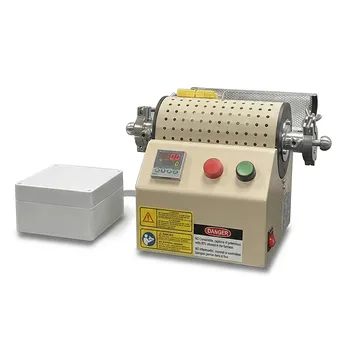
1000C Mini Tube Furnace with 20mm Quartz Tube and Vacuum Flanges for Material Science Research and Controlled Atmosphere Small Sample Processing
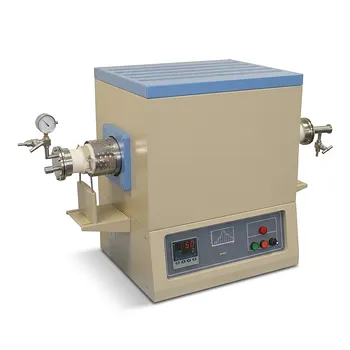
1700C High Temperature Alumina Tube Furnace with 18 Inch Heated Zone and Vacuum Sealing Flanges
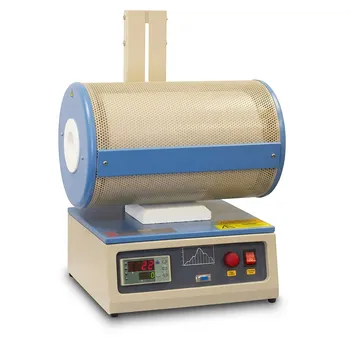
Multi Position Tube Furnace 1100C for Laboratory Material Research and Advanced Industrial Thermal Processing
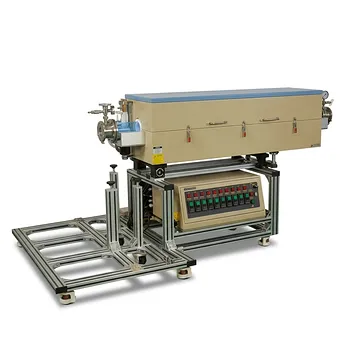
Ten Zone Multi Orientation Laboratory Tube Furnace for 1200C High Temperature Gradient Thermal Processing
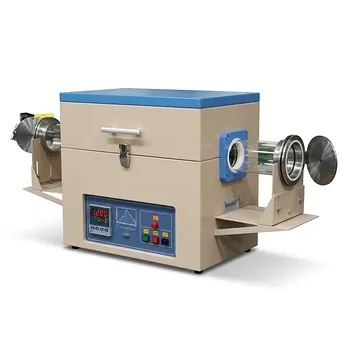
High Temperature 1200C Split Tube Furnace with Hinged Vacuum Flanges and 4 Inch Quartz Tube for Laboratory Research

Vertical 1700C Vacuum and Atmosphere Tube Furnace with 80mm Alumina Tube

1750°C High Temperature Benchtop Vacuum Atmosphere Tube Furnace with Kanthal Super 1800 Heating Elements and 60mm Alumina Processing Tube

High Temperature Automated 5 Inch Tube Furnace for Autonomous Material Research and Advanced Laboratory R&D

1800C High Temperature Compact Vacuum Tube Furnace with 60mm OD Alumina Tube and Kanthal MoSi2 Heating Elements
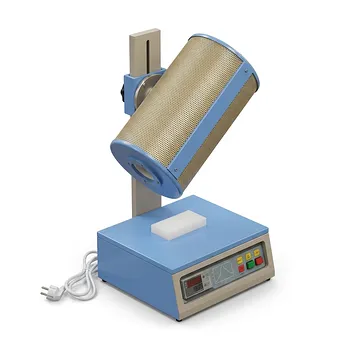
1100°C Vertical Laboratory Furnace for DIY Tubular Reactors with PID Temperature Controller
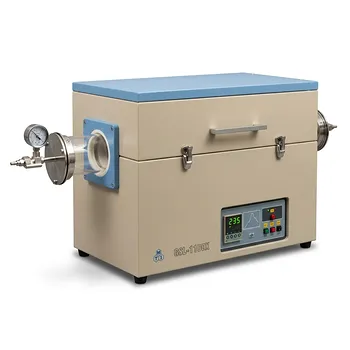
Single Zone Tube Furnace 5 Inch Quartz Tube 36 Inch Heating Zone Vacuum Flanges

Three Zone Tube Furnace with 11 Inch or 15 Inch Quartz Tube and Hinged Flanges for Vacuum Atmosphere Heat Treatment
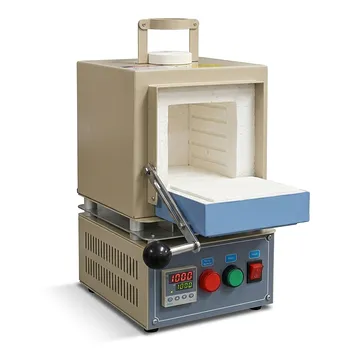
Compact 1000C Muffle Furnace with Programmable Controller and 2 Inch Top Port for Vacuum and Atmosphere Material Research
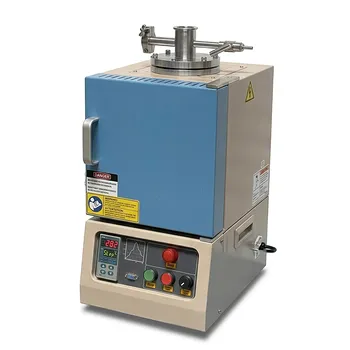
High Temperature Hybrid Muffle and Tube Furnace with Vacuum Capability and PID Control
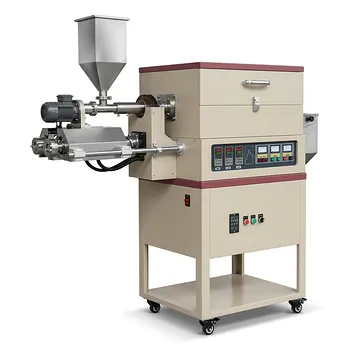
Laboratory Tilting Rotary Tubular Furnaces for Material Science and Industrial Heat Treatment
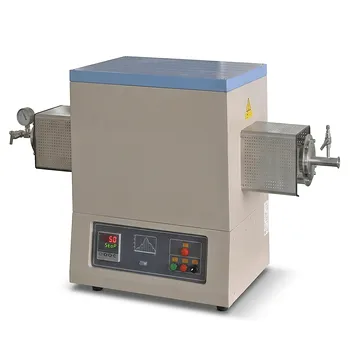
High Temperature 1700C Tube Furnace with 4 Inch OD Alumina Tube and Vacuum Sealing Flanges
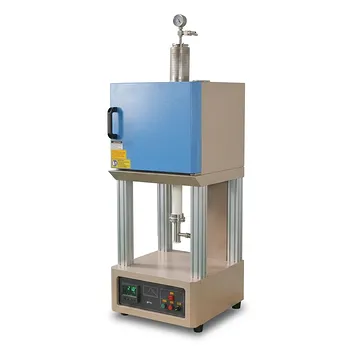
Hybrid High Temperature Tube and Box Furnace 1700C with 2 Inch Alumina Tube for Material Research
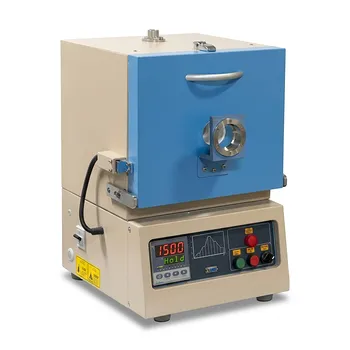
1500C Hybrid Muffle Tube Furnace 1.7L Box with 2 Inch Mullite Tube and Programmable PID Controller
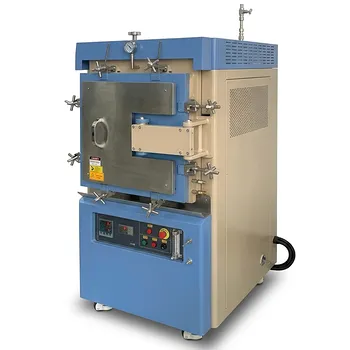
Atmosphere Controlled Muffle Furnace 1700C Maximum Temperature 80L High Capacity Vacuum Inert Gas Box Furnace
