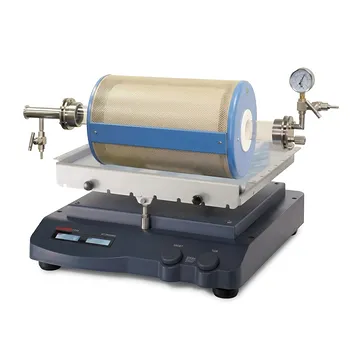
What role does a laboratory tube furnace play in RTD calibration? Optimize sensor performance and accuracy.
Updated 6 months ago
In the specialized world of thermal metrology, a laboratory tube furnace acts as the primary controlled environment for establishing the accuracy and durability of thick-film resistance temperature detectors (RTDs). It provides a stable, isothermal platform where the RTD’s electrical output is compared against certified standards to determine the sensor's fundamental performance characteristics.
Core Takeaway: A laboratory tube furnace serves as both a high-precision calibration benchmark and a process simulator. It allows engineers to verify core metrics like the Temperature Coefficient of Resistance (TCR) while simultaneously testing the sensor's resilience under simulated industrial sintering and atmospheric conditions.
The Functional Role in Sensor Calibration
Providing a Stable Isothermal Zone
The cylindrical geometry of a tube furnace is engineered to provide highly uniform radial heating. This ensures that the entire sensing element of the thick-film RTD is exposed to a consistent temperature during testing.
By maintaining temperature fluctuations within a tight tolerance, often ±1°C, the furnace creates a reliable baseline. This stability is essential for eliminating thermal gradients that would otherwise skew resistance readings.
Performance Verification via Comparative Analysis
Verification is achieved by placing the RTD under test alongside a standard armored thermocouple within the furnace's constant temperature zone. This direct comparison allows technicians to map the RTD’s resistance change against a known temperature reference.
This process is critical for quantifying the Temperature Coefficient of Resistance (TCR) and verifying the sensor's linearity. Without this controlled comparison, the sensor's accuracy in high-temperature applications cannot be guaranteed.
Advanced Application and Stress Simulation
Simulating Industrial Sintering Curves
Beyond simple calibration, the multi-stage heating characteristics of a tube furnace allow it to mimic complex industrial production environments. It can replicate the specific sintering process curves used in the manufacturing of thick-film components.
Testing RTDs within these simulated curves helps identify how the sensor will behave during actual production. This ensures that the stability and response time of the device remain within specifications after repeated thermal cycling.
Atmospheric Control and Material Integrity
The sealed nature of the furnace tube—often made of quartz or ceramic—allows for the introduction of specific process gases. This environment is used to test how the thick-film materials react to oxidation or reduction at high temperatures.
Controlled atmospheres are vital for researching elemental doping modifications and phase transition kinetics. By isolating the samples from external contaminants, the furnace ensures that the performance data reflects the true nature of the sensor materials.
Assessing Response Time and Thermal Shock
When integrated with rapid loading and unloading mechanisms, these furnaces can simulate extreme thermal shock. This is done by quickly moving the RTD from the high-temperature zone to a room-temperature environment.
This test is essential for determining the sensor's mechanical durability and its ability to respond to sudden temperature shifts. It identifies potential failure points in the thick-film bond before the sensor is deployed in the field.
Understanding the Trade-offs
Thermal Gradients and Placement Error
While tube furnaces offer excellent radial uniformity, they can suffer from longitudinal temperature gradients near the ends of the tube. If the RTD and the reference thermocouple are not placed exactly within the "sweet spot" (the central isothermal zone), the calibration will be inherently flawed.
Slow Equilibrium Times
Tube furnaces are designed for stability rather than speed. Reaching a perfectly stable temperature at each calibration point can be time-consuming, which may limit throughput in high-volume testing environments compared to dry-block calibrators.
Material Compatibility
The choice of furnace tube (quartz vs. alumina) is a critical trade-off. While quartz offers excellent purity and visibility, it is limited to lower temperatures than alumina; however, alumina is more susceptible to thermal shock cracking if cooled too rapidly.
Applying This to Your Project
Recommended Actions Based on Your Goal
- If your primary focus is metrological traceability: Prioritize the use of a standard armored thermocouple as your primary reference within the furnace to ensure all TCR calculations are NIST-traceable.
- If your primary focus is long-term sensor reliability: Utilize the furnace’s multi-stage programming to subject the RTD to accelerated aging tests that mimic your specific industrial sintering profile.
- If your primary focus is material development: Use the furnace’s gas-tight capabilities to test how different thick-film compositions hold up under inert, oxidizing, or reducing atmospheres.
By leveraging the precision and environmental flexibility of a tube furnace, you transform a simple heating element into a definitive diagnostic tool for thermal sensor excellence.
Summary Table:
| Key Role / Function | Benefit for Thick-Film RTDs | Critical Considerations |
|---|---|---|
| Isothermal Zone | Provides stable radial heating for precise TCR mapping | Requires exact placement in the central "sweet spot" |
| Process Simulation | Replicates sintering curves to test sensor durability | Heating/cooling cycles take time to reach equilibrium |
| Atmosphere Control | Tests material reactions to oxidation or reduction | Choice of tube material (Quartz vs. Alumina) is vital |
| Thermal Shock | Assesses mechanical integrity during rapid temperature shifts | Rapid cooling may risk cracking ceramic components |
Elevate Your Sensor Metrology with THERMUNITS
Precision is the backbone of material science. As a leading manufacturer of high-temperature laboratory equipment, THERMUNITS provides the advanced thermal processing solutions required for high-accuracy RTD calibration and industrial R&D.
From high-performance Tube, Muffle, and Vacuum furnaces to specialized CVD/PECVD systems, Rotary kilns, and Vacuum Induction Melting (VIM) furnaces, our equipment is designed to meet the rigorous demands of modern laboratories and heat treatment processes.
Ready to enhance your lab’s efficiency and accuracy?
Contact our technical experts today to find the perfect furnace solution for your specific application requirements!
References
- Zhenyin Hai, Suying Luo. Printed Thick Film Resistance Temperature Detector for Real-Time Tube Furnace Temperature Monitoring. DOI: 10.3390/s24102999
Mentioned Products
- Multi Position Tube Furnace 1100C for Laboratory Material Research and Advanced Industrial Thermal Processing
- Ten Zone Multi Orientation Laboratory Tube Furnace for 1200C High Temperature Gradient Thermal Processing
- High Temperature 1200C Split Tube Furnace with Hinged Vacuum Flanges and 4 Inch Quartz Tube for Laboratory Research
- High Temperature Automated 5 Inch Tube Furnace for Autonomous Material Research and Advanced Laboratory R&D
- 1800C High Temperature Compact Vacuum Tube Furnace with 60mm OD Alumina Tube and Kanthal MoSi2 Heating Elements
People Also Ask
- Why use a tube furnace for oxygen annealing LaCrO3/LaMnO3? Optimize Phase Transition & Magnetic Performance.
- What key role does a laboratory high-temperature tube furnace play in the production of carbon nanofibers? Guide
- How is a laboratory high-temperature tube furnace utilized to research the products of aluminothermic reduction? Advanced Metallurgical Solutions
- Why is a tube furnace required for pre-oxidation? Enhance Ti(Nb)-Si-C coating adhesion and substrate durability.
- What role does a laboratory tube furnace play during the carbonization stage of seaweed-residue carbon aerogel materials?

Tech Team · ThermUnits
Last updated on Apr 14, 2026
Related Products
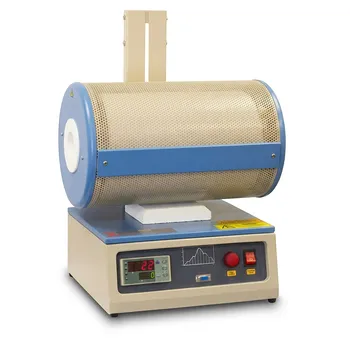
Multi Position Tube Furnace 1100C for Laboratory Material Research and Advanced Industrial Thermal Processing
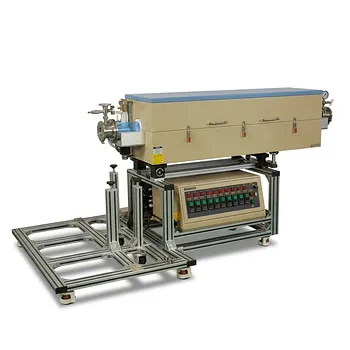
Ten Zone Multi Orientation Laboratory Tube Furnace for 1200C High Temperature Gradient Thermal Processing
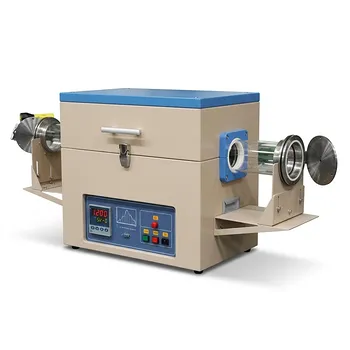
High Temperature 1200C Split Tube Furnace with Hinged Vacuum Flanges and 4 Inch Quartz Tube for Laboratory Research
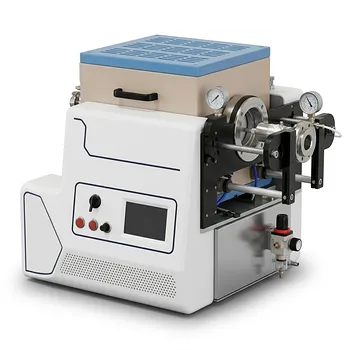
High Temperature Automated 5 Inch Tube Furnace for Autonomous Material Research and Advanced Laboratory R&D
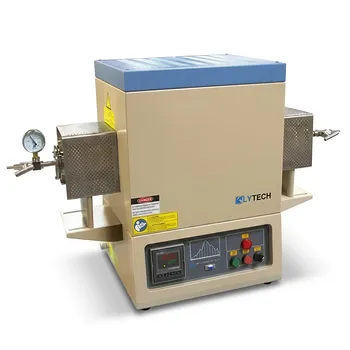
1800C High Temperature Compact Vacuum Tube Furnace with 60mm OD Alumina Tube and Kanthal MoSi2 Heating Elements
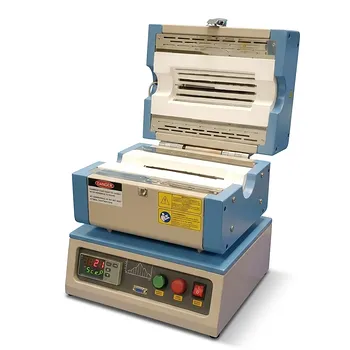
1250C Compact Split Tube Furnace with 8 Inch Heating Zone and Programmable Controller
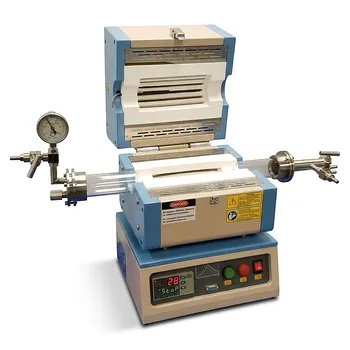
Compact Split Tube Furnace with Integrated Vacuum System and Precision Temperature Calibrator
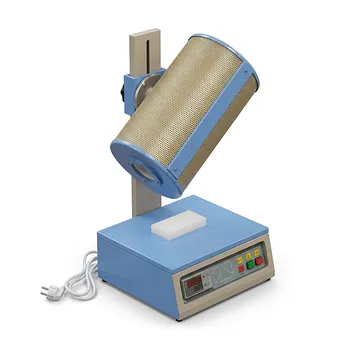
1100°C Vertical Laboratory Furnace for DIY Tubular Reactors with PID Temperature Controller
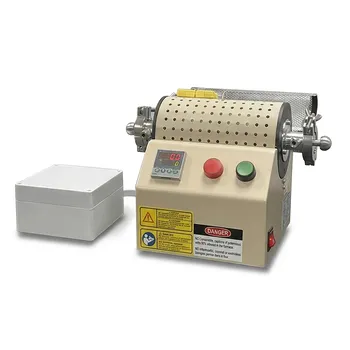
1000C Mini Tube Furnace with 20mm Quartz Tube and Vacuum Flanges for Material Science Research and Controlled Atmosphere Small Sample Processing
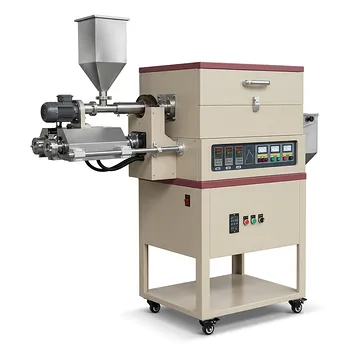
Laboratory Tilting Rotary Tubular Furnaces for Material Science and Industrial Heat Treatment
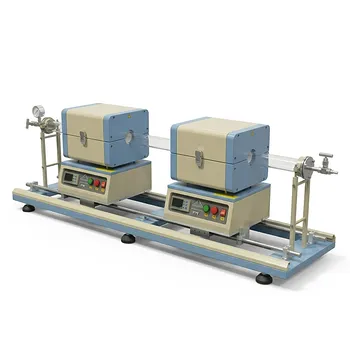
1200C Max Dual Sliding Tube Furnace with 50 mm Tube Flanges for CVD
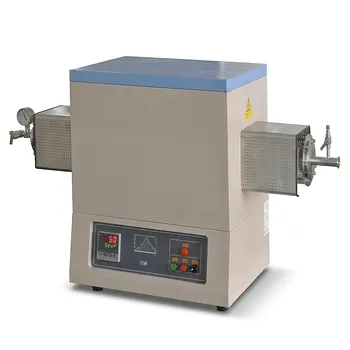
High Temperature 1700C Tube Furnace with 4 Inch OD Alumina Tube and Vacuum Sealing Flanges
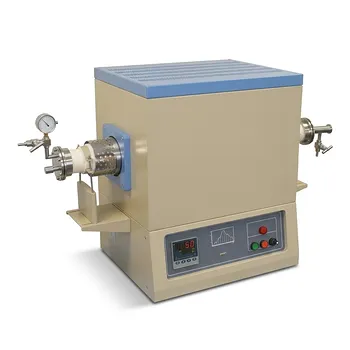
1700C High Temperature Alumina Tube Furnace with 18 Inch Heated Zone and Vacuum Sealing Flanges
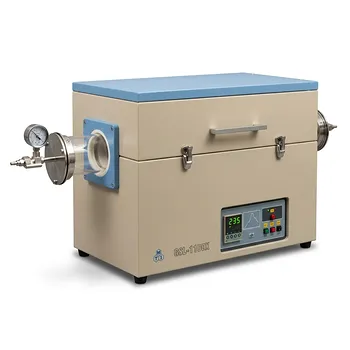
Single Zone Tube Furnace 5 Inch Quartz Tube 36 Inch Heating Zone Vacuum Flanges
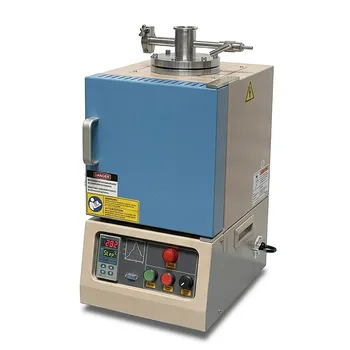
High Temperature Hybrid Muffle and Tube Furnace with Vacuum Capability and PID Control
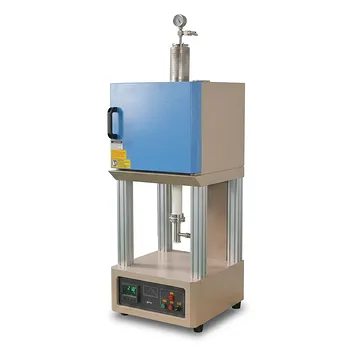
Hybrid High Temperature Tube and Box Furnace 1700C with 2 Inch Alumina Tube for Material Research
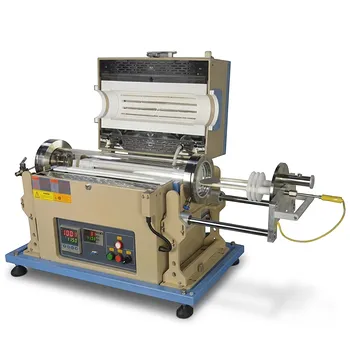
1200°C High Temperature 4 Inch Tube Furnace with Sliding Flange for CVD Systems
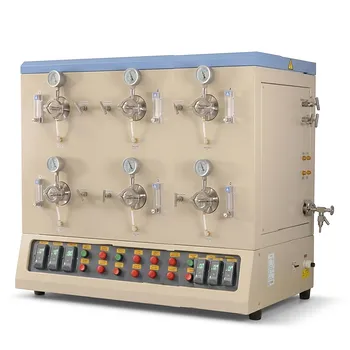
1200C High Throughput Multi Channel Tube Furnace with 50mm Quartz Tubes for Annealing and Material Phase Diagram Research
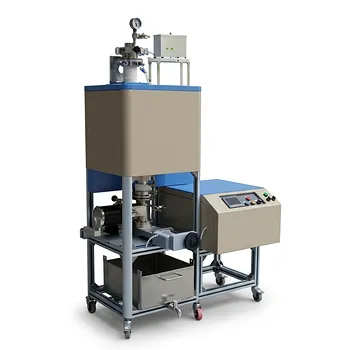
High Temperature 1700C Vertical Tube Furnace for Powder Spherification and Material Sintering