How does a thermal debinding furnace ensure that NdFeB brown parts do not collapse or crack? Master Binder Removal.
Updated 3 months ago
Thermal debinding furnaces protect NdFeB brown parts by employing precise temperature gradient control to remove binder components in a highly orchestrated, multi-stage sequence. This methodical approach ensures that the "backbone" of the binder system remains intact to provide structural support while simultaneously opening microscopic channels that allow gaseous decomposition products to escape without creating internal pressure.
The integrity of NdFeB brown parts depends on a delicate balance between binder removal and structural retention; by using staged heating, the furnace prevents internal gas pressure from exceeding the material's strength while utilizing a residual binder "skeleton" to prevent collapse.
The Role of Multi-Stage Temperature Gradients
Differential Binder Decomposition
The furnace operates on the principle of fractional decomposition, where different components of the binder system are targeted at specific temperature intervals. By heating the part in stages, the most volatile "main" binders are removed first, leaving behind the more stable "backbone" components.
Gradual Escape Channel Creation
As the initial binder components decompose and exit the part, they leave behind a network of microscopic pores. Precise temperature control ensures these gas escape channels are established smoothly and uniformly throughout the entire cross-section of the magnet.
Preventing Internal Pressure Surges
If the temperature rises too quickly, the binder turns into gas faster than it can migrate through the pores. This leads to internal pressure surges, which are the primary cause of micro-cracks and macroscopic deformation in the green body.
Structural Preservation via the Backbone Binder
Maintaining Microscopic Architecture
The backbone binder is specifically designed to remain solid while other components are being outgassed. It acts as a temporary structural adhesive that holds the NdFeB powder particles in their precise orientation, preventing the part from collapsing under its own weight.
Bridging the Gap to Sintering
This backbone remains active until the very end of the debinding cycle, typically only decomposing once primary diffusion (the start of sintering) begins. This ensures there is never a moment where the metallic powder is completely unsupported before it begins to fuse.
Atmospheric Control and Stability
The furnace maintains specific atmospheres—often inert or vacuum-based—to ensure the chemical decomposition of the binder does not react negatively with the NdFeB powder. This controlled environment prevents oxidation, which could embrittle the part and lead to cracking during subsequent phases.
Understanding the Trade-offs of Debinding Speeds
The Risk of Excessive Speed
While increasing the heating rate improves throughput, it significantly raises the risk of interstitial trapped gas. Even if the part appears intact externally, rapid debinding often results in internal "bloating" or hidden fissures that compromise the final magnet's magnetic properties.
The Cost of Ultra-Slow Cycles
Conversely, an overly conservative heating ramp increases energy consumption and production lead times. The technical challenge lies in identifying the critical decomposition windows where the temperature must be held steady versus the ranges where it can be safely increased.
Optimizing Your Debinding Strategy
The success of the debinding process is measured by the transition from a polymer-supported green body to a self-supporting brown part without loss of geometry.
- If your primary focus is Dimensional Precision: Prioritize a slower temperature ramp during the initial phase of binder removal to ensure escape channels are fully formed before the backbone begins to soften.
- If your primary focus is Throughput Efficiency: Use thermal analysis (such as TGA) to identify the exact decomposition temperatures of your binder system, allowing you to move quickly between the critical reaction stages.
- If your primary focus is Structural Integrity: Ensure the backbone binder concentration is sufficient to maintain the microscopic architecture until the onset of primary sintering diffusion.
Mastering the thermal gradient is the definitive factor in transforming a fragile green body into a high-performance NdFeB magnet.
Summary Table:
| Process Stage | Mechanism | Benefit for NdFeB Parts |
|---|---|---|
| Fractional Decomposition | Targets specific binder components at set intervals | Prevents internal pressure surges and bloating |
| Pore Formation | Gradual creation of microscopic gas escape channels | Eliminates micro-cracks and internal fissures |
| Backbone Retention | Keeps stable binder components solid during outgassing | Maintains structural integrity; prevents collapse |
| Atmospheric Control | Inert or vacuum-based environments | Prevents oxidation and material embrittlement |
Optimize Your Thermal Processing with THERMUNITS
Achieving the perfect balance in NdFeB debinding requires extreme precision and reliable equipment. THERMUNITS is a leading manufacturer of high-temperature laboratory equipment dedicated to material science and industrial R&D. We empower your research and production with a comprehensive range of thermal solutions, including:
- Furnaces: Muffle, Vacuum, Atmosphere, Tube, Rotary, and Hot Press furnaces.
- Advanced Systems: CVD/PECVD systems, Dental Furnaces, and Vacuum Induction Melting (VIM) furnaces.
- Specialized Gear: Electric rotary kilns, Thermal Elements, and custom heat treatment equipment.
Whether you are looking to eliminate structural defects in brown parts or enhance your sintering throughput, our expert team is ready to provide the high-performance tools you need.
Contact our technical experts today to find your solution!
References
- Stefan Rathfelder, Carlo Burkhardt. Production of Permanent Magnets from Recycled NdFeB Powder with Powder Extrusion Moulding. DOI: 10.3390/jmmp8020081
Mentioned Products
- High Temperature Muffle Furnace with Alloy Chamber for Debinding and Sintering Applications
- 1200C High Temperature 125L Muffle Furnace 5 Side Heating for Large Batch Sintering with Optional Alloy Debinding Chamber
- 950C Rapid Thermal Processing Furnace for 12 Inch Wafer CSS Coating with Rotating Substrate Holder
- High Temperature Dual Zone Tube Furnace for Material Science Research and Professional Thermal Processing
- High Temperature 1500C Benchtop Muffle Furnace 3.6L Alumina Fiber Chamber Programmable Controller Sintering Annealing Carbonization Thermal Processing System
People Also Ask
- What role does a high-temperature muffle furnace play in evaluating the mineral composition of rock samples? LOI & XRF Guide
- What role does a high-temperature muffle furnace play in the synthesis of Melem precursors? Precision Polymerization.
- What is the purpose of using muffle or tube furnaces in glass synthesis? Achieve Precise Melt-Quenching & Homogeneity
- Why is annealing in a high-temperature muffle furnace necessary for SiO2/Si substrate pretreatment before monolayer WS2 synthesis?
- What is the role of a high-temperature muffle furnace in the synthesis of graphitic carbon nitride (g-C3N4)? - Guide

Tech Team · ThermUnits
Last updated on Jun 02, 2026
Related Products
High Temperature Muffle Furnace with Alloy Chamber for Debinding and Sintering Applications
1200C High Temperature 125L Muffle Furnace 5 Side Heating for Large Batch Sintering with Optional Alloy Debinding Chamber
950C Rapid Thermal Processing Furnace for 12 Inch Wafer CSS Coating with Rotating Substrate Holder
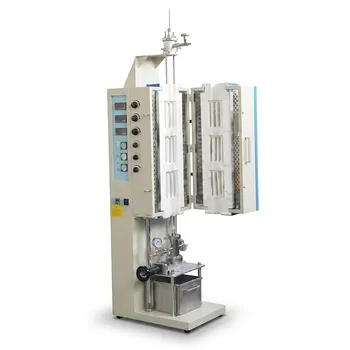
High Temperature Dual Zone Tube Furnace for Material Science Research and Professional Thermal Processing
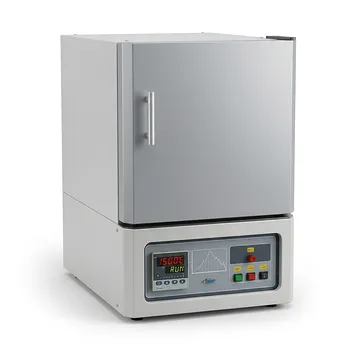
High Temperature 1500C Benchtop Muffle Furnace 3.6L Alumina Fiber Chamber Programmable Controller Sintering Annealing Carbonization Thermal Processing System
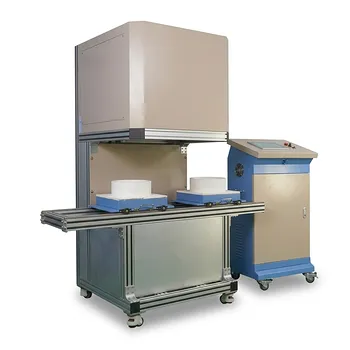
High Temperature Bottom Loading Vertical Furnace 1700C Dual Stage Sample Processing System 18L Large Capacity Thermal Treatment Equipment
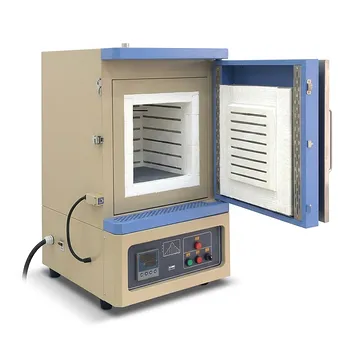
Five Side Heating Muffle Furnace High Purity Alumina Fiber 27L Chamber 1200C High Temperature Thermal Processing System for Sintering Annealing and Materials Research
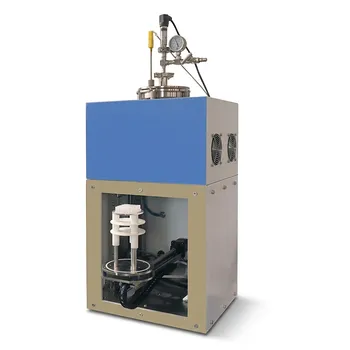
Rapid Thermal Processing RTP Atmosphere Controlled Bottom Loading Furnace 1100C High Throughput 50C per Second Heating Rate
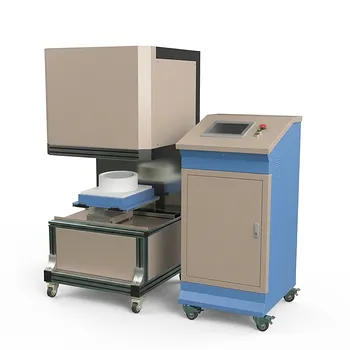
High Temperature Bottom Loading Box Furnace for Rapid Thermal Processing 1700C 40L Capacity
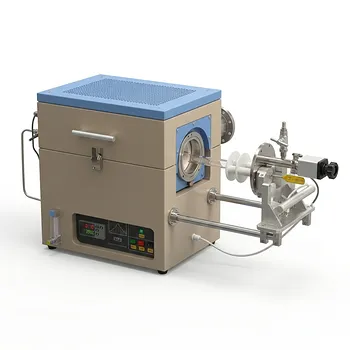
Compact Atmosphere Controlled Rapid Thermal Processing RTP Furnace with 4 Inch ID Quartz Tube 1100C
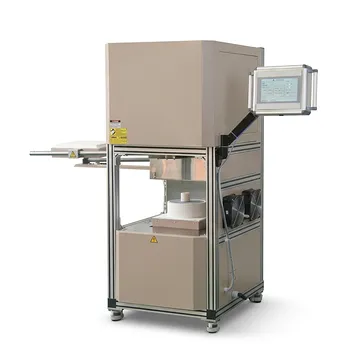
1600C High Temperature Automatic Bottom Loading Furnace for Thermal Shock Cycling and Material Fatigue Testing
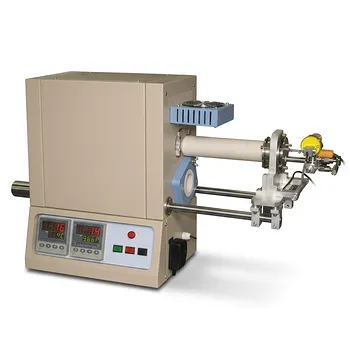
High Temperature Tube Furnace 1500C with Sliding Flanges and 50mm OD for Rapid Thermal Processing Fast Heating and Cooling
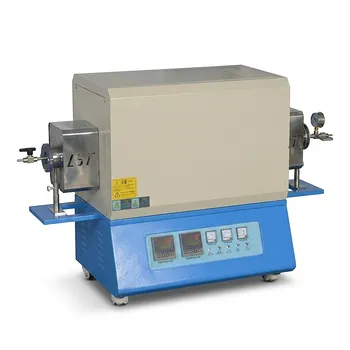
High Temperature Dual Zone Vacuum Tube Furnace for Material Research and CVD Processing
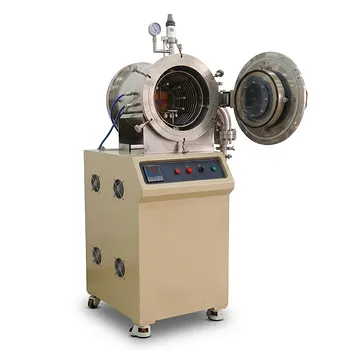
High Temperature Cold Wall High Vacuum Chamber Furnace 1400C for Advanced Material Processing
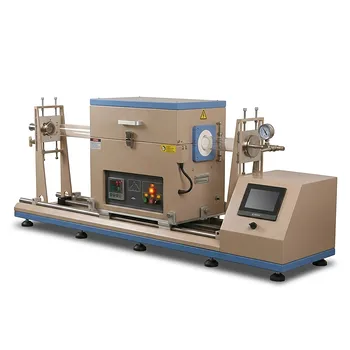
1200C Sliding Tube Furnace for Rapid Thermal Processing and CVD Graphene Growth with 100mm OD Capacity
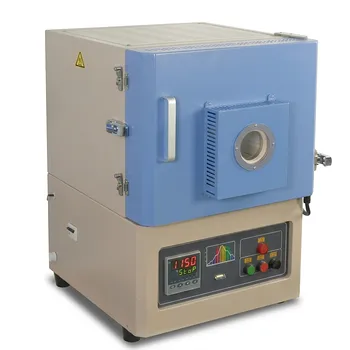
High Temperature Benchtop Muffle Furnace with Quartz Observation Window for Thermal Imaging and Material Analysis