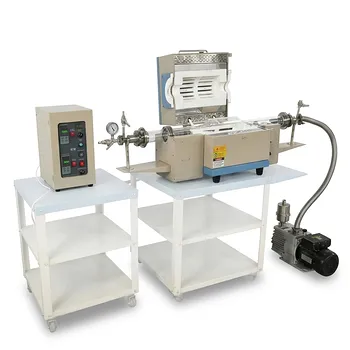
How does a tube furnace facilitate the carbonization of Co-N-C catalysts? Precision Heat for Advanced Synthesis
Updated 3 months ago
A tube furnace equipped with a quartz tube facilitates the carbonization of cobalt and nitrogen-doped catalysts by providing a hermetically sealed, high-temperature environment that prevents oxidation while enabling precise chemical transformations. This setup allows for the controlled pyrolysis of organic precursors into a conductive carbon framework, the reduction of cobalt ions into active metallic sites, and the in-situ incorporation of nitrogen atoms through a carrier-gas-assisted deposition process.
Core Takeaway: The tube furnace serves as a precision chemical reactor that manages thermal energy and inert gas flow to transform metal-organic precursors into stable, porous, and catalytically active Co-N-C structures while strictly excluding oxygen to protect the catalyst's integrity.
Establishing a Controlled Thermal Micro-Environment
Atmospheric Isolation via the Quartz Tube
The quartz tube acts as a physical barrier that allows for the creation of a strict inert atmosphere, typically using high-purity argon or nitrogen. This isolation is critical because it prevents the oxidation of the carbon matrix and the cobalt active sites, which would otherwise degrade into inactive oxides in the presence of even trace amounts of oxygen.
Precise Thermal Management
Tube furnaces provide a stable temperature range, usually between 700°C and 1100°C, which is the window required for carbonization. High-precision programmable controllers allow for specific heating rates (e.g., 10°C/min), ensuring that the precursor undergoes uniform pyrolysis rather than rapid, uncontrolled decomposition that could ruin the material's morphology.
Durability Under Extreme Conditions
Quartz is selected for its ability to withstand extreme operating temperatures and thermal shock. This durability ensures that the furnace can maintain a consistent internal environment over long dwell times—such as three hours at 900°C—which is necessary for the deep pyrolysis of complex precursors like Zeolitic Imidazolate Frameworks (ZIFs).
Driving the Chemical Transformation of Precursors
Volatile Removal and Framework Solidification
As the furnace heats the biomass or polymer precursors, it triggers a sequence of dehydration, decarboxylation, and dehydrogenation reactions. These reactions remove volatile components, leaving behind a solid carbon-based substance that undergoes polycondensation to form a stable, amorphous carbon carrier.
In-Situ Nitrogen Doping Mechanisms
The furnace facilitates nitrogen doping by enabling an atmosphere-assisted deposition process. By placing a nitrogen source (like dicyandiamide) in an upstream position and the cobalt precursor downstream, the furnace uses the carrier gas to transport nitrogen-containing vapors over the sample, inducing the formation of stable Co–N4 coordination structures.
Reduction of Metal Components
High temperatures within the tube furnace provide the thermal energy necessary to reduce cobalt ions into metallic nanoparticles or single atoms. When performed in a reducing or inert atmosphere, this process ensures the cobalt is uniformly dispersed throughout the nitrogen-doped carbon (NC) layers, which is essential for creating efficient heterogeneous interfaces.
Structural Engineering and Active Site Formation
Development of Porous Architecture
The controlled carbonization process is the core stage for developing the material’s porous structure. By precisely managing the temperature and gas flow, the furnace allows for the escape of gases in a way that creates a high-surface-area framework, which is vital for the mass transport of reactants during catalysis.
Conductivity Enhancement
High-temperature treatment (typically 900°C and above) facilitates the graphitization of the carbon matrix. This increases the electrical conductivity of the resulting Co,N-C composite, making it a more effective catalyst for electrochemical applications.
Anchoring Active Sites
The furnace environment facilitates the stable anchoring of metal atoms onto the nitrogen-doped substrate. This prevents the cobalt from aggregating into large, inactive clumps, ensuring the final catalyst has a high density of dispersed active sites across its surface.
Understanding the Operational Trade-offs
Temperature vs. Surface Area
While higher temperatures (e.g., >1000°C) improve the electrical conductivity of the carbon framework, they also increase the risk of metal sintering. Sintering causes cobalt nanoparticles to merge, significantly reducing the available catalytic surface area and overall performance.
Heating Rate Sensitivity
A heating rate that is too fast can lead to the structural collapse of the precursor’s delicate pore network due to rapid gas evolution. Conversely, an excessively slow heating rate may lead to incomplete carbonization or an inefficient production cycle, requiring a balanced, programmable approach.
Quartz Tube Longevity
Although quartz is highly resilient, it can undergo devitrification if held at the upper limits of its temperature range (near 1100°C-1200°C) for extended periods. Additionally, certain alkaline precursors can chemically etch the quartz, potentially introducing impurities into the catalyst and necessitating regular tube maintenance.
How to Apply This to Your Catalyst Synthesis
Specific Recommendations Based on Goals
- If your primary focus is maximizing catalytic active sites: Use a moderate carbonization temperature (around 800°C) and a precise nitrogen-vapor deposition method to ensure stable Co-N4 coordination without metal aggregation.
- If your primary focus is high electrical conductivity: Opt for a higher temperature (900°C-1000°C) to promote graphitization, while closely monitoring the dwell time to prevent excessive loss of nitrogen content.
- If your primary focus is structural porosity: Utilize a slow, programmed heating rate (e.g., 2-5°C/min) to allow for the gentle release of volatiles, preserving the microscopic pore structure of the original metal-organic framework.
By mastering the interplay between thermal energy and atmospheric control within the tube furnace, you can precisely tune the microscopic architecture and chemical functionality of cobalt and nitrogen-doped carbon catalysts.
Summary Table:
| Feature | Function in Carbonization | Impact on Co-N-C Catalyst |
|---|---|---|
| Quartz Tube Isolation | Creates a strict inert/reducing atmosphere | Prevents oxidation of carbon matrix and cobalt sites |
| Precise Thermal Control | Uniform pyrolysis (700°C–1100°C) | Ensures stable morphology and prevents structural collapse |
| Gas Flow Dynamics | Atmosphere-assisted vapor deposition | Facilitates in-situ nitrogen doping and Co-N4 coordination |
| High-Temp Stability | Promotes graphitization | Enhances electrical conductivity and anchors active sites |
Elevate Your Catalyst Synthesis with THERMUNITS
To achieve superior Co-N-C structures, precision and atmospheric control are non-negotiable. THERMUNITS is a leading manufacturer of high-temperature laboratory equipment, providing advanced thermal processing solutions for material science and industrial R&D. Our high-performance Tube Furnaces and Quartz Tube setups are engineered for strict atmospheric isolation and precise thermal management.
Explore our comprehensive range of equipment, including:
- Muffle, Vacuum, and Atmosphere Furnaces
- Tube, Rotary, and Hot Press Furnaces
- CVD/PECVD Systems & Dental Furnaces
- Vacuum Induction Melting (VIM) & Electric Rotary Kilns
Ready to optimize your heat treatment results? Contact our experts today to find the perfect solution for your lab!
References
- Arseniy Y. Kalnin, Elena V. Alekseeva. Impact of Metal Source Structure on the Electrocatalytic Properties of Polyacrylonitrile-Derived Co-N-Doped Oxygen Reduction Reaction Catalysts. DOI: 10.3390/nano14231924
Mentioned Products
- Split Vertical Tube Furnace with 1200C Quartz Tube and Stainless Steel Vacuum Flanges for Rapid Thermal Processing
- High Temperature Rocking Tube Furnace with Quartz Tube and Vacuum Flange for Materials Synthesis
- High Temperature 1200C Split Tube Furnace with Hinged Vacuum Flanges and 4 Inch Quartz Tube for Laboratory Research
- High Throughput 1200C Four Channel Tube Furnace with 3 Inch Quartz Tubes for Multi Zone Annealing and Material Research
- Three Zone Tube Furnace with 11 Inch or 15 Inch Quartz Tube and Hinged Flanges for Vacuum Atmosphere Heat Treatment
People Also Ask
- What is the role of a split vertical tube furnace during flash sintering of 8YSZ and 20SDC? Master Ultra-Fast R&D
- Why integrate a vertical split tube furnace with hydraulic loading for HSECC? Essential for In-Situ Fire Simulation.
- What is the primary engineering purpose for using a customized ventilation hood when operating a split tube furnace? RCF Safety
- How does a split tube furnace contribute to the thermal stabilization of Clignin@H-TiO2? Achieve Structural Precision
- How does a split tube furnace facilitate debinding of ceramic green bodies? Master Precise Thermal & Atmosphere Control

Tech Team · ThermUnits
Last updated on Jun 02, 2026
Related Products
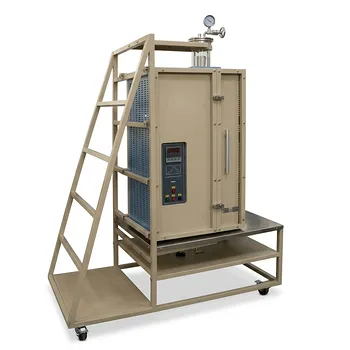
Split Vertical Tube Furnace with 1200C Quartz Tube and Stainless Steel Vacuum Flanges for Rapid Thermal Processing
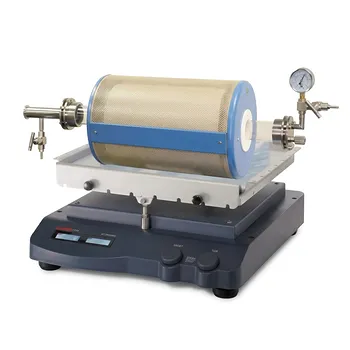
High Temperature Rocking Tube Furnace with Quartz Tube and Vacuum Flange for Materials Synthesis
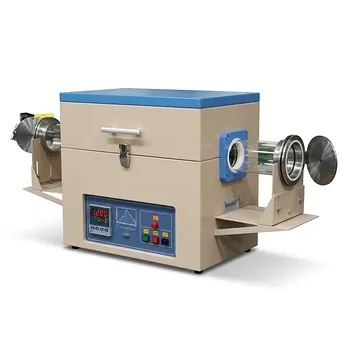
High Temperature 1200C Split Tube Furnace with Hinged Vacuum Flanges and 4 Inch Quartz Tube for Laboratory Research
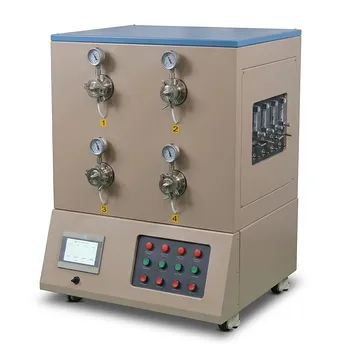
High Throughput 1200C Four Channel Tube Furnace with 3 Inch Quartz Tubes for Multi Zone Annealing and Material Research
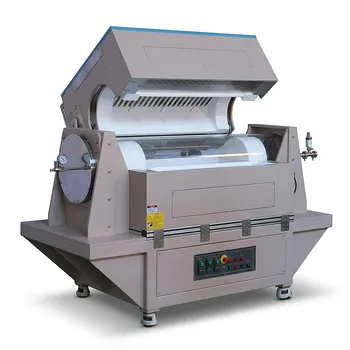
Three Zone Tube Furnace with 11 Inch or 15 Inch Quartz Tube and Hinged Flanges for Vacuum Atmosphere Heat Treatment
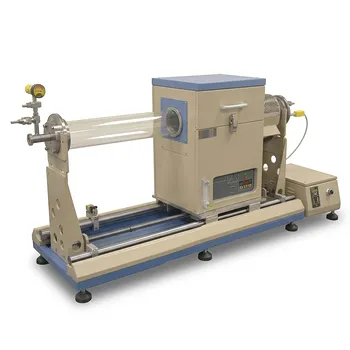
Rapid Thermal Processing Sliding Tube Furnace with 4 Inch OD Quartz Tube and 900C IR Heating
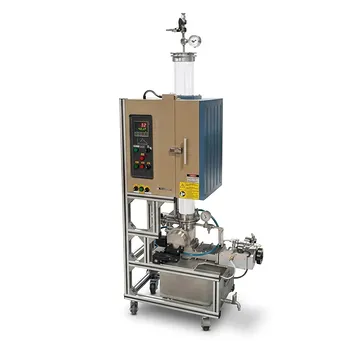
1200C High Temperature Atmosphere Controlled Vertical Quenching Tube Furnace with 4 Inch Quartz Tube

Compact Vertical Split Quartz Tube Furnace with Stainless Steel Vacuum Flanges for Rapid Thermal Quenching and Controlled Atmosphere Material Processing
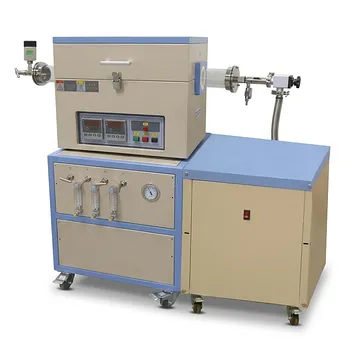
Dual Zone Quartz Tube Furnace with 80mm Diameter 1200C Max Temperature 3 Channel Gas Mixer and Vacuum Pump System

1200°C 5 Inch Vertical Quartz Tube Furnace with Stainless Steel Vacuum Flanges

High Temperature Automated 5 Inch Tube Furnace for Autonomous Material Research and Advanced Laboratory R&D
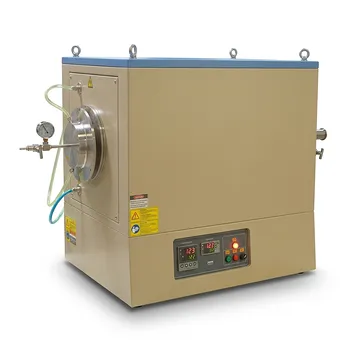
1100°C Large Diameter Quartz Tube Furnace with 24 Inch Heating Zone and Water Cooled Flanges
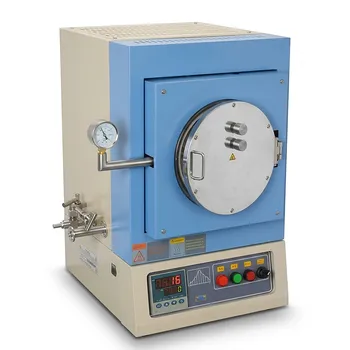
1100°C High Temperature Quartz Chamber Furnace 8 Inch OD with 7.6 Liter Capacity and Vacuum Atmosphere Capability
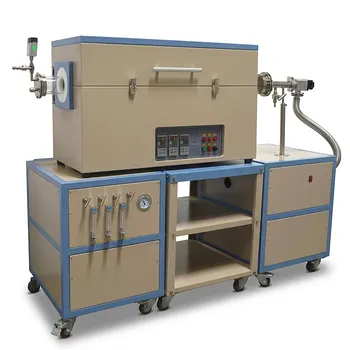
Three Zone Quartz Tube Furnace with 3 Channel Gas Mixer Vacuum Pump and Anti Corrosive Vacuum Gauge
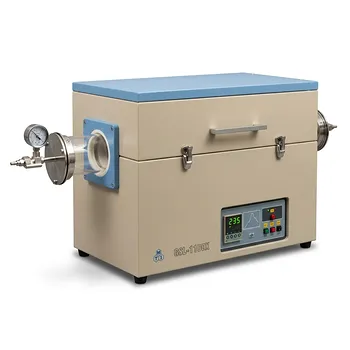
Single Zone Tube Furnace 5 Inch Quartz Tube 36 Inch Heating Zone Vacuum Flanges
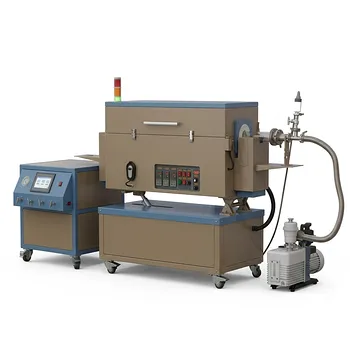
5 Inch Three Zone Rotary Tube Furnace with Integrated Gas Delivery System and 1200C Capability for Advanced Material CVD Processing
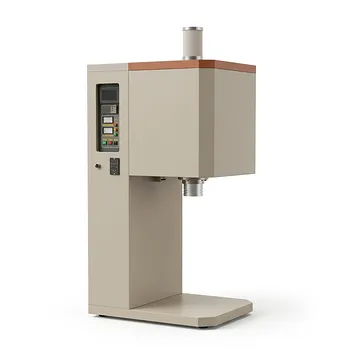
Vertical Openable Tube Furnace 0-1700c High Temperature Laboratory System for CVD and Vacuum Heat Treatment

High Temperature 1700C Vertical Tube Furnace for Powder Spherification and Material Sintering
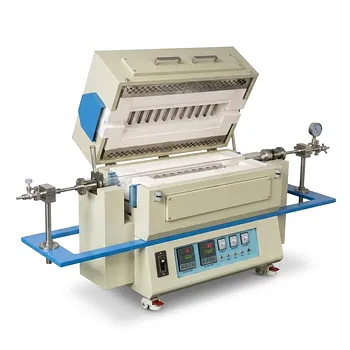
High Temperature Dual Zone Rotating Tube Furnace 1500C Silicon Carbide Heating for Advanced Material Synthesis