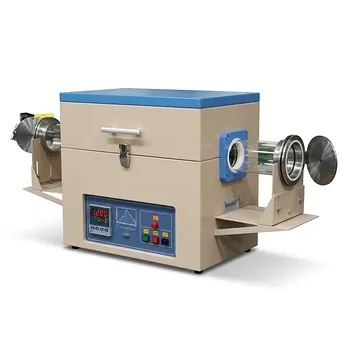
How does a tube furnace facilitate the melt-diffusion infusion of selenium into Mo@CNFs? Precision Thermal Synthesis
Updated 3 months ago
A tube furnace facilitates the melt-diffusion of selenium into Mo@CNFs by providing a precisely controlled, oxygen-free thermal environment that converts solid selenium into a mobile fluid. This process allows the selenium to infiltrate the internal channels and mesoporous structures of the carbon nanofibers through capillary forces. By employing a segmented heating strategy between 300°C and 400°C, the furnace ensures high active material loading while simultaneously removing unstable residual selenium from the substrate surface.
Core Takeaway: The tube furnace acts as a precision thermal platform that uses controlled phase transitions and capillary action to encapsulate selenium within a carbon framework, ensuring a uniform and stable composite material.
The Mechanism of Thermal Phase Transformation
Converting Selenium into a Mobile Phase
The primary role of the tube furnace is to maintain a stable temperature range, typically between 300°C and 400°C, to melt elemental selenium powder. Within this specific window, selenium transitions from a solid state into a liquid or gaseous state, which is essential for mobility.
Utilizing Capillary Forces for Infiltration
Once the selenium is liquefied, the furnace's thermal stability allows capillary forces to take over. These forces drive the molten selenium to spontaneously wet and fill the internal channels and mesoporous structures of the Mo@CNFs (molybdenum-doped carbon nanofibers).
Ensuring High Dispersion and Uniformity
The uniform heat distribution within the furnace chamber ensures that the selenium does not aggregate in specific areas. This results in the high dispersion of the active material throughout the conductive carbon skeleton, which is vital for the performance of the final composite.
The Role of Atmospheric Control and Flow Dynamics
Protection via Inert Atmosphere
A tube furnace provides a strictly controlled environment, typically using inert Nitrogen (N2) or Argon (Ar) gas. This protection is critical to prevent the oxidative loss of the carbon matrix and the molybdenum components during high-temperature treatment.
Gas-Phase Transport and Vapor Contact
In some configurations, the furnace facilitates gas-phase transport by using a carrier gas to move evaporated selenium vapor toward the substrate. By placing the selenium powder upstream, the Ar carrier gas ensures the vapor makes full contact with the solid Mo@CNFs for in-situ infusion.
Maintaining Phase Purity
The precision of the tube furnace's temperature control system prevents unwanted chemical reactions or phase changes. This ensures the phase purity of the Mo@CNFs and the resulting selenium composite, preserving the intended electrochemical characteristics.
Segmented Heating and Surface Optimization
Multi-Stage Thermal Profiles
The infusion process often relies on segmented heating, where the furnace is programmed to hold specific temperatures for set durations. For example, an initial soak at 300°C facilitates deep diffusion, while a subsequent ramp to 400°C addresses surface quality.
Removal of Unstable Residuals
The later stages of the heating process are designed to evaporate unencapsulated selenium from the surface of the carbon substrate. This cleanup step is essential for creating a stable material where the active selenium is securely "anchored" within the pores rather than loosely attached to the exterior.
Achieving High Selenium Loading
By carefully balancing the time and temperature, the tube furnace allows for maximum loading of the active material. This precision ensures that the internal volume of the carbon nanofibers is utilized effectively without clogging the transport pathways.
Understanding the Trade-offs
Temperature Sensitivity and Material Loss
If the furnace temperature exceeds the optimal range, selenium may transition too quickly into a vapor and be carried away by the inert gas before it can infiltrate the pores. This results in low active material loading and inefficient use of precursors.
Flow Rate and Vapor Pressure Balance
The flow rate of the carrier gas must be meticulously balanced; too high a flow can prevent the selenium vapor from dwelling long enough to diffuse, while too low a flow may lead to non-uniform distribution across the sample boat.
Thermal Lag in Bulk Samples
In larger batches, the center of the material may not reach the target temperature as quickly as the edges. This thermal gradient can lead to inconsistent infusion depths, requiring longer dwell times that might risk degrading the surface of the outer fibers.
How to Apply This to Your Process
Optimization Strategies Based on Goals
- If your primary focus is maximizing selenium loading: Utilize a lower-temperature dwell (near 300°C) for an extended period to allow capillary action to fully saturate the internal mesopores.
- If your primary focus is surface purity and stability: Ensure a definitive second heating stage at 400°C to specifically target and remove any selenium that did not successfully encapsulate within the carbon framework.
- If your primary focus is material phase consistency: Use a steady flow of high-purity Argon gas to maintain a consistent vapor pressure and prevent any localized oxidation of the Mo@CNF skeleton.
The precision of the tube furnace is the defining factor in transforming a simple mixture of powders into a high-performance, nanostructured composite.
Summary Table:
| Process Stage | Key Mechanism | Benefit to Composite Material |
|---|---|---|
| Thermal Phase Transition | Melting at 300°C–400°C | Converts solid Se into a mobile liquid/gas phase |
| Pore Infiltration | Capillary Forces | Drives Se into internal mesoporous structures |
| Atmospheric Control | Inert Gas (Ar/N2) Flow | Prevents oxidation of carbon and molybdenum |
| Segmented Heating | Multi-stage Soaking | Removes unstable surface Se & ensures high loading |
| Vapor Transport | Carrier Gas Dynamics | Ensures high dispersion and uniform Se contact |
Elevate Your Material Research with THERMUNITS
Achieving the perfect melt-diffusion infusion requires absolute precision in temperature and atmospheric control. THERMUNITS is a leading manufacturer of high-temperature laboratory equipment specifically designed for material science and industrial R&D.
We provide a comprehensive range of thermal processing solutions to support your innovation:
- Advanced Tube & Atmosphere Furnaces (Perfect for Se-infusion and CVD processes)
- Muffle, Vacuum, and Rotary Furnaces
- CVD/PECVD Systems & Vacuum Induction Melting (VIM) Furnaces
- Hot Press & Dental Furnaces
- High-Quality Thermal Elements and specialized heat treatment equipment
Our equipment ensures uniform heat distribution and reliable performance for your most sensitive synthesis projects.
Contact THERMUNITS Today to find the ideal thermal solution for your laboratory needs!
References
- Yang Zheng, Yong Wang. Molybdenum single-atoms decorated multi-channel carbon nanofibers for advanced lithium-selenium batteries. DOI: 10.3389/fchem.2024.1416059
Mentioned Products
- Compact High Temperature 1600C Tube Furnace with 50mm Alumina Tube and Vacuum Flanges for Material Sintering
- High Temperature 1700C Six Zone Split Tube Furnace with Alumina Tube and Water Cooled Flanges
- 1800C High Temperature Compact Vacuum Tube Furnace with 60mm OD Alumina Tube and Kanthal MoSi2 Heating Elements
- Six Zone Split Tube Furnace with Alumina Tube and Vacuum Flanges for 1500C High Temperature Thermal Processing and CVD
- High Temperature 1700C Vertical Tube Furnace for Powder Spherification and Material Sintering
People Also Ask
- What is the role of a high-temperature tube furnace in the calcination process of ZnO/In2O3 nanocomposites?
- Why is a high-temperature tube furnace required for CuAlO2 heat treatment? Master Phase Transformation Today
- Function of tube furnaces in cellulose aerogel carbonization? Achieve High-Performance Materials
- What role does a high-temperature tube furnace play in the carbonization? Mastering Precision Carbon Synthesis
- What role does a high-temperature tube furnace play in executing nitrogen absorption kinetic experiments? Expert Insights

Tech Team · ThermUnits
Last updated on Jun 03, 2026
Related Products

Compact High Temperature 1600C Tube Furnace with 50mm Alumina Tube and Vacuum Flanges for Material Sintering

High Temperature 1700C Six Zone Split Tube Furnace with Alumina Tube and Water Cooled Flanges

1800C High Temperature Compact Vacuum Tube Furnace with 60mm OD Alumina Tube and Kanthal MoSi2 Heating Elements
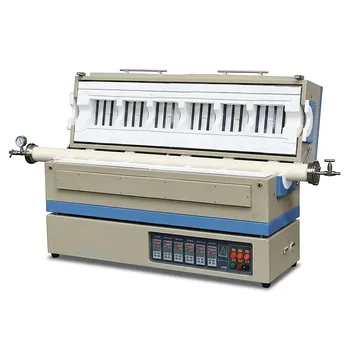
Six Zone Split Tube Furnace with Alumina Tube and Vacuum Flanges for 1500C High Temperature Thermal Processing and CVD

High Temperature 1700C Vertical Tube Furnace for Powder Spherification and Material Sintering

Vertical 1700C Vacuum and Atmosphere Tube Furnace with 80mm Alumina Tube
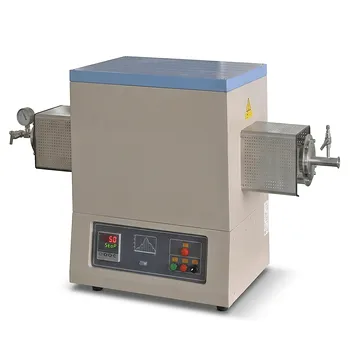
High Temperature 1700C Tube Furnace with 4 Inch OD Alumina Tube and Vacuum Sealing Flanges

High Temperature 1700C Benchtop Tube Furnace with 5 Inch Heating Zone High Purity Alumina Tube and Vacuum Sealing Flanges
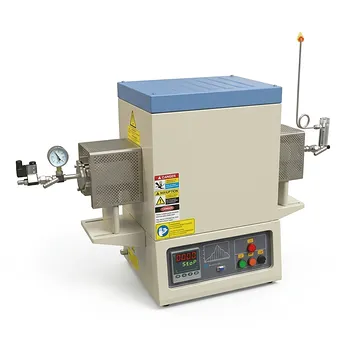
1700C Hydrogen Gas Tube Furnace with 60mm Alumina Process Tube and Integrated Hydrogen Safety Detector

Compact Vertical Split Quartz Tube Furnace with Stainless Steel Vacuum Flanges for Rapid Thermal Quenching and Controlled Atmosphere Material Processing
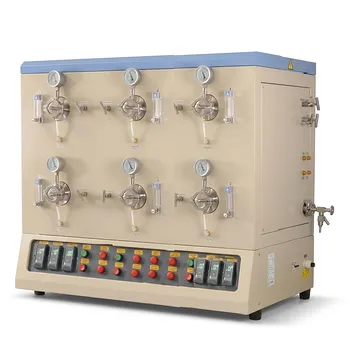
1200C High Throughput Multi Channel Tube Furnace with 50mm Quartz Tubes for Annealing and Material Phase Diagram Research
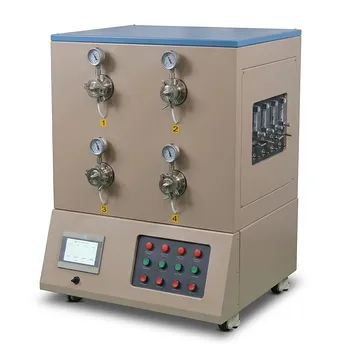
High Throughput 1200C Four Channel Tube Furnace with 3 Inch Quartz Tubes for Multi Zone Annealing and Material Research
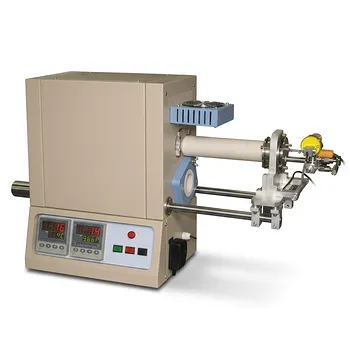
High Temperature Tube Furnace 1500C with Sliding Flanges and 50mm OD for Rapid Thermal Processing Fast Heating and Cooling
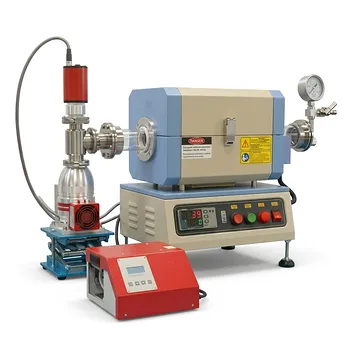
High Vacuum Compact Tube Furnace 1200C with Integrated Turbo Pump System and 8 Inch Heating Zone
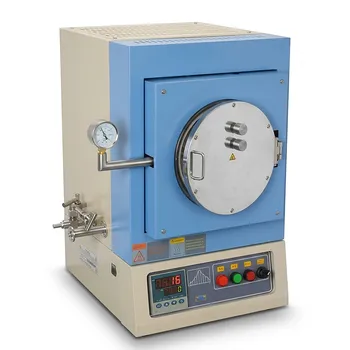
1100°C High Temperature Quartz Chamber Furnace 8 Inch OD with 7.6 Liter Capacity and Vacuum Atmosphere Capability
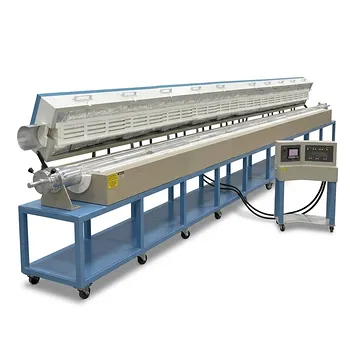
12 Zone Ultra Long Split Tube Furnace with 20 Foot Quartz Tube and 1100C Max Temperature

1200°C 5 Inch Vertical Quartz Tube Furnace with Stainless Steel Vacuum Flanges
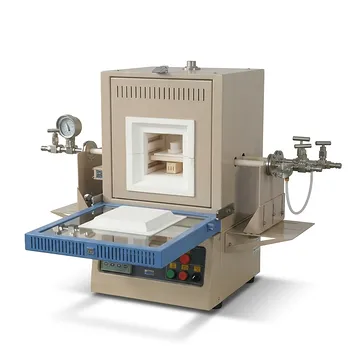
1700C Compact Hybrid Furnace with Dual Layer Box Sintering and Controlled Atmosphere Alumina Tubes
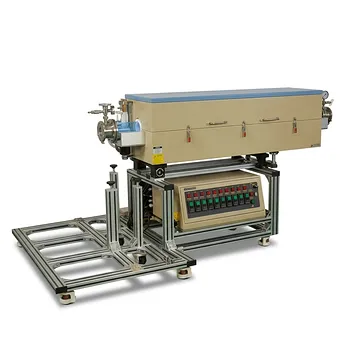
Ten Zone Multi Orientation Laboratory Tube Furnace for 1200C High Temperature Gradient Thermal Processing