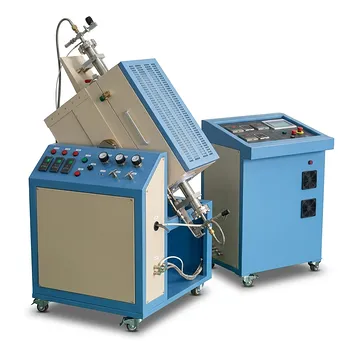
What role does a high-temperature tube furnace play in the carbonization? Mastering Precision Carbon Synthesis
Updated 3 months ago
The high-temperature tube furnace is the critical vessel for transforming organic precursors into high-performance carbon materials. It provides a stable, oxygen-free thermal environment that facilitates pyrolysis, allowing materials like Camellia oleifera shells to undergo controlled decomposition into complex, multi-layered carbon skeletons.
A high-temperature tube furnace acts as a precision reactor that enables the structural reorganization of biomass into functional carbon. By meticulously controlling temperature, heating rates, and inert atmospheres, it ensures the removal of volatiles while preserving and engineering the material's internal pore network.
The Functional Role of the Tube Furnace
Facilitating Controlled Pyrolysis
The primary function of the furnace is to provide the precise thermal energy required for pyrolysis, which is the chemical decomposition of organic materials in the absence of oxygen. For precursors like Camellia oleifera shells, maintaining a stable temperature (often around 500 °C to 800 °C) is essential to drive the transition from raw biomass to a stable carbon framework.
Removal of Volatile Components
As the furnace heats the shells, it triggers the release of volatile matter such as moisture, gasses, and light oils. This steady elimination of non-carbon elements allows the remaining carbon chains to reorganize, thickening the "skeleton" of the material and increasing the overall carbon purity.
Promoting Structural Reorganization
Beyond simple heating, the furnace enables complex chemical reactions like dehydration, decarboxylation, and polycondensation. These processes transform the disorganized polymer fibers found in biomass into specific crystalline or amorphous carbon structures, which are vital for the material's future mechanical and chemical properties.
Engineering the Microstructure
The Necessity of Atmosphere Control
A tube furnace is uniquely capable of maintaining a strict inert atmosphere, using gases like Nitrogen (N2) or Argon (Ar). This prevents oxidative combustion—otherwise, the Camellia oleifera shells would simply turn to ash—and ensures the carbon remains intact to form high-strength networks or pseudo-graphitic structures.
Developing Porosity and Surface Area
Precise temperature control at specific intervals (such as a sustained 500 °C) is the key to developing high specific surface areas. By managing the heating rate (e.g., 10 °C/min), the furnace dictates the size and complexity of the resulting porous networks, which are critical for applications like filtration or energy storage.
Precision in Liquid-to-Solid Phase Transitions
For precursors involving binders or composites, the furnace manages the thermal decomposition of pitch binders and other additives. This ensures a stable heating curve that transforms plastic, "green" blocks into rigid, high-strength isotropic carbon blocks with developed crystallinity.
Understanding the Trade-offs
Temperature Sensitivity and Structural Damage
While higher temperatures generally increase carbon purity, exceeding the optimal range for a specific precursor can lead to structural collapse. If the furnace temperature is too high, the delicate micropores in Camellia oleifera shells may fuse, significantly reducing the surface area and the material's effectiveness for adsorption.
Heating Rate vs. Carbon Yield
The speed at which the furnace reaches its target temperature, known as the heating rate, involves a trade-off between efficiency and quality. Rapid heating (flash pyrolysis) may cause an explosive release of volatiles that cracks the carbon skeleton, while excessively slow heating consumes significant energy and may result in a lower yield of functional surface groups.
Atmosphere Purity and Oxidation Risks
The effectiveness of the carbonization depends entirely on the integrity of the tube seals. Even a minor oxygen leak into the furnace at high temperatures can cause partial oxidation, which weakens the resulting carbon fibers and introduces unwanted oxygen-containing functional groups that alter the material's chemical stability.
How to Apply This to Your Project
To achieve high-quality carbonization, you must align your furnace parameters with your specific material goals.
- If your primary focus is High Adsorption Capacity: Maintain a moderate temperature (500–700 °C) and a slow heating rate to maximize the development of an intricate, microporous network.
- If your primary focus is Mechanical Strength: Utilize higher temperatures (above 1000 °C) under a strict Nitrogen atmosphere to promote the formation of rigid, high-strength carbon chains and isotropic structures.
- If your primary focus is Initial Coulombic Efficiency: Use highly controlled temperatures (up to 1200 °C) in an Argon environment to create pseudo-graphitic structures with abundant closed pores.
By mastering the thermal and atmospheric variables of the tube furnace, researchers can unlock the full potential of biomass precursors for advanced material science applications.
Summary Table:
| Key Role | Impact on Material Science Precursors | Recommended Parameters |
|---|---|---|
| Controlled Pyrolysis | Transfroms biomass into stable carbon frameworks | 500°C – 800°C (Precursor dependent) |
| Atmosphere Control | Prevents oxidation and ensures high carbon purity | Inert Gasses (Nitrogen or Argon) |
| Heating Rate Management | Dictates porosity and specific surface area | Optimized at ~10°C/min |
| Structural Engineering | Promotes dehydration and crystalline reorganization | Precise thermal soaking intervals |
Elevate Your R&D with THERMUNITS Precision Furnaces
High-performance carbon materials require absolute thermal precision. As a leading manufacturer of high-temperature laboratory equipment, THERMUNITS provides the advanced technology necessary for cutting-edge material science and industrial R&D.
Our extensive range of thermal processing solutions—including Muffle, Vacuum, Atmosphere, and Tube furnaces, as well as CVD/PECVD systems, Rotary kilns, and Vacuum Induction Melting (VIM) furnaces—is designed to give you complete control over pyrolysis, carbonization, and heat treatment.
Whether you are engineering porous carbon from biomass or developing advanced isotropic structures, our team is ready to help you find the perfect equipment to achieve your research goals.
Ready to optimize your thermal processes?
Contact our technical experts today to get a tailored solution for your laboratory!
References
- Zhimin Yang, Anping Wang. Efficient Preparation of Biodiesel Using Sulfonated Camellia oleifera Shell Biochar as a Catalyst. DOI: 10.3390/molecules29122752
Mentioned Products
- High Temperature Tube Furnace 1500C with Sliding Flanges and 50mm OD for Rapid Thermal Processing Fast Heating and Cooling
- High Temperature 1700C Tube Furnace with High Vacuum Turbomolecular Pump System and Multi Channel Mass Flow Controller Gas Mixer
- 1750°C High Temperature Benchtop Vacuum Atmosphere Tube Furnace with Kanthal Super 1800 Heating Elements and 60mm Alumina Processing Tube
- High Temperature 1700C Benchtop Tube Furnace with 5 Inch Heating Zone High Purity Alumina Tube and Vacuum Sealing Flanges
- 1700C High Temperature Alumina Tube Furnace with 18 Inch Heated Zone and Vacuum Sealing Flanges
People Also Ask
- How are high-temperature tube furnaces utilized to repair etching damage? Precision Lattice Restoration Solutions
- What role does a high-temperature tube furnace play in CVD synthesis of silicon nanowires? Master VLS Growth Precision.
- What core conditions does a high-temperature tube furnace provide for rGO aerogels? Mastering Precision Synthesis.
- What role does a high-temperature tube furnace play in the sulfidation heat treatment of CoS@C/MXene nanocomposites? Guide
- How does precision tube furnace control influence CoFe nanoparticle formation? Master Your Bimetallic Synthesis.

Tech Team · ThermUnits
Last updated on Jun 02, 2026
Related Products
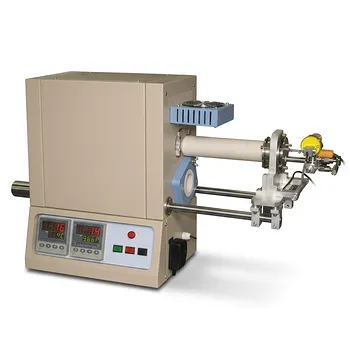
High Temperature Tube Furnace 1500C with Sliding Flanges and 50mm OD for Rapid Thermal Processing Fast Heating and Cooling

High Temperature 1700C Tube Furnace with High Vacuum Turbomolecular Pump System and Multi Channel Mass Flow Controller Gas Mixer
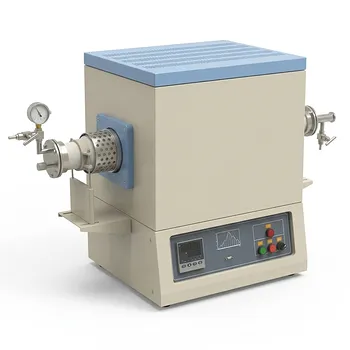
1750°C High Temperature Benchtop Vacuum Atmosphere Tube Furnace with Kanthal Super 1800 Heating Elements and 60mm Alumina Processing Tube

High Temperature 1700C Benchtop Tube Furnace with 5 Inch Heating Zone High Purity Alumina Tube and Vacuum Sealing Flanges
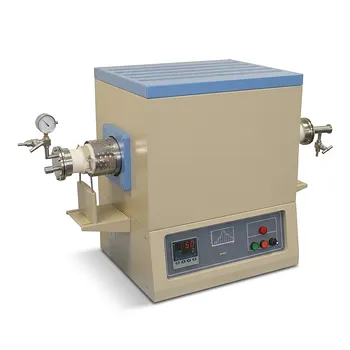
1700C High Temperature Alumina Tube Furnace with 18 Inch Heated Zone and Vacuum Sealing Flanges
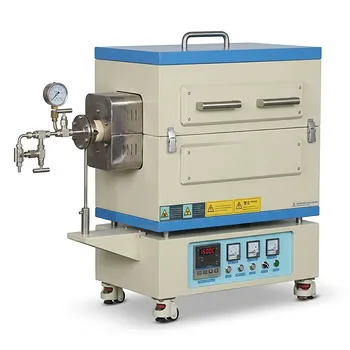
High Temperature Split Tube Furnace 1500C for Material Research Vacuum and Atmosphere Thermal Processing

Compact High Temperature 1600C Tube Furnace with 50mm Alumina Tube and Vacuum Flanges for Material Sintering

1800C High Temperature Compact Vacuum Tube Furnace with 60mm OD Alumina Tube and Kanthal MoSi2 Heating Elements
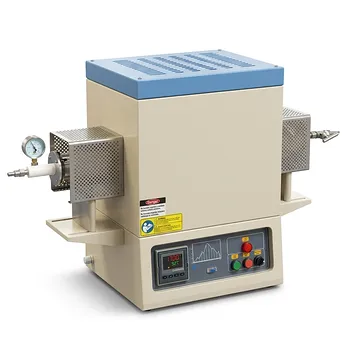
High Temperature Three Zone Tube Furnace 1700C with Alumina Tube and Water Cooled Flanges
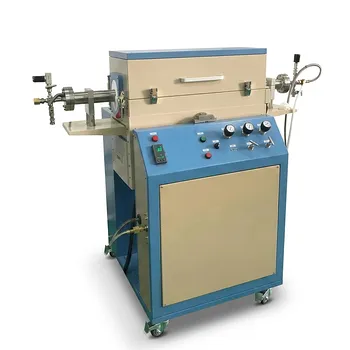
High Temperature Rocking Tube Furnace 1700°C Alumina Processing Tube with Precision Oscillation for Material Synthesis
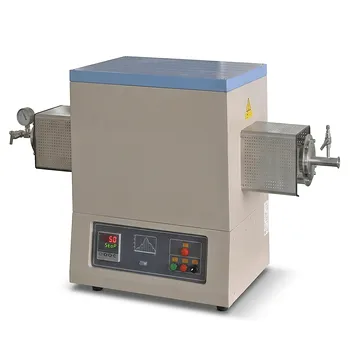
High Temperature 1700C Tube Furnace with 4 Inch OD Alumina Tube and Vacuum Sealing Flanges

High Temperature 1700C Vertical Tube Furnace for Powder Spherification and Material Sintering
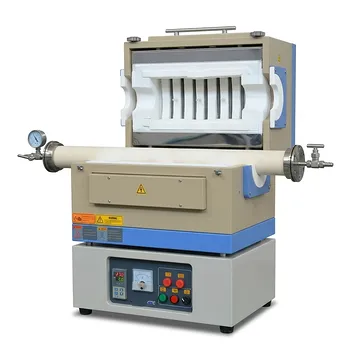
High Temperature 1600C Split Tube Furnace Vacuum Flanges Valves Optional 60mm 80mm Alumina Tube

High Temperature Automated 5 Inch Tube Furnace for Autonomous Material Research and Advanced Laboratory R&D

High Temperature 1700C Six Zone Split Tube Furnace with Alumina Tube and Water Cooled Flanges
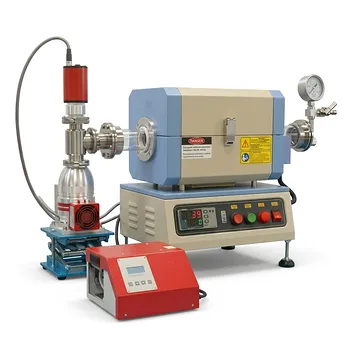
High Vacuum Compact Tube Furnace 1200C with Integrated Turbo Pump System and 8 Inch Heating Zone
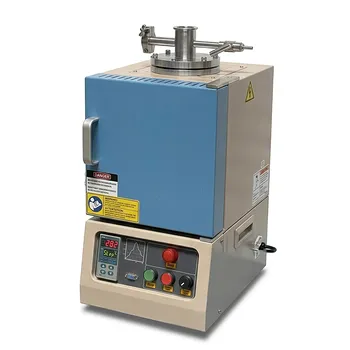
High Temperature Hybrid Muffle and Tube Furnace with Vacuum Capability and PID Control
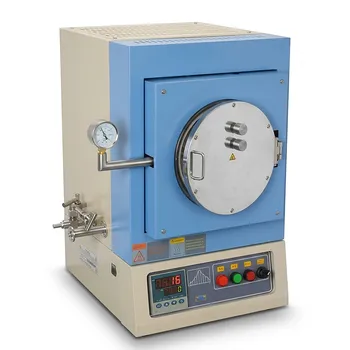
1100°C High Temperature Quartz Chamber Furnace 8 Inch OD with 7.6 Liter Capacity and Vacuum Atmosphere Capability

1100C Tube Furnace with Vacuum Flange and Programmable Temperature Controller for Material Science and Industrial Heat Treatment