How does a vertical tube furnace contribute to the reliability of corrosion kinetic data? Ensure Precision Stability
Updated 3 months ago
The vertical tube furnace is the essential foundation for generating high-fidelity corrosion data over extended durations. It ensures reliability by maintaining a uniform thermal field and a strictly controlled chemical atmosphere, preventing environmental fluctuations from contaminating the kinetic results. In a 100-hour experiment, this stability allows researchers to isolate the specific mechanisms of material dissolution and atomic diffusion without interference from external variables.
Core Takeaway: A vertical tube furnace provides the necessary thermodynamic and atmospheric consistency required to ensure that long-term corrosion data is both reproducible and reflective of actual industrial conditions.
Precision Thermal Management as a Kinetic Driver
Constant Temperature for Atomic Diffusion
Reliable corrosion data requires a constant kinetic driver to facilitate the movement of liquid metal atoms and the dissolution of steel. The furnace maintains a uniform high-temperature environment, such as 650°C, ensuring that the energy available for chemical reactions remains consistent for the entire 100-hour duration.
Precise Control for Industrial Simulation
To produce data that is applicable to real-world scenarios, the furnace must mimic specific industrial operating conditions. Advanced programmable temperature control systems allow for the creation of a stable thermal field that minimizes temperature "swing," which would otherwise skew the rate of corrosion.
Maintaining the Electrolyte State
In experiments involving molten salts or fluoride electrolytes, keeping the medium at a precise target (e.g., 800°C) is critical. Consistent heating prevents localized solidification or overheating, ensuring the fluoride electrolyte maintains the correct viscosity and chemical activity throughout the test.
Atmospheric Integrity and Chemical Stability
Preventing Uncontrolled Oxidation
The sealed design of the vertical tube furnace is critical for maintaining an inert environment, typically using high-purity nitrogen. By excluding oxygen, the furnace prevents the deterioration of molten salt components and protects graphite or metal furnace parts from oxidative loss at high temperatures.
Maintaining Redox Environments
In complex studies involving evaporation or gas-phase reactions, the furnace tube allows for a continuous and stable flow of gases, such as CO and CO2 mixtures. This setup enables the precise simulation of specific redox environments, ensuring that the chemical potential of the surroundings remains constant over the 100-hour period.
Prompt Removal of Reaction Products
The vertical configuration and controlled gas flow facilitate the prompt removal of evaporated substances from the reaction zone. This prevents the buildup of gas-phase products that could stifle the reaction, allowing the corrosion or evaporation process to proceed continuously and naturally.
Structural Advantages of the Vertical Configuration
Optimized Sample Suspension
The vertical orientation is specifically designed to facilitate the suspension of samples within the furnace's "sweet spot" or constant temperature zone. This ensures that the sample is not in contact with the furnace walls, which could lead to contamination or uneven heat distribution.
Efficient Gas Dynamics
The vertical tube allows for more natural gas buoyancy and flow patterns compared to horizontal setups. This enhances the stability of the atmosphere around the sample, ensuring that the concentration of reactive or inert gases is uniform across the entire surface area of the test specimen.
Understanding the Trade-offs and Challenges
The Constant Zone Limitation
While the furnace provides a uniform field, this "constant zone" is often limited in size. If the sample is too large or improperly positioned, it may experience a thermal gradient, leading to inconsistent corrosion rates across its surface.
Gas Flow Rate Sensitivity
While gas flow is necessary for maintaining the atmosphere, excessively high flow rates can cause localized cooling or "shrouding" effects. This can lead to a lower effective temperature at the sample surface than the furnace thermocouple indicates, potentially underreporting the corrosion kinetics.
How to Apply This to Your Project
Maximizing Data Reliability
- If your primary focus is kinetic accuracy: Ensure the sample is placed precisely in the center of the furnace's calibrated constant temperature zone to avoid gradient-induced errors.
- If your primary focus is preventing contamination: Utilize a high-purity nitrogen purge and verify the integrity of the tube seals before beginning a long-duration 100-hour run.
- If your primary focus is simulating specific redox states: Use the furnace's gas-mixing capabilities to maintain a continuous flow of reactant gases, ensuring gas-phase products are removed promptly.
By strictly controlling the thermal and chemical environment, the vertical tube furnace transforms a 100-hour test from a mere observation into a rigorous, reproducible scientific measurement.
Summary Table:
| Key Feature | Benefit for 100h Experiments | Impact on Reliability |
|---|---|---|
| Uniform Thermal Field | Maintains constant energy for atomic diffusion | Eliminates temperature "swing" errors |
| Sealed Atmosphere | Prevents oxidation of molten salts and parts | Ensures chemical potential stability |
| Vertical Setup | Optimized sample suspension in thermal "sweet spot" | Prevents wall contamination and gradient errors |
| Gas Flow Dynamics | Facilitates prompt removal of reaction products | Maintains continuous and natural reaction rates |
Optimize Your Research with THERMUNITS High-Performance Furnaces
Achieving reproducible corrosion data requires world-class thermal stability and atmospheric integrity. THERMUNITS is a leading manufacturer of high-temperature laboratory equipment for material science and industrial R&D. We offer a comprehensive range of thermal processing solutions, including Tube, Muffle, Vacuum, Atmosphere, and Rotary furnaces, alongside CVD/PECVD systems, Hot Press furnaces, Vacuum Induction Melting (VIM), and Dental Furnaces.
Partner with us to provide your laboratory with the precision equipment necessary to ensure your 100-hour experiments deliver the high-fidelity results your project demands.
Contact our engineering team today to find your perfect heat treatment solution!
References
- А. В. Абрамов, Ilya B. Polovov. Corrosion of Steels in Liquid Bismuth–Lithium Alloy. DOI: 10.3390/met14111215
Mentioned Products
- High Temperature 1700C Vertical Tube Furnace for Powder Spherification and Material Sintering
- Vertical 1700C Vacuum and Atmosphere Tube Furnace with 80mm Alumina Tube
- 500C Vacuum Vertical Tube Furnace 84mm OD Sample Rotation Lifting System
- 1100°C Split Vertical Tube Furnace with 80mm Quartz Tube and Stainless Steel Vacuum Flanges
- Split Vertical Tube Furnace with 1200C Quartz Tube and Stainless Steel Vacuum Flanges for Rapid Thermal Processing
People Also Ask
- What role does a high-temperature vertical tube furnace play in simulating high-carbon ferromanganese slag formation?
- What functions does a vertical high-temperature tube furnace perform? Master Industrial Sintering & R&D Simulation
- What is the primary function of a high-temperature tube furnace in Cu1-N-C synthesis? Precision Thermal Control.
- High-Temp Tube Furnace Role in Converting Microbial Proteins to Iron Single-Atom Sites: Expert Synthesis Guide
- What impact does the heating rate of a tube furnace have on biochar microstructure? Optimize Your Material R&D.

Tech Team · ThermUnits
Last updated on Jun 03, 2026
Related Products

High Temperature 1700C Vertical Tube Furnace for Powder Spherification and Material Sintering

Vertical 1700C Vacuum and Atmosphere Tube Furnace with 80mm Alumina Tube
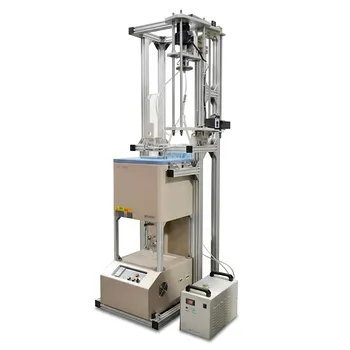
500C Vacuum Vertical Tube Furnace 84mm OD Sample Rotation Lifting System
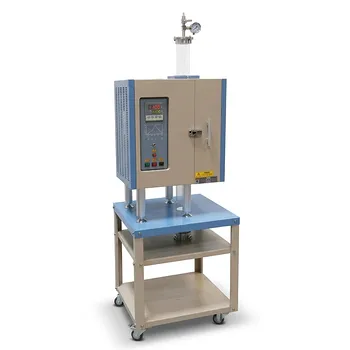
1100°C Split Vertical Tube Furnace with 80mm Quartz Tube and Stainless Steel Vacuum Flanges
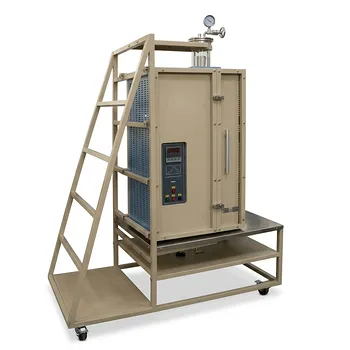
Split Vertical Tube Furnace with 1200C Quartz Tube and Stainless Steel Vacuum Flanges for Rapid Thermal Processing

Compact Vertical Split Quartz Tube Furnace with Stainless Steel Vacuum Flanges for Rapid Thermal Quenching and Controlled Atmosphere Material Processing
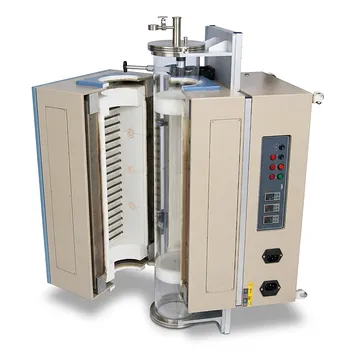
Large Vertical Three Zone Tube Furnace with 8 Inch or 11 Inch Quartz Tube and High Vacuum Flanges 1200C
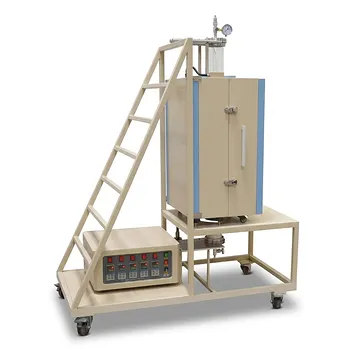
Five Zone Split Vertical Tube Furnace 1200C Max with 4 Inch Quartz Tube and Stainless Steel Vacuum Flanges
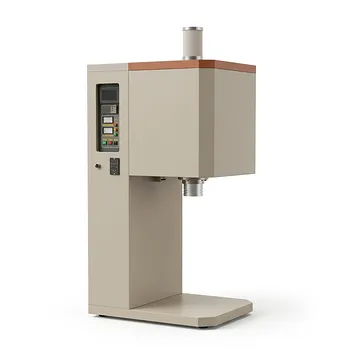
Vertical Openable Tube Furnace 0-1700c High Temperature Laboratory System for CVD and Vacuum Heat Treatment

1200°C 5 Inch Vertical Quartz Tube Furnace with Stainless Steel Vacuum Flanges
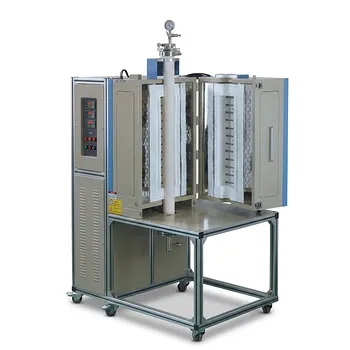
Three Zone Heating Split Vertical Tube Furnace 1700 High Temperature Vacuum Atmosphere Thermal Process System
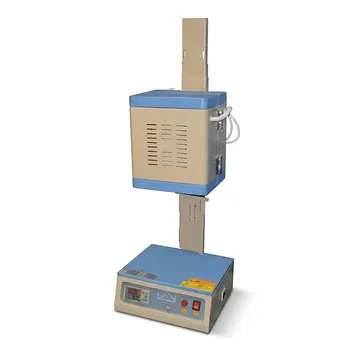
High Temperature Vertical Split Tube Furnace with PID Temperature Controller for 1 and 2 Inch Processing Tubes
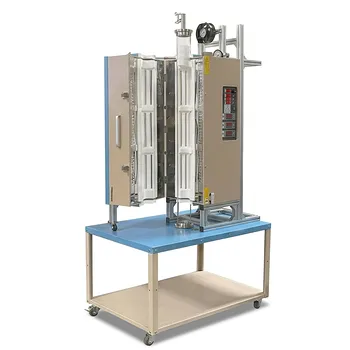
1200C Three Zone Split Vertical Tube Furnace 4 Inch Quartz Tube Stainless Steel Vacuum Flanges
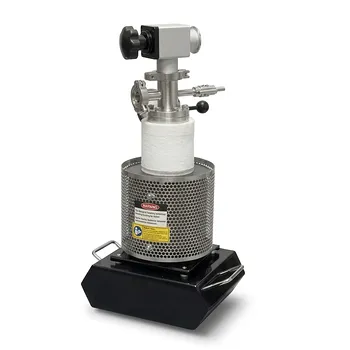
High Temperature 1100C Compact Top Loading Vertical Vacuum Tube Furnace for High Vacuum Noble Metal Melting and Material Research
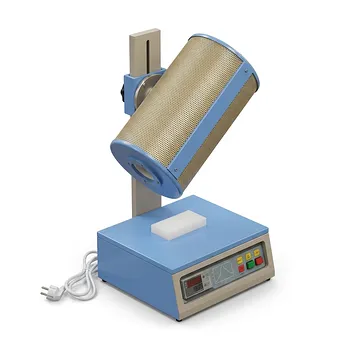
1100°C Vertical Laboratory Furnace for DIY Tubular Reactors with PID Temperature Controller
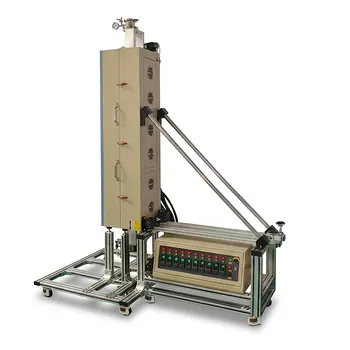
1200°C 10-Zone Split Tube Furnace with Horizontal and Vertical Mounting for Multi-Zone Thermal Gradients and Large Diameter Material Processing
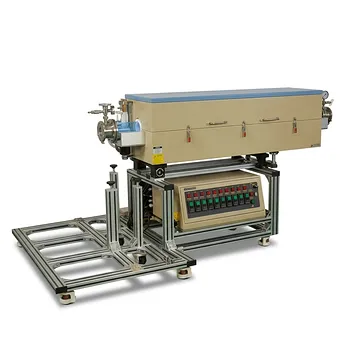
Ten Zone Multi Orientation Laboratory Tube Furnace for 1200C High Temperature Gradient Thermal Processing

High Temperature 1700C Six Zone Split Tube Furnace with Alumina Tube and Water Cooled Flanges

1100C Tube Furnace with Vacuum Flange and Programmable Temperature Controller for Material Science and Industrial Heat Treatment
