How does an atmosphere control system contribute to rice husk thermal conversion? Optimize Ash & Silica Research
Updated 3 months ago
The core utility of an atmosphere control system lies in its ability to toggle between chemically distinct environments to simulate industrial thermal processes. By regulating high-purity nitrogen for pyrolysis and compressed air for combustion, the system enables researchers to observe how rice husk ash behaves under varying oxygen levels. This precise control is essential for identifying how different thermal stages affect ash formation, slagging risks, and the ultimate quality of the silica produced.
Core Takeaway: Atmosphere control systems provide the flexibility to simulate both reducing and oxidizing environments, which is critical for identifying slagging risks and optimizing silica quality during the different stages of rice husk conversion.
Simulating Industrial Realities Through Atmospheric Control
High-Purity Nitrogen for Pyrolysis Studies
High-purity nitrogen is used to create a reducing atmosphere, which is essential for studying the pyrolysis stage of rice husk conversion. This environment mimics the conditions found in the reduction zones of industrial gasifiers where organic matter breaks down in the absence of oxygen.
Compressed Air for Combustion Environments
The introduction of compressed air facilitates an oxidizing atmosphere, simulating the conditions near the nozzle zones of a furnace or gasifier. This allows researchers to study the complete combustion of carbon and the final state of inorganic ash.
Comparative Environmental Analysis
By switching between these two gases, researchers can perform a comparative analysis of how rice husk behaves at different stages of the same industrial process. This dual-environment capability is the only way to accurately map the transition from raw biomass to biochar and final ash.
Analyzing Ash Formation and Quality
Identifying Slagging Risks
Slagging, the formation of molten ash deposits that can clog machinery, varies significantly between reducing and oxidizing environments. Atmosphere control allows researchers to pinpoint the exact atmospheric conditions that trigger slagging risks, helping to protect industrial-scale equipment.
Precision Control for Silica Quality
Rice husks are a major source of biogenic silica, but its quality depends heavily on the thermal environment. The control system enables silica quality control by allowing researchers to determine which gas concentrations yield the most reactive or highest-purity silica for commercial use.
Mapping the Conversion Journey
The system allows for the isolation of specific variables, such as how oxygen concentration affects the porosity and surface area of the resulting ash. This granular data is vital for designing more efficient thermal conversion reactors.
Understanding the Trade-offs
Sensitivity to Gas Purity
The accuracy of pyrolysis data is highly dependent on the use of high-purity nitrogen. Even trace amounts of oxygen can cause partial oxidation, leading to "dirty" data that misrepresents the actual behavior of the rice husk in a true reducing zone.
Thermal Stabilization Delays
Switching between nitrogen and air can introduce thermal fluctuations within the testing chamber. Researchers must account for the time it takes for the system to reach equilibrium after an atmosphere change to avoid recording transient, inaccurate data points.
Complexity of Gas Flow Rates
Maintaining the correct flow rate while switching gases is technically demanding. Improperly calibrated flow can lead to localized hot spots or incomplete reactions, which can obscure the true impact of the atmosphere on ash formation.
Optimizing Your Thermal Conversion Research
To achieve the best results in rice husk studies, your approach to atmosphere control should be dictated by your end-of-process requirements.
- If your primary focus is maximizing silica purity: Focus on fine-tuning the transition to the oxidizing atmosphere to ensure all carbon is removed without over-sintering the silica particles.
- If your primary focus is preventing equipment failure: Prioritize the study of the reducing atmosphere to identify the specific temperatures where slagging begins in the gasification stages.
- If your primary focus is process efficiency: Use the control system to determine the minimum air-to-fuel ratio required for complete combustion, reducing the energy costs associated with air compression.
Precise atmospheric manipulation is the definitive factor in transforming raw rice husk into high-value industrial materials while maintaining operational safety.
Summary Table:
| Process Stage | Atmosphere Type | Gas Used | Research Objective |
|---|---|---|---|
| Pyrolysis | Reducing | High-Purity $N_2$ | Study organic breakdown & mimic gasification zones. |
| Combustion | Oxidizing | Compressed Air | Analyze carbon removal & finalize silica ash quality. |
| Ash Analysis | Transitionary | $N_2$ to Air | Identify slagging risks & map conversion porosity. |
Elevate Your Material Research with THERMUNITS Precision
Are you looking to optimize your thermal conversion processes? THERMUNITS is a leading manufacturer of high-temperature laboratory equipment specifically designed for material science and industrial R&D.
Our advanced Atmosphere, Vacuum, and Tube furnaces provide the precise atmospheric control necessary to switch between reducing and oxidizing environments seamlessly. Whether you are studying biomass conversion, developing high-purity silica, or preventing slagging in industrial reactors, our comprehensive range of thermal solutions—including Muffle, Rotary, CVD/PECVD, and Hot Press furnaces—ensures reliable, repeatable results.
Ready to enhance your lab's capabilities? Contact THERMUNITS today to discuss your specific heat treatment requirements and discover how our equipment can drive your innovation forward.
References
- Samarthkumar Pachchigar, Marcus Öhman. Ash Formation during Combustion of Rice Husks in Entrained Flow Conversion Conditions. DOI: 10.1021/acs.energyfuels.4c01413
Mentioned Products
- High Throughput Induction Melting and Casting Furnace for Superalloy Research 1700C Atmosphere Controlled Multi Sample System
- 1200C Atmosphere Controlled Automatic Bottom Loading Furnace with 6 Inch Quartz Tube Dual Zone System
- Automatic Flammable Gas Control and Disposal Device for Hydrogen Atmosphere Furnaces
- Atmosphere Controlled Induction Melting Granulating Casting Furnace 1500C 5kg Capacity
- Compact Atmosphere Controlled Rapid Thermal Processing RTP Furnace with 4 Inch ID Quartz Tube 1100C
People Also Ask
- Why use atmosphere-controlled induction furnaces for biochar & slag foaming? Replicate EAF physics with precision.
- Why are internal getters such as Titanium used during the synthesis of oxygen-sensitive materials in a melting furnace?
- What roles do an induction furnace and a graphite crucible play in the slag pre-melting process? Optimize Slag Prep.
- What are the primary functions of a High-Frequency Induction Melting Furnace in LMD? Achieve Precision Microstructures
- What is the role of the high-frequency induction melting furnace in Mg-Zn-Y alloy production? Ensure Superior Purity

Tech Team · ThermUnits
Last updated on Jun 03, 2026
Related Products
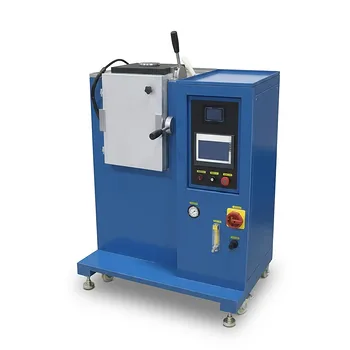
High Throughput Induction Melting and Casting Furnace for Superalloy Research 1700C Atmosphere Controlled Multi Sample System
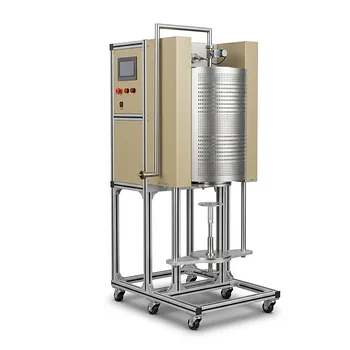
1200C Atmosphere Controlled Automatic Bottom Loading Furnace with 6 Inch Quartz Tube Dual Zone System
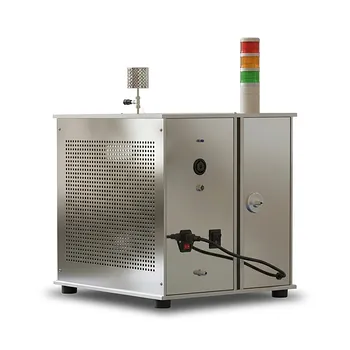
Automatic Flammable Gas Control and Disposal Device for Hydrogen Atmosphere Furnaces
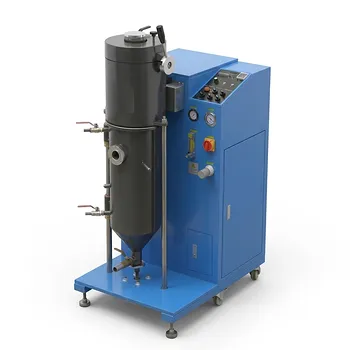
Atmosphere Controlled Induction Melting Granulating Casting Furnace 1500C 5kg Capacity
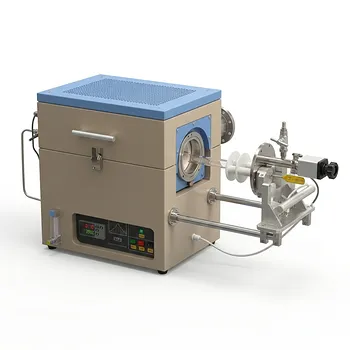
Compact Atmosphere Controlled Rapid Thermal Processing RTP Furnace with 4 Inch ID Quartz Tube 1100C
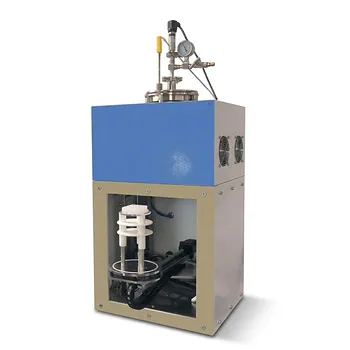
Rapid Thermal Processing Furnace 1100C Atmosphere Controlled Bottom Loading RTP System for Wafer Annealing and Catalysis Research
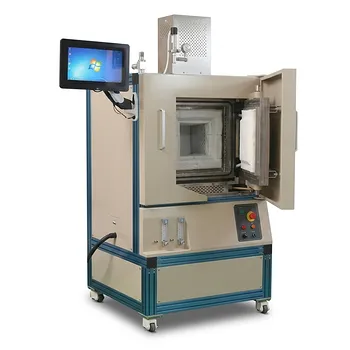
High Temperature Oxygen and Inert Atmosphere Controlled Furnace 8 Liter 1700C Sintering System for Advanced Materials RD
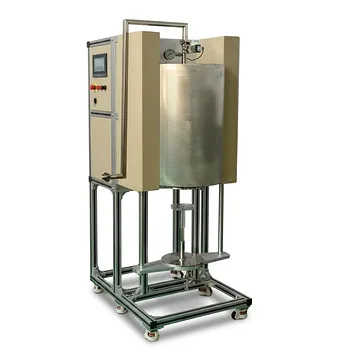
1200°C Atmosphere Controlled Automatic Bottom Loading Furnace with 6 Inch Quartz Tube
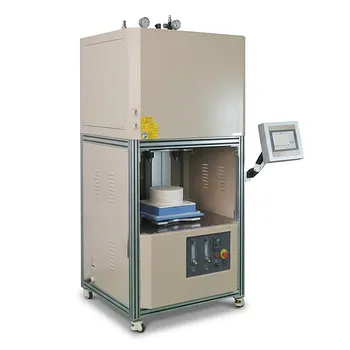
High Temperature Vertical Atmosphere Controlled Furnace 1700C Automatic Bottom Loading 13 Liter Vacuum Thermal System
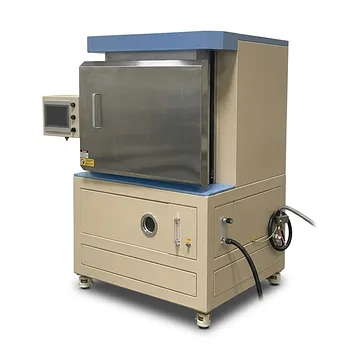
1650C High Temperature Atmosphere Controlled Box Furnace with 65L Chamber for Advanced Material Sintering and Industrial Heat Treatment
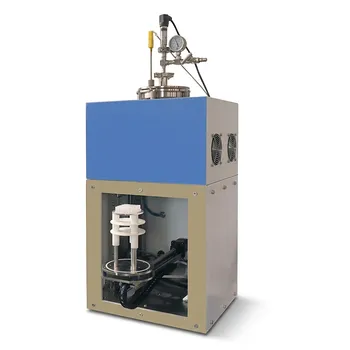
Rapid Thermal Processing RTP Atmosphere Controlled Bottom Loading Furnace 1100C High Throughput 50C per Second Heating Rate
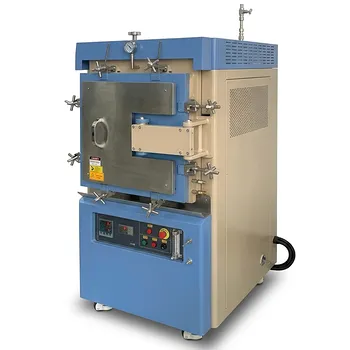
Atmosphere Controlled Muffle Furnace 1700C Maximum Temperature 80L High Capacity Vacuum Inert Gas Box Furnace
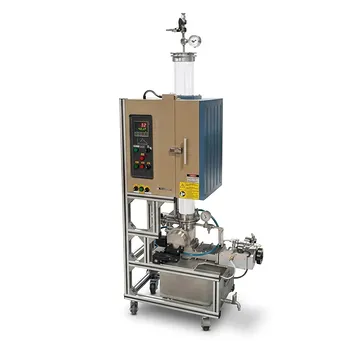
1200C High Temperature Atmosphere Controlled Vertical Quenching Tube Furnace with 4 Inch Quartz Tube
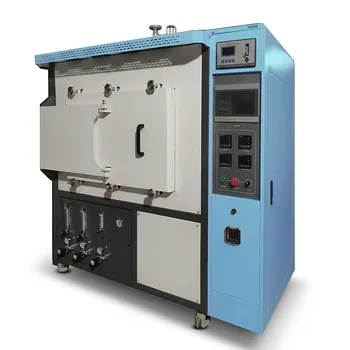
Roller Table Atmosphere Furnace 1500C High Temperature Battery Material Sintering System 112L Capacity
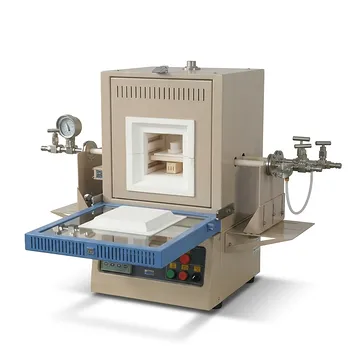
1700C Compact Hybrid Furnace with Dual Layer Box Sintering and Controlled Atmosphere Alumina Tubes
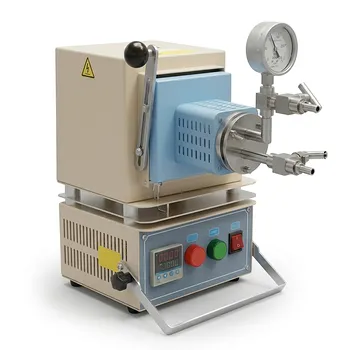
Compact Hybrid Muffle and Tube Furnace for 1000C Controlled Atmosphere Laboratory Material Sintering
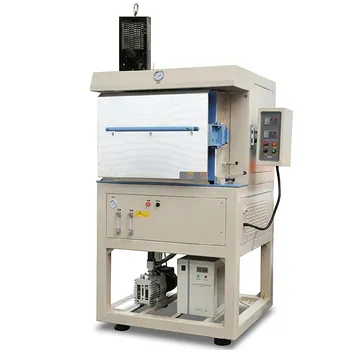
1200C Hydrogen Atmosphere Box Furnace with 5 Heated Sides and 64L Chamber
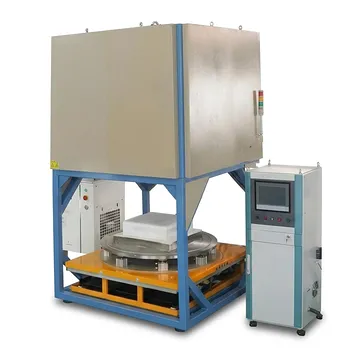
Bottom Loaded Inert Gas Atmosphere Box Furnace 1400C Maximum Temperature 125L High Capacity Laboratory Heat Treatment System

Compact Vertical Split Quartz Tube Furnace with Stainless Steel Vacuum Flanges for Rapid Thermal Quenching and Controlled Atmosphere Material Processing