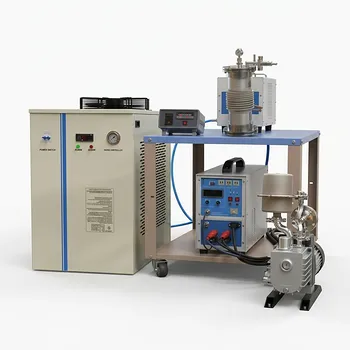
Why use atmosphere-controlled induction furnaces for biochar & slag foaming? Replicate EAF physics with precision.
Updated 3 months ago
Atmosphere-controlled induction furnaces are the gold standard for laboratory research into biochar and slag foaming because they precisely replicate the extreme thermal and kinetic environments of industrial steelmaking. These furnaces allow researchers to reach temperatures of approximately 1600°C while using electromagnetic stirring to simulate the fluid dynamics of an Electric Arc Furnace (EAF).
The integration of induction heating and atmospheric control allows for the simultaneous simulation of industrial temperatures and the chemical protection of carbon-based reductants. This synergy is essential for obtaining accurate data on slag height, reaction kinetics, and biochar performance before moving to full-scale industrial application.
Replicating Industrial Physics and Chemistry
High-Temperature Simulation at 1600°C
Industrial steelmaking through Electric Arc Furnaces (EAF) requires temperatures nearing 1600°C. Atmosphere-controlled induction furnaces provide the rapid, concentrated heating necessary to maintain both the metal bath and the slag layer at these realistic levels.
Electromagnetic Stirring and Kinetic Replication
Unlike standard resistance furnaces, induction heating generates electromagnetic stirring within the molten metal. This movement replicates the kinetic conditions found in industrial sites, which is a critical variable when measuring the stability and height of foaming slag.
Real-Time Measurement of Slag Behavior
By simulating the physical environment of an EAF, these furnaces enable the accurate measurement of reaction kinetics. Researchers use this data to determine how biochar injection affects slag layer height, which is vital for energy efficiency in steelmaking.
The Role of Atmosphere Control in Biochar Integrity
Preventing Aerobic Combustion
Biochar is a highly reactive carbon source that will undergo complete combustion (ashing) if oxygen is present at high temperatures. An atmosphere-controlled furnace introduces inert gases like high-purity nitrogen or argon to create a strictly oxygen-free environment.
Managing Pyrolysis and Devolatilization
During experiments, biomass raw materials must undergo a devolatilization process to transform into biochar. Precise control over the atmosphere ensures the wood transforms into a material with high fixed carbon and rich porosity rather than burning away.
Optimization of Specific Surface Area
The reactivity of biochar depends on its pore structure, which is sensitive to the thermal environment. Controlled atmospheres allow for specific heating rates and isothermal durations, enabling the development of high specific surface areas—up to 1790 m² g⁻¹—that improve kinetic performance.
Understanding the Trade-offs and Limitations
Equipment Complexity and Cost
Atmosphere-controlled induction furnaces are significantly more complex than standard muffle furnaces. They require specialized cooling systems, vacuum-tight seals, and high-purity gas delivery systems, which increases the cost of both installation and maintenance.
Scaling Constraints
While these furnaces provide excellent kinetic simulation, the surface-area-to-volume ratio in a lab crucible differs from an industrial furnace. Findings regarding slag foaming height must be carefully extrapolated, as gas injection dynamics can change at a larger scale.
Atmospheric Purity Requirements
Even trace amounts of oxygen can compromise biochar experiments by causing partial oxidation. Achieving a "strictly" oxygen-free environment requires continuous monitoring and high-precision gas flow meters to ensure the integrity of the carbon matrix.
How to Apply This to Your Project
When utilizing these furnaces for biochar and slag research, your specific goals will dictate your technical priorities.
- If your primary focus is industrial kinetic modeling: Prioritize the use of induction heating to ensure electromagnetic stirring mimics the physical movement of a full-scale EAF bath.
- If your primary focus is biochar reactivity and pore structure: Focus on the precision of the atmosphere control system to manage nitrogen flow and prevent any oxidative loss of the carbon skeleton.
- If your primary focus is reducing emissions: Use the furnace to develop biochar with extremely low nitrogen content, which is critical for minimizing nitrogen oxide (NOx) during the sintering process.
By mastering the balance between electromagnetic kinetics and atmospheric chemistry, you can transform laboratory-scale observations into definitive industrial process parameters.
Summary Table:
| Feature | Research Benefit | Industrial Relevance |
|---|---|---|
| 1600°C Capability | Replicates extreme thermal states | Matches Electric Arc Furnace (EAF) conditions |
| Induction Stirring | Simulates molten metal fluid dynamics | Ensures accurate kinetic and slag height data |
| Inert Atmosphere | Prevents biochar combustion/ashing | Protects carbon integrity during pyrolysis |
| Real-time Monitoring | Precise measurement of reaction rates | Optimizes energy efficiency for steelmaking |
Elevate Your R&D with THERMUNITS Precision Heating Solutions
To achieve definitive industrial process parameters, your laboratory requires equipment that masters the balance between electromagnetic kinetics and atmospheric chemistry. THERMUNITS is a leading manufacturer of high-temperature laboratory equipment, providing the advanced thermal processing solutions needed for cutting-edge material science.
Whether you are studying biochar reactivity, slag foaming, or complex alloy development, our comprehensive range—including Vacuum Induction Melting (VIM) furnaces, Atmosphere furnaces, Rotary kilns, and CVD/PECVD systems—delivers the precision your research demands.
Our Value to You:
- Versatility: From Muffle and Tube furnaces to specialized Hot Press and Dental units.
- Quality: Robust designs optimized for industrial R&D and high-purity environments.
- Expertise: Tailored solutions for specific heating rates and atmospheric control.
Ready to enhance your lab's efficiency and data accuracy? Contact our technical experts today to find the perfect thermal solution for your project!
References
- Christopher DiGiovanni, Thomas Echterhof. Progress Toward Biocarbon Utilization in Electric Arc Furnace Steelmaking: Current Status and Future Prospects. DOI: 10.1007/s40831-024-00940-0
Mentioned Products
- Atmosphere Controlled Induction Melting Granulating Casting Furnace 1500C 5kg Capacity
- Atmosphere Controlled Continuous Casting Furnace with Secondary Charge Function for Induction Melting and Metal Alloy Wire Production
- Atmosphere Controlled Induction Melting Casting System 1600C 10L Capacity
- High Throughput Induction Melting and Casting Furnace for Superalloy Research 1700C Atmosphere Controlled Multi Sample System
- 1650C High Temperature Atmosphere Controlled Box Furnace with 65L Chamber for Advanced Material Sintering and Industrial Heat Treatment
People Also Ask
- What is the role of a vacuum induction melting furnace combined with a water-cooled copper mold? Mastering RHEA Purity
- What technical advantages does Vacuum Induction Melting offer regarding alloy homogeneity and purity? Enhance Performance
- How does a Vacuum Induction Melting furnace heat materials while preventing atmospheric contamination? Achieve High Purity
- What are the key structural components that make up a Vacuum Induction Melting (VIM) furnace system? Full Guide
- How does the skin effect influence VIM frequency selection? Optimize Heat Penetration & Stirring Efficiency

Tech Team · ThermUnits
Last updated on Jun 02, 2026
Related Products
Atmosphere Controlled Induction Melting Granulating Casting Furnace 1500C 5kg Capacity
Atmosphere Controlled Continuous Casting Furnace with Secondary Charge Function for Induction Melting and Metal Alloy Wire Production
Atmosphere Controlled Induction Melting Casting System 1600C 10L Capacity
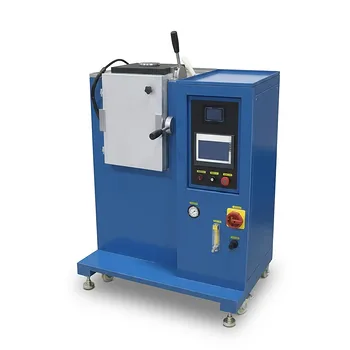
High Throughput Induction Melting and Casting Furnace for Superalloy Research 1700C Atmosphere Controlled Multi Sample System
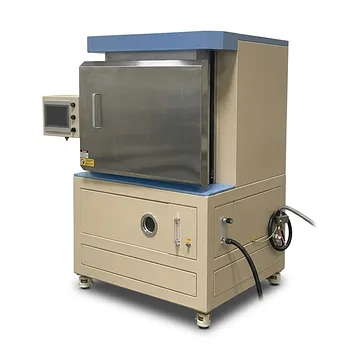
1650C High Temperature Atmosphere Controlled Box Furnace with 65L Chamber for Advanced Material Sintering and Industrial Heat Treatment
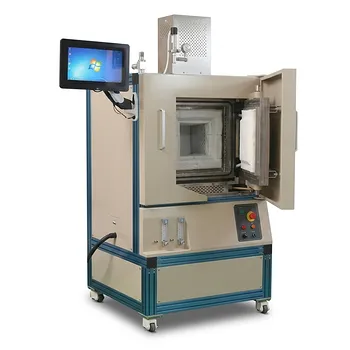
High Temperature Oxygen and Inert Atmosphere Controlled Furnace 8 Liter 1700C Sintering System for Advanced Materials RD
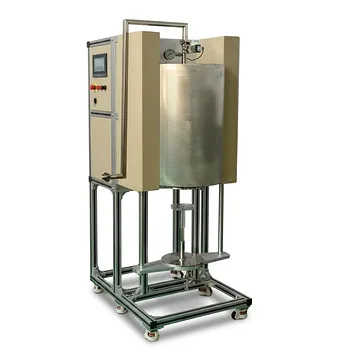
1200°C Atmosphere Controlled Automatic Bottom Loading Furnace with 6 Inch Quartz Tube
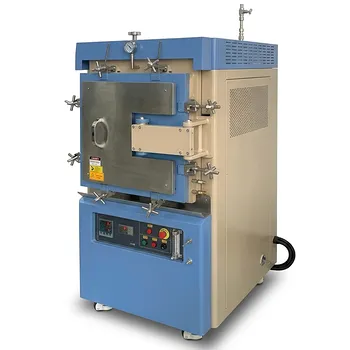
Atmosphere Controlled Muffle Furnace 1700C Maximum Temperature 80L High Capacity Vacuum Inert Gas Box Furnace
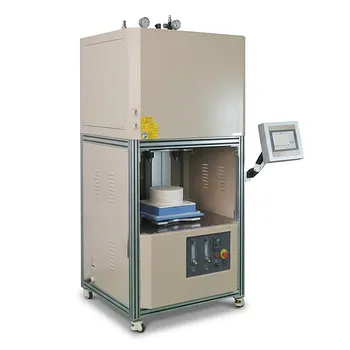
High Temperature Vertical Atmosphere Controlled Furnace 1700C Automatic Bottom Loading 13 Liter Vacuum Thermal System
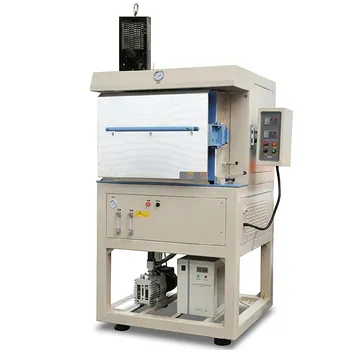
1200C Hydrogen Atmosphere Box Furnace with 5 Heated Sides and 64L Chamber
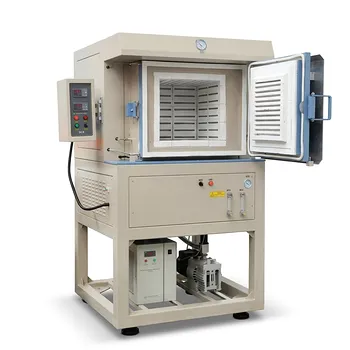
1200°C Five Side Heating Atmosphere Controlled Muffle Furnace 64 Liter High Uniformity Box Furnace for Material Synthesis
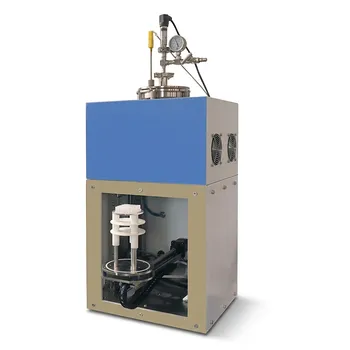
Rapid Thermal Processing RTP Atmosphere Controlled Bottom Loading Furnace 1100C High Throughput 50C per Second Heating Rate
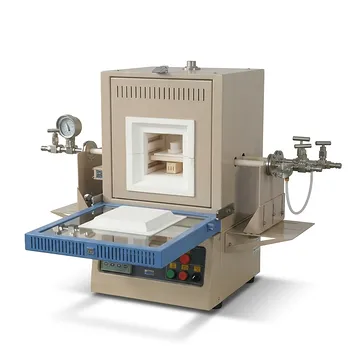
1700C Compact Hybrid Furnace with Dual Layer Box Sintering and Controlled Atmosphere Alumina Tubes
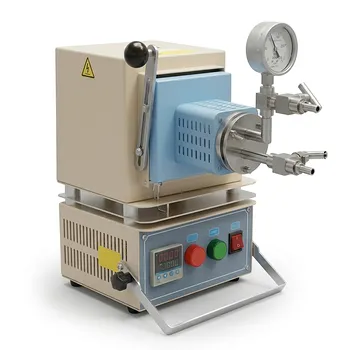
Compact Hybrid Muffle and Tube Furnace for 1000C Controlled Atmosphere Laboratory Material Sintering
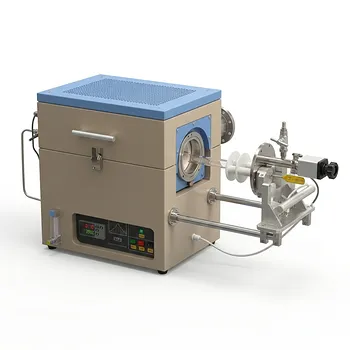
Compact Atmosphere Controlled Rapid Thermal Processing RTP Furnace with 4 Inch ID Quartz Tube 1100C
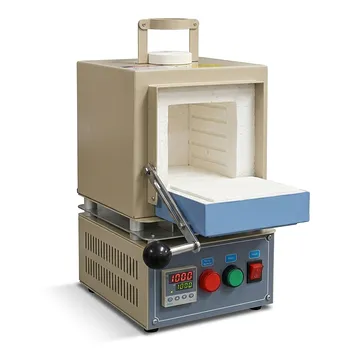
Compact 1000C Muffle Furnace with Programmable Controller and 2 Inch Top Port for Vacuum and Atmosphere Material Research
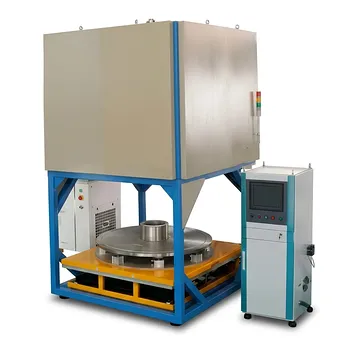
1400C Bottom Loaded Inert Gas Atmosphere Box Furnace with 125L Capacity and Precision Hydraulic Lift
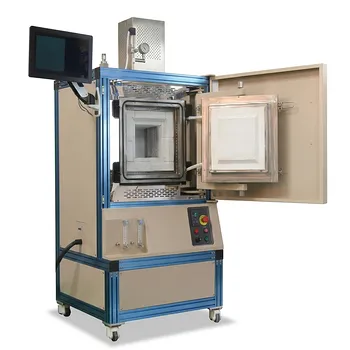
High Temperature Hydrogen Atmosphere Box Furnace 1650C Max Reducing Environment Material Synthesis System 8x8x8 Chamber
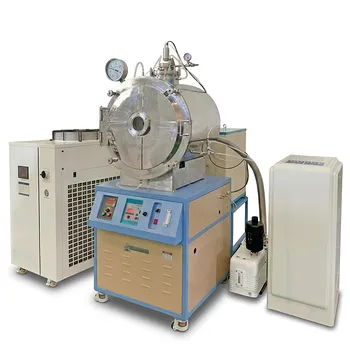
Ultra High Temperature Induction Heated Vacuum Furnace with Molten Salt Electrolysis Capability and 3000 Degree Precision Control