How does an industrial tube furnace function in the solution treatment of high manganese steel? Enhance Steel Toughness
Updated 3 months ago
The industrial tube furnace functions as a high-precision thermal reactor that enables the solution treatment of high manganese steel. It provides the stable, high-intensity environment required for austenitization, typically operating between 1150°C and 1200°C. By supplying this specific thermal energy, the furnace facilitates the complete dissolution of brittle carbides into the austenite matrix, which is essential for maximizing the steel's toughness.
Core Takeaway: The industrial tube furnace acts as a controlled environment for "dissolving" internal impurities (carbides) into the steel’s primary structure. This thermal transformation converts a brittle, as-cast material into a tough, high-performance alloy through precise temperature and atmospheric regulation.
Facilitating the Austenitization Process
Achieving Critical Higher-Bound Temperatures
High manganese steel requires extreme heat to undergo the solution treatment process successfully. The tube furnace is designed to reach and maintain a precise window of 1150°C to 1200°C, the temperature required for the steel to transition into a full austenitic state.
The Dissolution of Brittle Carbides
In its "as-cast" or raw state, high manganese steel contains brittle carbides distributed along its grain boundaries. The primary role of the furnace is to provide enough thermal energy to break these carbides down, forcing them to dissolve into the austenite matrix.
Improving Material Toughness
By eliminating these brittle carbide structures, the tube furnace fundamentally changes the mechanical properties of the steel. This process is the critical step that allows high manganese steel to achieve its signature high toughness and impact resistance.
Precision Control and Microstructure Management
Promoting Elemental Diffusion
Beyond simple heating, the furnace enables elemental diffusion within the matrix. This movement of atoms ensures that alloying elements are distributed uniformly, preventing localized weak points in the metal’s structure.
Regulating Soaking Times
The tube furnace allows for the precise regulation of "soaking" times, or the duration the material remains at its peak temperature. Consistent soaking is necessary to ensure the core of the steel reaches the same temperature as the surface, ensuring a homogenous microstructure.
Microenvironment Stabilization
Unlike open-air furnaces, the sealed nature of a tube furnace creates a highly controlled microenvironment. This allows researchers and engineers to manipulate the cooling and heating curves with extreme accuracy to meet specific metallurgical standards.
Atmospheric Integrity and Surface Protection
Preventing Surface Oxidation
At temperatures as high as 1200°C, steel is highly susceptible to oxidation when exposed to air. Tube furnaces solve this by allowing the introduction of flowing inert gases, which shield the steel from reacting with oxygen.
Preserving Chemical Composition
By maintaining a controlled atmosphere, the furnace ensures that the surface chemistry—particularly the carbon content—remains intact. This prevents "decarburization," a process that would otherwise make the surface of the steel soft and unusable.
Supporting Reactive Gas Flows
In some advanced treatments, specific reactive gases may be introduced at set flow rates. This versatility allows the furnace to be used not just for heating, but for chemical modifications of the material surface when necessary.
Understanding the Trade-offs
The Risk of Inadequate Temperature
If the furnace fails to maintain the minimum threshold of 1150°C, the carbides will not fully dissolve. This results in a "half-treated" material that remains brittle and likely to fail under industrial stress.
Grain Growth from Overheating
Exceeding the 1200°C limit or extending soaking times unnecessarily can lead to excessive grain growth. Larger grains generally reduce the yield strength of the steel, making it less durable despite the dissolution of carbides.
Atmospheric Equipment Costs
While the ability to use inert gases is a benefit, it introduces complexity and cost. Managing gas flow rates and ensuring a perfect seal adds an operational layer that requires specialized training and maintenance compared to simpler furnace types.
How to Apply This to Your Project
When utilizing an industrial tube furnace for high manganese steel solution treatment, your approach should vary based on your final requirements:
- If your primary focus is Maximum Impact Toughness: Prioritize strict adherence to the 1150°C–1200°C range to ensure the total dissolution of grain-boundary carbides.
- If your primary focus is Surface Integrity and Hardness: Ensure a consistent flow of inert gas (such as Argon) to prevent decarburization and surface scaling at high temperatures.
- If your primary focus is Structural Homogeneity: Focus on the soaking time precision to allow full elemental diffusion throughout the entire thickness of the sample.
By masterfully balancing temperature precision with atmospheric control, the industrial tube furnace turns raw high manganese steel into a reliable, high-toughness industrial component.
Summary Table:
| Key Aspect | Specification/Range | Role in Solution Treatment |
|---|---|---|
| Temperature Window | 1150°C – 1200°C | Facilitates austenitization and carbide dissolution |
| Atmosphere Control | Inert Gas (Argon/Nitrogen) | Prevents oxidation and surface decarburization |
| Soaking Precision | High-uniformity heating | Ensures elemental diffusion and structural homogeneity |
| Material Transformation | Brittle Cast to High-Toughness | Dissolves carbides into the austenite matrix |
Elevate Your Material Research with THERMUNITS
Precision is the difference between a brittle failure and a high-performance alloy. THERMUNITS is a leading manufacturer of high-precision laboratory equipment specialized for material science and industrial R&D.
Whether you are performing solution treatment on high manganese steel or developing advanced thin films, our comprehensive thermal processing solutions ensure optimal outcomes. Our product range includes:
- Furnace Solutions: Muffle, Vacuum, Atmosphere, Tube, Rotary, and Hot Press Furnaces.
- Advanced Systems: CVD/PECVD systems, Dental Furnaces, and Vacuum Induction Melting (VIM) furnaces.
- Industrial Kilns: Electric rotary kilns and specialized thermal elements.
Ready to optimize your heat treatment workflow? Contact our engineering team today to find the perfect thermal solution for your lab or production line.
References
- Haris Wahyudi, Rofi Nur Haryanto. Analisis Pengaruh Media Pendinginan pada Proses Perlakuan Panas Baja Hadfield terhadap Struktur Mikro dan Kekerasan. DOI: 10.23960/mech.v15i1.2898
Mentioned Products
- 1100C Tube Furnace with Vacuum Flange and Programmable Temperature Controller for Material Science and Industrial Heat Treatment
- Continuous Feeding Rotary Tube Furnace for Industrial Powder Heat Treatment and Material Research
- High Temperature Dual Zone Tube Furnace for Material Science Research and Professional Thermal Processing
- High Temperature 1700C Vertical Tube Furnace for Powder Spherification and Material Sintering
- Laboratory Tilting Rotary Tubular Furnaces for Material Science and Industrial Heat Treatment
People Also Ask
- What are the advantages of 1100°C tube furnaces for ORR catalysts? Boost Conductivity and Structural Stability.
- What role does a tube furnace play in PS template removal? Ensure ZnO/SiO2 Structural Integrity & High Performance.
- What core functions does a high-temperature vacuum tube furnace provide? Optimize np-CuSn Sintering & Joint Integrity
- What is the role of a high-temperature tube furnace in the calcination process of ZnO/In2O3 nanocomposites?
- What impact does the heating rate of a tube furnace have on biochar microstructure? Optimize Your Material R&D.

Tech Team · ThermUnits
Last updated on Jun 03, 2026
Related Products
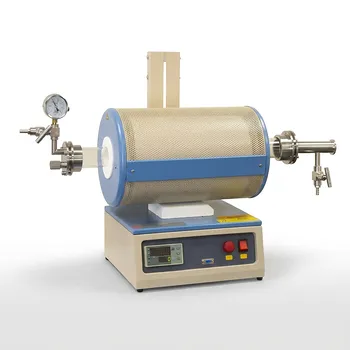
1100C Tube Furnace with Vacuum Flange and Programmable Temperature Controller for Material Science and Industrial Heat Treatment
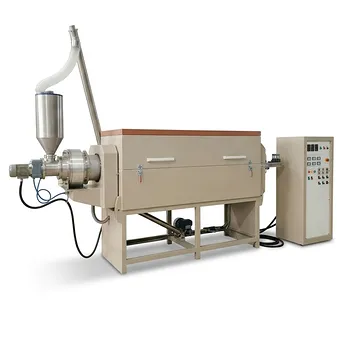
Continuous Feeding Rotary Tube Furnace for Industrial Powder Heat Treatment and Material Research
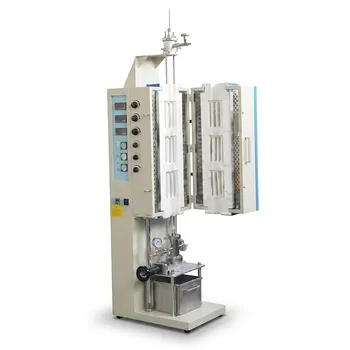
High Temperature Dual Zone Tube Furnace for Material Science Research and Professional Thermal Processing

High Temperature 1700C Vertical Tube Furnace for Powder Spherification and Material Sintering
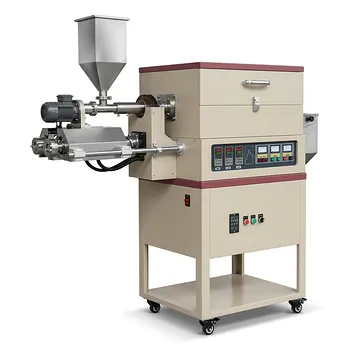
Laboratory Tilting Rotary Tubular Furnaces for Material Science and Industrial Heat Treatment
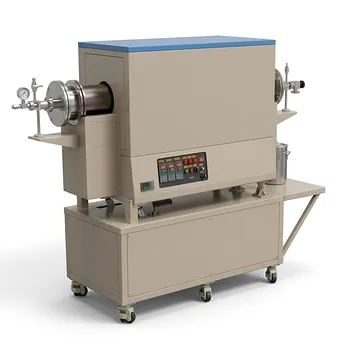
900°C Max Rotary Tube Furnace with 8 Inch 310S Alloy Tube and Optional Multi Zone Heating for Industrial Material Calcination
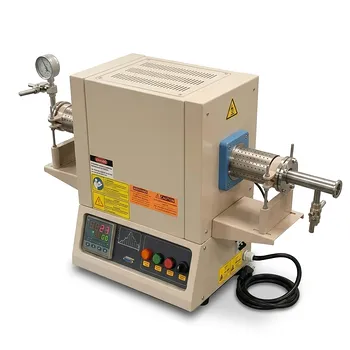
Compact High Temperature 1600C Tube Furnace with 50mm Alumina Tube and Vacuum Flanges for Material Sintering
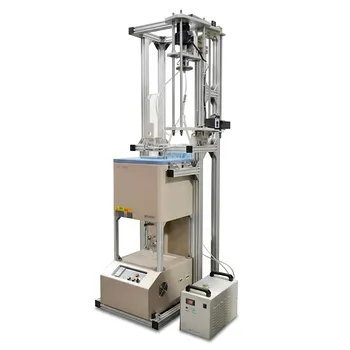
500C Vacuum Vertical Tube Furnace 84mm OD Sample Rotation Lifting System
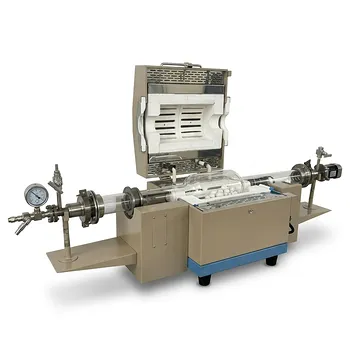
High Temperature Rotary Tube Furnace with Integrated Ball Milling and Gas Flow Function for Powder Nitriding
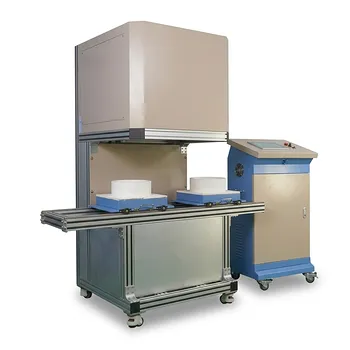
High Temperature Bottom Loading Vertical Furnace 1700C Dual Stage Sample Processing System 18L Large Capacity Thermal Treatment Equipment
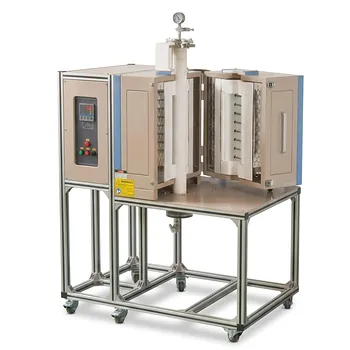
High Temperature 1700C Vertical Split Tube Furnace for Material Quenching and Single Crystal Growth
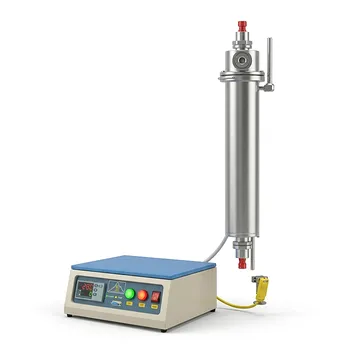
High Magnetic Field Compatible Tube Furnace for 1100C Material Research with Controlled Atmosphere and Water Cooled Non Magnetic Case
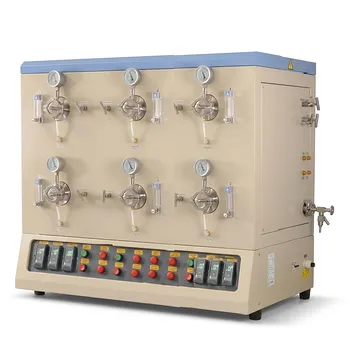
1200C High Throughput Multi Channel Tube Furnace with 50mm Quartz Tubes for Annealing and Material Phase Diagram Research
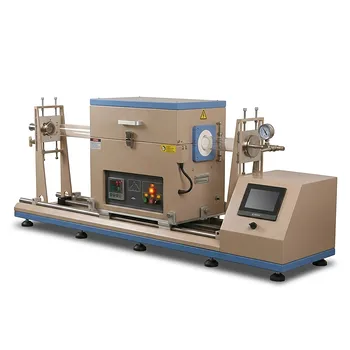
1200C Sliding Tube Furnace for Rapid Thermal Processing and CVD Graphene Growth with 100mm OD Capacity
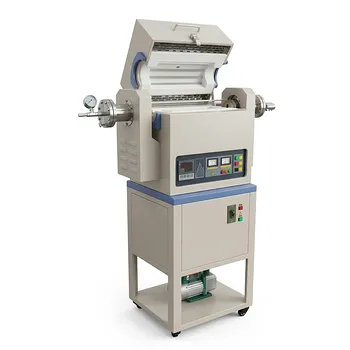
High Temperature Rotary Tilt Tubular Furnaces for Advanced Powder Sintering and Material Processing
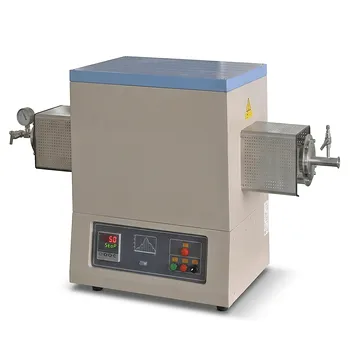
High Temperature 1700C Tube Furnace with 4 Inch OD Alumina Tube and Vacuum Sealing Flanges
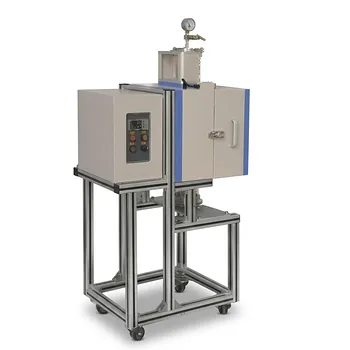
1200°C 5 Inch Vertical Quartz Tube Furnace with Stainless Steel Vacuum Flanges
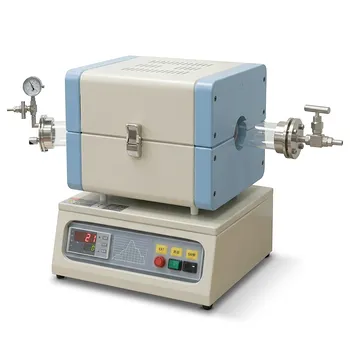
1200C Tube Furnace with Internal Magnetic Sample Sliding for Direct Vaporizing Deposition and Rapid Thermal Processing

1800C High Temperature Compact Vacuum Tube Furnace with 60mm OD Alumina Tube and Kanthal MoSi2 Heating Elements
