What are the advantages of 1100°C tube furnaces for ORR catalysts? Boost Conductivity and Structural Stability.
Updated 3 months ago
Utilizing a tube furnace capable of reaching 1100°C is essential for optimizing the electrical conductivity and structural stability of oxygen reduction reaction (ORR) catalysts. This specific thermal threshold facilitates the deep graphitization of carbon carriers and ensures the formation of highly stable, uniformly distributed active sites, such as Co-N clusters, which are critical for long-term performance and methanol tolerance.
Core Takeaway: A 1100°C tube furnace enables a precise balance between material conductivity and active site robustness. By facilitating structural ordering and restoring the carbon lattice, it transforms precursor materials into highly efficient, durable catalysts capable of maintaining performance in demanding electrochemical environments.
Enhancing Electronic Properties through Structural Ordering
Driving the Graphitization of Carbon
Thermal treatment at 1100°C is a critical catalyst for the structural ordering of nitrogen-doped carbon materials. This high-temperature environment promotes graphitization, which significantly reduces internal resistance and enhances the overall electrical conductivity of the catalyst support.
Restoring Graphene’s Conductive Network
At these elevated temperatures, the furnace effectively removes oxygen-containing functional groups from precursors like Crumpled Graphene Oxide. This process restores the graphitization degree of the material, ensuring that the conductive network is fully established and capable of rapid electron transfer.
Facilitating Phase Equilibrium
The stable thermal zone of a high-temperature furnace allows materials to reach thermodynamic equilibrium. This is vital for ensuring phase consistency and promoting the controlled crystal growth required for complex catalyst structures to function predictably.
Optimizing the Distribution and Stability of Active Sites
Improving Active Site Uniformity
While extreme heat can reduce total nitrogen content, the Co-N cluster sites formed specifically at 1100°C are more stable and uniformly distributed. This uniform distribution prevents the "clustering" that often leads to localized degradation, ensuring a more reliable catalytic surface.
Enhancing Methanol Tolerance
Thermal optimization at 1100°C leads to a marked improvement in the catalyst’s limiting current value. Furthermore, this high-temperature treatment bolsters the material's methanol tolerance, a critical factor for catalysts used in direct methanol fuel cells.
Maintaining Morphological Stability
High-temperature processing induces plastic deformation in complex architectures, such as crumpled structures. This "sets" the morphology, ensuring the catalyst remains stable and does not collapse or unfold during subsequent processing or electrochemical cycling.
The Role of Precise Atmosphere Control
Maintaining a Controlled Reducing Environment
Tube furnaces provide a sealed environment for using specific gas mixtures, such as 5% H2/Ar or H2/N2. This capability allows for the in-situ reduction of metal precursors into zero-valent active centers while preventing unintended oxidation.
Prevention of Structural Collapse
By maintaining a stable argon or nitrogen atmosphere, the furnace allows for the removal of volatile chemical components without triggering combustion. This results in sintered catalyst particles that possess stable structures and specific, optimized porosity.
Understanding the Trade-offs
The Nitrogen Content vs. Stability Dilemma
Achieving higher temperatures like 1100°C often results in a lower total nitrogen content within the carbon lattice. While this may seem like a disadvantage, the remaining nitrogen is typically integrated into more thermally stable configurations that provide better long-term durability than high-nitrogen catalysts prepared at lower temperatures.
Risk of Particle Sintering
Operating at the higher end of the temperature scale increases the risk of excessive sintering and thermal growth of nanoparticles. If the temperature is not strictly controlled, the loss of active surface area due to particle growth can outweigh the benefits of improved conductivity.
How to Apply This to Your Project
To maximize the performance of your oxygen reduction catalyst, align your furnace parameters with your specific material requirements:
- If your primary focus is maximimizing electrical conductivity: Prioritize the 1100°C thermal treatment to ensure full graphitization of your carbon support, even if it results in a slight reduction of total nitrogen atoms.
- If your primary focus is preventing nanoparticle growth: Use the furnace's precise programmed temperature control to apply a steep heating rate (e.g., 5°C/min) and minimize the "dwell time" at peak temperatures to prevent metal sintering.
- If your primary focus is active site activation: Utilize a 5% H2 reducing atmosphere within the tube furnace to ensure metal precursors are fully converted to their active metallic or cluster states.
By mastering the high-temperature capabilities of a tube furnace, you can engineer catalysts that bridge the gap between initial activity and long-term electrochemical stability.
Summary Table:
| Key Feature | Benefit for ORR Catalysts |
|---|---|
| 1100°C Thermal Zone | Promotes carbon graphitization to maximize electrical conductivity. |
| Co-N Cluster Stability | Ensures uniform active site distribution and enhanced methanol tolerance. |
| Precise Atmosphere | Enables in-situ reduction and prevents oxidation of active centers. |
| Morphological Control | Induces plastic deformation to maintain stable catalyst architectures. |
Elevate Your Research with Precision Thermal Solutions
As a leading manufacturer of high-temperature laboratory equipment, THERMUNITS provides the advanced technology required for material science and industrial R&D. Our high-performance Tube Furnaces, Vacuum/Atmosphere Furnaces, and CVD/PECVD systems are engineered to deliver the precise temperature and atmosphere control essential for developing high-efficiency ORR catalysts and other advanced materials.
From Rotary Furnaces to Vacuum Induction Melting (VIM) systems, we offer a comprehensive range of thermal processing equipment designed to enhance your lab's efficiency and results. Contact us today to discuss your specific requirements and see how our expertise can drive your innovation forward.
References
- Arseniy Y. Kalnin, Elena V. Alekseeva. Impact of Metal Source Structure on the Electrocatalytic Properties of Polyacrylonitrile-Derived Co-N-Doped Oxygen Reduction Reaction Catalysts. DOI: 10.3390/nano14231924
Mentioned Products
- 1100C Tube Furnace with Vacuum Flange and Programmable Temperature Controller for Material Science and Industrial Heat Treatment
- 1100°C Split Vertical Tube Furnace with 80mm Quartz Tube and Stainless Steel Vacuum Flanges
- 1100°C Large Diameter Quartz Tube Furnace with 24 Inch Heating Zone and Water Cooled Flanges
- 1100°C High Temperature Quartz Chamber Furnace 8 Inch OD with 7.6 Liter Capacity and Vacuum Atmosphere Capability
- Multi Position Tube Furnace 1100C for Laboratory Material Research and Advanced Industrial Thermal Processing
People Also Ask
- What role does a tube furnace play in PS template removal? Ensure ZnO/SiO2 Structural Integrity & High Performance.
- What core functions does a high-temperature vacuum tube furnace provide? Optimize np-CuSn Sintering & Joint Integrity
- What is the role of a high-temperature tube furnace in the calcination process of ZnO/In2O3 nanocomposites?
- What impact does the heating rate of a tube furnace have on biochar microstructure? Optimize Your Material R&D.
- Function of tube furnaces in cellulose aerogel carbonization? Achieve High-Performance Materials

Tech Team · ThermUnits
Last updated on Jun 02, 2026
Related Products

1100C Tube Furnace with Vacuum Flange and Programmable Temperature Controller for Material Science and Industrial Heat Treatment
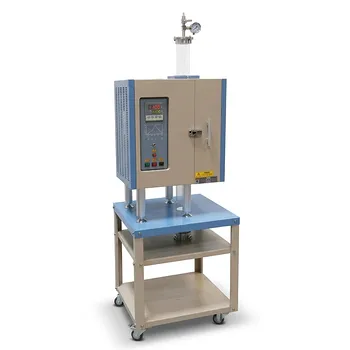
1100°C Split Vertical Tube Furnace with 80mm Quartz Tube and Stainless Steel Vacuum Flanges
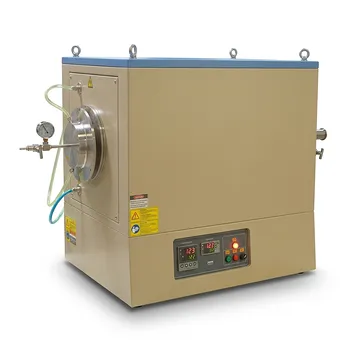
1100°C Large Diameter Quartz Tube Furnace with 24 Inch Heating Zone and Water Cooled Flanges
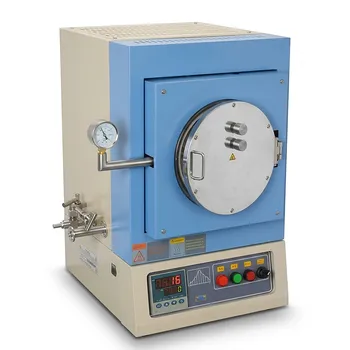
1100°C High Temperature Quartz Chamber Furnace 8 Inch OD with 7.6 Liter Capacity and Vacuum Atmosphere Capability
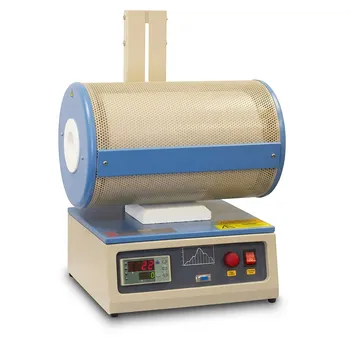
Multi Position Tube Furnace 1100C for Laboratory Material Research and Advanced Industrial Thermal Processing
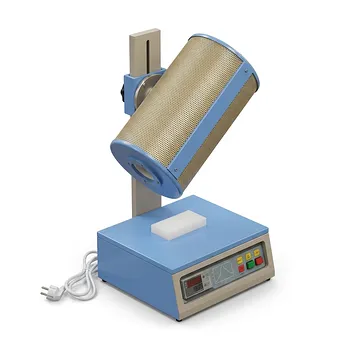
1100°C Vertical Laboratory Furnace for DIY Tubular Reactors with PID Temperature Controller
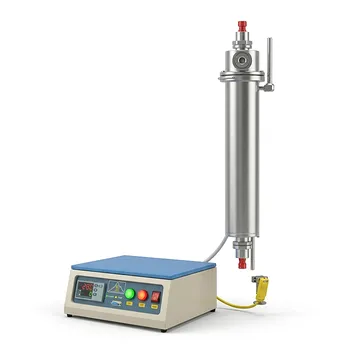
High Magnetic Field Compatible Tube Furnace for 1100C Material Research with Controlled Atmosphere and Water Cooled Non Magnetic Case
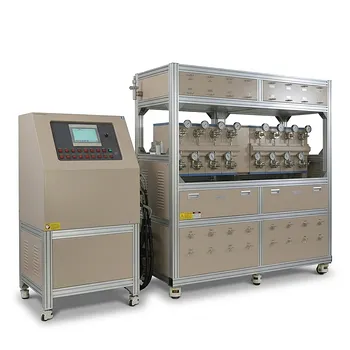
Sixteen Channel Rocking Tube Furnace for High Throughput Heat Treatment and Material Science Research with Individual Temperature Control up to 1100C
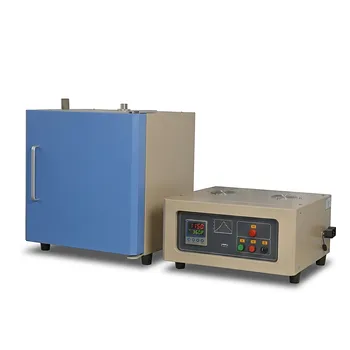
High Temperature Muffle Furnace with Alloy Chamber for Debinding and Sintering Applications

1200°C 5 Inch Vertical Quartz Tube Furnace with Stainless Steel Vacuum Flanges

1800C High Temperature Compact Vacuum Tube Furnace with 60mm OD Alumina Tube and Kanthal MoSi2 Heating Elements
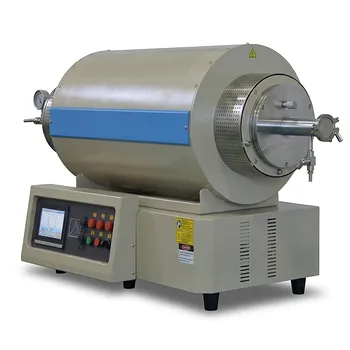
1200C Max Three Zone Tube Furnace 6 Inch OD Max with Tube and Flange
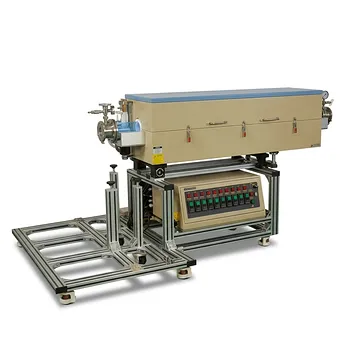
Ten Zone Multi Orientation Laboratory Tube Furnace for 1200C High Temperature Gradient Thermal Processing

High Temperature 1700C Tube Furnace with High Vacuum Turbomolecular Pump System and Multi Channel Mass Flow Controller Gas Mixer

Compact High Temperature 1600C Tube Furnace with 50mm Alumina Tube and Vacuum Flanges for Material Sintering
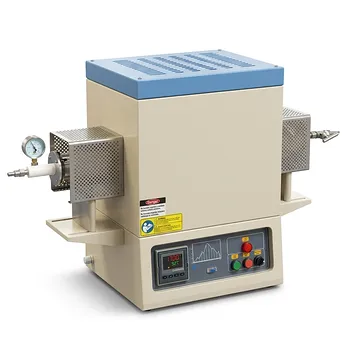
High Temperature Three Zone Tube Furnace 1700C with Alumina Tube and Water Cooled Flanges
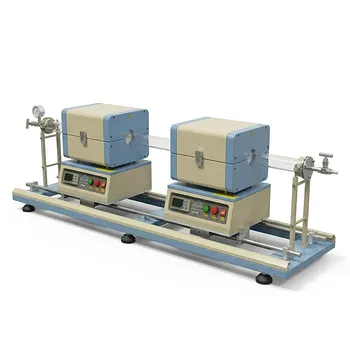
1200C Max Dual Sliding Tube Furnace with 50 mm Tube Flanges for CVD
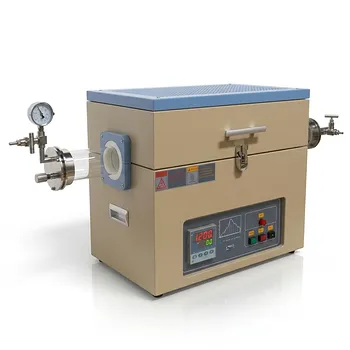
High Temperature 1200C Split Tube Furnace with Optional Quartz Tube Sizes and Vacuum Sealing Flanges for Material Science Research

High Temperature Automated 5 Inch Tube Furnace for Autonomous Material Research and Advanced Laboratory R&D
