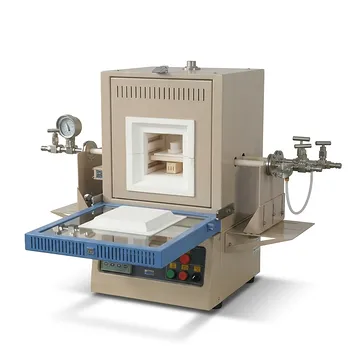
How heating rate affects impregnated catalysts during calcination? Optimize performance via precision furnaces.
Updated 3 months ago
Heating rates in precision furnaces dictate the spatial distribution, physical structure, and chemical activity of impregnated catalysts. During calcination, the rate of temperature increase directly influences solute migration within support pores, manages the sintering of nanoparticles, and regulates the release of volatile decomposition products. By precisely manipulating these thermal programs, engineers can control whether active components distribute uniformly or concentrate in specific patterns, such as "eggshell" profiles, while ensuring the catalyst maintains a high active surface area.
The heating rate serves as the primary mechanism for balancing liquid diffusion with thermal decomposition. A well-calibrated rate prevents the structural degradation and particle agglomeration that typically occur when precursors are subjected to uncontrolled thermal stress.
Controlling Solute Migration and Spatial Distribution
Managing Surface Accumulation
The heating rate directly influences how solutes move within the pores of a catalyst support as moisture evaporates. A faster heating rate can inhibit the excessive migration of solutes toward the outer surface, which is essential for achieving a uniform impregnation profile throughout the support.
Creating Tailored Distribution Profiles
Adjusting the furnace's heating program is a critical method for controlling the penetration depth of active components. By shortening liquid diffusion paths through specific thermal ramps, manufacturers can create specialized distributions, such as eggshell-type catalysts, where the active phase is concentrated near the surface for improved mass transfer.
Preventing Particle Sintering and Agglomeration
Maintaining High Active Surface Area
Precise heating rate control is necessary to buffer the impact of thermal stress on nanoparticle growth. Utilizing a slow heating rate, such as 3 °C/min, prevents severe sintering and agglomeration during phase transitions, allowing the catalyst to retain more active sites and a smaller particle size.
Avoiding Thermal Shock
A slow, programmed heating rate is essential for transforming precursors into highly dispersed nanoclusters. This controlled approach prevents metal species from sintering due to thermal shock, resulting in a tighter particle size distribution and higher exposure of active sites for reactions like hydrogen evolution.
Structural Integrity and Pore Development
Regulating Volatile Release
During the carbonization or decomposition stages, a slow heating rate (e.g., 5 °C/min) allows volatile components to escape the raw material slowly and uniformly. This prevents the violent eruption of gases at high temperatures, which can cause structural damage to the catalyst support.
Preventing Structural Collapse
Precise control ensures that volatile substances are released at a steady pace to prevent high internal gas pressure. If the heating rate is too aggressive, gas pressure can cause the structural collapse of pore walls; a controlled rate instead fosters a balanced hierarchical structure of micropores and mesopores.
Phase Transformation and Electronic Tuning
Driving Phase-Specific Crystallinity
The thermal environment in a precision furnace facilitates the transformation of amorphous materials into specific crystalline phases, such as monoclinic or tetragonal zirconia. The heating profile determines the final crystallinity, which significantly influences the Strong Metal-Support Interaction (MSI) and the electronic structure of the active metal.
Inducing Lattice Distortion and Vacancies
Precise temperature regulation can induce lattice distortion and adjust oxygen vacancy concentration. For complex catalysts like AgCuSmTi, the heating rate helps regulate grain size and synergistic effects between metals, ultimately improving low-temperature activity for denitrification and CO oxidation.
Understanding the Trade-offs: Speed vs. Stability
The Risk of Rapid Heating
While faster heating rates can save time and prevent certain types of solute migration, they introduce the risk of thermal shock and non-uniform phase transitions. Rapid gas evolution from decomposing nitrates or organic ligands can lead to physical fracturing of the catalyst pellets or extrudates.
The Cost of Ultra-Slow Ramps
Conversely, extremely slow heating rates may lead to unwanted grain growth if the catalyst spends too much time at intermediate temperatures where sintering kinetics are active but the final phase is not yet stabilized. There is also a practical trade-off in manufacturing throughput, as excessively long calcination cycles increase energy consumption and reduce furnace availability.
How to Apply Heating Rate Strategies to Your Project
When configuring your precision furnace for catalyst calcination, align your heating strategy with your specific performance objectives:
- If your primary focus is uniform active phase distribution: Utilize a faster initial heating ramp to "freeze" solutes in place and prevent migration toward the support exterior.
- If your primary focus is maximizing electrochemical active surface area (ECSA): Implement a very slow ramp, such as 3 °C/min, to prevent nanoparticle sintering and maintain the smallest possible grain size.
- If your primary focus is structural stability and gas adsorption: Use a controlled, segmented heating program (e.g., 5-10 °C/min) to allow volatiles to escape without damaging the internal hierarchical pore system.
- If your primary focus is optimizing metal-support interactions: Focus on the precision of the final calcination temperature and the ramp rate leading into phase transformation to ensure the desired crystallinity.
Mastering the heating rate allows you to transform a simple impregnated support into a high-performance, structurally stable catalytic tool.
Summary Table:
| Heating Strategy | Key Impact on Catalyst | Primary Benefit |
|---|---|---|
| Slow Ramp (3-5°C/min) | Minimizes thermal shock and sintering | High active surface area & pore stability |
| Fast Ramp | Inhibits excessive solute migration | Uniform or tailored "eggshell" distribution |
| Segmented Ramps | Regulates volatile gas release | Prevents structural collapse of pore walls |
| Final Peak Control | Drives specific phase crystallinity | Optimized metal-support interactions (MSI) |
Elevate Your Material R&D with THERMUNITS Precision Thermal Solutions
Are you looking to optimize the catalytic activity and structural integrity of your materials? THERMUNITS is a leading manufacturer of high-performance thermal processing solutions designed for rigorous material science and industrial R&D.
We offer a comprehensive range of equipment, including Muffle, Vacuum, Atmosphere, Tube, Rotary, and Hot Press furnaces, as well as specialized CVD/PECVD systems, Dental Furnaces, and Vacuum Induction Melting (VIM) furnaces. Our precision temperature-controlled systems allow you to master heating rates, ensuring you avoid sintering and achieve the exact phase transformations required for high-performance catalysts.
Don't let inconsistent heating compromise your research. Contact our experts today to discover how our heat treatment equipment and thermal elements can enhance your lab's efficiency and precision!
References
- S. Wilmes, Olaf Hinrichsen. Influencing Factors on the Wet Impregnation of Additive‐Manufactured Catalyst Support Structures. DOI: 10.1002/cite.202400090
Mentioned Products
- High Temperature 1700C Bench Top Muffle Furnace with Alumina Fiber Insulation and 3.6L Chamber Capacity for Precision Sintering and Heat Treatment
- Three Temperature Zone Fast Heating Furnace 1500C Laboratory High Precision Thermal Processing System
- 1650C High Temperature Atmosphere Controlled Box Furnace with 65L Chamber for Advanced Material Sintering and Industrial Heat Treatment
- 1200C Five Side Heating Muffle Furnace with Sliding Door 125L Volume High Temperature Heat Treatment System for Large Scale Sintering and Annealing
- High Temperature Dual Zone Tube Furnace for Material Science Research and Professional Thermal Processing
People Also Ask
- What role does a high-temperature muffle furnace play in evaluating the mineral composition of rock samples? LOI & XRF Guide
- What is the function of a high-temperature muffle furnace in phosphorus-modified zeolite catalyst preparation?
- What is the function of a high-temp muffle furnace in Ni-V oxide synthesis? Optimize your material's performance.
- What is the purpose of using muffle or tube furnaces in glass synthesis? Achieve Precise Melt-Quenching & Homogeneity
- What is the function of a muffle furnace in aluminoborosilicate glass prep? Stabilize Raw Materials for Superior Purity

Tech Team · ThermUnits
Last updated on Jun 03, 2026
Related Products
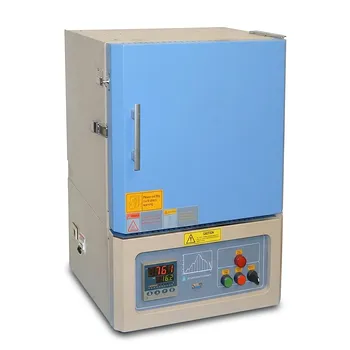
High Temperature 1700C Bench Top Muffle Furnace with Alumina Fiber Insulation and 3.6L Chamber Capacity for Precision Sintering and Heat Treatment
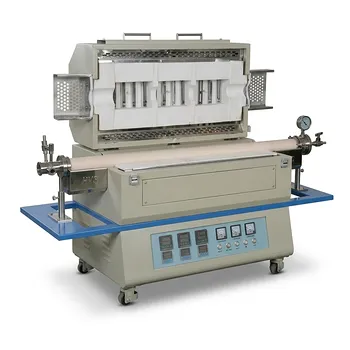
Three Temperature Zone Fast Heating Furnace 1500C Laboratory High Precision Thermal Processing System
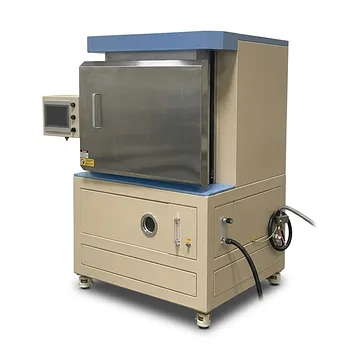
1650C High Temperature Atmosphere Controlled Box Furnace with 65L Chamber for Advanced Material Sintering and Industrial Heat Treatment
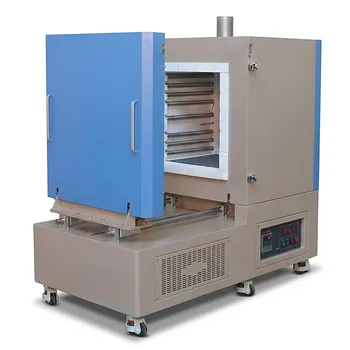
1200C Five Side Heating Muffle Furnace with Sliding Door 125L Volume High Temperature Heat Treatment System for Large Scale Sintering and Annealing
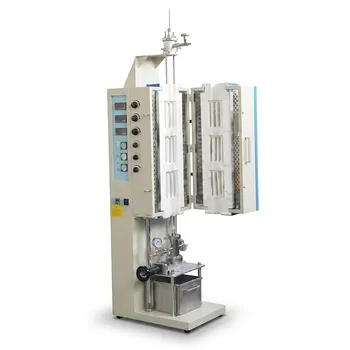
High Temperature Dual Zone Tube Furnace for Material Science Research and Professional Thermal Processing
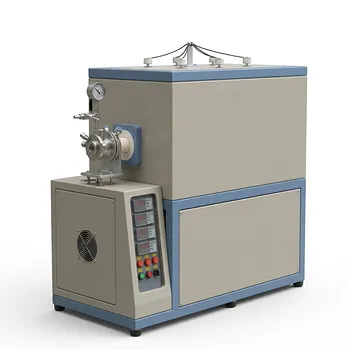
High Temperature 1700C Three Zone Tube Furnace with Alumina Tube 50mm 60mm 80mm OD for Material Research and Industrial Heat Treatment
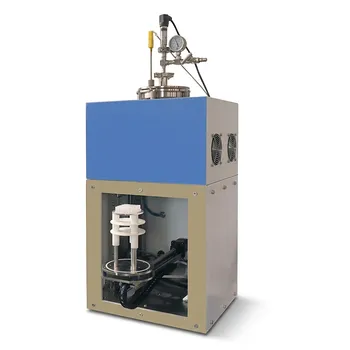
Rapid Thermal Processing RTP Atmosphere Controlled Bottom Loading Furnace 1100C High Throughput 50C per Second Heating Rate
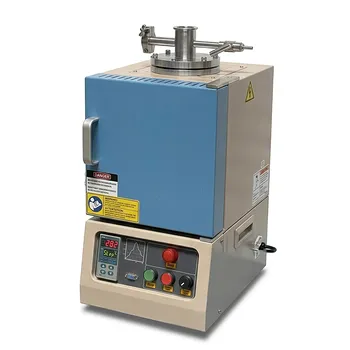
High Temperature Hybrid Muffle and Tube Furnace with Vacuum Capability and PID Control
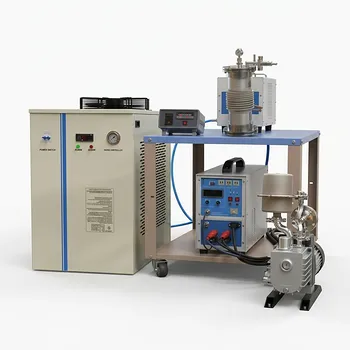
Induction Heating System with Temperature Control for High Temperature Vacuum Sintering and Melting
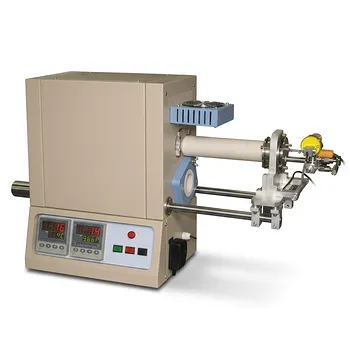
High Temperature Tube Furnace 1500C with Sliding Flanges and 50mm OD for Rapid Thermal Processing Fast Heating and Cooling
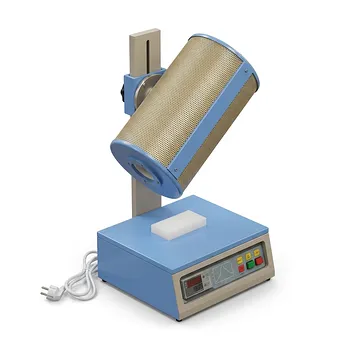
1100°C Vertical Laboratory Furnace for DIY Tubular Reactors with PID Temperature Controller
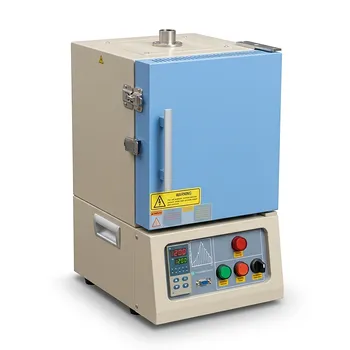
1200°C Small Box Furnace 4.2 Liter Programmable Muffle Furnace with High Purity Alumina Insulation and PID Control
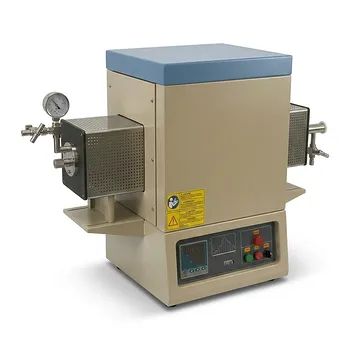
High Temperature 1700C Benchtop Tube Furnace with 5 Inch Heating Zone High Purity Alumina Tube and Vacuum Sealing Flanges
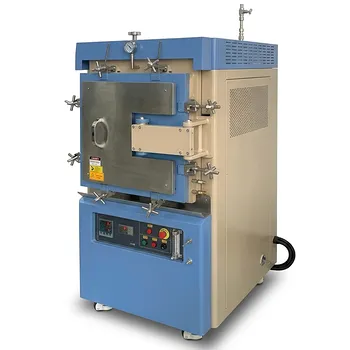
Atmosphere Controlled Muffle Furnace 1700C Maximum Temperature 80L High Capacity Vacuum Inert Gas Box Furnace

High Temperature 1700C Tube Furnace with High Vacuum Turbomolecular Pump System and Multi Channel Mass Flow Controller Gas Mixer
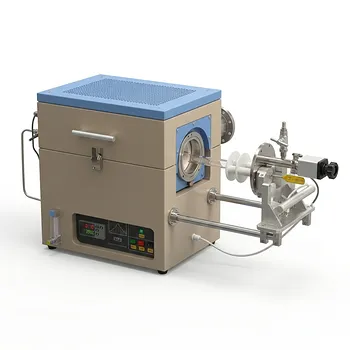
Compact Atmosphere Controlled Rapid Thermal Processing RTP Furnace with 4 Inch ID Quartz Tube 1100C
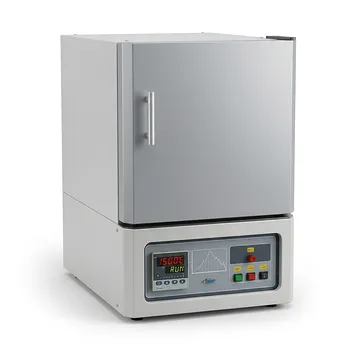
High Temperature 1500C Benchtop Muffle Furnace 3.6L Alumina Fiber Chamber Programmable Controller Sintering Annealing Carbonization Thermal Processing System
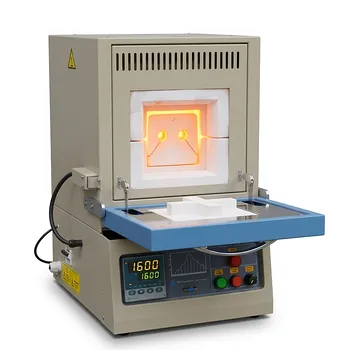
High Temperature Compact Muffle Furnace 1700 C with 30 Segment Programmable Controller and 1.7L Cubic Chamber
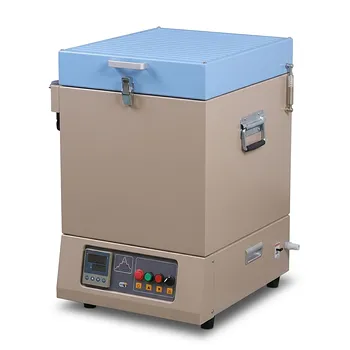
High Temperature Vertical Crucible Furnace with 22L Heating Chamber and 1200C Maximum Temperature