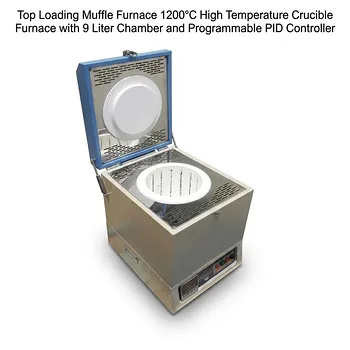
How does precise temperature control up to 900 °C impact activated carbon adsorption? Optimize Pore Size & Surface Area
Updated 3 months ago
Precise temperature control up to 900 °C is the primary determinant of activated carbon’s internal architecture. By maintaining exact thermal environments, activation furnaces allow for the optimization of the "burn-off" rate, which directly maximizes the BET specific surface area and facilitates the transition of fine micropores into wider mesopores. This structural tuning ensures the final material has both the high capacity and rapid kinetics required to capture complex organic pollutants.
Core Takeaway: High-precision temperature control transforms raw carbon into a high-performance adsorbent by balancing the creation of new pores against the risk of structural collapse. It enables the "directional construction" of pore sizes to match specific target molecules.
Optimizing the Pore Architecture
Maximizing BET Surface Area
High-temperature furnaces facilitate the critical endothermic reaction between steam (or other activators) and the carbon skeleton. Even minor fluctuations in temperature significantly alter the burn-off rate, which is the speed at which carbon atoms are removed to create voids. Precision control ensures the maximum possible BET specific surface area is achieved without over-consuming the carbon material.
Transitioning Micropores to Mesopores
Higher temperatures, particularly those approaching 900 °C, promote the expansion of fine micropores into wider mesopores. This shift is vital for adsorption efficiency when treating persistent organic pollutants in water, as larger pores allow these bulky molecules to reach internal adsorption sites more quickly.
Enhancing Physical Capture Capacity
In specific applications, such as treating Argan shells, raising temperatures to 800 °C triggers intense redox reactions. These reactions can increase the specific surface area exponentially—for example, from roughly 200 m²/g to over 1,600 m²/g. This massive increase in surface area provides the physical sites necessary to capture heavy metal ions like Chromium(VI).
The Science of Controlled Burn-off
Managing the Reaction Environment
Activation at high temperatures relies on the stable supply of activation gases, such as carbon dioxide or steam. Precise furnace control must be paired with high-precision flow meters to maintain a consistent gas-phase diffusion rate. This stability is required to directionally construct microporous structures that are specifically tuned for gases like carbon dioxide and ethylene.
Uniform Volatile Release
The efficiency of the final product is often decided during the initial heating stages. Implementing a slow heating rate (e.g., 5 °C/min) allows volatile components to escape the raw material uniformly. This prevented "violent eruption" of gases ensures the formation of a hierarchical pore system that remains stable during the final high-temperature activation phase.
Segmented Thermal Programming
Advanced furnaces allow for segmented controlled heating under specific atmospheres. This precision guides the conversion of precursors without causing the agglomeration of active particles. By controlling the environment at every stage, from 25 °C to 900 °C, the furnace ensures the carbon's surface remains chemically active and structurally sound.
Understanding the Trade-offs and Risks
The Risk of Pore Sintering
While high temperatures are necessary for activation, exceeding the optimal threshold can be destructive. In some materials, reaching 700 °C or higher without perfect control can cause existing pore structures to collapse or sinter. This leads to a catastrophic loss of adsorption sites, rendering the carbon ineffective.
Structural Damage from Rapid Heating
If the heating rate is not precisely managed, the rapid expansion of internal gases can cause structural damage to the carbon skeleton. This results in a material that may have high porosity but lacks the mechanical stability required for industrial water treatment or gas filtration cycles.
Balancing Yield vs. Surface Area
There is a direct trade-off between the duration/intensity of high-temperature exposure and the final yield of activated carbon. Higher temperatures and longer dwell times increase surface area but decrease the total mass of the final product. Precise control is the only way to find the "sweet spot" where adsorption efficiency is maximized without excessive material loss.
Applying Temperature Precision to Your Goals
How to Apply This to Your Project
To achieve the best results with high-temperature activation, your furnace settings must be tailored to your specific raw material and the molecules you intend to adsorb.
- If your primary focus is capturing large organic molecules: Use temperatures in the higher range (800 °C–900 °C) to encourage the formation of mesopores that facilitate faster adsorption kinetics.
- If your primary focus is gas-phase adsorption (e.g., CO2): Prioritize precise gas flow control and moderate activation temperatures to maintain a dense network of fine micropores.
- If your primary focus is material structural integrity: Utilize a slow, programmed heating rate (approximately 5 °C/min) during the carbonization phase to prevent the internal collapse of the carbon skeleton.
- If your primary focus is maximum surface area for metal capture: Target the specific redox reaction temperature of your activator (often around 800 °C) while monitoring burn-off rates to prevent over-activation.
The mastery of the furnace’s thermal profile is what ultimately separates low-grade charcoal from high-efficiency industrial activated carbon.
Summary Table:
| Parameter | Target Range | Impact on Carbon Structure |
|---|---|---|
| Activation Temp | 800°C – 900°C | Expands micropores to mesopores; boosts BET area. |
| Heating Rate | ~5°C/min | Ensures uniform volatile release & structural stability. |
| Atmosphere | CO2 / Steam | Directionally constructs pores for targeted adsorption. |
| Thermal Program | Segmented | Prevents sintering and maintains mechanical integrity. |
Maximize Your Material’s Performance with THERMUNITS
Precision is the difference between ordinary carbon and a high-efficiency adsorbent. THERMUNITS is a leading manufacturer of high-temperature laboratory equipment, providing the exact thermal control required for advanced material science and industrial R&D.
Whether you need Muffle, Tube, Rotary, or Vacuum furnaces, or advanced CVD/PECVD systems, our equipment is engineered to help you achieve perfect pore architecture and maximum adsorption kinetics. We also specialize in Dental Furnaces, Electric Rotary Kilns, and Vacuum Induction Melting (VIM) furnaces tailored for complex heat treatments.
Ready to optimize your thermal processing? Contact our engineering team today to discuss your specific requirements and discover how our high-performance heat treatment solutions can elevate your research and production yield.
References
- Taher Selmi, Alain Celzard. Enhancing micropollutant removal efficiency using sustainable activated charcoal. DOI: 10.1016/j.jece.2024.114855
Mentioned Products
- High Temperature 1500C Benchtop Muffle Furnace 3.6L Alumina Fiber Chamber Programmable Controller Sintering Annealing Carbonization Thermal Processing System
- 1650C High Temperature Atmosphere Controlled Box Furnace with 65L Chamber for Advanced Material Sintering and Industrial Heat Treatment
- High Temperature Muffle Furnace with Alloy Chamber for Debinding and Sintering Applications
- High Temperature Compact Muffle Furnace 1700 C with 30 Segment Programmable Controller and 1.7L Cubic Chamber
- Large Bench Top 1700C High Temperature Muffle Furnace with 19L Chamber for Advanced Material Sintering and Annealing
People Also Ask
- Why is annealing in a high-temperature muffle furnace necessary for SiO2/Si substrate pretreatment before monolayer WS2 synthesis?
- What is the purpose of using muffle or tube furnaces in glass synthesis? Achieve Precise Melt-Quenching & Homogeneity
- What is the role of a high-temperature muffle furnace in the synthesis of graphitic carbon nitride (g-C3N4)? - Guide
- What is the necessity of 950 °C muffle furnace for aluminate spinel supports? Achieve Phase Purity & Lattice Integration
- What is the function of a high-temp muffle furnace in Ni-V oxide synthesis? Optimize your material's performance.

Tech Team · ThermUnits
Last updated on Jun 02, 2026
Related Products
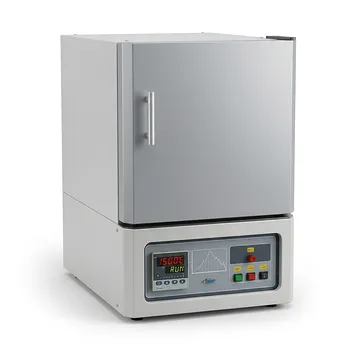
High Temperature 1500C Benchtop Muffle Furnace 3.6L Alumina Fiber Chamber Programmable Controller Sintering Annealing Carbonization Thermal Processing System
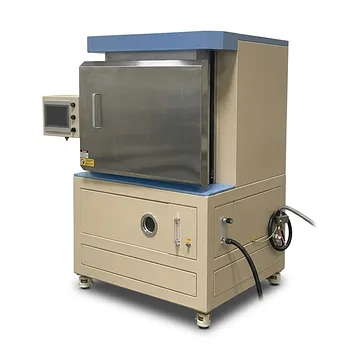
1650C High Temperature Atmosphere Controlled Box Furnace with 65L Chamber for Advanced Material Sintering and Industrial Heat Treatment
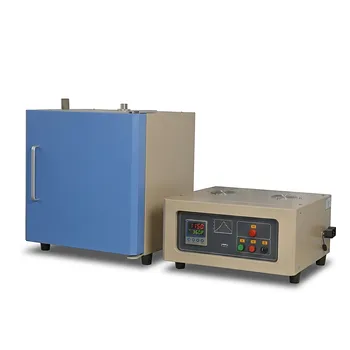
High Temperature Muffle Furnace with Alloy Chamber for Debinding and Sintering Applications
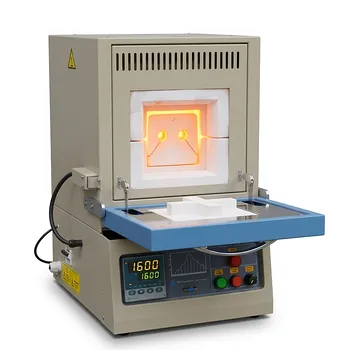
High Temperature Compact Muffle Furnace 1700 C with 30 Segment Programmable Controller and 1.7L Cubic Chamber
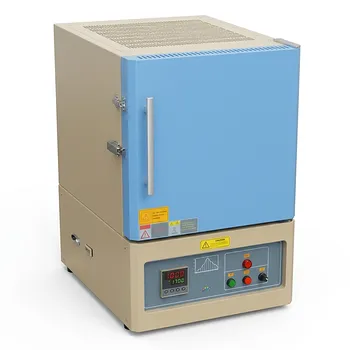
Large Bench Top 1700C High Temperature Muffle Furnace with 19L Chamber for Advanced Material Sintering and Annealing
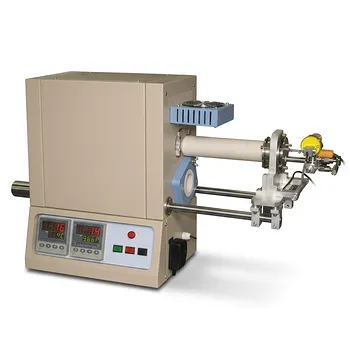
High Temperature Tube Furnace 1500C with Sliding Flanges and 50mm OD for Rapid Thermal Processing Fast Heating and Cooling

High Temperature 1700C Tube Furnace with High Vacuum Turbomolecular Pump System and Multi Channel Mass Flow Controller Gas Mixer
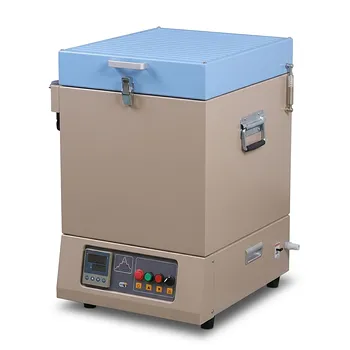
High Temperature Vertical Crucible Furnace with 22L Heating Chamber and 1200C Maximum Temperature
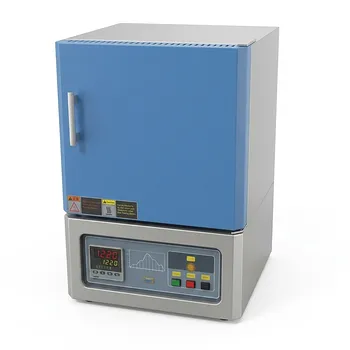
High Temperature Benchtop Muffle Furnace 1700C 10L Chamber Alumina Fiber Insulation MoSi2 Heating Elements
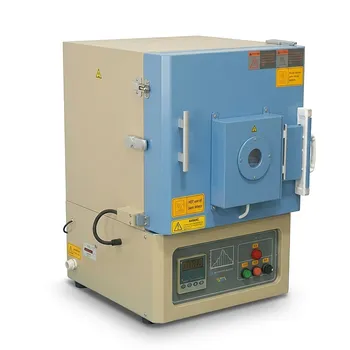
High Temperature Benchtop Muffle Furnace 1500C with 3.6L Chamber and Quartz Observation Window
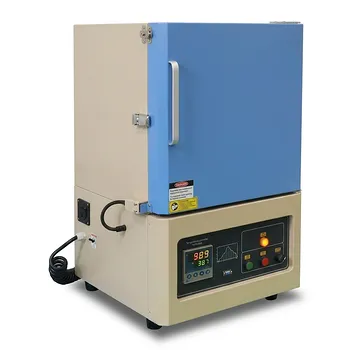
1200°C High Temperature Muffle Furnace 19L Chamber with 50 Segment Programmable Controller
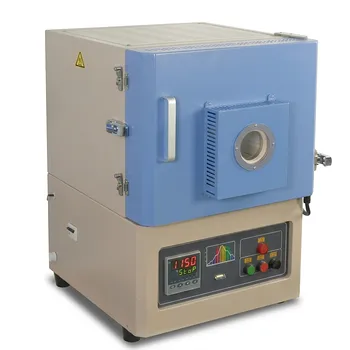
High Temperature Benchtop Muffle Furnace with Quartz Observation Window for Thermal Imaging and Material Analysis
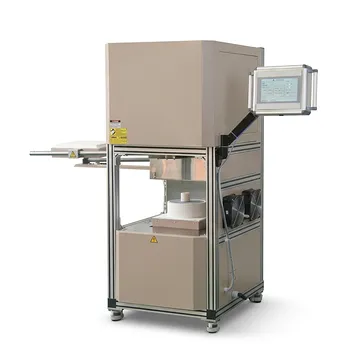
1600C High Temperature Automatic Bottom Loading Furnace for Thermal Shock Cycling and Material Fatigue Testing
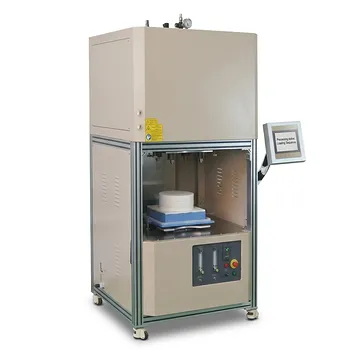
High Temperature Vertical Atmosphere Controlled Furnace with Automatic Bottom Loading and 1700°C Capacity for Advanced Material Research
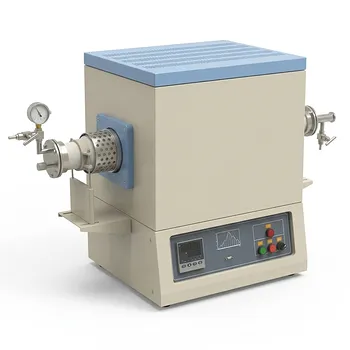
1750°C High Temperature Benchtop Vacuum Atmosphere Tube Furnace with Kanthal Super 1800 Heating Elements and 60mm Alumina Processing Tube
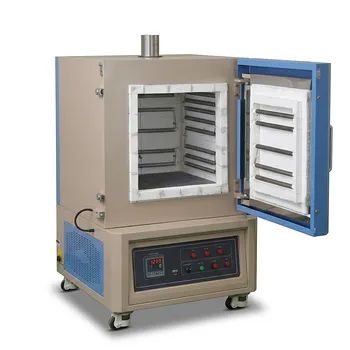
1200C High Temperature 125L Muffle Furnace 5 Side Heating for Large Batch Sintering with Optional Alloy Debinding Chamber
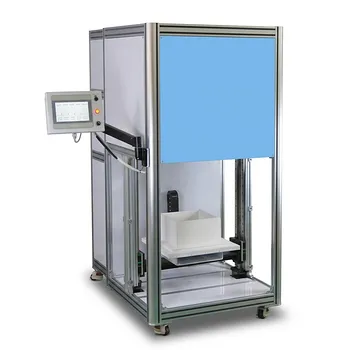
High Temperature 1600°C Three Zone Heated Bottom Loading Box Furnace with Rapid Thermal Processing Chamber 72L Volume
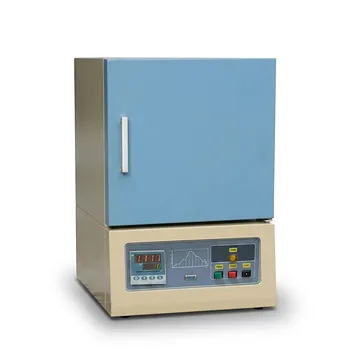
Ultra High Temperature Bench Top Muffle Furnace 1750C Sintering System with Kanthal Super Heating Elements and Precision Digital Control
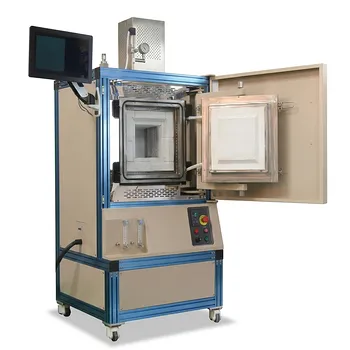
High Temperature Hydrogen Atmosphere Box Furnace 1650C Max Reducing Environment Material Synthesis System 8x8x8 Chamber