How does the choice of hot-zone materials, such as graphite or refractory metals, affect vacuum furnace performance? Guide
Updated 5 months ago
The choice between graphite and refractory metal hot-zones determines the purity, thermal limits, and cost-efficiency of your vacuum process. Graphite offers exceptional thermal stability and mechanical strength for high-pressure applications up to 2,400°C, making it the industrial standard for sintering and hot pressing. In contrast, refractory metals like molybdenum provide the "all-metal" environment necessary to eliminate carbon contamination in high-purity research and sensitive metallurgical processes.
Selecting hot-zone materials is a balance between the material's chemical compatibility with the workload and the operational budget. While graphite is the versatile workhorse for general industry, refractory metals are essential for applications where even trace carbon vapor could compromise the integrity of the finished product.
The Versatility of Graphite Hot-Zones
Thermal Stability at Extreme Temperatures
Graphite is unique because its mechanical strength actually improves at high temperatures. It remains thermally stable up to 2,400°C, making it the preferred choice for high-temperature vacuum hot press furnaces.
Mechanical Strength for Pressure Applications
In processes like hot pressing, the hot-zone must withstand significant uniaxial pressure. Graphite dies provide the necessary structural integrity to facilitate solid-state diffusion without deforming under load.
Economic and Maintenance Advantages
From an operational standpoint, graphite is highly cost-effective for general industrial applications. Its components are generally easier to repair and replace compared to the fragile shields of metal-lined furnaces.
The Role of Refractory Metals in High-Purity Environments
Eliminating Carbon Contamination
The primary reason to choose refractory metals like molybdenum or tungsten is the requirement for ultimate cleanliness. These "all-metal" hot-zones prevent carbon migration, which can otherwise contaminate sensitive materials or high-purity research samples.
Specialized Radiation Shielding
Instead of felt-based insulation, refractory metal furnaces use molybdenum sheets as radiation shields. This design ensures a vacuum environment free of the fibrous particles or outgassing often associated with carbon-based insulation.
Preventing Oxidation and Ensuring Bonding
Like graphite, these metals operate within a vacuum to prevent metal oxidation. This environment is critical for ensuring stable metallurgical bonding between powder particles during the sintering process.
Understanding the Trade-offs
Chemical Reactivity and Sticking
A common pitfall with graphite is the tendency for processed materials to stick to the surfaces at high heat. This requires the use of boron nitride coatings or protective foils as release agents to protect the integrity of the part.
Sensitivity to Oxygen
While both material types require a vacuum, refractory metals are significantly more sensitive to trace oxygen. Any leak in the system can cause rapid oxidation and embrittlement of molybdenum components, leading to expensive repairs.
Material Compatibility
Certain alloys react poorly with carbon vapor, leading to unwanted carbide formation or surface degradation. In these specific cases, the higher upfront cost of a refractory metal hot-zone is a necessary investment to ensure part quality.
Making the Right Choice for Your Goal
To determine the best material for your vacuum furnace, evaluate your project based on these specific priorities:
- If your primary focus is cost-efficiency and general sintering: Graphite is the standard choice due to its durability, ease of repair, and lower initial investment.
- If your primary focus is high-purity research or carbon-sensitive alloys: Refractory metals like molybdenum are essential to prevent carbon contamination and ensure chemical integrity.
- If your primary focus is vacuum hot pressing with high mechanical loads: Graphite is the superior option because it maintains high mechanical strength and electrical conductivity at temperatures exceeding 2,000°C.
- If your primary focus is rapid cycling and cleanliness: All-metal hot-zones provide a cleaner environment with less outgassing, though they require stricter vacuum integrity.
Selecting the appropriate hot-zone material ensures that your vacuum furnace delivers the precise metallurgical results required for your specific application.
Summary Table:
| Feature | Graphite Hot-Zone | Refractory Metal (Mo/W) |
|---|---|---|
| Max Temperature | Up to 2,400°C | Generally up to 2,000°C |
| Purity Level | Potential carbon migration | Ultra-high purity (all-metal) |
| Mechanical Strength | Increases with temperature | Decreases at high temperature |
| Maintenance/Cost | Cost-effective and durable | High cost and oxidation-sensitive |
| Best Application | Hot pressing & sintering | Carbon-sensitive alloy research |
Elevate Your Material Research with THERMUNITS
Choosing the right hot-zone material is critical for achieving precise metallurgical results. THERMUNITS is a leading manufacturer of high-temperature laboratory equipment, providing tailored thermal processing solutions for material science and industrial R&D. From Vacuum and Hot Press furnaces to CVD systems and Rotary kilns, we ensure your equipment is optimized for your specific purity and temperature requirements.
Ready to enhance your lab's efficiency and output quality?
Contact THERMUNITS Today to consult with our experts on the best thermal solutions for your application.
Mentioned Products
- Ultra High Temperature Induction Heated Vacuum Furnace with Molten Salt Electrolysis Capability and 3000 Degree Precision Control
- High Temperature 1000C Vacuum Furnace with 8 Inch ID Chamber for Material Sintering and Research Annealing
- 1200°C Bottom Loading Vacuum Furnace with Rapid Gas Cooling and 8.6 Inch Diameter Quartz Chamber
- High Pressure 600T Vacuum Induction Hot Press Furnace for Advanced Material Heat Treatment and Sintering
- High Temperature Vacuum Lamination Hot Press Furnace Machine for Semiconductor Wafer Bonding and Advanced Composite Thermal Processing
People Also Ask
- What roles do an induction furnace and a graphite crucible play in the slag pre-melting process? Optimize Slag Prep.
- What is the function of high-vacuum furnaces in (Mo2/3V1/3)n+1AlCn MAX phase synthesis? Ensure Purity & Diffusion.
- What is the typical operating temperature range for vacuum furnaces? Expert Guide to High-Precision Heat Treatment
- How do vacuum furnaces compare to atmosphere or salt-bath furnaces in terms of material properties? Gain Peak Purity
- What are the technical advantages of using a vacuum furnace over a traditional atmosphere furnace? Maximize Purity

Tech Team · ThermUnits
Last updated on Apr 14, 2026
Related Products
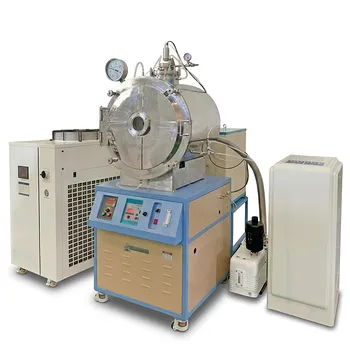
Ultra High Temperature Induction Heated Vacuum Furnace with Molten Salt Electrolysis Capability and 3000 Degree Precision Control
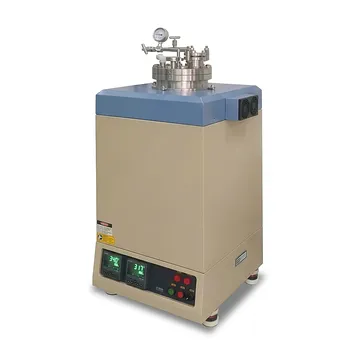
High Temperature 1000C Vacuum Furnace with 8 Inch ID Chamber for Material Sintering and Research Annealing
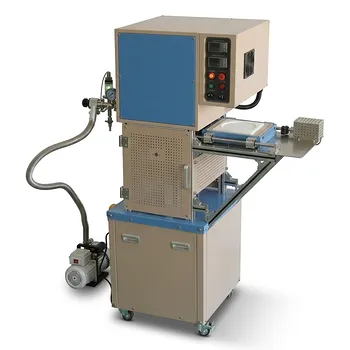
1200°C Bottom Loading Vacuum Furnace with Rapid Gas Cooling and 8.6 Inch Diameter Quartz Chamber
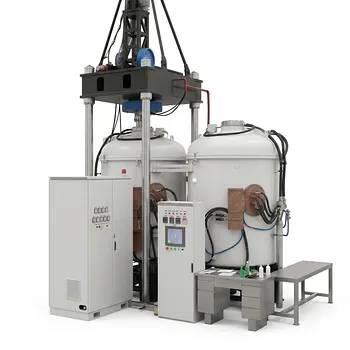
High Pressure 600T Vacuum Induction Hot Press Furnace for Advanced Material Heat Treatment and Sintering
High Temperature Vacuum Lamination Hot Press Furnace Machine for Semiconductor Wafer Bonding and Advanced Composite Thermal Processing
High Temperature Cold Wall High Vacuum Chamber Furnace 1400C for Advanced Material Processing
High Vacuum Compact Tube Furnace 1200C with Integrated Turbo Pump System and 8 Inch Heating Zone
Bottom Loading Vacuum Furnace 1200C Rapid Cooling Atmosphere Control Quartz Chamber
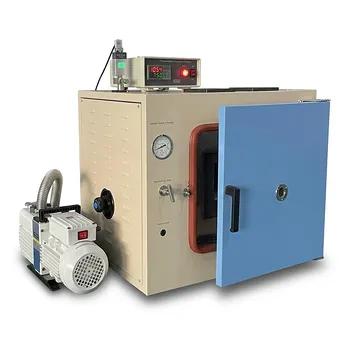
Compact High Vacuum Box Furnace 1050C Max 6.2L Ceramic Chamber Stainless Steel Shell Programmable Temperature Controller for Material Science Research
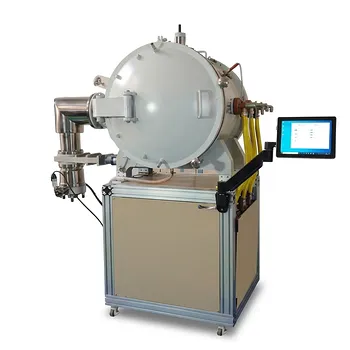
High Temperature Cold Wall Vacuum Furnace for Advanced Material Sintering and Annealing 1600C Heating Area 200x200x300mm
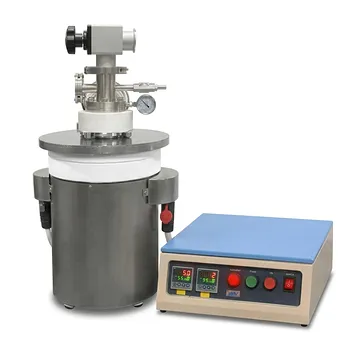
1100C High Temperature Vacuum Crucible Furnace with Quartz Chamber for Thermal Processing and Sintering
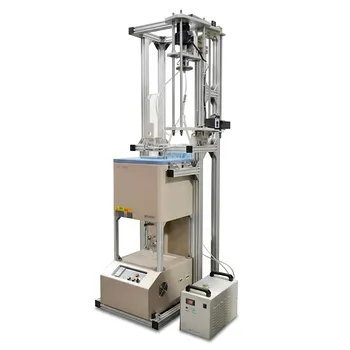
500C Vacuum Vertical Tube Furnace 84mm OD Sample Rotation Lifting System
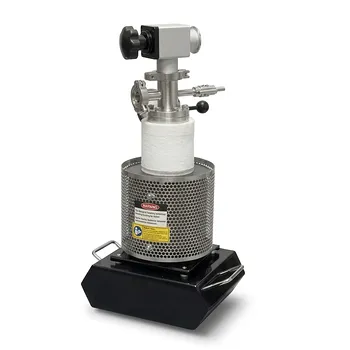
High Temperature 1100C Compact Top Loading Vertical Vacuum Tube Furnace for High Vacuum Noble Metal Melting and Material Research

1800C High Temperature Compact Vacuum Tube Furnace with 60mm OD Alumina Tube and Kanthal MoSi2 Heating Elements
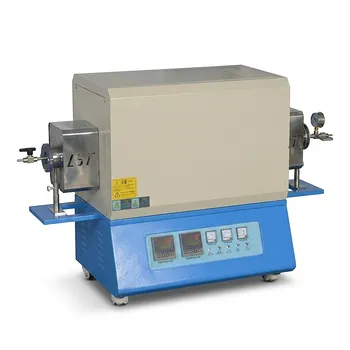
High Temperature Dual Zone Vacuum Tube Furnace for Material Research and CVD Processing
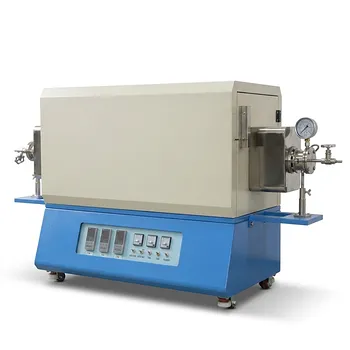
Three Temperature Zone High Temperature Vacuum Tube Furnace for CVD and Material Sintering
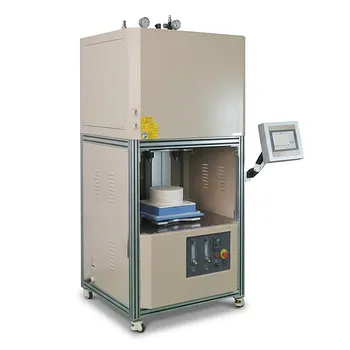
High Temperature Vertical Atmosphere Controlled Furnace 1700C Automatic Bottom Loading 13 Liter Vacuum Thermal System
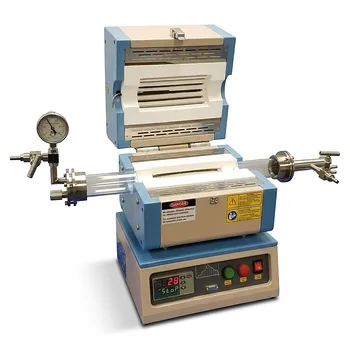
Compact Split Tube Furnace with Integrated Vacuum System and Precision Temperature Calibrator

Compact Vertical Split Quartz Tube Furnace with Stainless Steel Vacuum Flanges for Rapid Thermal Quenching and Controlled Atmosphere Material Processing
