How does wrapping medium carbon steel in foil benefit annealing? Protect surface carbon and prevent oxidation.
Updated 3 months ago
Protecting the metallurgical integrity of medium carbon steel during high-temperature annealing requires more than just precise heat control. Wrapping samples tightly in stainless steel foil creates a localized physical barrier that isolates the metal from the furnace atmosphere. At temperatures such as 800°C, this technique effectively prevents the loss of surface carbon and the formation of heavy oxide scale, ensuring the steel retains its intended properties for future use.
Wrapping steel samples in stainless steel foil is a cost-effective method to create a localized protective micro-environment. By blocking oxygen and furnace gases, it preserves surface carbon content and prevents material loss due to scaling.
The Mechanics of Surface Protection
Creating a Physical Barrier
The foil acts as a sacrificial shield against the residual atmosphere found inside most heat-treatment furnaces. Even in controlled environments, trace amounts of oxygen and water vapor can react aggressively with the hot metal surface.
Inhibiting Decarburization
Decarburization occurs when carbon atoms at the surface of the steel react with oxygen or hydrogen and migrate out of the metal. The foil wrap traps a tiny volume of air that quickly becomes inert, stopping this carbon depletion and maintaining the steel's chemistry.
Preventing Severe Oxidation
High-temperature exposure typically results in "scale," a thick, brittle layer of iron oxide that consumes the base metal. By limiting oxygen contact, the foil ensures that the surface remains relatively clean and free of heavy scaling.
Why Medium Carbon Steel Requires Protection
Maintaining Heat Treatment Response
Medium carbon steels are valued for their ability to be hardened through subsequent quenching and tempering. If the surface loses carbon during the initial annealing process, that outer "skin" will fail to harden properly in later stages.
Reducing Post-Process Machining
Heavy oxidation and decarburization often require the user to grind away several millimeters of material to reach "good" steel. Using a foil wrap significantly reduces the amount of material waste and the time spent on post-anneal surface cleaning.
Understanding the Trade-offs and Pitfalls
The Risk of Loose Wrapping
If the foil is not wrapped tightly or if the seams are not folded over (crimped), furnace gases can still leak into the package. An improper seal can lead to "patchy" decarburization, which creates soft spots on the finished part that are difficult to detect.
Thermal Lag Considerations
Adding a layer of foil creates a slight thermal barrier between the furnace heating elements and the steel sample. While usually negligible, for very precise soak times, you must account for the additional minute or two required for the sample to reach the target temperature.
Temperature Limitations of the Foil
Standard stainless steel tool wrap is rated for high temperatures, but it can become extremely brittle after a long soak. At temperatures significantly higher than 800°C, there is a small risk of the foil "diffusion bonding" to the sample if they are in absolute contact under pressure.
How to Apply This to Your Project
Before placing your samples in the furnace, ensure the foil is cut large enough to allow for "dead-fold" seams—folding the edges over at least twice to create a mechanical seal.
- If your primary focus is surface hardness: Ensure a tight, double-crimped seal to prevent any oxygen exchange that would lead to soft-skin decarburization.
- If your primary focus is dimensional accuracy: Use the foil wrap to minimize scale formation, which preserves the original dimensions of the sample and reduces the need for aggressive grinding.
By employing this simple barrier method, you ensure that the furnace heat softens the steel without compromising its chemical composition or surface quality.
Summary Table:
| Benefit | Mechanism | Impact on Result |
|---|---|---|
| Prevents Decarburization | Creates an inert micro-environment | Maintains surface carbon and hardening potential |
| Inhibits Oxidation | Blocks oxygen and furnace gases | Prevents heavy scale and material loss |
| Reduces Machining | Keeps the metal surface clean | Minimizes post-process grinding and waste |
| Preserves Chemistry | Acts as a sacrificial physical barrier | Ensures metallurgical integrity for R&D |
Optimize Your Material Research with THERMUNITS
Achieving precise metallurgical results requires the right thermal environment. THERMUNITS is a leading manufacturer of high-temperature laboratory equipment specifically designed for material science and industrial R&D. We provide the tools you need to ensure every annealing and heat treatment process is a success.
Our comprehensive range of thermal solutions includes:
- Furnaces: Muffle, Vacuum, Atmosphere, Tube, Rotary, and Hot Press furnaces.
- Advanced Systems: CVD/PECVD systems, Vacuum Induction Melting (VIM) furnaces, and Electric Rotary Kilns.
- Specialized Equipment: Dental Furnaces, Thermal Elements, and diverse laboratory heat treatment tools.
Whether you are preventing decarburization in carbon steel or developing new alloys, our equipment offers the stability and control your project demands. Contact us today to find the perfect heating solution for your lab!
References
- Julian Cejka, Susanne Michelic. Influence of Tramp Elements on Surface Properties of Liquid Medium‐Carbon Steels. DOI: 10.1002/srin.202300715
Mentioned Products
- High Temperature 1000C Vacuum Furnace with 8 Inch ID Chamber for Material Sintering and Research Annealing
- 1200C Five Side Heating Muffle Furnace with Sliding Door 125L Volume High Temperature Heat Treatment System for Large Scale Sintering and Annealing
- Five Side Heating Muffle Furnace High Purity Alumina Fiber 27L Chamber 1200C High Temperature Thermal Processing System for Sintering Annealing and Materials Research
- Large Bench Top 1700C High Temperature Muffle Furnace with 19L Chamber for Advanced Material Sintering and Annealing
- High Temperature Cold Wall Vacuum Furnace for Advanced Material Sintering and Annealing 1600C Heating Area 200x200x300mm
People Also Ask
- How does the temperature control precision of a high-temperature sintering furnace affect Na1+xLa1-xZr2O6-δ ceramics?
- How does a high-temperature sintering furnace environment enhance NdFeB magnets? Achieve 98%+ density with precision.
- What role does a high-temperature annealing furnace play in forming ordered Pt3(CoNi) intermetallic catalysts?
- What is the function of high-vacuum furnaces in (Mo2/3V1/3)n+1AlCn MAX phase synthesis? Ensure Purity & Diffusion.
- How does a vacuum or atmosphere sintering furnace contribute to the congener-welding process of carbon nitride membranes?

Tech Team · ThermUnits
Last updated on Jun 03, 2026
Related Products
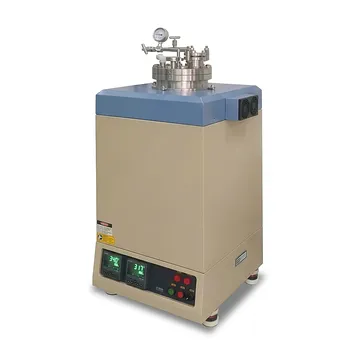
High Temperature 1000C Vacuum Furnace with 8 Inch ID Chamber for Material Sintering and Research Annealing
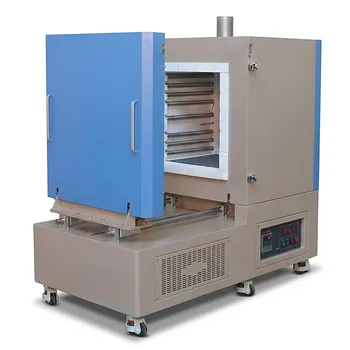
1200C Five Side Heating Muffle Furnace with Sliding Door 125L Volume High Temperature Heat Treatment System for Large Scale Sintering and Annealing
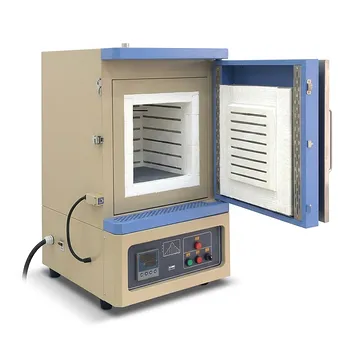
Five Side Heating Muffle Furnace High Purity Alumina Fiber 27L Chamber 1200C High Temperature Thermal Processing System for Sintering Annealing and Materials Research
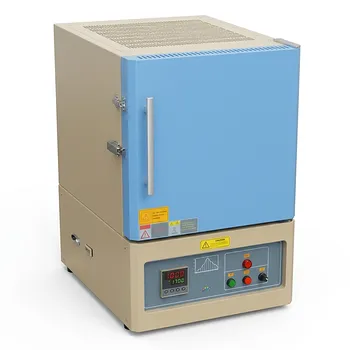
Large Bench Top 1700C High Temperature Muffle Furnace with 19L Chamber for Advanced Material Sintering and Annealing
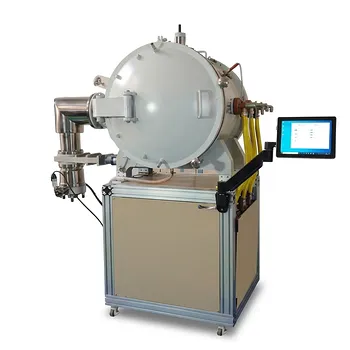
High Temperature Cold Wall Vacuum Furnace for Advanced Material Sintering and Annealing 1600C Heating Area 200x200x300mm
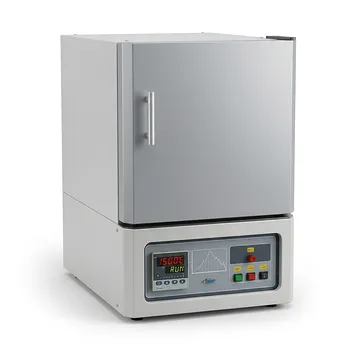
High Temperature 1500C Benchtop Muffle Furnace 3.6L Alumina Fiber Chamber Programmable Controller Sintering Annealing Carbonization Thermal Processing System
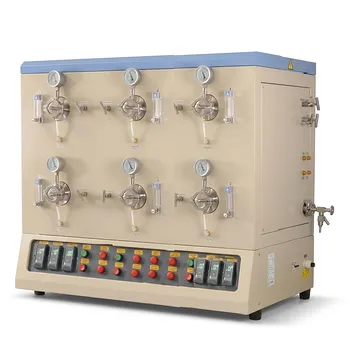
1200C High Throughput Multi Channel Tube Furnace with 50mm Quartz Tubes for Annealing and Material Phase Diagram Research
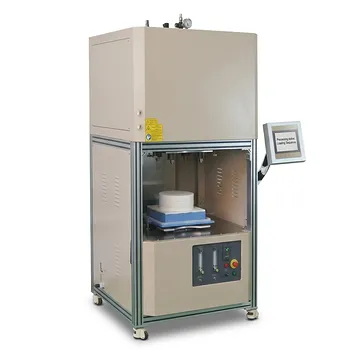
High Temperature Vertical Atmosphere Controlled Furnace with Automatic Bottom Loading and 1700°C Capacity for Advanced Material Research
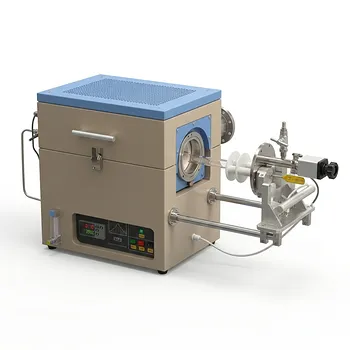
Compact Atmosphere Controlled Rapid Thermal Processing RTP Furnace with 4 Inch ID Quartz Tube 1100C
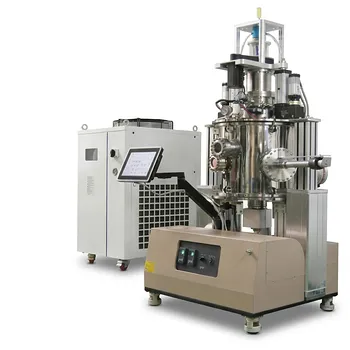
950C Rapid Thermal Processing Furnace for 12 Inch Wafer CSS Coating with Rotating Substrate Holder
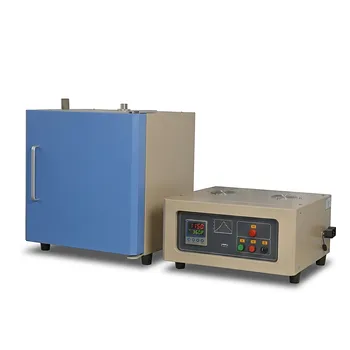
High Temperature Muffle Furnace with Alloy Chamber for Debinding and Sintering Applications
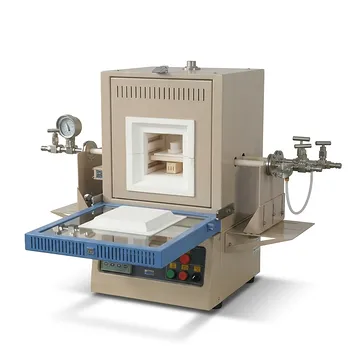
1700C Compact Hybrid Furnace with Dual Layer Box Sintering and Controlled Atmosphere Alumina Tubes
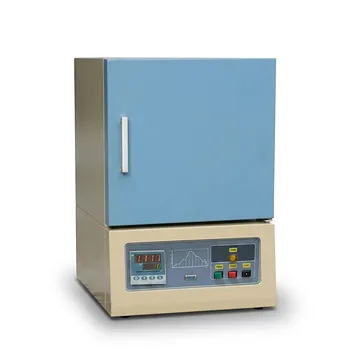
Ultra High Temperature Bench Top Muffle Furnace 1750C Sintering System with Kanthal Super Heating Elements and Precision Digital Control
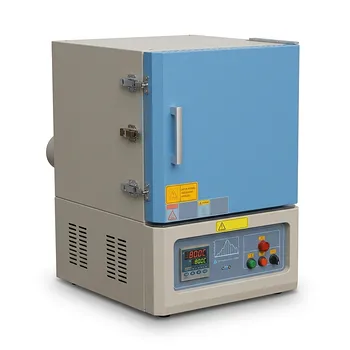
1800C Bench Top Muffle Furnace 18 Liters with Kanthal Super 1900 Heating Elements for High Purity Ceramic Sintering and Material Research
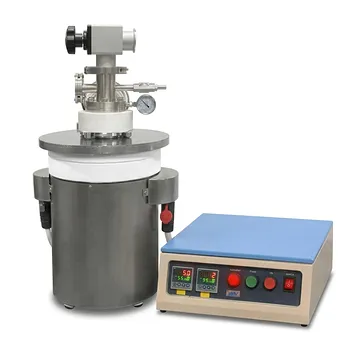
1100C High Temperature Vacuum Crucible Furnace with Quartz Chamber for Thermal Processing and Sintering
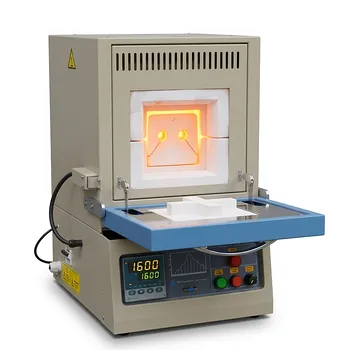
High Temperature Compact Muffle Furnace 1700 C with 30 Segment Programmable Controller and 1.7L Cubic Chamber
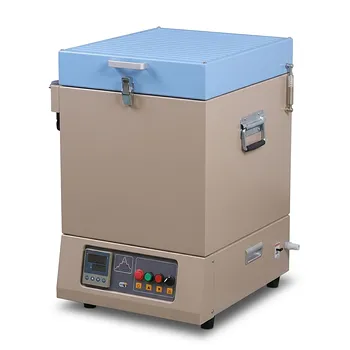
High Temperature Vertical Crucible Furnace with 22L Heating Chamber and 1200C Maximum Temperature
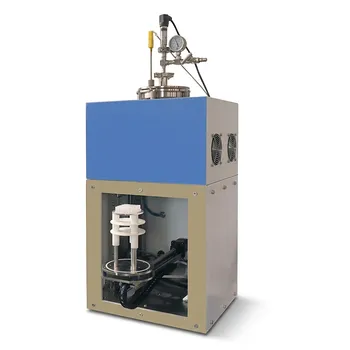
Rapid Thermal Processing RTP Atmosphere Controlled Bottom Loading Furnace 1100C High Throughput 50C per Second Heating Rate
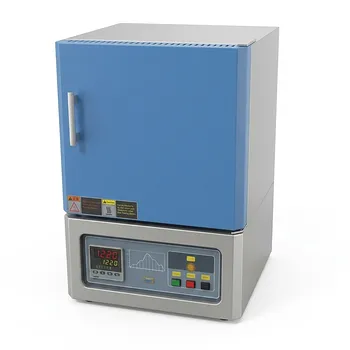
High Temperature Benchtop Muffle Furnace 1700C 10L Chamber Alumina Fiber Insulation MoSi2 Heating Elements