How is atmosphere uniformity and positive pressure maintained within continuous atmosphere furnaces? Optimize Heat Quality
Updated 5 months ago
Maintaining atmosphere integrity is a balancing act of pressure and flow. Continuous atmosphere furnaces achieve this by maintaining a slight positive pressure—typically a few millibars above ambient—to physically block external air from leaking into the chamber. Uniformity is then ensured through internal circulation systems, such as fans, and strategic gas flow patterns that move either parallel or counter to the workload.
To prevent oxidation and ensure consistent material properties, continuous furnaces rely on a combination of positive pressure and forced convection. By using physical barriers like flame curtains and vestibules alongside internal fans, these systems create a stable, controlled environment that resists contamination during the constant movement of materials.
The Mechanics of Positive Pressure Maintenance
Preventing Oxygen Ingress
The primary reason for maintaining positive pressure is to create a physical barrier against the outside environment. By keeping the internal pressure a few millibars higher than the room's ambient pressure, any leaks or openings result in furnace gas escaping rather than oxygen entering.
Protecting the Entry and Exit Points
In continuous systems, the furnace must remain open to allow the workload to move through on belts or rollers. Flame curtains and vestibules are utilized at these transition points to minimize the loss of the controlled atmosphere and prevent external air from "backfilling" into the heating zones.
Balancing Gas Flow Rates
Maintaining this pressure requires a constant, controlled injection of atmosphere gases. The system must precisely balance the volume of gas introduced with the volume lost through the doors to ensure the pressure remains steady without excessive gas waste.
Strategies for Achieving Atmosphere Uniformity
Forced Convection via Internal Fans
Achieving a uniform chemical and thermal environment requires moving the gas constantly. Internal fans or circulation systems create forced convection, which prevents "dead zones" where the atmosphere might become stagnant or depleted.
Directional Flow Patterns
The direction of the gas flow is strategically designed based on the furnace type, such as mesh-belt or roller-hearth designs. The atmosphere is directed to flow either parallel to the workload movement or counter to it, depending on the specific metallurgical requirements of the process.
Interaction with the Workload
Uniformity is not just about the gas itself, but how it interacts with the parts. Strategic flow patterns ensure that the atmosphere reaches every surface of the material, regardless of how densely the parts are packed on the conveyor.
Understanding the Trade-offs
Operational Costs vs. Pressure Stability
While higher positive pressure provides a better safety margin against contamination, it significantly increases gas consumption. Finding the "sweet spot" is critical to balancing high-quality output with the high cost of process gases like nitrogen or hydrogen.
Flow Velocity vs. Part Stability
High-velocity fans improve uniformity and heat transfer but can cause issues with light or delicate parts. In some applications, excessive forced convection may shift small components on a belt, requiring a compromise between flow speed and mechanical stability.
Maintenance of Moving Parts
Internal fans and circulation motors are subject to extreme heat and corrosive atmospheres. The benefit of increased uniformity comes with the trade-off of more frequent preventative maintenance to ensure the circulation system does not fail during a production run.
How to Optimize Your Furnace Environment
Depending on your specific production goals, you should prioritize different aspects of the atmosphere control system.
- If your primary focus is maximum surface purity: Focus on optimizing the flame curtains and increasing the positive pressure setpoint to ensure zero oxygen ingress.
- If your primary focus is consistent material hardness: Prioritize the maintenance of internal fans and circulation systems to ensure the atmosphere chemistry is identical across the entire width of the belt.
- If your primary focus is reducing operational overhead: Invest in vestibule seals and automated pressure controls to minimize the volume of gas required to maintain the necessary overpressure.
A well-maintained atmosphere system is the foundation of repeatable, high-quality heat treatment in any continuous thermal process.
Summary Table:
| Mechanism | Primary Function | Key Benefit for Heat Treatment |
|---|---|---|
| Positive Pressure | Maintains internal pressure > ambient | Physically blocks oxygen ingress and contamination |
| Internal Fans | Enables forced convection | Eliminates stagnant zones for chemical uniformity |
| Flame Curtains | Seals entry and exit points | Minimizes atmosphere loss during material movement |
| Directional Flow | Controlled parallel/counter flow | Ensures consistent gas interaction across all parts |
| Vestibules | Transitional buffer zones | Prevents external air from backfilling into heat zones |
Elevate Your Thermal Processing with THERMUNITS
Achieving precise atmosphere control is critical for high-performance material science and industrial R&D. As a leading manufacturer of high-temperature laboratory equipment, THERMUNITS provides a comprehensive range of thermal solutions, including Muffle, Vacuum, Atmosphere, Tube, Rotary, and Hot Press furnaces, as well as CVD/PECVD systems, Dental Furnaces, and vacuum induction melting furnaces (VIM).
Whether you need to eliminate oxidation or ensure perfect material hardness, our expert team is ready to design the ideal heat treatment environment for your specific needs.
Contact our technical experts today to optimize your research and production!
Mentioned Products
- 1650C High Temperature Atmosphere Controlled Box Furnace with 65L Chamber for Advanced Material Sintering and Industrial Heat Treatment
- 1000°C Seven Zones Conveyor Belt Furnace with Multi Zone Temperature Control 150mm Width 2000mm Heating Length
- 1200°C Atmosphere Controlled Automatic Bottom Loading Furnace with 6 Inch Quartz Tube
- Roller Table Atmosphere Furnace 1500C High Temperature Battery Material Sintering System 112L Capacity
- 1200C Hydrogen Atmosphere Box Furnace with 5 Heated Sides and 64L Chamber
People Also Ask
- What role does atmosphere control play in technical ceramics and glass? Master Material Purity and Precision
- What role does a high-temperature atmosphere furnace play in the direct electrochemical reduction of CO2? - Key Insights
- What is the role of a high-temperature box furnace in the solid-state synthesis of Europium-doped M3MgSi2O8 phosphors?
- What is the role of a high-temperature box furnace in Na3MnZr(PO4)3 synthesis? Engineering High-Performance NASICON.
- What is the role of a high-temperature atmosphere furnace in Co/Co0.85Se@NC synthesis? Optimize Catalyst Performance

Tech Team · ThermUnits
Last updated on Apr 14, 2026
Related Products
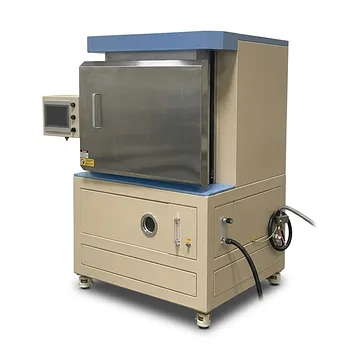
1650C High Temperature Atmosphere Controlled Box Furnace with 65L Chamber for Advanced Material Sintering and Industrial Heat Treatment
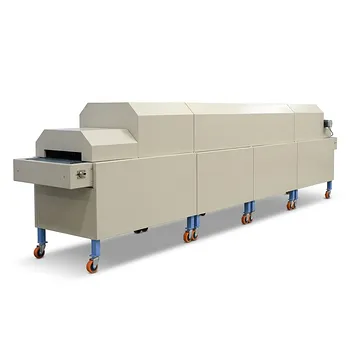
1000°C Seven Zones Conveyor Belt Furnace with Multi Zone Temperature Control 150mm Width 2000mm Heating Length
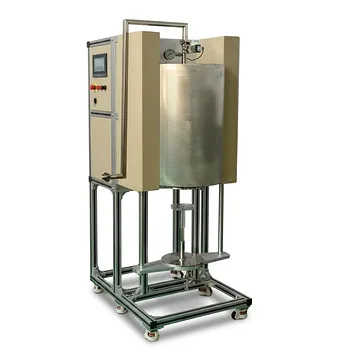
1200°C Atmosphere Controlled Automatic Bottom Loading Furnace with 6 Inch Quartz Tube
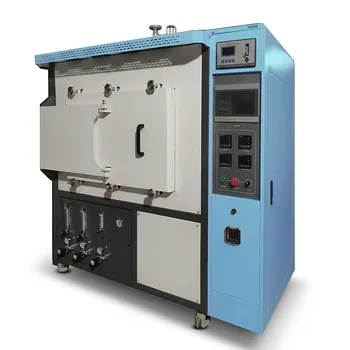
Roller Table Atmosphere Furnace 1500C High Temperature Battery Material Sintering System 112L Capacity
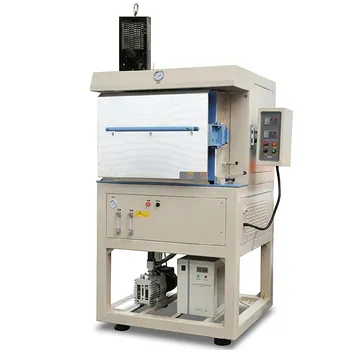
1200C Hydrogen Atmosphere Box Furnace with 5 Heated Sides and 64L Chamber
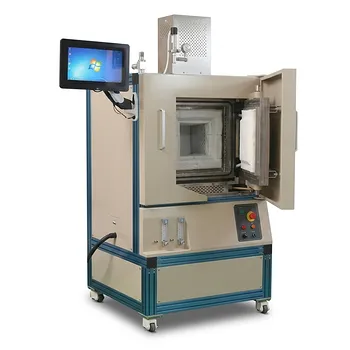
High Temperature Oxygen and Inert Atmosphere Controlled Furnace 8 Liter 1700C Sintering System for Advanced Materials RD
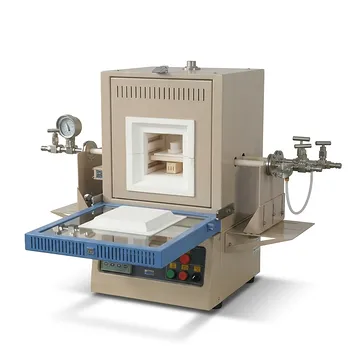
1700C Compact Hybrid Furnace with Dual Layer Box Sintering and Controlled Atmosphere Alumina Tubes
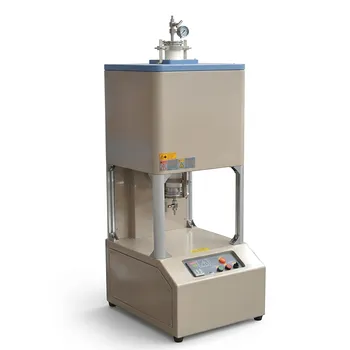
Vertical 1700C Vacuum and Atmosphere Tube Furnace with 80mm Alumina Tube
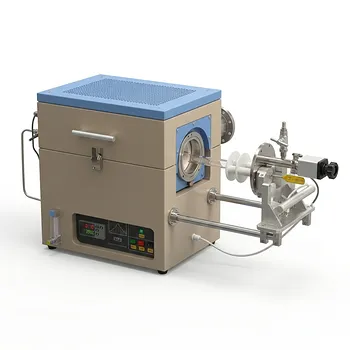
Compact Atmosphere Controlled Rapid Thermal Processing RTP Furnace with 4 Inch ID Quartz Tube 1100C
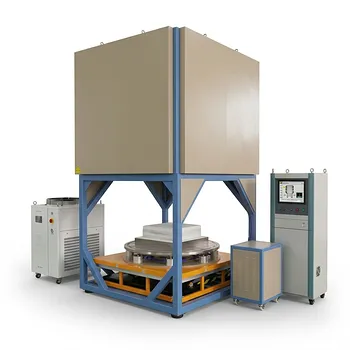
Bottom Loaded Inert Gas Atmosphere Box Furnace 1700C 1300C 216L Large Capacity Industrial Thermal Processing System
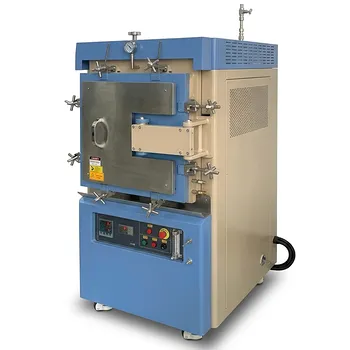
Atmosphere Controlled Muffle Furnace 1700C Maximum Temperature 80L High Capacity Vacuum Inert Gas Box Furnace
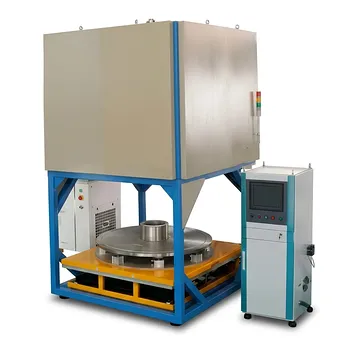
1400C Bottom Loaded Inert Gas Atmosphere Box Furnace with 125L Capacity and Precision Hydraulic Lift
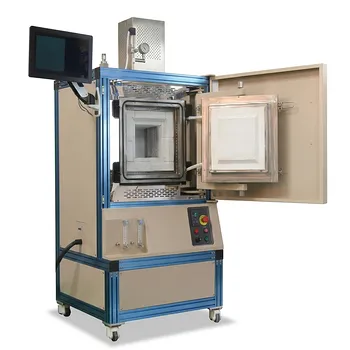
High Temperature Hydrogen Atmosphere Box Furnace 1650C Max Reducing Environment Material Synthesis System 8x8x8 Chamber
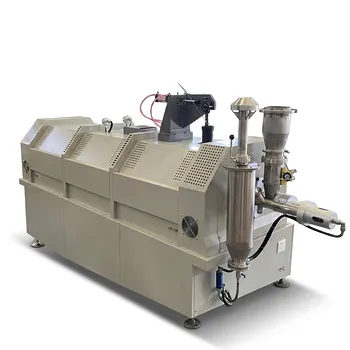
Electric Rotary Kiln Continuous Working Small Rotary Furnace Heating Pyrolysis Plant
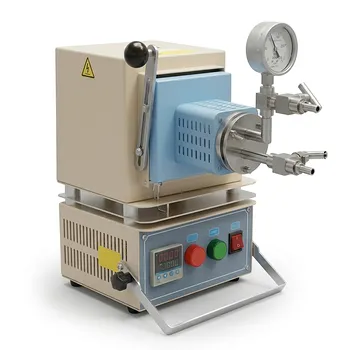
Compact Hybrid Muffle and Tube Furnace for 1000C Controlled Atmosphere Laboratory Material Sintering
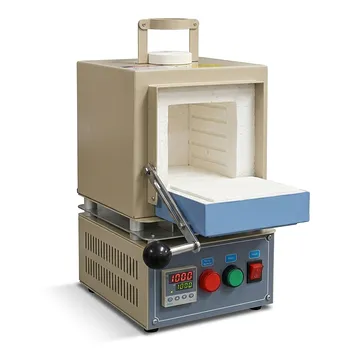
Compact 1000C Muffle Furnace with Programmable Controller and 2 Inch Top Port for Vacuum and Atmosphere Material Research
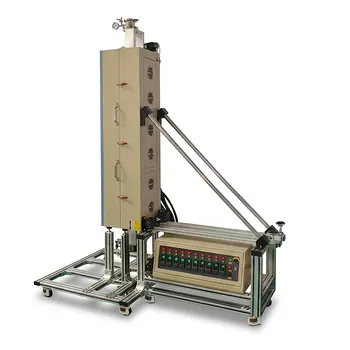
1200°C 10-Zone Split Tube Furnace with Horizontal and Vertical Mounting for Multi-Zone Thermal Gradients and Large Diameter Material Processing
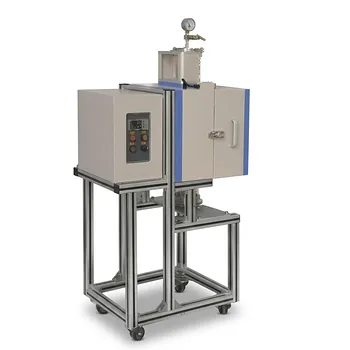
1200°C 5 Inch Vertical Quartz Tube Furnace with Stainless Steel Vacuum Flanges
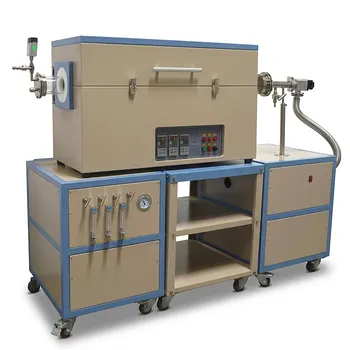
Three Zone Quartz Tube Furnace with 3 Channel Gas Mixer Vacuum Pump and Anti Corrosive Vacuum Gauge