What are the advantages of using a tube furnace with inert gas? Ensure Surface Integrity for High-Vanadium Steel
Updated 5 months ago
Utilizing a tube furnace with an inert gas atmosphere for high-vanadium high-speed steel ensures metallurgical integrity during high-temperature austenitization. By isolating the steel from oxygen at temperatures between 1100°C and 1250°C, this method prevents surface oxidation and decarburization. This process is critical for maintaining uniform hardness across the material and ensuring the reliability of experimental data.
Core Takeaway: A tube furnace with an inert gas atmosphere provides a controlled, oxygen-free environment that preserves the surface chemistry of high-alloy steels during extreme heating, preventing structural degradation and ensuring consistent mechanical properties after quenching.
Protecting Surface Chemistry at Extreme Temperatures
Prevention of Surface Oxidation
High-vanadium high-speed steels require intense heat, often reaching 1250°C, to properly dissolve carbides into the austenite matrix. At these temperatures, exposure to even trace amounts of oxygen causes rapid scale formation.
The inert gas in a tube furnace acts as a physical barrier, displacing oxygen and ensuring the steel surface remains pristine. This eliminates the need for aggressive post-heat-treatment cleaning or grinding to remove oxidized layers.
Elimination of Decarburization
Decarburization occurs when carbon atoms at the steel's surface react with oxygen or hydrogen, stripping the surface of its hardening potential.
By maintaining an inert environment, the tube furnace ensures that the chemical composition of the surface remains identical to the core. This is vital for high-vanadium steels, where carbon-vanadium balance is essential for wear resistance.
Achieving Uniformity and Data Precision
Consistency Between Surface and Core Hardness
When the surface is protected from decarburization, the quenching process results in a uniform martensitic transformation.
Without this protection, the surface would remain soft while the core hardened, leading to internal stresses and inconsistent mechanical performance. A tube furnace ensures that the hardness readings taken during testing reflect the true potential of the alloy.
Precision Control of Heating Parameters
Tube furnaces allow for highly accurate control over the heating rate (e.g., 5°C/min) and dwell times.
This level of precision is necessary to prevent thermal shock and ensure that the complex carbides in high-vanadium steel are dissolved evenly. Controlled heating directly translates to a more stable and predictable microstructure.
Understanding the Trade-offs
Equipment and Operational Limitations
While highly effective, tube furnaces are typically limited by the physical size of the heating chamber. They are ideal for experimental specimens or small components but may not be suitable for large-scale industrial parts.
Gas Management Challenges
Maintaining a truly inert atmosphere requires a constant, regulated flow of high-purity gas, such as nitrogen or argon.
If the gas flow is insufficient or the furnace seals are compromised, even minor leaks can lead to localized oxidation. Furthermore, the cost of high-purity inert gases can increase operational overhead compared to vacuum or salt bath methods.
How to Apply This to Your Project
When deciding on a heating method for the quenching stage of high-alloy tool steels, consider your primary objective for the finished material.
- If your primary focus is experimental accuracy: Use a tube furnace with high-purity argon to ensure the surface chemistry remains unchanged, providing the most reliable data for metallurgical analysis.
- If your primary focus is maximizing surface hardness: Ensure the inert gas flow is initiated before the temperature exceeds 500°C to prevent any early-stage oxidation that could interfere with the final quench.
- If your primary focus is minimizing distortion: Utilize a setup that allows for high-pressure nitrogen quenching directly following the heating stage to achieve rapid, uniform cooling without the risks of liquid media.
By leveraging the controlled environment of a tube furnace, you ensure that high-vanadium steels reach their full peak of hardness and wear resistance without compromising surface integrity.
Summary Table:
| Feature | Benefit for High-Vanadium High-Speed Steel |
|---|---|
| Inert Atmosphere | Prevents surface oxidation and scaling at temperatures up to 1250°C. |
| Oxygen Displacement | Eliminates decarburization to maintain critical carbon-vanadium balance. |
| Precision Control | Ensures accurate heating rates (e.g., 5°C/min) for uniform carbide dissolution. |
| Uniform Transformation | Results in consistent martensitic hardness from the surface to the core. |
| Pure Gas Environment | Protects experimental integrity, providing reliable data for metallurgical analysis. |
Elevate Your Material Research with THERMUNITS
Achieve the highest precision in your heat treatment processes with THERMUNITS, a leading manufacturer of high-temperature laboratory equipment for material science and industrial R&D. Our specialized Tube and Atmosphere furnaces are engineered to provide the oxygen-free environments necessary for quenching high-vanadium steels without compromising surface chemistry.
From Muffle, Vacuum, and Rotary furnaces to advanced CVD/PECVD systems, Hot Press furnaces, and Vacuum Induction Melting (VIM) units, we offer a comprehensive range of thermal solutions tailored to your specific R&D needs. Ensure uniform hardness and metallurgical integrity in every sample.
Ready to optimize your thermal processing?
Contact our technical experts today to discuss your laboratory requirements and discover how our equipment can drive your innovation forward!
References
- Yujie Wang, Haochun Xia. Investigation on microstructure, mechanical properties, and tribological behaviors of spray-formed high-vanadium high-speed steel after heat treatment. DOI: 10.1007/s44251-024-00061-6
Mentioned Products
- High Temperature 1000C Hydrogen Vertical Quenching Furnace with 4 Inch Stainless Steel Tube
- 1700C High Temperature Quenching Tube Furnace with 60mm Alumina Tube and Automatic Electromagnet Release System
- Compact Vertical Split Quartz Tube Furnace with Stainless Steel Vacuum Flanges for Rapid Thermal Quenching and Controlled Atmosphere Material Processing
- High Temperature 1700C Vertical Split Tube Furnace for Material Quenching and Single Crystal Growth
- 1200C High Temperature Atmosphere Controlled Vertical Quenching Tube Furnace with 4 Inch Quartz Tube
People Also Ask
- What are the advantages of using a Vertical Drop-quench Furnace for oxygen fugacity? Achieve Precise Redox Simulation
- How does a push rod mechanism contribute to the workflow within a tube furnace? Optimize Your Hydrogen Reduction Process
- Why is a hydrogen-reducing atmosphere tube furnace required for Eu2+ silicate? Essential for Precise Valence Control.
- What role does a high-temperature vacuum tube furnace play in Mg-Ni-Ti-Mn alloy treatment? Optimize Purity & Structure
- Why is a hydrogen reduction atmosphere within a tube furnace essential for preparing IF-MoS2 hollow nanospheres? Mechanism

Tech Team · ThermUnits
Last updated on Apr 14, 2026
Related Products
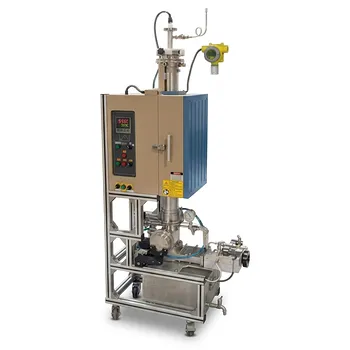
High Temperature 1000C Hydrogen Vertical Quenching Furnace with 4 Inch Stainless Steel Tube
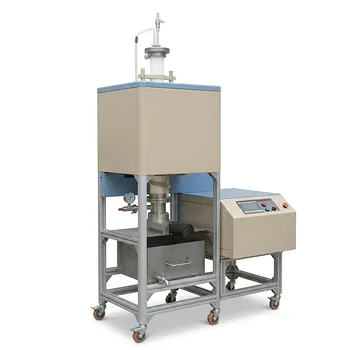
1700C High Temperature Quenching Tube Furnace with 60mm Alumina Tube and Automatic Electromagnet Release System

Compact Vertical Split Quartz Tube Furnace with Stainless Steel Vacuum Flanges for Rapid Thermal Quenching and Controlled Atmosphere Material Processing
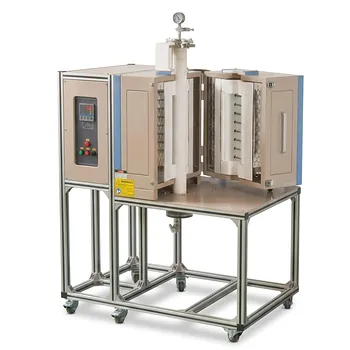
High Temperature 1700C Vertical Split Tube Furnace for Material Quenching and Single Crystal Growth
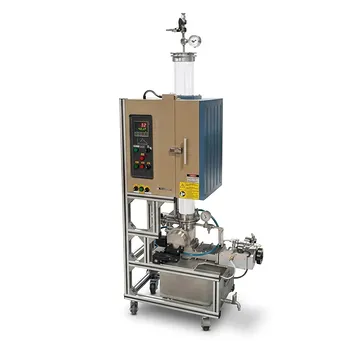
1200C High Temperature Atmosphere Controlled Vertical Quenching Tube Furnace with 4 Inch Quartz Tube
1700C Hydrogen Gas Tube Furnace with 60mm Alumina Process Tube and Integrated Hydrogen Safety Detector
1200C Max Dual Sliding Tube Furnace with 50 mm Tube Flanges for CVD
1200°C High Temperature 4 Inch Tube Furnace with Sliding Flange for CVD Systems
High Temperature 1100C Compact Top Loading Vertical Vacuum Tube Furnace for High Vacuum Noble Metal Melting and Material Research

High Temperature Tube Furnace 1500C with Sliding Flanges and 50mm OD for Rapid Thermal Processing Fast Heating and Cooling

High Temperature 1700C Tube Furnace with High Vacuum Turbomolecular Pump System and Multi Channel Mass Flow Controller Gas Mixer
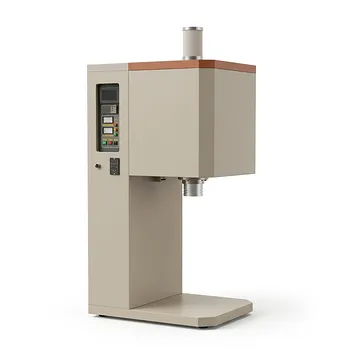
Vertical Openable Tube Furnace 0-1700c High Temperature Laboratory System for CVD and Vacuum Heat Treatment
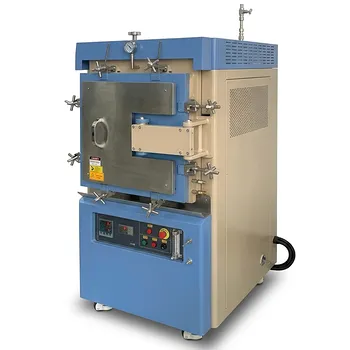
Atmosphere Controlled Muffle Furnace 1700C Maximum Temperature 80L High Capacity Vacuum Inert Gas Box Furnace

High Temperature 1700C Vertical Tube Furnace for Powder Spherification and Material Sintering
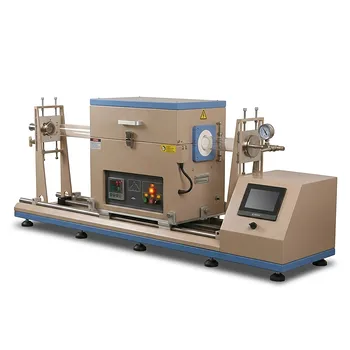
1200C Sliding Tube Furnace for Rapid Thermal Processing and CVD Graphene Growth with 100mm OD Capacity
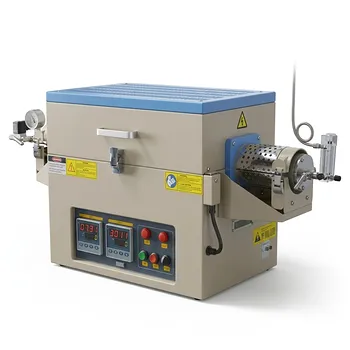
1100C Dual Zone Hydrogen Gas Tube Furnace with Quartz Tube and Integrated H2 Leak Detection System
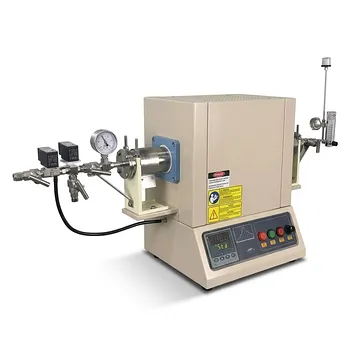
1500C Compact Hydrogen Gas Tube Furnace with 2 Inch Alumina Tube and Hydrogen Detector

High Temperature Automated 5 Inch Tube Furnace for Autonomous Material Research and Advanced Laboratory R&D
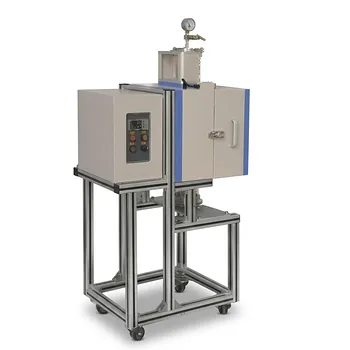
1200°C 5 Inch Vertical Quartz Tube Furnace with Stainless Steel Vacuum Flanges
