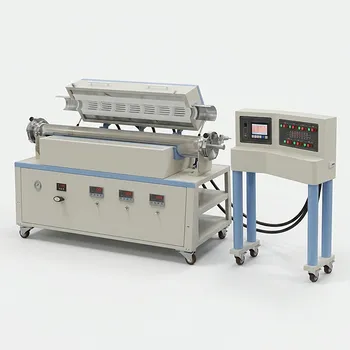
What is the role of a tube atmosphere furnace in copper powder prep? Master precision reduction & particle control.
Updated 6 months ago
The high-temperature tube atmosphere furnace is the foundational pillar of ultra-fine copper powder production. It serves as a precision-controlled reactor that manages the delicate balance between chemical reduction and physical morphology. By strictly regulating the thermal field and the hydrogen flow, the furnace ensures a complete, one-step conversion of copper oxide to metallic copper while preventing the microscopic particles from fusing together.
The furnace acts as a hermetically sealed environment that allows for the simultaneous control of thermodynamics and kinetics. Its primary role is to facilitate full chemical reduction while suppressing the natural tendency of copper nanoparticles to coarsen or sinter at high temperatures.
Precise Atmospheric Isolation and Control
Maintaining a High-Purity Reductive Environment
The furnace provides a strictly sealed reaction space that is essential for excluding oxygen and moisture. This isolation prevents secondary oxidation, ensuring that the final metallic copper reaches peak purity levels.
Regulating Gas Flow and Partial Pressure
By utilizing integrated flow meters, the furnace manages the exact volume and concentration of pure hydrogen or H2/N2 mixtures. This control over the reductive atmosphere's partial pressure allows for the precise targeting of specific copper oxidation states, such as metallic copper (Cu0) or cuprous (Cu+) states.
Ensuring Chemical Uniformity
The constant flow of hydrogen over the sample surface ensures that every copper oxide particle is exposed to the same reductive potential. This consistency is critical for producing a batch of powder with uniform chemical properties.
Thermodynamic Stability and Morphology Preservation
Inhibiting Particle Coarsening and Sintering
At elevated temperatures, ultra-fine particles naturally tend to "sinter" or fuse together to reduce surface energy. The tube furnace’s ability to maintain a stable, precisely tuned thermal field is vital for keeping these particles separate and maintaining their "ultra-fine" scale.
Facilitating One-Step Complete Conversion
The furnace provides the specific thermodynamic conditions required for a one-step transformation from oxide to metal. This efficiency reduces processing time and minimizes the window of opportunity for unwanted particle growth.
Managing Nucleation through Programmed Heating
Advanced furnaces allow for specific heating programs, such as a slow ramp of 10°C per minute. This controlled increase prevents "explosive nucleation," a phenomenon where rapid reactions cause particles to clump or grow uncontrollably.
Understanding the Trade-offs: Heat vs. Surface Area
The Conflict of Kinetic Speed
Increasing the temperature within the furnace accelerates the reduction process and ensures all residual oxygen is removed. However, higher temperatures significantly increase the risk of over-sintering, which reduces the active surface area and degrades the quality of the ultra-fine powder.
Managing Hydrogen Concentration
While high-purity hydrogen ensures a strong reducing environment, it must be balanced against the heat generated by the exothermic reduction reaction. Poorly controlled gas flow can lead to local "hot spots" within the tube, causing non-uniform particle sizes across the sample.
Mechanical Limitations of Tube Materials
Operating at the higher end of the temperature spectrum (e.g., near 1000°C) can provide high-density copper parts but puts significant stress on the furnace's quartz or ceramic tubes. Frequent cycling between room temperature and high reduction temperatures can lead to material fatigue and potential vacuum leaks.
How to Apply This to Your Production Goals
Recommendations for Process Optimization
- If your primary focus is Maximum Particle Dispersion: Utilize a programmed heating rate (e.g., up to 400°C) with a high-purity hydrogen flow to prevent rapid nucleation and sintering.
- If your primary focus is High Chemical Purity: Maintain temperatures at the higher end of the stable range (above 350°C) and ensure a strictly sealed environment to eliminate all traces of residual oxygen.
- If your primary focus is Throughput Efficiency: Focus on the one-step conversion capabilities of the furnace by optimizing the hydrogen flow rate to match the mass of the copper oxide sample.
The high-temperature tube atmosphere furnace is ultimately the only tool capable of providing the nuanced environment necessary to bridge the gap between bulk chemical reactions and nanoscale material engineering.
Summary Table:
| Key Feature | Role in Copper Reduction | Impact on Final Product |
|---|---|---|
| Atmospheric Isolation | Excludes oxygen and moisture | Prevents secondary oxidation & ensures purity |
| Programmed Heating | Controlled ramp (e.g., 10°C/min) | Inhibits sintering & maintains ultra-fine scale |
| Gas Flow Regulation | Manages H2/N2 partial pressure | Targets specific oxidation states (Cu0/Cu+) |
| Thermal Stability | Maintains uniform thermal field | Ensures batch consistency and morphology preservation |
Elevate Your R&D with THERMUNITS Precision Thermal Solutions
As a leading manufacturer of high-temperature laboratory equipment, THERMUNITS empowers material science and industrial R&D teams with high-performance thermal processing systems. Whether you are optimizing hydrogen reduction for ultra-fine powders or developing advanced alloys, our comprehensive range of equipment—including Tube, Atmosphere, Vacuum, Muffle, and Rotary furnaces, as well as CVD/PECVD systems and Hot Press furnaces—provides the reliability you need.
From electric rotary kilns and vacuum induction melting (VIM) furnaces to specialized dental furnaces and thermal elements, we deliver the precision required for cutting-edge heat treatment.
Ready to optimize your production efficiency?
Contact THERMUNITS today to find the perfect thermal solution for your laboratory or industrial requirements.
References
- Shiwen Li, Jue Liu. The Preparation of an Ultrafine Copper Powder by the Hydrogen Reduction of an Ultrafine Copper Oxide Powder and Reduction Kinetics. DOI: 10.3390/ma17071613
Mentioned Products
- High Temperature Hydrogen Atmosphere Box Furnace 1650C Max Reducing Environment Material Synthesis System 8x8x8 Chamber
- High Temperature 1700C Vertical Tube Furnace for Powder Spherification and Material Sintering
- High Temperature 1000C Hydrogen Vertical Quenching Furnace with 4 Inch Stainless Steel Tube
- 1750°C High Temperature Benchtop Vacuum Atmosphere Tube Furnace with Kanthal Super 1800 Heating Elements and 60mm Alumina Processing Tube
- High Temperature Vertical Atmosphere Controlled Furnace with Automatic Bottom Loading and 1700°C Capacity for Advanced Material Research
People Also Ask
- What is the role of a high-temperature box furnace in the solid-state synthesis of Europium-doped M3MgSi2O8 phosphors?
- What is the role of a high-temperature box furnace in Na3MnZr(PO4)3 synthesis? Engineering High-Performance NASICON.
- What role does an industrial-grade high-temperature furnace play in C2F sintering? Achieve Pure Phase and High Strength
- How does a high-temp box furnace aid rare-earth oxysulfide phosphor synthesis? Enhance Purity & Luminescence
- Why is a high-temperature box furnace required for 1250°C ferrite calcination? Ensure Precise Phase Transformation.

Tech Team · ThermUnits
Last updated on Apr 14, 2026
Related Products
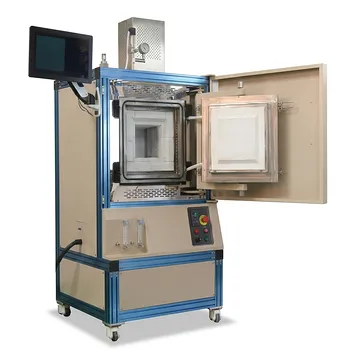
High Temperature Hydrogen Atmosphere Box Furnace 1650C Max Reducing Environment Material Synthesis System 8x8x8 Chamber
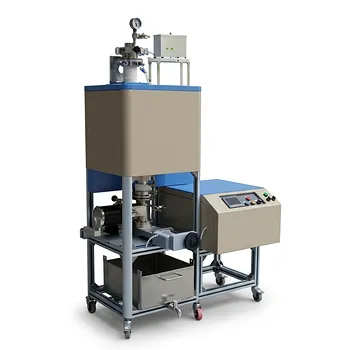
High Temperature 1700C Vertical Tube Furnace for Powder Spherification and Material Sintering
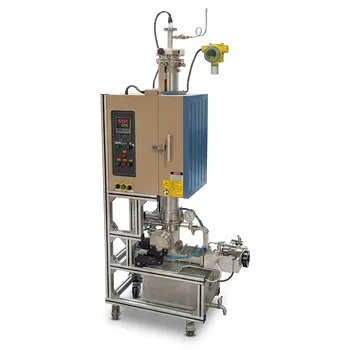
High Temperature 1000C Hydrogen Vertical Quenching Furnace with 4 Inch Stainless Steel Tube
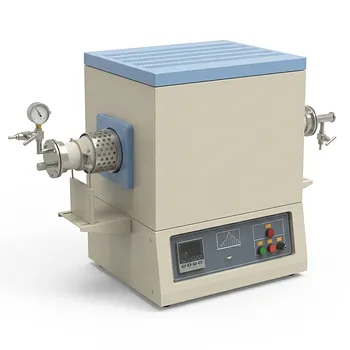
1750°C High Temperature Benchtop Vacuum Atmosphere Tube Furnace with Kanthal Super 1800 Heating Elements and 60mm Alumina Processing Tube
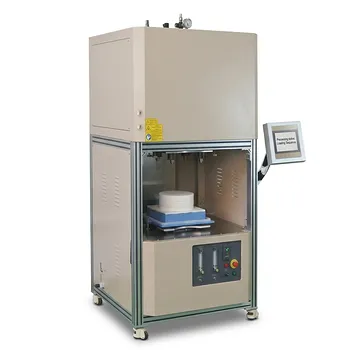
High Temperature Vertical Atmosphere Controlled Furnace with Automatic Bottom Loading and 1700°C Capacity for Advanced Material Research
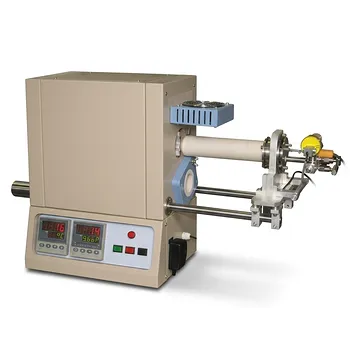
High Temperature Tube Furnace 1500C with Sliding Flanges and 50mm OD for Rapid Thermal Processing Fast Heating and Cooling
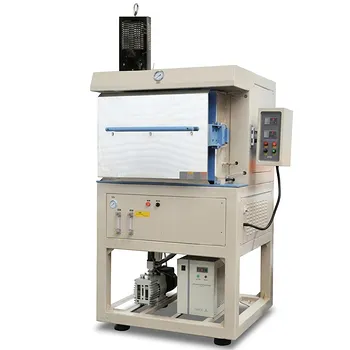
1200C Hydrogen Atmosphere Box Furnace with 5 Heated Sides and 64L Chamber
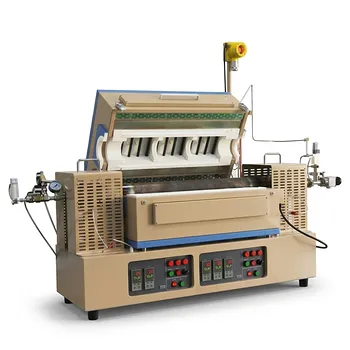
Three Zone Hydrogen Gas Tube Furnace with 82mm Superalloy Tube and Dual Hydrogen Detectors 1200C High Temperature Material Processing System
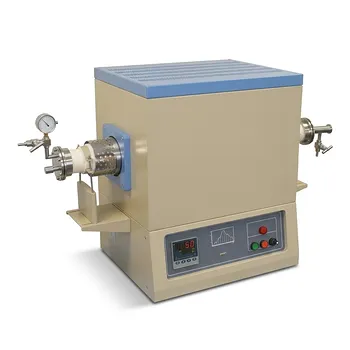
1700C High Temperature Alumina Tube Furnace with 18 Inch Heated Zone and Vacuum Sealing Flanges
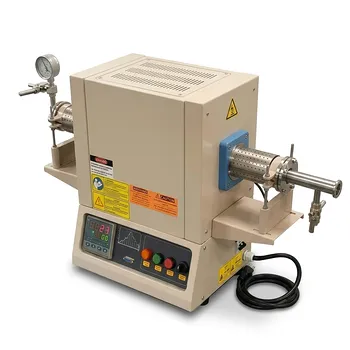
Compact High Temperature 1600C Tube Furnace with 50mm Alumina Tube and Vacuum Flanges for Material Sintering
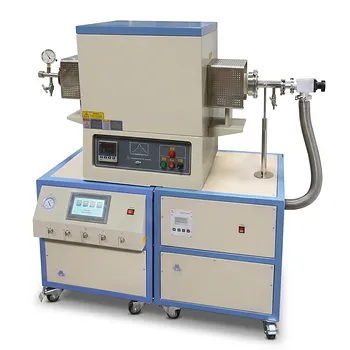
High Temperature 1700C Tube Furnace with High Vacuum Turbomolecular Pump System and Multi Channel Mass Flow Controller Gas Mixer
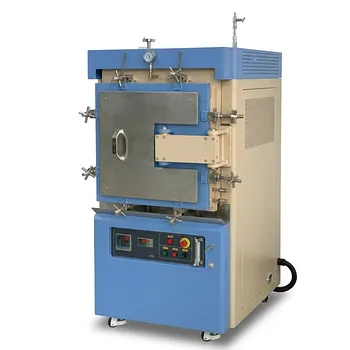
High Temperature Economic Hydrogen Gas Box Furnace 1600C Atmosphere Controlled Thermal Processing System 65L Capacity
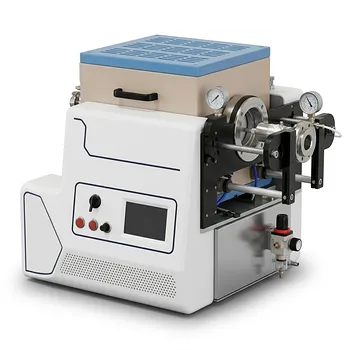
High Temperature Automated 5 Inch Tube Furnace for Autonomous Material Research and Advanced Laboratory R&D
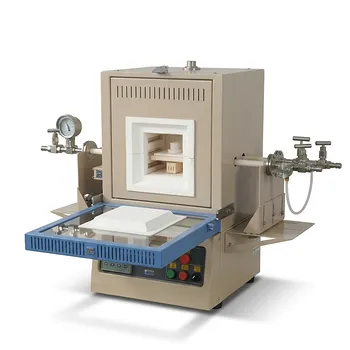
1700C Compact Hybrid Furnace with Dual Layer Box Sintering and Controlled Atmosphere Alumina Tubes
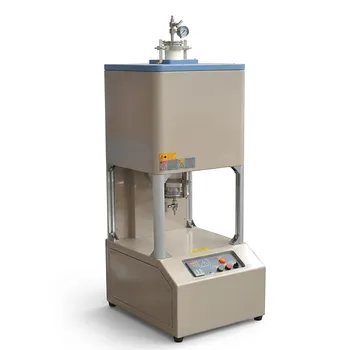
Vertical 1700C Vacuum and Atmosphere Tube Furnace with 80mm Alumina Tube
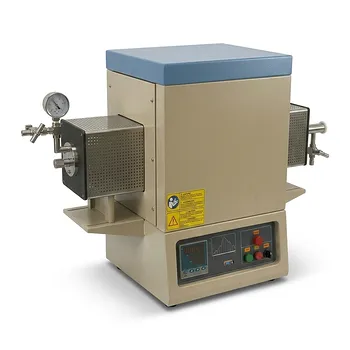
High Temperature 1700C Benchtop Tube Furnace with 5 Inch Heating Zone High Purity Alumina Tube and Vacuum Sealing Flanges
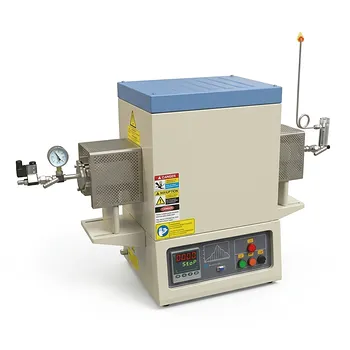
1700C Hydrogen Gas Tube Furnace with 60mm Alumina Process Tube and Integrated Hydrogen Safety Detector
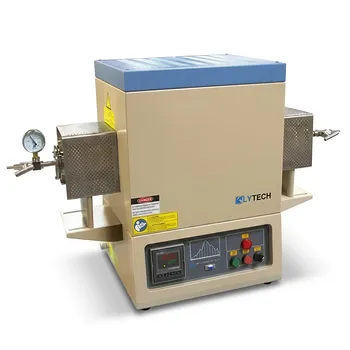
1800C High Temperature Compact Vacuum Tube Furnace with 60mm OD Alumina Tube and Kanthal MoSi2 Heating Elements
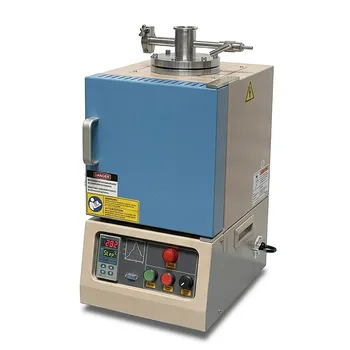
High Temperature Hybrid Muffle and Tube Furnace with Vacuum Capability and PID Control