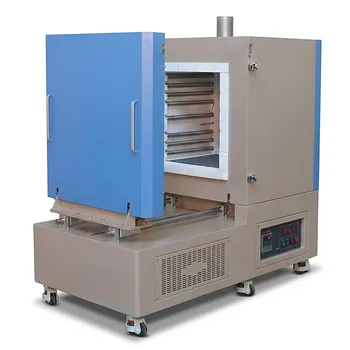
What are the advantages of using atmosphere furnaces for material science research? Achieve Precise Sample Integrity.
Updated 5 months ago
Atmosphere furnaces are essential tools in material science, providing a controlled environment that isolates samples from the surrounding air. These systems allow researchers to manipulate chemical reactions at high temperatures by introducing specific gases like argon, nitrogen, or hydrogen mixtures. By preventing oxidation and enabling thermochemical modifications, they ensure that the resulting material properties are exactly as intended.
Atmosphere furnaces offer unparalleled control over the thermal environment, enabling precise chemical interactions while preventing material degradation. They serve as a critical bridge between simple heating and complex material synthesis by managing gas composition, pressure, and purity.
Precise Environmental Control
Tailored Gas Environments
Atmosphere furnaces allow for the selection of inert, reducing, or oxidizing gases based on the specific needs of the experiment. This flexibility enables researchers to simulate real-world conditions or create unique environments for synthesizing functional materials.
Preventing Material Degradation
By purging the chamber and backfilling with protective gases, these furnaces prevent oxidation and decarburization. This is critical for maintaining the integrity of active materials that react quickly with oxygen at elevated temperatures.
Enhanced Monitoring and Purity
Modern systems integrate advanced tools like oxygen sensors and gas analyzers to monitor impurity levels in real-time. This ensures sub-ppm (parts per million) control, which is necessary for sensitive electronic or aerospace materials research.
Process Efficiency and Flexibility
Rapid Thermal Processing
Atmosphere muffle furnaces often offer fast heating rates and high furnace utilization. This allows researchers to quickly investigate phase transitions and organizational evolution within the material structure during early-stage R&D.
Versatile Chemical Treatments
Unlike standard vacuum systems, atmosphere furnaces can perform thermochemical surface treatments like carburizing or nitriding. By introducing chemically active gases, researchers can modify the surface properties of a material while keeping the core properties intact.
Manipulation of Reaction Kinetics
Researchers can intervene in solid-phase reaction kinetics by adjusting atmospheric pressure and composition. This level of control is necessary for creating materials with unique properties that cannot be achieved in a standard air environment.
Understanding the Trade-offs
Gas Management Complexity
Operating with reactive or flammable gases like hydrogen requires sophisticated safety systems and precise mass-flow controllers. Failure to manage these gases correctly can lead to safety hazards or inconsistent experimental data.
Limitations Compared to High Vacuum
While excellent for many tasks, atmosphere furnaces may not reach the extreme purity levels of ultra-high vacuum systems. Residual trace gases can still influence the properties of highly sensitive thin films or specialized semiconductor components.
Operational Maintenance
The use of various gases and high-temperature seals requires regular maintenance to ensure the system remains gas-tight. Any leak can compromise the controlled atmosphere, leading to sample contamination and failed experiments.
Making the Right Choice for Your Goal
Selecting an atmosphere furnace depends on the specific chemical and thermal requirements of your research project.
- If your primary focus is preventing oxidation in active materials: Utilize an inert gas atmosphere with high-purity argon or nitrogen to isolate the sample from reactive air.
- If your primary focus is modifying surface chemistry: Choose a system capable of introducing active gases for specific thermochemical processes like nitriding or carburizing.
- If your primary focus is high-throughput R&D: Opt for an atmosphere muffle furnace to benefit from fast heating rates and the flexibility to switch quickly between different protective gases.
Mastering the atmosphere within your furnace is the key to unlocking consistent, high-performance results in advanced material development.
Summary Table:
| Key Feature | Advantage for Research | Primary Applications |
|---|---|---|
| Controlled Environment | Prevents oxidation and material degradation | Reactive metals, aerospace alloys |
| Gas Flexibility | Supports inert, reducing, or oxidizing atmospheres | Functional material synthesis |
| Chemical Modification | Enables surface treatments like nitriding/carburizing | Surface engineering & hardening |
| Rapid Processing | High heating rates and furnace utilization | High-throughput R&D & phase studies |
| Real-time Monitoring | Precise sub-ppm impurity control | Semiconductor & electronic materials |
Elevate Your Material Research with THERMUNITS
As a leading manufacturer of high-temperature laboratory equipment, THERMUNITS provides state-of-the-art thermal processing solutions tailored for material science and industrial R&D. Whether you require an Atmosphere furnace for precise chemical control or specialized Vacuum, Muffle, Tube, Rotary, or Hot Press furnaces, our equipment is engineered to ensure maximum purity and consistent results.
Our comprehensive range also includes CVD/PECVD systems, Dental Furnaces, Electric Rotary Kilns, Vacuum Induction Melting Furnaces (VIM), and high-quality Thermal Elements. Partner with us to optimize your heat treatment workflows and achieve superior material performance with precision-engineered tools.
Ready to upgrade your laboratory capabilities? Contact us today to discuss your specific requirements and receive a customized solution from our technical experts!
Mentioned Products
- Roller Table Atmosphere Furnace 1500C High Temperature Battery Material Sintering System 112L Capacity
- 1200C Hydrogen Atmosphere Box Furnace with 5 Heated Sides and 64L Chamber
- 1650C High Temperature Atmosphere Controlled Box Furnace with 65L Chamber for Advanced Material Sintering and Industrial Heat Treatment
- 1200°C Atmosphere Controlled Automatic Bottom Loading Furnace with 6 Inch Quartz Tube
- Bottom Loaded Inert Gas Atmosphere Box Furnace 1700C 1300C 216L Large Capacity Industrial Thermal Processing System
People Also Ask
- How does a high-temperature sintering furnace environment enhance NdFeB magnets? Achieve 98%+ density with precision.
- How does the temperature control precision of a high-temperature sintering furnace affect Na1+xLa1-xZr2O6-δ ceramics?
- How are electric heating elements designed to operate within carburizing atmospheres? Top Design Strategies Revealed
- How does a high-temperature sintering furnace contribute to the interfacial strengthening of SS316L and zirconia?
- Why is a high-temperature sintering furnace required for the preparation of Li(Nb,Ta)O3 precursors? Essential Insights

Tech Team · ThermUnits
Last updated on Apr 14, 2026
Related Products
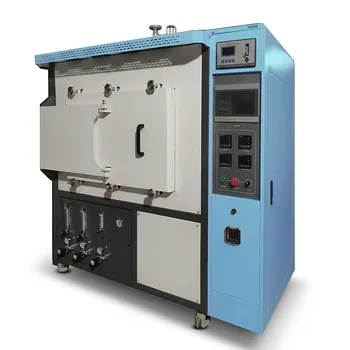
Roller Table Atmosphere Furnace 1500C High Temperature Battery Material Sintering System 112L Capacity
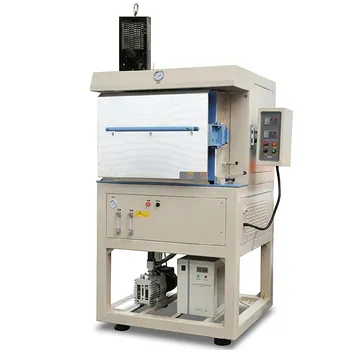
1200C Hydrogen Atmosphere Box Furnace with 5 Heated Sides and 64L Chamber
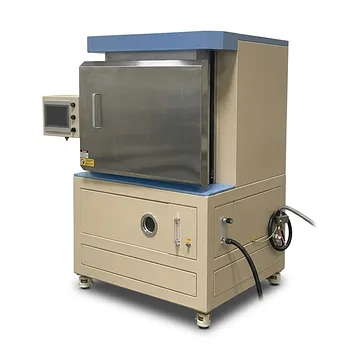
1650C High Temperature Atmosphere Controlled Box Furnace with 65L Chamber for Advanced Material Sintering and Industrial Heat Treatment
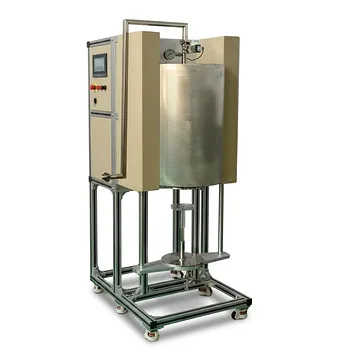
1200°C Atmosphere Controlled Automatic Bottom Loading Furnace with 6 Inch Quartz Tube
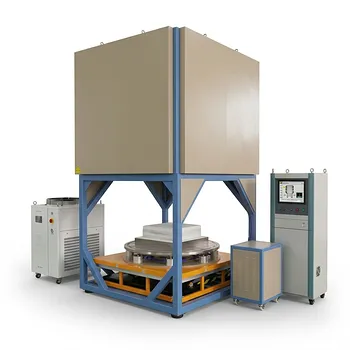
Bottom Loaded Inert Gas Atmosphere Box Furnace 1700C 1300C 216L Large Capacity Industrial Thermal Processing System
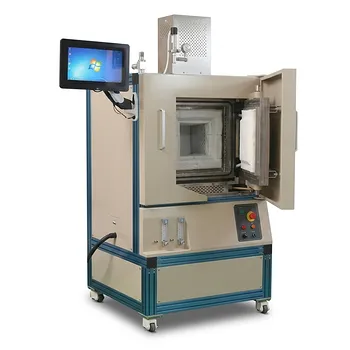
High Temperature Oxygen and Inert Atmosphere Controlled Furnace 8 Liter 1700C Sintering System for Advanced Materials RD
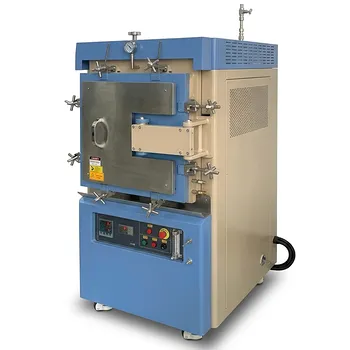
Atmosphere Controlled Muffle Furnace 1700C Maximum Temperature 80L High Capacity Vacuum Inert Gas Box Furnace
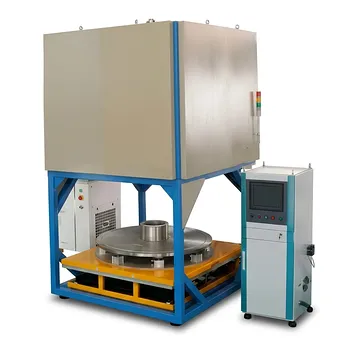
1400C Bottom Loaded Inert Gas Atmosphere Box Furnace with 125L Capacity and Precision Hydraulic Lift
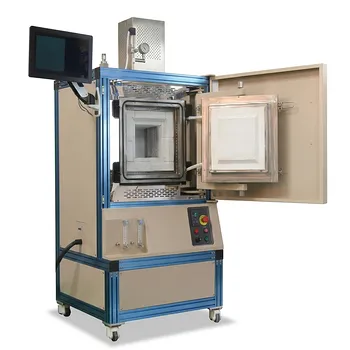
High Temperature Hydrogen Atmosphere Box Furnace 1650C Max Reducing Environment Material Synthesis System 8x8x8 Chamber
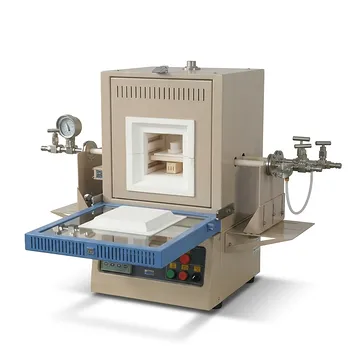
1700C Compact Hybrid Furnace with Dual Layer Box Sintering and Controlled Atmosphere Alumina Tubes
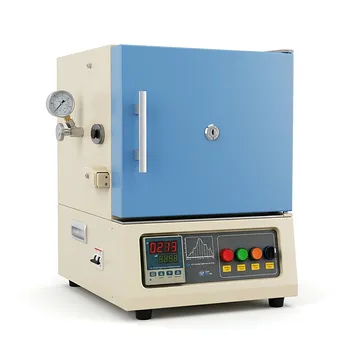
1200C Hybrid Muffle and Tube Furnace for Material Research with Dual Atmosphere Control Quartz Tubes
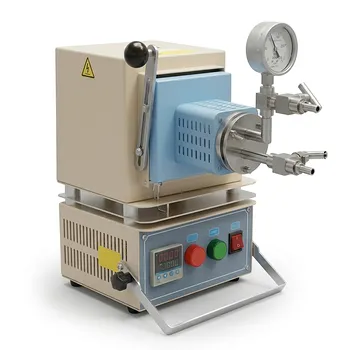
Compact Hybrid Muffle and Tube Furnace for 1000C Controlled Atmosphere Laboratory Material Sintering

Vertical 1700C Vacuum and Atmosphere Tube Furnace with 80mm Alumina Tube
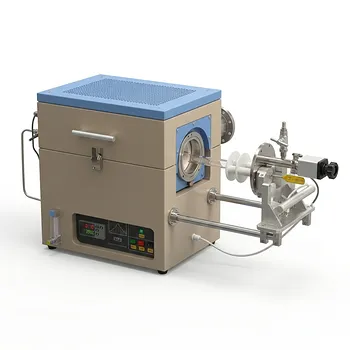
Compact Atmosphere Controlled Rapid Thermal Processing RTP Furnace with 4 Inch ID Quartz Tube 1100C
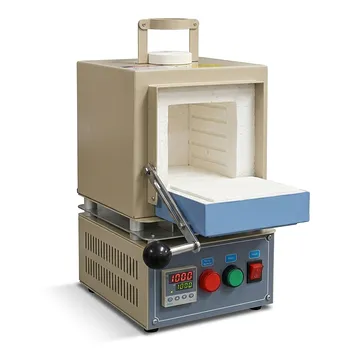
Compact 1000C Muffle Furnace with Programmable Controller and 2 Inch Top Port for Vacuum and Atmosphere Material Research

1200°C 5 Inch Vertical Quartz Tube Furnace with Stainless Steel Vacuum Flanges
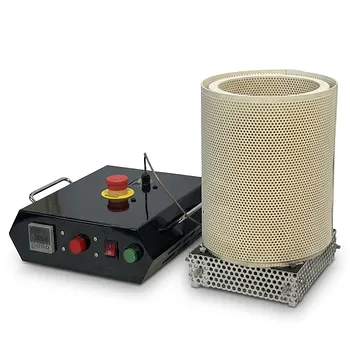
1250 C Compact Vertical Box Furnace for Glovebox Material Research Air Sensitive Samples
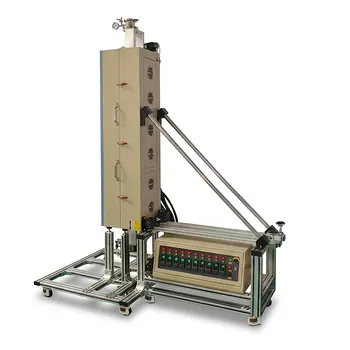
1200°C 10-Zone Split Tube Furnace with Horizontal and Vertical Mounting for Multi-Zone Thermal Gradients and Large Diameter Material Processing
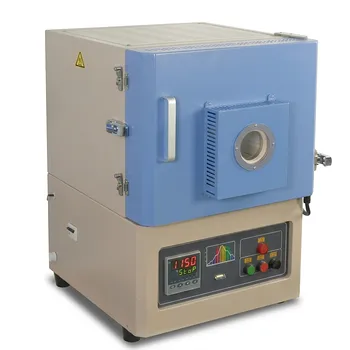
High Temperature Benchtop Muffle Furnace with Quartz Observation Window for Thermal Imaging and Material Analysis