What are the advantages of using fused quartz tubes in tube furnace heat treatment? Achieve High Purity and Precision
Updated 3 months ago
Fused quartz tubes are the cornerstone of high-precision thermal processing. They serve as gas-tight reaction chambers that provide a unique combination of extreme thermal shock resistance, chemical inertness, and optical transparency. These properties allow for precise atmosphere control—including vacuum and inert gas environments—while maintaining structural integrity under high-temperature conditions.
Fused quartz balances physical durability with chemical neutrality, making it the preferred material for tube furnaces. It enables the maintenance of an ultra-pure environment while providing the visibility needed to monitor complex chemical reactions in real-time.
Thermal Integrity and Stability
Exceptional Thermal Shock Resistance
Fused quartz can withstand rapid changes in temperature without cracking or losing structural integrity. This allows for high ramping rates, enabling researchers to reach target temperatures quickly or cool samples rapidly to inhibit the coarsening of nanoparticles.
Efficient Heat Transfer
The transparent nature of quartz ensures that thermal radiation from the heating elements is efficiently transferred to the sample surface. This minimizes thermal lag and ensures that the sample accurately experiences the programmed thermophysical process.
High-Temperature Structural Stability
High-purity quartz tubes maintain their shape and sealed environment even at elevated temperatures required for material decomposition. This stability is vital for maintaining a consistent reaction volume and preventing the ingress of atmospheric oxygen.
Superior Chemical Performance
Unrivaled Chemical Inertness
Quartz is highly resistant to chemical erosion, making it ideal for synthesis involving corrosive vapors like phosphorus or sulfur. This inertness prevents side reactions between the container material and the reactants, ensuring the purity of the final product.
Maintaining Ultra-High Purity
The material acts as a barrier against atmospheric impurities and moisture, which is critical for semiconductor and graphene processing. By isolating the material, it prevents oxidative loss and assists in removing adsorbed impurities from film surfaces.
Preservation of Electronic Characteristics
Because quartz does not leach contaminants into the reaction, it preserves the electronic transfer characteristics of sensitive materials. This is particularly important when activating field-effect passivation at critical interfaces like Si/SiOx/TiOx.
Process Control and Monitoring
Precise Atmosphere and Vacuum Control
Quartz tubes can be sealed to create a gas-tight environment, allowing for the introduction of specific gas mixtures like CO2 and N2. This capability is essential for studying reaction kinetics, such as calcium carbonate decomposition, under specific partial pressures.
Visual Observation and Real-Time Monitoring
The transparency of fused quartz allows researchers to visually monitor the physical state of molten salts or the position of crucible boats. Physical changes such as melting, bubble formation, and ignition can be recorded without disturbing the internal atmosphere.
Dynamic Gas Flow Environments
The elongated reaction space of the tube furnace, combined with the quartz chamber, facilitates stable temperature gradients. This allows for precise control over the residence time and flow direction of reaction gases, which is vital for nanomaterial preparation.
Understanding the Trade-offs
The Impact of Thermal Mass
While quartz itself has excellent thermal properties, the introduction of carrier plates or slabs for batch processing changes the thermal mass of the system. This can affect the actual heating and cooling rates experienced by the samples, requiring careful process adjustments.
Temperature Limitations
Fused quartz has a specific softening point (typically around 1100°C to 1200°C for continuous use), which limits its application in ultra-high-temperature processes. Exceeding these limits can lead to tube deformation or failure, potentially compromising the vacuum or gas-tight seal.
Material Fragility
Despite its thermal toughness, quartz is physically brittle and sensitive to surface contamination. Fingerprints or alkali metal residues left on the tube can cause devitrification at high temperatures, leading to premature clouding and structural weakening.
Selecting Fused Quartz for Your Thermal Process
When deciding if a fused quartz tube is appropriate for your application, consider your specific experimental parameters.
- If your primary focus is real-time observation: Fused quartz is the only viable option that allows for direct visual monitoring of physical changes and sample positioning during the heating cycle.
- If your primary focus is high-purity synthesis: Choose high-purity quartz to prevent side reactions with corrosive vapors and to ensure the structural integrity of thin films or nanomaterials.
- If your primary focus is complex atmosphere control: Utilize gas-tight quartz tubes to simulate specific environmental conditions or to maintain ultra-high vacuum levels.
By leveraging the unique optical and chemical properties of fused quartz, you can achieve a level of process precision and purity that other furnace materials cannot match.
Summary Table:
| Feature | Benefit | Typical Application |
|---|---|---|
| Thermal Shock Resistance | Allows high ramping and cooling rates without cracking. | Nanomaterial synthesis & rapid quenching. |
| Chemical Inertness | Prevents contamination and resists corrosive vapors. | Semiconductor processing & graphene growth. |
| Optical Transparency | Enables real-time visual monitoring of reactions. | Molten salt studies & crucible positioning. |
| Gas-Tight Integrity | Maintains ultra-high vacuum or specific gas atmospheres. | CVD/PECVD & reaction kinetics research. |
| Structural Stability | Retains shape and seal at high temperatures (up to 1200°C). | Material decomposition & heat treatment. |
Elevate Your Research with Precision Thermal Solutions
As a leading manufacturer of high-temperature laboratory equipment for material science and industrial R&D, THERMUNITS provides the advanced thermal processing tools required for cutting-edge results. Whether you need high-performance Tube Furnaces utilizing high-purity fused quartz tubes, or advanced Muffle, Vacuum, Atmosphere, Rotary, and Hot Press systems, our equipment is engineered for uncompromising reliability.
Our Value to You:
- Comprehensive Range: We offer everything from CVD/PECVD systems and Dental Furnaces to industrial electric rotary kilns and vacuum induction melting furnaces (VIM).
- Expert Engineering: Our solutions include high-quality thermal elements designed to maintain ultra-pure environments and precise atmosphere control.
- Tailored Support: We help you select the ideal heat treatment equipment to match your specific material characteristics and process goals.
Ready to optimize your lab's thermal processing efficiency? Contact our experts today to discuss your requirements and find the perfect heat treatment solution!
References
- Alex Scrimshire, Paul A. Bingham. Benchtop Zone Refinement of Simulated Future Spent Nuclear Fuel Pyroprocessing Waste. DOI: 10.3390/ma17081781
Mentioned Products
- Split Vertical Tube Furnace with 1200C Quartz Tube and Stainless Steel Vacuum Flanges for Rapid Thermal Processing
- High Throughput 1200C Four Channel Tube Furnace with 3 Inch Quartz Tubes for Multi Zone Annealing and Material Research
- Compact Vertical Split Quartz Tube Furnace with Stainless Steel Vacuum Flanges for Rapid Thermal Quenching and Controlled Atmosphere Material Processing
- High Temperature 1200C Split Tube Furnace with Hinged Vacuum Flanges and 4 Inch Quartz Tube for Laboratory Research
- Three Zone Tube Furnace with 11 Inch or 15 Inch Quartz Tube and Hinged Flanges for Vacuum Atmosphere Heat Treatment
People Also Ask
- What is the role of a split vertical tube furnace during flash sintering of 8YSZ and 20SDC? Master Ultra-Fast R&D
- Why integrate a vertical split tube furnace with hydraulic loading for HSECC? Essential for In-Situ Fire Simulation.
- What is the primary engineering purpose for using a customized ventilation hood when operating a split tube furnace? RCF Safety
- How does a split tube furnace contribute to the thermal stabilization of Clignin@H-TiO2? Achieve Structural Precision
- How does a split tube furnace facilitate debinding of ceramic green bodies? Master Precise Thermal & Atmosphere Control

Tech Team · ThermUnits
Last updated on Jun 03, 2026
Related Products
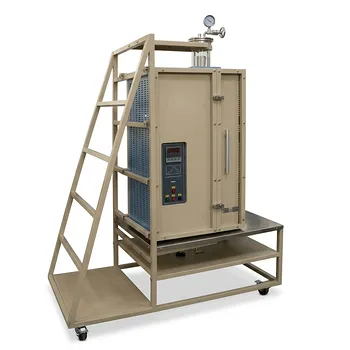
Split Vertical Tube Furnace with 1200C Quartz Tube and Stainless Steel Vacuum Flanges for Rapid Thermal Processing
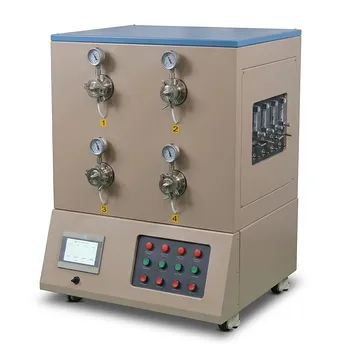
High Throughput 1200C Four Channel Tube Furnace with 3 Inch Quartz Tubes for Multi Zone Annealing and Material Research

Compact Vertical Split Quartz Tube Furnace with Stainless Steel Vacuum Flanges for Rapid Thermal Quenching and Controlled Atmosphere Material Processing
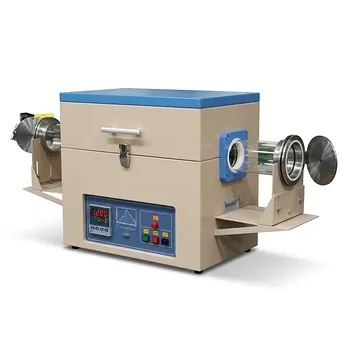
High Temperature 1200C Split Tube Furnace with Hinged Vacuum Flanges and 4 Inch Quartz Tube for Laboratory Research
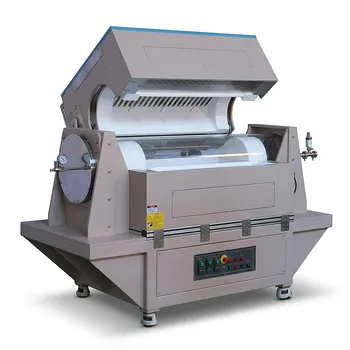
Three Zone Tube Furnace with 11 Inch or 15 Inch Quartz Tube and Hinged Flanges for Vacuum Atmosphere Heat Treatment
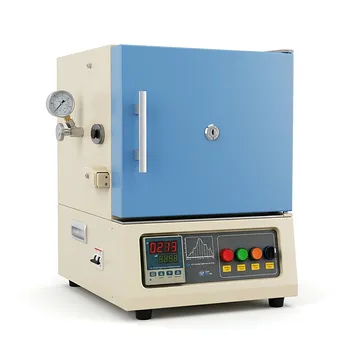
1200C Hybrid Muffle and Tube Furnace for Material Research with Dual Atmosphere Control Quartz Tubes
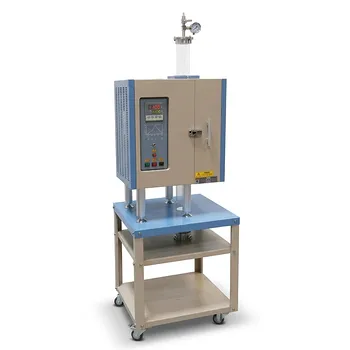
1100°C Split Vertical Tube Furnace with 80mm Quartz Tube and Stainless Steel Vacuum Flanges
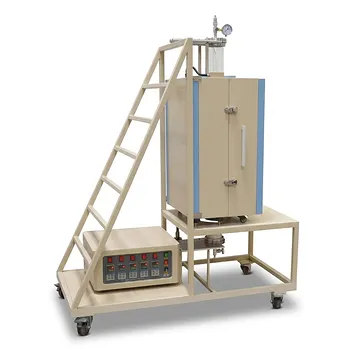
Five Zone Split Vertical Tube Furnace 1200C Max with 4 Inch Quartz Tube and Stainless Steel Vacuum Flanges
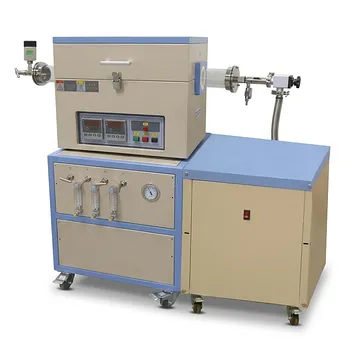
Dual Zone Quartz Tube Furnace with 80mm Diameter 1200C Max Temperature 3 Channel Gas Mixer and Vacuum Pump System
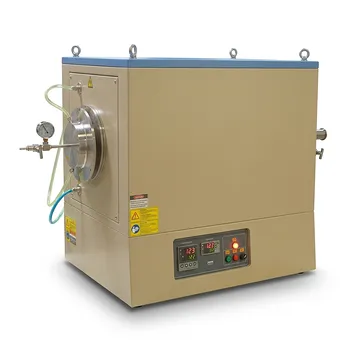
1100°C Large Diameter Quartz Tube Furnace with 24 Inch Heating Zone and Water Cooled Flanges
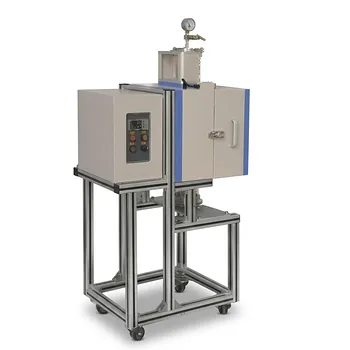
1200°C 5 Inch Vertical Quartz Tube Furnace with Stainless Steel Vacuum Flanges
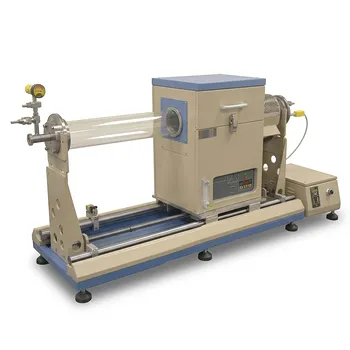
Rapid Thermal Processing Sliding Tube Furnace with 4 Inch OD Quartz Tube and 900C IR Heating
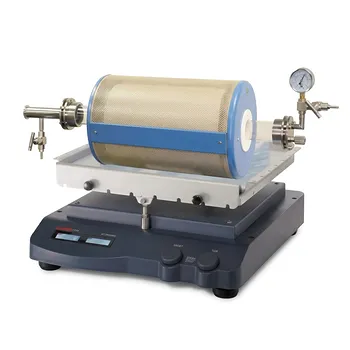
High Temperature Rocking Tube Furnace with Quartz Tube and Vacuum Flange for Materials Synthesis
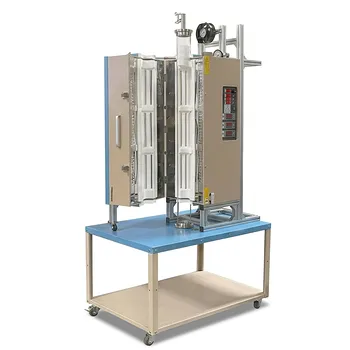
1200C Three Zone Split Vertical Tube Furnace 4 Inch Quartz Tube Stainless Steel Vacuum Flanges
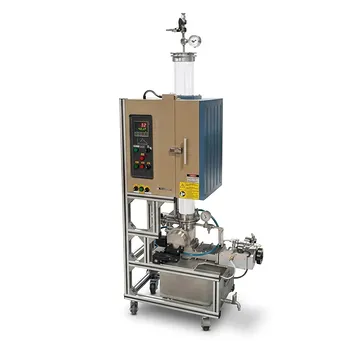
1200C High Temperature Atmosphere Controlled Vertical Quenching Tube Furnace with 4 Inch Quartz Tube
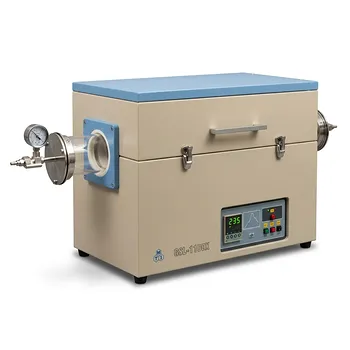
Single Zone Tube Furnace 5 Inch Quartz Tube 36 Inch Heating Zone Vacuum Flanges
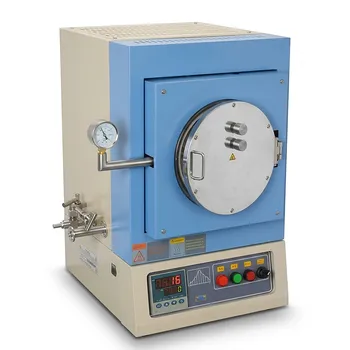
1100°C High Temperature Quartz Chamber Furnace 8 Inch OD with 7.6 Liter Capacity and Vacuum Atmosphere Capability

High Temperature Automated 5 Inch Tube Furnace for Autonomous Material Research and Advanced Laboratory R&D

Compact High Temperature 1600C Tube Furnace with 50mm Alumina Tube and Vacuum Flanges for Material Sintering
