What are the advantages of using high-purity alumina crucibles? Ensure Material Purity & Stability in CVD
Updated 3 months ago
High-purity alumina crucibles are the fundamental choice for high-temperature vapor deposition because they provide a chemically neutral and thermally resilient environment. These vessels prevent chemical reactions between the container and the precursor powders, even at temperatures exceeding 1000°C. By eliminating the risk of metallic contamination, they ensure that the resulting materials—whether catalysts, semiconductors, or nanocomposites—maintain their intended performance and structural integrity.
The primary advantage of high-purity alumina (Al2O3) is its exceptional chemical inertness, which prevents the migration of impurities into precursors during intense thermal cycles. This ensures that the synthesized materials retain high purity, which is critical for preserving catalytic activity, photoluminescence, and electronic properties.
Chemical Stability and Precursor Purity
Prevention of Impurity Migration
High-purity alumina does not react with aggressive precursors such as tellurium powder or ammonium perrhenate at temperatures like 650°C. This inertness is vital for preventing the introduction of metallic impurities that could otherwise degrade the active sites of catalysts, such as ReO3-Cu2Te.
Resistance to Corrosive Environments
Alumina boats and crucibles remain stable when exposed to halides, metal oxides, and corrosive sulfur vapors at temperatures up to 850°C. This resistance is essential during the synthesis of Transition Metal Dichalcogenides (TMDs) and molybdenum disulfide, where foreign ions could interfere with the material's catalytic or optical performance.
Protection of Active Sites
In high-temperature CVD processes, the crucible must not release any elements that could act as unintended dopants. By maintaining a pristine environment, alumina ensures that nanoribbons and monolayers maintain high single-photon purity and consistent photoluminescence.
Thermal Resilience and Mechanical Integrity
High-Temperature Structural Strength
High-purity alumina crucibles can withstand extreme thermal environments, maintaining their mechanical strength even at temperatures as high as 1700 K. This allows them to serve as reliable containers for alloy and oxide specimens during pre-melting or iron-rich pellet reduction.
Superior Thermal Shock Resistance
Laboratory processes often involve rapid heating and natural cooling cycles, which can cause inferior materials to crack. Alumina’s thermal shock resistance ensures the crucible stays intact, preventing structural failure and the subsequent contamination of high-purity nanocomposites.
Minimal Background Interference
In sensitive analyses like thermogravimetric analysis (TGA), alumina crucibles produce no significant background weight changes at 1000°C. This stability ensures that all measured mass signals accurately reflect the chemical behavior of the sample rather than the container.
Enhanced Process Control
Vapor Pressure Management
In Low-Pressure Chemical Vapor Deposition (LPCVD), the physical positioning of the alumina boat within a tube furnace is a critical variable. Researchers can adjust this position to effectively control vapor pressure and stoichiometric ratios during the sublimation of precursors like Bi2Se3.
Reliability in Melt Applications
Alumina resists erosion from molten oxides and prevents the infiltration of elements into experimental systems during diffusion interface reactions. This resistance is critical for ensuring the accuracy of mineralogical analyses and studies regarding alloying element distribution.
Understanding the Trade-offs
Temperature Limits and Reactivity
While highly stable, alumina is not a universal solution for every chemistry; it can be susceptible to certain highly alkaline fluxes or specific molten salts at extreme temperatures. It is essential to verify that your specific precursor does not form aluminates at your target operating temperature.
Porosity and Cleaning
Even high-purity alumina can have a degree of porosity depending on the manufacturing process (sintered vs. single-crystal). Over repeated cycles, microscopic amounts of precursor residue may become trapped, requiring rigorous cleaning protocols to prevent cross-contamination between different experimental batches.
How to Apply This to Your Project
Recommendations for Material Synthesis
- If your primary focus is catalytic activity: Use high-purity alumina to ensure that no metallic ions migrate from the crucible to the catalyst's active sites during repeated thermal cycles.
- If your primary focus is optical or electronic purity: Leverage the chemical inertness of alumina to prevent foreign dopants from degrading the photoluminescence or single-photon purity of synthesized nanostructures.
- If your primary focus is data accuracy in TGA or mineralogy: Utilize alumina to avoid background weight changes and ensure that the diffusion data reflects only the sample's behavior.
- If your primary focus is stoichiometric control: Use alumina boats to allow for precise placement within the furnace, enabling better management of precursor sublimation and vapor pressure.
By selecting high-purity alumina, you ensure that the container remains a silent participant in your reaction, preserving the absolute integrity of your synthesized materials.
Summary Table:
| Feature | Key Advantage | Target Application |
|---|---|---|
| Chemical Inertness | Prevents impurity migration & metallic contamination | Catalysts, Semiconductors, TMDs |
| Thermal Resilience | Maintains structural integrity up to 1700K | Alloy melting, Iron-rich pellet reduction |
| Corrosion Resistance | Resists halides, metal oxides, and sulfur vapors | Molybdenum disulfide synthesis |
| Thermal Shock Stability | Withstands rapid heating and natural cooling cycles | High-purity nanocomposite production |
| Minimal Interference | Zero background weight change at 1000°C | Precision Thermogravimetric Analysis (TGA) |
Elevate Your R&D Precision with THERMUNITS
High-purity alumina crucibles are only one part of the equation; achieving consistent results requires a masterfully controlled thermal environment. THERMUNITS is a leading manufacturer of high-temperature laboratory equipment, providing the advanced systems needed for sophisticated material science and industrial R&D.
From precise vapor pressure management to uniform heating, our comprehensive range of thermal solutions includes:
- Laboratory Furnaces: Muffle, Vacuum, Atmosphere, and Tube Furnaces.
- Advanced Systems: CVD/PECVD systems, Hot Press Furnaces, and Vacuum Induction Melting (VIM) units.
- Specialized Equipment: Rotary Furnaces, Dental Furnaces, Electric Rotary Kilns, and high-quality Thermal Elements.
Whether you are synthesizing nanoribbons or conducting mineralogical analysis, our equipment ensures the structural integrity and purity of your samples. Contact us today to consult with our experts and find the perfect thermal processing solution for your laboratory.
References
- Aruna Vijayan, N. Sandhyarani. Efficient and sustainable hydrogen evolution reaction: enhanced photoelectrochemical performance of ReO<sub>3</sub>-incorporated Cu<sub>2</sub>Te catalysts. DOI: 10.1039/d4ya00023d
Mentioned Products
- High Temperature 1700C Benchtop Tube Furnace with 5 Inch Heating Zone High Purity Alumina Tube and Vacuum Sealing Flanges
- 600°C Vertical Crucible Furnace with SS316 Alloy Reactor and 6 Port Vacuum Flange
- 1100C High Temperature Vacuum Crucible Furnace with Quartz Chamber for Thermal Processing and Sintering
- High Temperature Vertical Crucible Furnace with 22L Heating Chamber and 1200C Maximum Temperature
- Vertical Crucible Furnace 1000C High Temperature Laboratory Equipment 4.7 Inch Diameter Chamber SS316 Anti Corrosive Enclosure
People Also Ask
- How are high-temperature tube furnaces utilized to repair etching damage? Precision Lattice Restoration Solutions
- What is the function of a high-temperature tube furnace in the synthesis of g-C3N4? Optimize Thermal Polycondensation
- What impact does the heating rate of a tube furnace have on biochar microstructure? Optimize Your Material R&D.
- What is the role of a high-temperature tube furnace in the calcination process of ZnO/In2O3 nanocomposites?
- Conditions for nZVI Synthesis in Tube Furnaces? Learn to Optimize Thermal and Atmospheric Control for High Purity.

Tech Team · ThermUnits
Last updated on Jun 03, 2026
Related Products

High Temperature 1700C Benchtop Tube Furnace with 5 Inch Heating Zone High Purity Alumina Tube and Vacuum Sealing Flanges
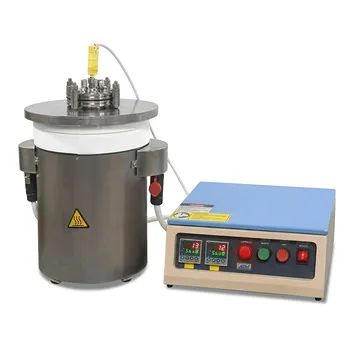
600°C Vertical Crucible Furnace with SS316 Alloy Reactor and 6 Port Vacuum Flange
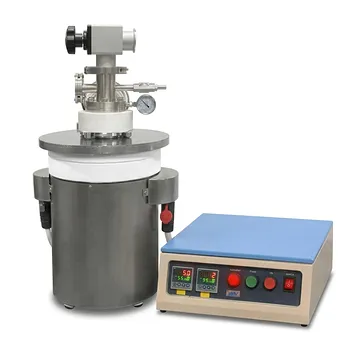
1100C High Temperature Vacuum Crucible Furnace with Quartz Chamber for Thermal Processing and Sintering
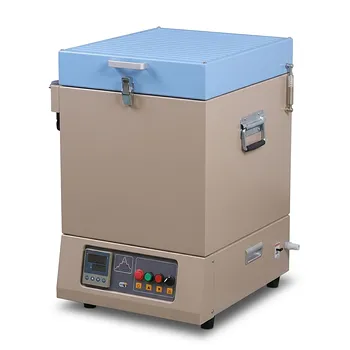
High Temperature Vertical Crucible Furnace with 22L Heating Chamber and 1200C Maximum Temperature
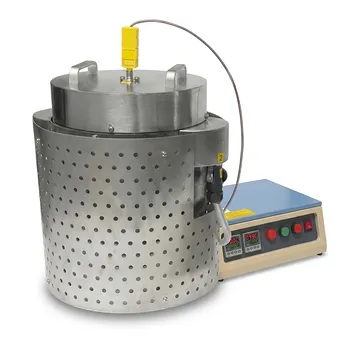
Vertical Crucible Furnace 1000C High Temperature Laboratory Equipment 4.7 Inch Diameter Chamber SS316 Anti Corrosive Enclosure
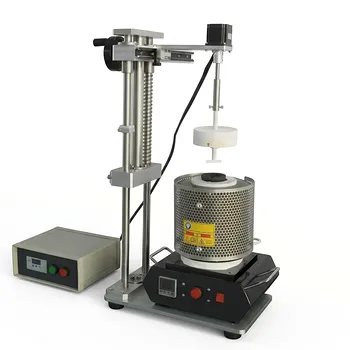
1100C Crucible Melting Furnace with Stirring Function for Glovebox and Air Sensitive Alloy Research
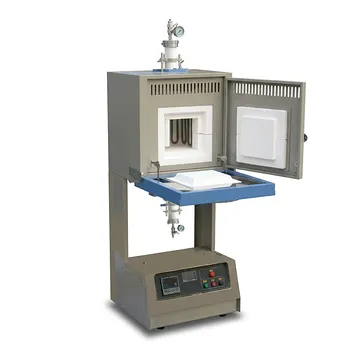
Vertical Hybrid High Temperature Furnace 1500C Alumina Tube SOFC Fuel Cell Testing Laboratory Heat Treatment Research Equipment
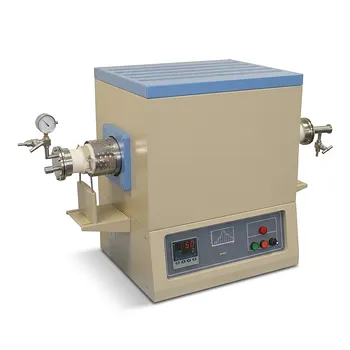
1700C High Temperature Alumina Tube Furnace with 18 Inch Heated Zone and Vacuum Sealing Flanges
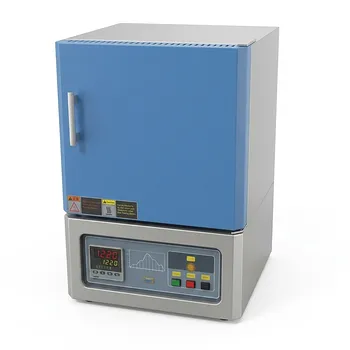
High Temperature Benchtop Muffle Furnace 1700C 10L Chamber Alumina Fiber Insulation MoSi2 Heating Elements
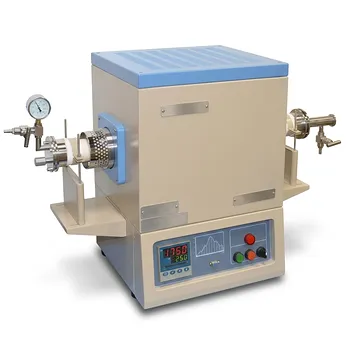
High Temperature Compact Vacuum Tube Furnace 1750C Max 60mm OD Alumina Tube
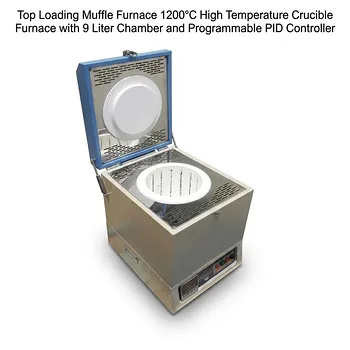
Top Loading Muffle Furnace 1200°C High Temperature Crucible Furnace with 9 Liter Chamber and Programmable PID Controller
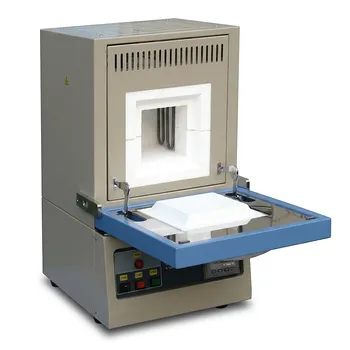
High Temperature 1800C Compact Muffle Furnace with Kanthal Super 1900 Heating Elements and 1.7L Alumina Chamber

Compact High Temperature 1600C Tube Furnace with 50mm Alumina Tube and Vacuum Flanges for Material Sintering

1800C High Temperature Compact Vacuum Tube Furnace with 60mm OD Alumina Tube and Kanthal MoSi2 Heating Elements
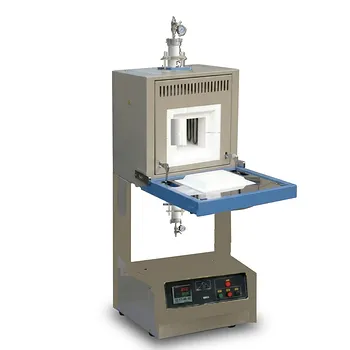
High Temperature Vertical Hybrid Furnace with Alumina Tube and SiC Heating for SOFC Coin Cell Testing and Atmosphere Processing

1750°C High Temperature Benchtop Vacuum Atmosphere Tube Furnace with Kanthal Super 1800 Heating Elements and 60mm Alumina Processing Tube
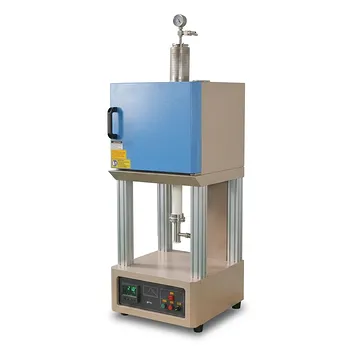
Hybrid High Temperature Tube and Box Furnace 1700C with 2 Inch Alumina Tube for Material Research
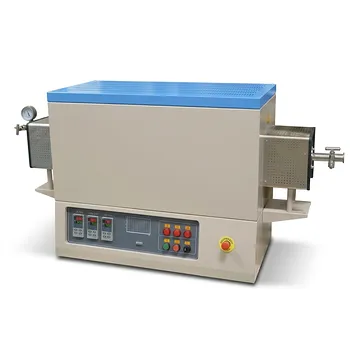
Three Zone Alumina Tube Furnace with Vacuum Flanges High Temperature 1700C Thermal Gradient CVD System
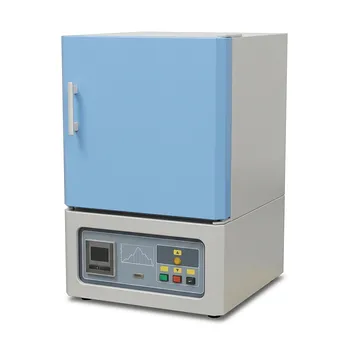
1800C Bench Top Muffle Furnace with Kanthal Super 1900 Heating Elements and 3.6L Alumina Fiber Chamber