What are the advantages of using high-purity alumina crucibles for the Li3InCl6 crystallization process? Key to Purity
Updated 3 months ago
High-purity alumina crucibles are the industry standard for $Li_3InCl_6$ crystallization because they offer unparalleled chemical inertness and structural density. These crucibles prevent deleterious chemical interactions and the introduction of impurities during the critical 200°C heat treatment required for highly active chloride electrolytes. Their dense internal structure provides stable physical support, ensuring that the $Li_3InCl_6$ maintains its chemical purity and structural integrity throughout the high-temperature crystallization phase.
Choosing high-purity alumina ensures that the sensitive chloride chemistry of $Li_3InCl_6$ remains uncontaminated, while the crucible's thermal stability prevents structural failure or volatile element loss during the synthesis process.
Preserving Chemical Purity and Phase Integrity
Mitigation of Chemical Reactivity
High-purity alumina (corundum) possesses excellent chemical inertness, which is vital when handling highly active chloride solid electrolytes. Unlike lower-grade materials, these crucibles will not react with $Li_3InCl_6$ during the heating process, preventing the formation of unwanted secondary phases.
Prevention of Impurity Infiltration
The dense internal structure of high-purity alumina acts as a physical barrier against contamination. It ensures that no crucible components leach into the electrolyte, which is essential for maintaining the high ionic conductivity required for solid-state battery applications.
Maintenance of Stoichiometry
In environments involving volatile components like lithium, the use of alumina crucibles—often paired with matching lids—helps maintain a stable micro-environment. This setup reduces the loss of volatile elements, ensuring the final $Li_3InCl_6$ product reaches its correct stoichiometric ratio.
Thermal and Physical Reliability
Superior Thermal Shock Resistance
During the crystallization process, materials are often subjected to rapid temperature changes. High-purity alumina offers excellent thermal shock resistance, ensuring the safety and stability of the experimental setup by preventing crucible cracking.
Mechanical Strength at Temperature
Even at the elevated temperatures required for solid-state synthesis, these crucibles maintain high mechanical strength. This stability ensures they do not deform or produce background weight changes, which is particularly important for precise thermogravimetric analysis.
Uniform Temperature Distribution
Alumina's thermal properties help maintain a precise and narrow temperature gradient within the furnace. This consistency is a primary physical condition for inducing proper crystal growth and ensuring uniform material characteristics across the batch.
Understanding the Trade-offs
Cost vs. Performance
High-purity alumina is significantly more expensive than standard ceramic or porcelain alternatives. However, the risk of sample contamination from lower-grade materials usually outweighs the initial cost savings in professional or industrial settings.
Material Brittleness
While alumina is exceptionally hard and heat-resistant, it remains a brittle ceramic material. It is susceptible to mechanical impact and must be handled with care to avoid fractures, especially after repeated thermal cycling.
Interaction with Certain Molten Salts
While highly resistant to $Li_3InCl_6$, alumina can eventually suffer from erosion in specific molten salt environments over many cycles. Regular inspection of the crucible's internal surface is necessary to ensure that the material has not become porous over time.
How to Apply This to Your Project
Selecting the right container is critical for the success of solid-state electrolyte synthesis.
- If your primary focus is Maximum Ionic Conductivity: Use high-purity alumina to ensure zero impurity infiltration, as even trace contaminants can significantly hinder lithium-ion transport.
- If your primary focus is Stoichiometric Accuracy: Ensure you use a high-purity alumina crucible with a tight-fitting lid to suppress the volatilization of lithium during the 200°C treatment.
- If your primary focus is Long-term Reliability: Periodically verify the internal density of your crucibles to ensure that repeated exposure to chlorides has not compromised the material's inertness.
Ultimately, high-purity alumina provides the stable, inert environment necessary to unlock the full electrochemical potential of chloride-based solid electrolytes.
Summary Table:
| Key Advantage | Impact on Li3InCl6 Synthesis | Core Benefit |
|---|---|---|
| Chemical Inertness | Prevents formation of unwanted secondary phases | High Phase Purity |
| High Density | Blocks crucible leaching and contamination | Maximum Ionic Conductivity |
| Thermal Stability | Resists cracking during rapid heating/cooling | Experimental Reliability |
| Matching Lids | Suppresses lithium volatilization | Stoichiometric Accuracy |
| Mechanical Strength | Maintains shape and prevents weight background noise | Precise Material Analysis |
Elevate Your Material Research with THERMUNITS
Are you seeking to optimize your solid-state electrolyte synthesis? THERMUNITS is a leading manufacturer specializing in high-temperature laboratory equipment for material science and industrial R&D. We provide the high-precision thermal environments necessary for sensitive processes like $Li_3InCl_6$ crystallization.
Our comprehensive product range includes:
- Furnaces: Muffle, Vacuum, Atmosphere, Tube, Rotary, and Hot Press furnaces.
- Advanced Systems: CVD/PECVD systems, Dental Furnaces, and Vacuum Induction Melting (VIM) furnaces.
- Specialized Components: Electric rotary kilns and high-grade Thermal Elements.
Whether you are a researcher or an industrial engineer, our solutions are designed to deliver uniform heating, precise control, and long-term durability. Contact us today to discover how THERMUNITS can provide the professional thermal processing tools your laboratory needs to succeed.
References
- Josanelle Angela V. Bilo, Mu‐Huai Fang. Coprecipitation Strategy for Halide-Based Solid-State Electrolytes and Atmospheric-Dependent In Situ Analysis. DOI: 10.1021/acsami.4c03694
Mentioned Products
- 600°C Vertical Crucible Furnace with SS316 Alloy Reactor and 6 Port Vacuum Flange
- 1100C High Temperature Vacuum Crucible Furnace with Quartz Chamber for Thermal Processing and Sintering
- Vertical Crucible Furnace 1000C High Temperature Laboratory Equipment 4.7 Inch Diameter Chamber SS316 Anti Corrosive Enclosure
- High Temperature Vertical Crucible Furnace with 22L Heating Chamber and 1200C Maximum Temperature
- 1100C Crucible Melting Furnace with Stirring Function for Glovebox and Air Sensitive Alloy Research
People Also Ask
- How does a high vacuum sintering furnace at 600 Celsius affect the microstructure of Al-TiC composites? Expert Analysis
- How should the choice between a Quartz crucible and an Alumina crucible be made for La2O2S? Optimize Material Purity
- Why use ceramic crucibles for coal nano-hybrid heat treatment? Ensure Purity and Thermal Stability.
- What role does a vacuum tube furnace play in palladium membrane treatment? Achieve 600°C Stability & Prevent Brittle Phases
- Why is a high-temperature furnace with precise temperature control necessary for Ag8SiS6 alloy synthesis? Ensure Safety.

Tech Team · ThermUnits
Last updated on Jun 02, 2026
Related Products
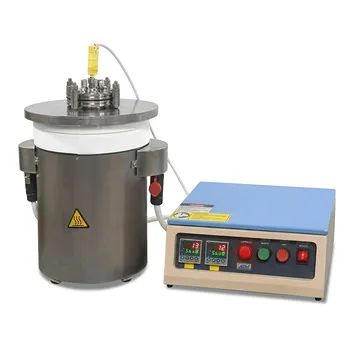
600°C Vertical Crucible Furnace with SS316 Alloy Reactor and 6 Port Vacuum Flange
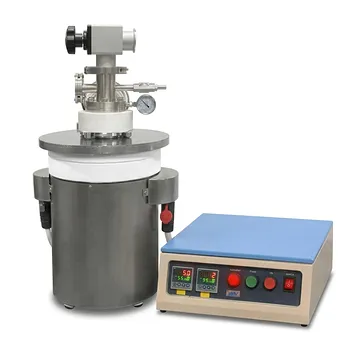
1100C High Temperature Vacuum Crucible Furnace with Quartz Chamber for Thermal Processing and Sintering
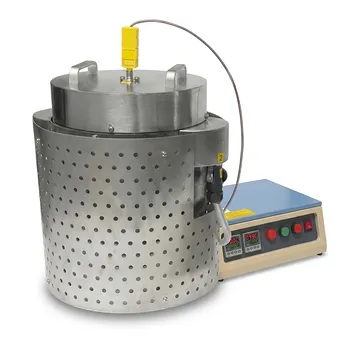
Vertical Crucible Furnace 1000C High Temperature Laboratory Equipment 4.7 Inch Diameter Chamber SS316 Anti Corrosive Enclosure
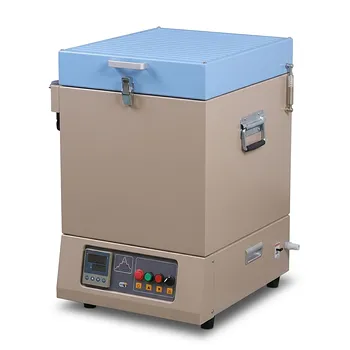
High Temperature Vertical Crucible Furnace with 22L Heating Chamber and 1200C Maximum Temperature
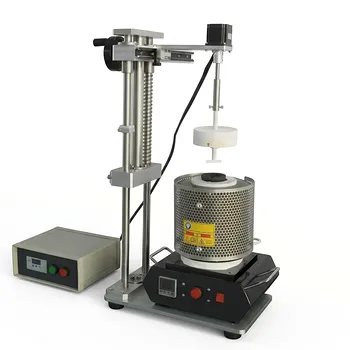
1100C Crucible Melting Furnace with Stirring Function for Glovebox and Air Sensitive Alloy Research
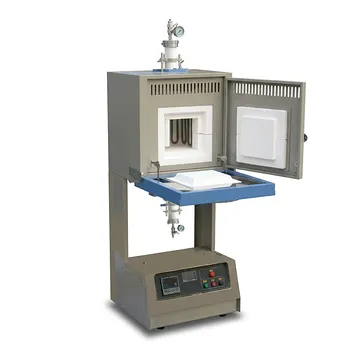
Vertical Hybrid High Temperature Furnace 1500C Alumina Tube SOFC Fuel Cell Testing Laboratory Heat Treatment Research Equipment
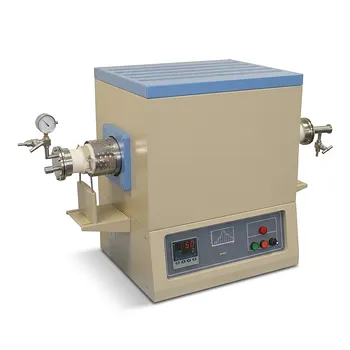
1700C High Temperature Alumina Tube Furnace with 18 Inch Heated Zone and Vacuum Sealing Flanges
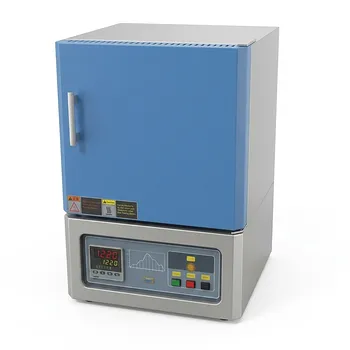
High Temperature Benchtop Muffle Furnace 1700C 10L Chamber Alumina Fiber Insulation MoSi2 Heating Elements
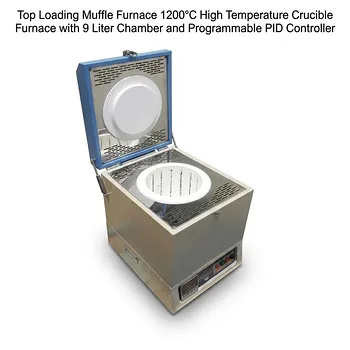
Top Loading Muffle Furnace 1200°C High Temperature Crucible Furnace with 9 Liter Chamber and Programmable PID Controller
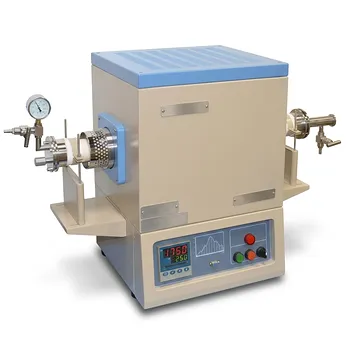
High Temperature Compact Vacuum Tube Furnace 1750C Max 60mm OD Alumina Tube

Compact High Temperature 1600C Tube Furnace with 50mm Alumina Tube and Vacuum Flanges for Material Sintering
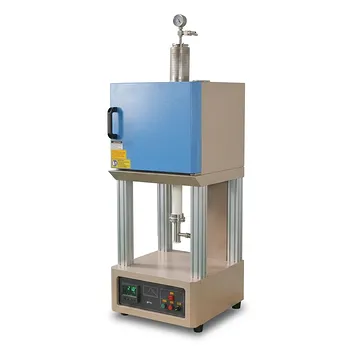
Hybrid High Temperature Tube and Box Furnace 1700C with 2 Inch Alumina Tube for Material Research

1800C High Temperature Compact Vacuum Tube Furnace with 60mm OD Alumina Tube and Kanthal MoSi2 Heating Elements
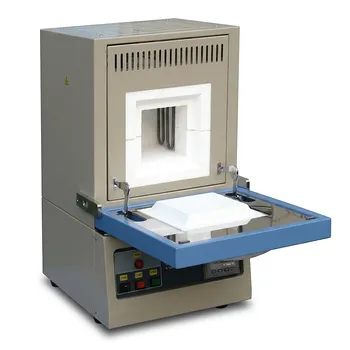
High Temperature 1800C Compact Muffle Furnace with Kanthal Super 1900 Heating Elements and 1.7L Alumina Chamber
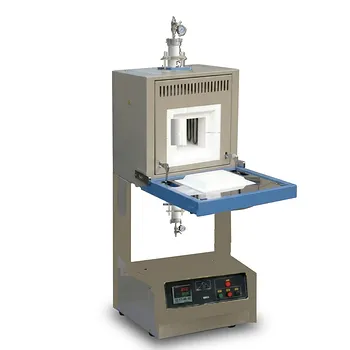
High Temperature Vertical Hybrid Furnace with Alumina Tube and SiC Heating for SOFC Coin Cell Testing and Atmosphere Processing

1750°C High Temperature Benchtop Vacuum Atmosphere Tube Furnace with Kanthal Super 1800 Heating Elements and 60mm Alumina Processing Tube
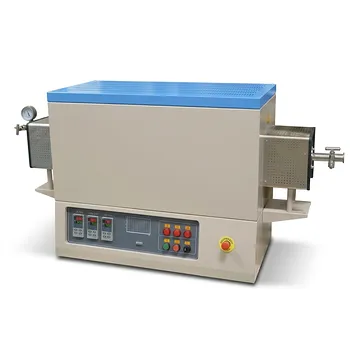
Three Zone Alumina Tube Furnace with Vacuum Flanges High Temperature 1700C Thermal Gradient CVD System
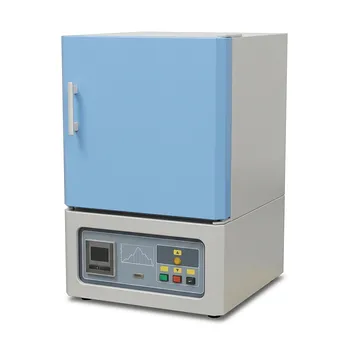
1800C Bench Top Muffle Furnace with Kanthal Super 1900 Heating Elements and 3.6L Alumina Fiber Chamber
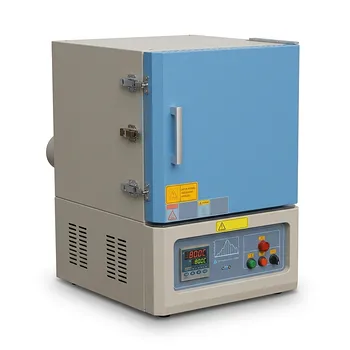
1800C Bench Top Muffle Furnace 18 Liters with Kanthal Super 1900 Heating Elements for High Purity Ceramic Sintering and Material Research