What are the benefits of choosing alumina crucibles or boats for LiGa alloys? Ensure High Purity & Thermal Stability
Updated 3 months ago
The primary benefits of alumina crucibles for Lithium-Gallium (LiGa) processing are their absolute chemical inertness and superior thermal stability. These properties ensure that the crucible does not react with aggressive molten lithium or gallium at temperatures up to 800°C. By preventing the introduction of impurity ions, alumina maintains the precise phase purity of LiGa intermetallic compounds necessary for sensitive catalytic applications.
High-purity alumina is the gold standard for LiGa alloy processing because it acts as a truly passive container, eliminating chemical cross-contamination. This ensures that the resulting intermetallic compounds maintain the structural and chemical integrity required for precise experimental outcomes.
Ensuring Chemical and Phase Integrity
Prevention of Molten Metal Reactions
High-purity alumina does not react chemically with molten lithium or gallium at high temperatures. This is critical because LiGa alloys are highly reactive and would easily alloy with or corrode standard metallic containers.
Elimination of Impurity Ions
Unlike metallic alternatives, alumina does not leach impurity ions into the sample during the alloying process. This ensures that the resulting material remains a high-purity intermetallic compound rather than a contaminated mixture.
Preservation of Phase Purity
The inert nature of alumina ensures the phase purity of the LiGa compound is maintained. This is a vital requirement for downstream applications, such as catalytic ammonia synthesis, where the crystal structure must remain undisturbed.
Performance Under Thermal Stress
Exceptional Thermal Stability
Alumina maintains its structural integrity and chemical passivity at temperatures exceeding 1000°C. For LiGa processing, which typically occurs around 800°C, this provides a significant margin of safety and prevents material degradation.
Resistance to Thermal Deformation
High-purity alumina offers high mechanical strength and resistance to deformation at extreme temperatures. This ensures the crucible or boat remains dimensionally stable throughout the heating and cooling cycles of the alloying process.
Superior Thermal Shock Resistance
Alumina is designed to withstand thermal shock during multiple heating and cooling cycles. This prevents the container from cracking during intense exothermic reactions or rapid temperature changes, ensuring a safer laboratory environment.
Precision in Experimental Data
Accurate Mass and Kinetic Data
Because alumina does not exhibit significant mass fluctuations or background weight changes, it allows for the precise measurement of alloy mass. This is essential for researchers tracking oxidation kinetics or stoichiometric changes during the alloying process.
Prevention of Sample Adhesion
Alumina materials prevent adhesion between the sample and the container wall. This allows for the complete recovery of the processed material, ensuring that none of the synthesized LiGa alloy is lost or left behind after the process is complete.
Understanding the Trade-offs
Brittleness and Mechanical Handling
While alumina is thermally robust, it is a ceramic material and is inherently brittle. It must be handled with care to avoid mechanical impact, as it lacks the fracture toughness of metallic containers.
Quality and Purity Variations
The benefits of alumina are highly dependent on its purity level. Using lower-grade alumina can introduce trace elements that may react with lithium, making it essential to specify "high-purity" grades for LiGa alloy work.
Thermal Conductivity Constraints
Alumina has a lower thermal conductivity than metallic crucibles. This can lead to slower heating and cooling rates, which must be accounted for in the experimental design to ensure uniform temperature distribution within the LiGa sample.
How to Apply This to Your Project
Specific recommendations based on your primary objectives:
- If your primary focus is phase-pure catalysis: Use high-purity alumina crucibles to ensure no metal ions interfere with the LiGa's effectiveness in ammonia synthesis.
- If your primary focus is high-temperature kinetics: Rely on alumina’s stable mass profile to ensure your weight gain data reflects the alloy’s behavior rather than container interference.
- If your primary focus is sample recovery: Choose alumina boats to prevent the alloy from "sticking" to the surface, facilitating easy extraction of the final product.
By leveraging the inert and stable nature of alumina, you guarantee that your experimental results are a true reflection of the Lithium-Gallium alloy's properties rather than an artifact of the container itself.
Summary Table:
| Key Benefit | Technical Impact | Advantage for Researchers |
|---|---|---|
| Chemical Inertness | Prevents reactions with molten Lithium/Gallium | Maintains 100% phase purity of the alloy |
| Thermal Stability | Resists deformation up to 1000°C+ | Ensures structural integrity during 800°C cycles |
| Mass Accuracy | No background weight changes or leaching | Enables precise kinetic and stoichiometric data |
| Non-Adhesive Surface | Prevents sample-to-wall bonding | Facilitates 100% recovery of synthesized material |
Optimize Your High-Temperature Research with THERMUNITS
Precision in material synthesis starts with the right equipment. THERMUNITS is a leading manufacturer of high-temperature laboratory equipment, providing the structural and thermal reliability needed for sensitive R&D.
Our comprehensive range of thermal solutions includes:
- Advanced Furnaces: Muffle, Vacuum, Atmosphere, Tube, Rotary, and Hot Press furnaces.
- Specialized Systems: CVD/PECVD systems, Vacuum Induction Melting (VIM) furnaces, and Dental Furnaces.
- High-Purity Components: Precision-engineered thermal elements and crucibles designed for aggressive alloy processing.
Whether you are synthesizing LiGa intermetallic compounds or developing next-generation catalysts, THERMUNITS delivers the precision and durability your lab requires.
Ready to upgrade your thermal processing capabilities?
Contact our expert team today to discuss your project requirements!
References
- Xingran Wang, Xiaofei Guan. Preparation of the LiGa Intermetallic Alloy by Electrochemical or Thermal Method for Ammonia Synthesis. DOI: 10.1007/s40831-024-00961-9
Mentioned Products
- 600°C Vertical Crucible Furnace with SS316 Alloy Reactor and 6 Port Vacuum Flange
- 1100C High Temperature Vacuum Crucible Furnace with Quartz Chamber for Thermal Processing and Sintering
- Vertical Crucible Furnace 1000C High Temperature Laboratory Equipment 4.7 Inch Diameter Chamber SS316 Anti Corrosive Enclosure
- High Temperature Vertical Crucible Furnace with 22L Heating Chamber and 1200C Maximum Temperature
- 1100C Crucible Melting Furnace with Stirring Function for Glovebox and Air Sensitive Alloy Research
People Also Ask
- How does a high vacuum sintering furnace at 600 Celsius affect the microstructure of Al-TiC composites? Expert Analysis
- How should the choice between a Quartz crucible and an Alumina crucible be made for La2O2S? Optimize Material Purity
- Why use ceramic crucibles for coal nano-hybrid heat treatment? Ensure Purity and Thermal Stability.
- What role does a vacuum tube furnace play in palladium membrane treatment? Achieve 600°C Stability & Prevent Brittle Phases
- Why is a high-temperature furnace with precise temperature control necessary for Ag8SiS6 alloy synthesis? Ensure Safety.

Tech Team · ThermUnits
Last updated on Jun 03, 2026
Related Products
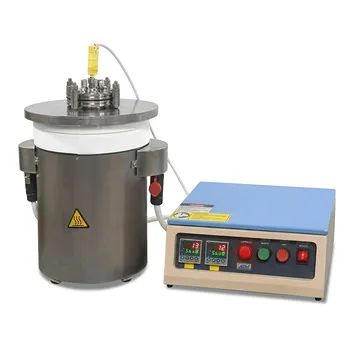
600°C Vertical Crucible Furnace with SS316 Alloy Reactor and 6 Port Vacuum Flange
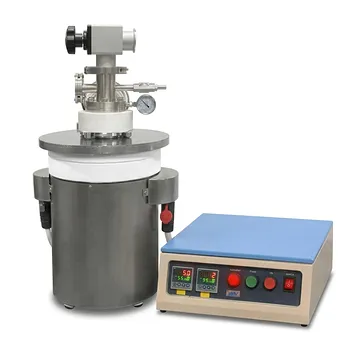
1100C High Temperature Vacuum Crucible Furnace with Quartz Chamber for Thermal Processing and Sintering
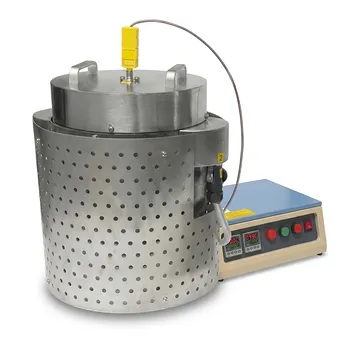
Vertical Crucible Furnace 1000C High Temperature Laboratory Equipment 4.7 Inch Diameter Chamber SS316 Anti Corrosive Enclosure
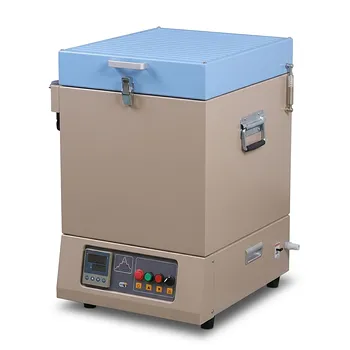
High Temperature Vertical Crucible Furnace with 22L Heating Chamber and 1200C Maximum Temperature
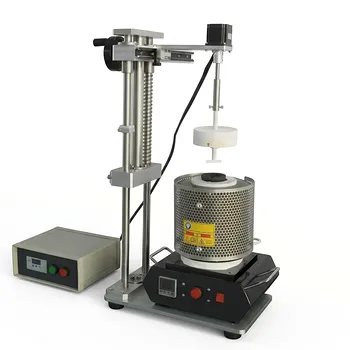
1100C Crucible Melting Furnace with Stirring Function for Glovebox and Air Sensitive Alloy Research
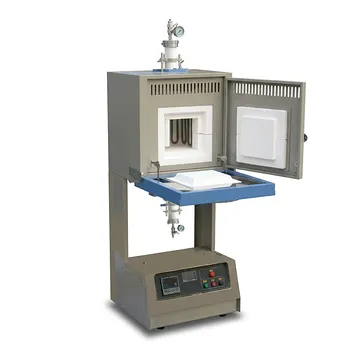
Vertical Hybrid High Temperature Furnace 1500C Alumina Tube SOFC Fuel Cell Testing Laboratory Heat Treatment Research Equipment

1700C High Temperature Alumina Tube Furnace with 18 Inch Heated Zone and Vacuum Sealing Flanges
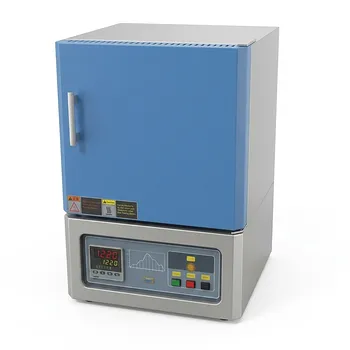
High Temperature Benchtop Muffle Furnace 1700C 10L Chamber Alumina Fiber Insulation MoSi2 Heating Elements
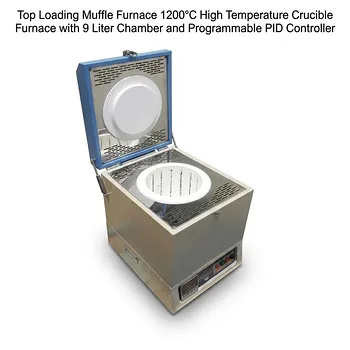
Top Loading Muffle Furnace 1200°C High Temperature Crucible Furnace with 9 Liter Chamber and Programmable PID Controller
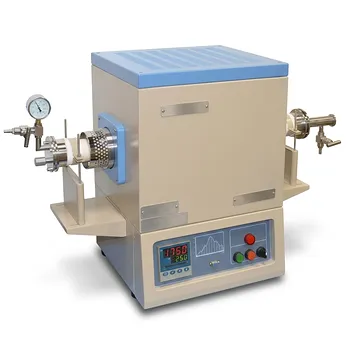
High Temperature Compact Vacuum Tube Furnace 1750C Max 60mm OD Alumina Tube

Compact High Temperature 1600C Tube Furnace with 50mm Alumina Tube and Vacuum Flanges for Material Sintering
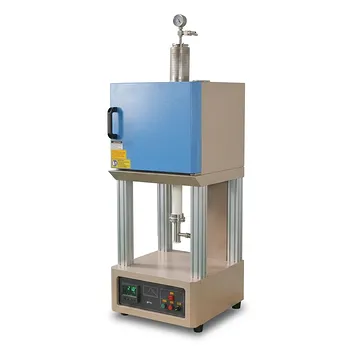
Hybrid High Temperature Tube and Box Furnace 1700C with 2 Inch Alumina Tube for Material Research

1800C High Temperature Compact Vacuum Tube Furnace with 60mm OD Alumina Tube and Kanthal MoSi2 Heating Elements
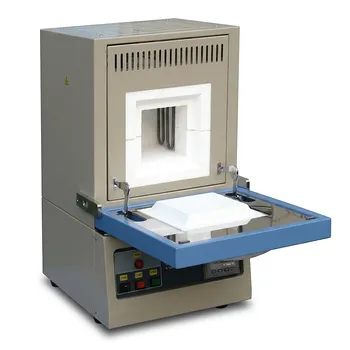
High Temperature 1800C Compact Muffle Furnace with Kanthal Super 1900 Heating Elements and 1.7L Alumina Chamber
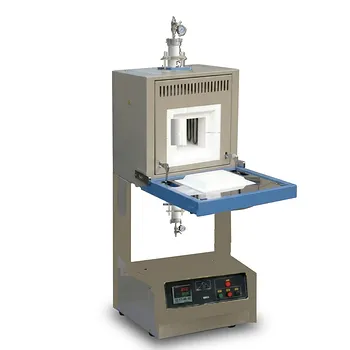
High Temperature Vertical Hybrid Furnace with Alumina Tube and SiC Heating for SOFC Coin Cell Testing and Atmosphere Processing

1750°C High Temperature Benchtop Vacuum Atmosphere Tube Furnace with Kanthal Super 1800 Heating Elements and 60mm Alumina Processing Tube
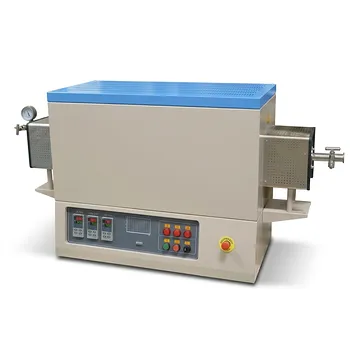
Three Zone Alumina Tube Furnace with Vacuum Flanges High Temperature 1700C Thermal Gradient CVD System
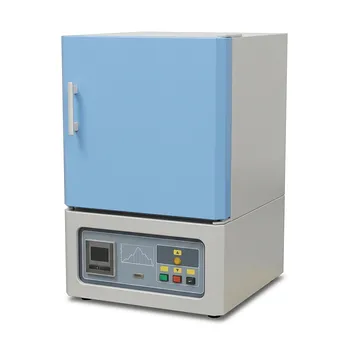
1800C Bench Top Muffle Furnace with Kanthal Super 1900 Heating Elements and 3.6L Alumina Fiber Chamber
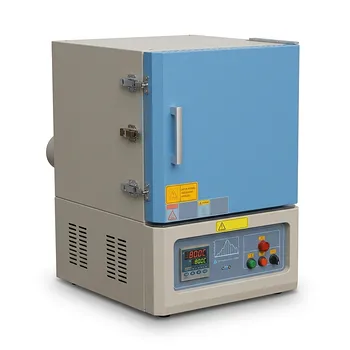
1800C Bench Top Muffle Furnace 18 Liters with Kanthal Super 1900 Heating Elements for High Purity Ceramic Sintering and Material Research