What are the benefits of using high-temperature ceramic boats for macroalgae powder? Ensure Purity & Thermal Stability.
Updated 5 months ago
High-temperature ceramic boats provide the essential foundation for precise thermochemical processing of biomass. They offer exceptional chemical stability and mechanical strength, preventing unwanted reactions with macroalgae biochar while ensuring stable heating within the furnace. These vessels are critical for maintaining sample purity and facilitating the accurate collection and weighing of bulk powders after treatment.
Ceramic boats act as inert high-temperature reaction vessels that protect the integrity of the sample and the furnace. By resisting chemical erosion and mechanical deformation, they ensure that the resulting bio-materials are pure and the experimental data is quantitatively accurate.
Ensuring Chemical Purity and Data Integrity
Prevention of Cross-Contamination
High-purity ceramic boats, such as those made of alumina, do not react with macroalgae powder or its decomposition products at extreme temperatures. This inertness ensures that no metallic or non-metallic impurities are introduced into the sample during the heating process.
Preservation of Material Phases
Because the boat remains chemically neutral, it does not interfere with the phase transitions or the concentration of oxygen vacancies in the derived material. This is vital for researchers who need to produce biochar or catalysts with specific, repeatable chemical signatures.
Resistance to Corrosive Elements
Macroalgae often contain minerals that can be aggressive at high temperatures, such as potassium or acidic oxides like silica. Ceramic boats are specifically designed to resist these alkali metals and oxides, preventing vessel erosion and sample contamination.
Mechanical Stability and Handling Efficiency
Structural Integrity at Extreme Heat
Unlike metal vessels that may warp or oxidize, ceramic boats maintain their mechanical strength at temperatures exceeding 1050°C. They do not sag or deform, which ensures the sample remains in the optimal "hot zone" of the furnace throughout the experiment.
Precise Quantitative Analysis
The stability of the ceramic material allows for accurate weighing before and after the pyrolysis process. This is essential for calculating yields, performing quantitative ash analysis, and conducting subsequent mineralogical testing.
Facilitating Sample Recovery
The smooth, non-reactive surface of the ceramic allows for the easy collection of bulk powder once the process is complete. This minimizes sample loss and ensures that the material collected for testing is a true representation of the entire treated batch.
Atmospheric Control and Gas Interaction
Directional Vapor Transport
In tube furnaces, the spatial arrangement of ceramic boats allows for controlled directional transport of vapors or carrier gases. This ensures that the macroalgae powder is uniformly exposed to the furnace atmosphere, whether it be a reducing, oxidizing, or inert environment.
Thermal Shock Stability
High-quality ceramic boats are engineered to withstand thermal shock, meaning they can survive rapid temperature changes or intense exothermic reactions without cracking. This reliability protects the furnace's heating elements and quartz tubes from damage caused by vessel failure.
Understanding the Trade-offs
Fragility and Brittleness
The primary downside of ceramic boats is their physical fragility; they are prone to breaking if dropped or handled with metal tools too forcefully. Users must exercise care during loading and cleaning to avoid mechanical fractures.
Thermal Gradualism
While many are rated for thermal shock, excessive cooling rates can still cause micro-cracking over time. To maximize the lifespan of the boat, it is often recommended to follow controlled cooling ramps rather than removing the boat immediately from a white-hot furnace.
Material Specificity
Not all ceramics are equal; for instance, quartz boats might be preferred for certain high-purity gas environments but may have lower temperature limits than alumina. Choosing the wrong ceramic grade for a specific macroalgae mineral profile could lead to premature degradation of the vessel.
How to Apply This to Your Project
When selecting a ceramic boat for macroalgae processing, consider your specific temperature and purity requirements:
- If your primary focus is high-purity synthesis: Use high-purity alumina boats (99%+) to ensure no trace elements or impurities interfere with the carbon nanotubes or metal oxides being produced.
- If your primary focus is quantitative ash analysis: Choose a boat with high resistance to alkali metals like potassium to ensure the vessel does not gain or lose mass through chemical reaction.
- If your primary focus is high-throughput testing: Opt for standard ceramic boats that offer a balance of thermal stability and cost-effectiveness for repeated pyrolysis cycles.
Selecting the correct high-temperature ceramic boat is the most effective way to guarantee the chemical purity and structural consistency of your macroalgae derivatives.
Summary Table:
| Key Feature | Benefit for Macroalgae Processing | Impact on Results |
|---|---|---|
| Chemical Inertness | Prevents reactions with biomass minerals like potassium | High-purity biochar and catalysts |
| Mechanical Strength | Resists warping at temperatures above 1050°C | Stable sample positioning in hot zones |
| Thermal Shock Resistance | Withstands rapid temperature ramps/cooling | Protects samples and furnace integrity |
| Smooth Surface | Facilitates easy collection of bulk powders | Minimal sample loss and accurate yields |
Elevate Your Material Research with THERMUNITS Precision Solutions
At THERMUNITS, we recognize that successful thermochemical processing requires both high-performance vessels and world-class heating technology. As a leading manufacturer of high-temperature laboratory equipment for material science and industrial R&D, we offer a comprehensive range of solutions tailored to your specific needs.
Our expertise covers everything from Muffle, Vacuum, and Atmosphere Furnaces to advanced CVD/PECVD systems and Vacuum Induction Melting (VIM) furnaces. Whether you are performing biomass pyrolysis in a Tube or Rotary Furnace, or advanced sintering in a Hot Press or Dental Furnace, our equipment is engineered to deliver the precision your research demands.
Why choose THERMUNITS?
- Comprehensive Thermal Solutions: We provide electric rotary kilns, thermal elements, and specialized heat treatment equipment.
- Optimized Performance: Our furnaces are designed for superior temperature uniformity and atmospheric control.
- Expert Support: We help you select the right configuration to ensure chemical purity and structural consistency for your materials.
Ready to enhance your lab's efficiency and data accuracy? Contact us today to find the perfect thermal processing solution!
References
- Anjon Kumar Mondal, Unnikrishnan Kuzhiumparambil. Macroalgae-based biochar: preparation and characterization of physicochemical properties for potential applications. DOI: 10.1039/d4su00008k
Mentioned Products
- High Temperature 1700C Vertical Tube Furnace for Powder Spherification and Material Sintering
- High Temperature Vertical Atmosphere Controlled Furnace with Automatic Bottom Loading and 1700°C Capacity for Advanced Material Research
- 1750°C High Temperature Benchtop Vacuum Atmosphere Tube Furnace with Kanthal Super 1800 Heating Elements and 60mm Alumina Processing Tube
- Atmosphere Controlled Muffle Furnace 1700C Maximum Temperature 80L High Capacity Vacuum Inert Gas Box Furnace
- 1200C Hydrogen Atmosphere Box Furnace with 5 Heated Sides and 64L Chamber
People Also Ask
- What role does a high-temperature vertical tube furnace play in simulating high-carbon ferromanganese slag formation?
- What functions does a vertical high-temperature tube furnace perform? Master Industrial Sintering & R&D Simulation
- What impact does the heating rate of a tube furnace have on biochar microstructure? Optimize Your Material R&D.
- What is the primary function of a high-temperature tube furnace in Cu1-N-C synthesis? Precision Thermal Control.
- High-Temp Tube Furnace Role in Converting Microbial Proteins to Iron Single-Atom Sites: Expert Synthesis Guide

Tech Team · ThermUnits
Last updated on Apr 14, 2026
Related Products

High Temperature 1700C Vertical Tube Furnace for Powder Spherification and Material Sintering
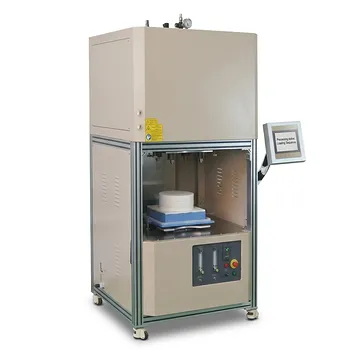
High Temperature Vertical Atmosphere Controlled Furnace with Automatic Bottom Loading and 1700°C Capacity for Advanced Material Research

1750°C High Temperature Benchtop Vacuum Atmosphere Tube Furnace with Kanthal Super 1800 Heating Elements and 60mm Alumina Processing Tube
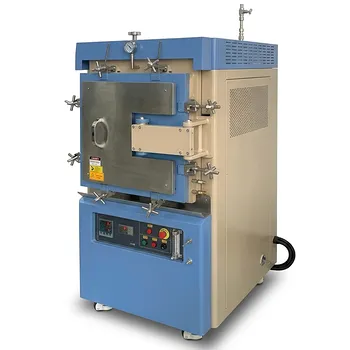
Atmosphere Controlled Muffle Furnace 1700C Maximum Temperature 80L High Capacity Vacuum Inert Gas Box Furnace
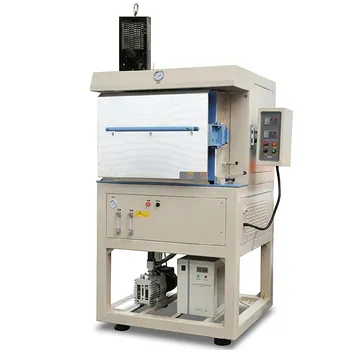
1200C Hydrogen Atmosphere Box Furnace with 5 Heated Sides and 64L Chamber
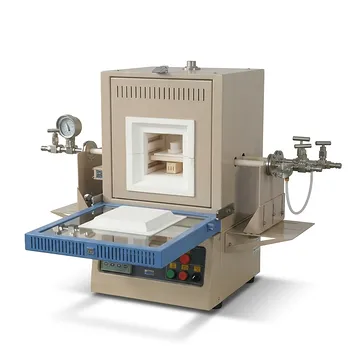
1700C Compact Hybrid Furnace with Dual Layer Box Sintering and Controlled Atmosphere Alumina Tubes
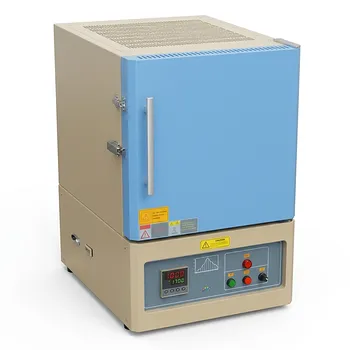
Large Bench Top 1700C High Temperature Muffle Furnace with 19L Chamber for Advanced Material Sintering and Annealing
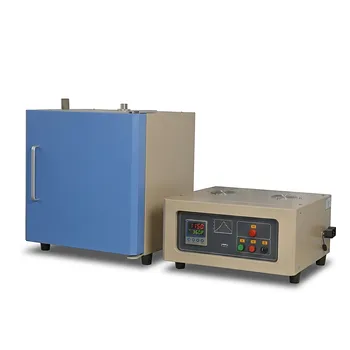
High Temperature Muffle Furnace with Alloy Chamber for Debinding and Sintering Applications
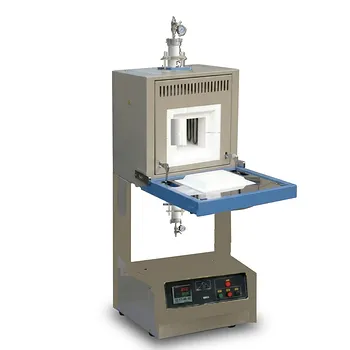
High Temperature Vertical Hybrid Furnace with Alumina Tube and SiC Heating for SOFC Coin Cell Testing and Atmosphere Processing
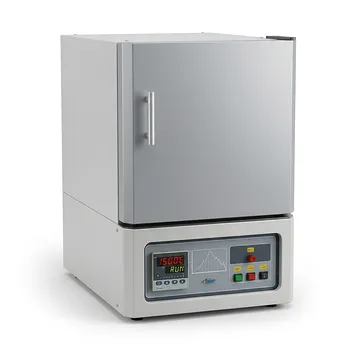
High Temperature 1500C Benchtop Muffle Furnace 3.6L Alumina Fiber Chamber Programmable Controller Sintering Annealing Carbonization Thermal Processing System
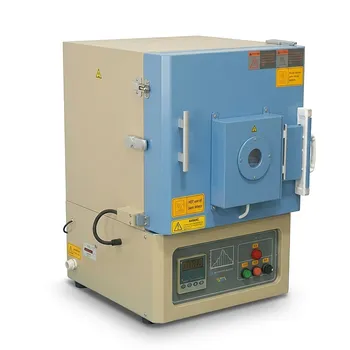
High Temperature Benchtop Muffle Furnace 1500C with 3.6L Chamber and Quartz Observation Window
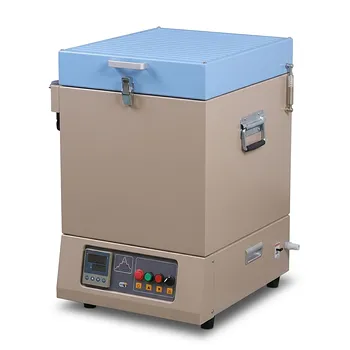
High Temperature Vertical Crucible Furnace with 22L Heating Chamber and 1200C Maximum Temperature
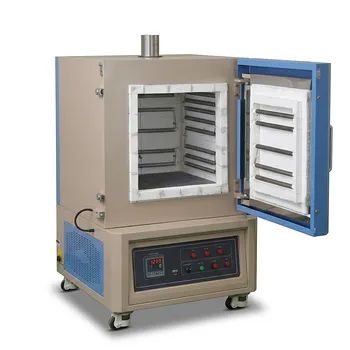
1200C High Temperature 125L Muffle Furnace 5 Side Heating for Large Batch Sintering with Optional Alloy Debinding Chamber

Vertical 1700C Vacuum and Atmosphere Tube Furnace with 80mm Alumina Tube
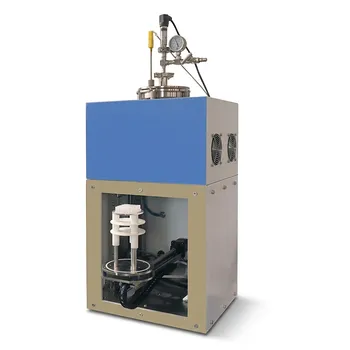
Rapid Thermal Processing RTP Atmosphere Controlled Bottom Loading Furnace 1100C High Throughput 50C per Second Heating Rate
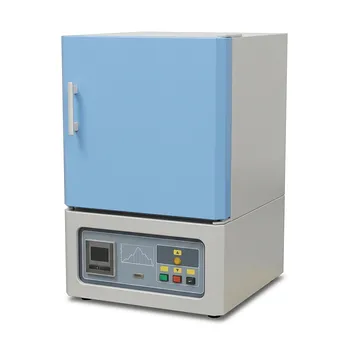
1800C Bench Top Muffle Furnace with Kanthal Super 1900 Heating Elements and 3.6L Alumina Fiber Chamber
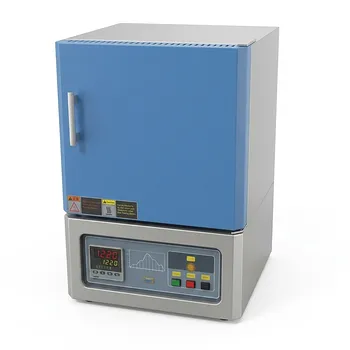
High Temperature Benchtop Muffle Furnace 1700C 10L Chamber Alumina Fiber Insulation MoSi2 Heating Elements
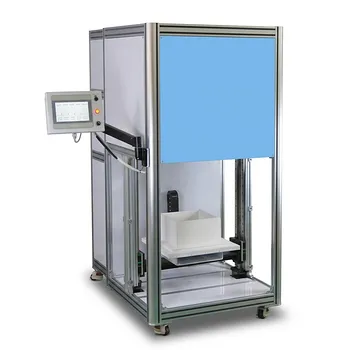
High Temperature 1600°C Three Zone Heated Bottom Loading Box Furnace with Rapid Thermal Processing Chamber 72L Volume
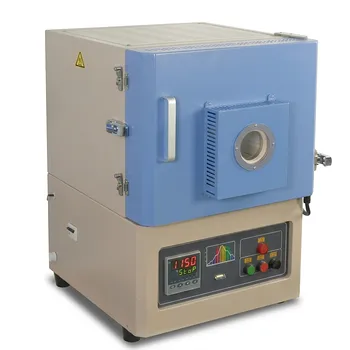
High Temperature Benchtop Muffle Furnace with Quartz Observation Window for Thermal Imaging and Material Analysis
