What are the core functions of a horizontal tube furnace in the isothermal reduction of iron ore? Ensure Pure Phases.
Updated 3 months ago
The horizontal tube furnace acts as a precision-controlled reactor for the isothermal reduction of iron ore. It establishes a stable thermal field—typically maintained between 375°C and 400°C—and provides a sealed environment where air is displaced by inert gases before high-purity hydrogen is introduced. This specific sequence facilitates the controlled chemical transformation of iron ore from hematite to magnetite and, ultimately, metallic iron.
The core function of a horizontal tube furnace is to provide simultaneous mastery over temperature and atmosphere, ensuring that the reduction of iron ore occurs under strictly isothermal and anaerobic conditions. By isolating the sample from the ambient environment, the furnace allows for the precise deoxygenation required to reach specific metallic phases.
Precision Thermal Field Management
Maintaining Isothermal Stability
For iron ore reduction to be effective, the temperature must remain constant throughout the reaction period to ensure uniform phase transformation. The furnace provides a stable heating zone that prevents thermal fluctuations, which is critical for the selective migration and removal of oxygen anions without damaging the crystal lattice.
Controlled Heating Curves
The furnace allows researchers to precisely manage the ramp-up phase to reach the target reduction temperature, such as 375-400 °C. This controlled approach ensures that the raw materials are prepared for the chemical reaction only once the environment is thermally optimized.
Atmospheric Isolation and Gas Exchange
Oxygen Displacement and Inert Flushing
One of the furnace's primary roles is the displacement of ambient air using inert gases like helium or nitrogen. This creates an anaerobic environment, preventing premature or unwanted oxidation of the iron ore samples during the heating phase.
Controlled Hydrogen Introduction
Once the target temperature is reached, the furnace enables a stable switch to high-purity hydrogen. This flow acts as the reducing agent, reacting with the oxygen in the ore to facilitate the solid-state reduction process.
Gas Path Integration
The horizontal tube serves as a gas path hub, directing the flow of reducing gases over the sample at constant velocities. This ensures thorough contact between the hydrogen gas and the ore powder, which is essential for achieving deep deoxygenation.
Facilitating Phase Transformation
Sequential Reduction Chemistry
The controlled environment within the quartz tube supports the step-wise transformation of iron oxides. By maintaining specific temperatures and gas concentrations, the furnace allows hematite ($Fe_2O_3$) to reduce to magnetite ($Fe_3O_4$) and finally to metallic iron ($Fe$).
Promoting Solid-State Diffusion
The furnace provides the energy required for the mutual diffusion of atoms within the solid state. This is critical for synthesizing homogeneous materials and ensuring that the reduction process penetrates the entire volume of the ore sample.
Understanding the Trade-offs
Configuration Limitations
Horizontal furnaces are excellent for uniform gas flow over a static bed of powder, but they lack the drop-quenching capabilities of vertical furnaces. If your research requires "freezing" a high-temperature phase state instantly, a horizontal setup may be less effective than a vertical configuration.
Seal Integrity and Contamination
While the quartz tube isolates reactants, the integrity of the end-seals is a potential point of failure. Any leak can introduce oxygen, which would compromise the isothermal reduction and lead to inaccurate kinetic data or impure final samples.
How to Apply This to Your Project
Choosing Your Strategy
To get the most out of a horizontal tube furnace for iron ore reduction, align your operational parameters with your specific research objectives.
- If your primary focus is phase purity: Ensure the inert gas flush is prolonged to remove all traces of oxygen before introducing hydrogen.
- If your primary focus is reaction kinetics: Use a constant gas velocity and a calibrated isothermal zone to ensure that the reduction rate is limited by chemistry, not by temperature fluctuations.
- If your primary focus is simulating industrial sintering: Focus on precise heating curves and residence times to mimic the thermal profile of large-scale industrial furnaces.
By mastering the balance between gas flow and thermal stability, you turn the tube furnace into a definitive tool for understanding iron ore metallurgy.
Summary Table:
| Core Function | Key Feature | Operational Benefit |
|---|---|---|
| Thermal Management | Isothermal Stability | Ensures uniform phase transformation across the sample. |
| Atmosphere Control | Inert/H2 Gas Path | Prevents oxidation; facilitates precise solid-state reduction. |
| Phase Chemistry | Sequential Reduction | Supports hematite → magnetite → metallic iron transition. |
| Energy Transfer | Solid-State Diffusion | Provides the energy required for homogeneous atom migration. |
Elevate Your Material Science R&D with THERMUNITS
Precision is the backbone of successful metallurgy. As a leading manufacturer of high-temperature laboratory equipment, THERMUNITS provides the advanced thermal solutions necessary for rigorous iron ore reduction and material synthesis.
Our comprehensive range includes Tube, Muffle, Vacuum, Atmosphere, Rotary, and Hot Press furnaces, as well as CVD/PECVD systems and Vacuum Induction Melting (VIM) furnaces. Whether you are optimizing isothermal reduction or simulating industrial sintering, our equipment offers the stability and atmospheric integrity your research demands.
Ready to enhance your lab’s thermal processing capabilities? Contact THERMUNITS Today to discuss your specific requirements with our technical experts!
References
- Yu. V. Konyukhov, Mykola Kravchenko. Application of low-temperature reduction by hydrogen for enhancing the magnetic characteristics of several iron ores. DOI: 10.17073/0368-0797-2024-6-644-652
Mentioned Products
- 1200°C 10-Zone Split Tube Furnace with Horizontal and Vertical Mounting for Multi-Zone Thermal Gradients and Large Diameter Material Processing
- Multi Position Tube Furnace 1100C for Laboratory Material Research and Advanced Industrial Thermal Processing
- Ten Zone Multi Orientation Laboratory Tube Furnace for 1200C High Temperature Gradient Thermal Processing
- Vertical 1700C Vacuum and Atmosphere Tube Furnace with 80mm Alumina Tube
- Split Vertical Tube Furnace with 1200C Quartz Tube and Stainless Steel Vacuum Flanges for Rapid Thermal Processing
People Also Ask
- What is the primary engineering purpose for using a customized ventilation hood when operating a split tube furnace? RCF Safety
- What are the technical advantages of using a multi-zone independently controlled tube furnace in the modified USP process?
- How does a split tube furnace contribute to the thermal stabilization of Clignin@H-TiO2? Achieve Structural Precision
- What are the specific advantages and use cases for a split tube furnace? Optimize Lab Efficiency & Material Research
- What are the advantages of using a split tube furnace for heating a catalytic reactor? Boost Efficiency and Precision

Tech Team · ThermUnits
Last updated on Jun 03, 2026
Related Products
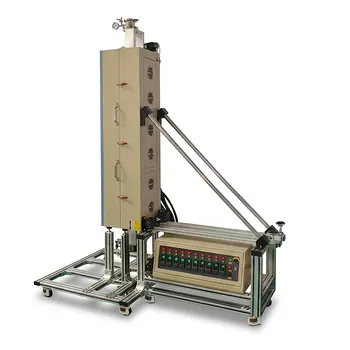
1200°C 10-Zone Split Tube Furnace with Horizontal and Vertical Mounting for Multi-Zone Thermal Gradients and Large Diameter Material Processing
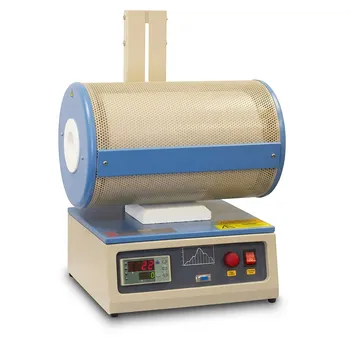
Multi Position Tube Furnace 1100C for Laboratory Material Research and Advanced Industrial Thermal Processing
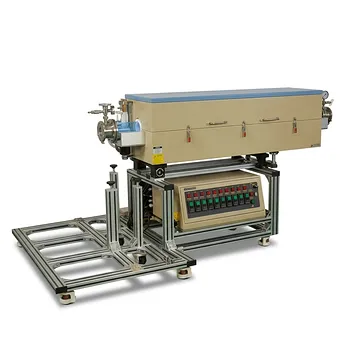
Ten Zone Multi Orientation Laboratory Tube Furnace for 1200C High Temperature Gradient Thermal Processing

Vertical 1700C Vacuum and Atmosphere Tube Furnace with 80mm Alumina Tube
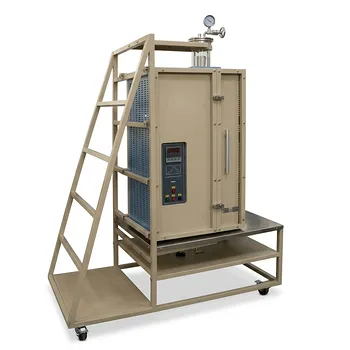
Split Vertical Tube Furnace with 1200C Quartz Tube and Stainless Steel Vacuum Flanges for Rapid Thermal Processing
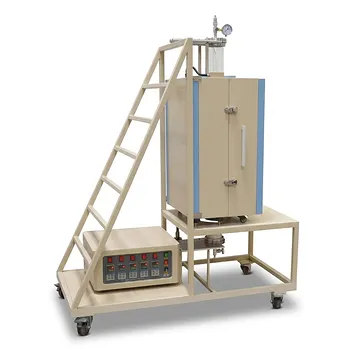
Five Zone Split Vertical Tube Furnace 1200C Max with 4 Inch Quartz Tube and Stainless Steel Vacuum Flanges

1200°C 5 Inch Vertical Quartz Tube Furnace with Stainless Steel Vacuum Flanges

High Temperature 1700C Vertical Tube Furnace for Powder Spherification and Material Sintering
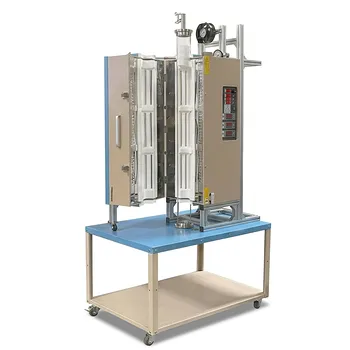
1200C Three Zone Split Vertical Tube Furnace 4 Inch Quartz Tube Stainless Steel Vacuum Flanges
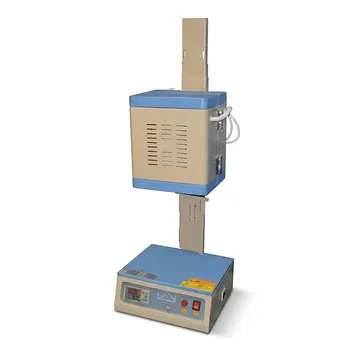
High Temperature Vertical Split Tube Furnace with PID Temperature Controller for 1 and 2 Inch Processing Tubes
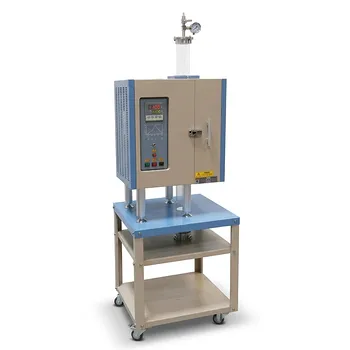
1100°C Split Vertical Tube Furnace with 80mm Quartz Tube and Stainless Steel Vacuum Flanges

Compact Vertical Split Quartz Tube Furnace with Stainless Steel Vacuum Flanges for Rapid Thermal Quenching and Controlled Atmosphere Material Processing

High Temperature 1700C Six Zone Split Tube Furnace with Alumina Tube and Water Cooled Flanges
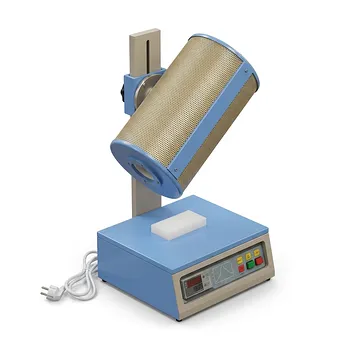
1100°C Vertical Laboratory Furnace for DIY Tubular Reactors with PID Temperature Controller
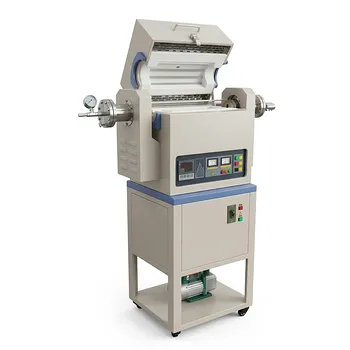
High Temperature Rotary Tilt Tubular Furnaces for Advanced Powder Sintering and Material Processing

High Temperature 1700C Benchtop Tube Furnace with 5 Inch Heating Zone High Purity Alumina Tube and Vacuum Sealing Flanges
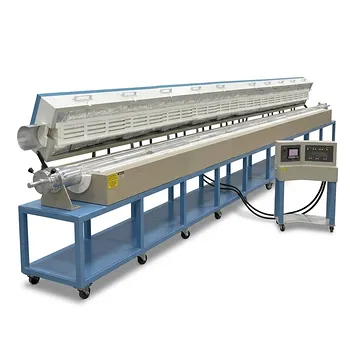
12 Zone Ultra Long Split Tube Furnace with 20 Foot Quartz Tube and 1100C Max Temperature
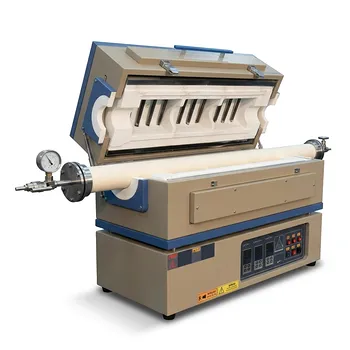
1600C Three Zone Split Tube Furnace with Alumina Tube and Vacuum Flange
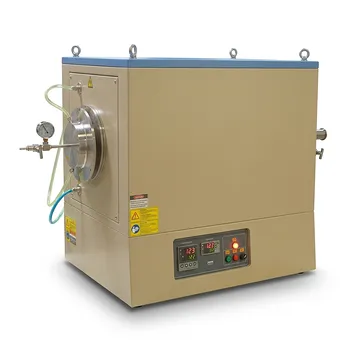
1100°C Large Diameter Quartz Tube Furnace with 24 Inch Heating Zone and Water Cooled Flanges
