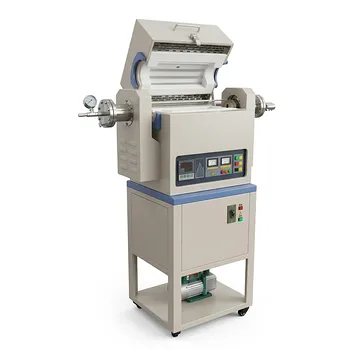
What are the primary functions of a tube atmosphere furnace for SA-Ru@Pt/MoCx catalysts? Mastering Catalyst Synthesis
Updated 6 months ago
The tube atmosphere furnace serves as the critical reactor for the multi-stage chemical transformation and structural refinement of SA-Ru@Pt/MoCx catalysts. During the heat treatment phase, the furnace provides a strictly regulated thermal and chemical environment that facilitates the carbonization of polydopamine, the reduction of molybdenum trioxide into molybdenum carbide, and the precise atomic-level rearrangement of ruthenium and platinum species.
Core Takeaway: The tube atmosphere furnace is essential for synthesizing SA-Ru@Pt/MoCx because it enables the simultaneous reduction of metal precursors and the structural reorganization of active sites under a precisely controlled reducing atmosphere and high-temperature field.
Chemical Transformation and Phase Synthesis
Facilitating Carbonization of Precursors
At high temperatures, the furnace drives the thermal decomposition of the polydopamine (PDA) layer coating the catalyst precursor. This process converts the organic PDA into a stable carbon source, which acts as a conductive framework for the final catalyst.
Reduction and Carbide Formation
The furnace maintains a constant temperature—typically 700°C—to facilitate the chemical reduction of molybdenum trioxide ($MoO_3$). Under the influence of the furnace’s heat and atmosphere, the molybdenum is converted into molybdenum carbide (MoCx), the intended catalyst support.
Inducing Electronic Metal-Support Interaction (EMSI)
By providing a stable high-temperature environment, the furnace helps activate the electronic metal-support interaction. This interaction is vital for creating the active centers required for efficient catalytic reactions, such as the induction of oxygen vacancies or partially reduced species.
Precision Nanostructure Engineering
Redispersion of Platinum Species
The thermal environment within the tube furnace promotes the redispersion of large platinum nanoparticles. Under specific conditions, these large particles are broken down into small clusters, maximizing the surface area and the number of active sites available for catalysis.
Precise Embedding of Single Atoms
The furnace guides the precise embedding of ruthenium (Ru) single atoms into specific sites within the catalyst lattice. This ensures that the ruthenium is atomically dispersed rather than forming bulk metal, which is critical for the "SA" (Single Atom) functionality of the catalyst.
Thermal Polycondensation and Anchoring
The regulated heating rate (often around 5 °C/min) facilitates thermal polycondensation. This process firmly anchors metal ions into the carbon-nitrogen lattice, ensuring the stability of the single-atom active centers during high-temperature operation.
Atmosphere Control and Environmental Protection
Providing a Reducing Environment
The furnace introduces a specific gas mixture, such as $H_2/N_2$ or $H_2/Ar$, to create a reducing atmosphere. This environment is necessary to prevent the unwanted oxidation of metal precursors and to drive the conversion of oxides into metallic or carbide phases.
Protection via Inert Gas Blanketing
By using flowing argon (Ar) or nitrogen ($N_2$), the tube furnace prevents the combustion of organic components and protects the carbon materials from oxidation. This allows for high-temperature treatment (600–700°C) without destroying the catalyst’s structural integrity.
Removal of Volatile Impurities
The furnace environment serves to further remove residual moisture and volatile organic compounds (VOCs). This purification step stabilizes the precursors and establishes a clean structural foundation for the subsequent high-temperature reduction processes.
Understanding the Trade-offs
Temperature Gradient Sensitivity
Atmosphere furnaces can suffer from internal temperature gradients, where the center of the tube is hotter than the ends. If not calibrated correctly, this can lead to inhomogeneous catalyst batches, with some particles being over-sintered while others are under-reduced.
Gas Flow Dynamics
The velocity and distribution of the gas flow within the tube are critical; uneven gas flow can cause localized variations in the chemical potential. This may result in inconsistent carbonization depth or incomplete reduction of molybdenum trioxide in certain sections of the precursor bed.
Scaling Constraints
While tube furnaces provide excellent precision for laboratory-scale synthesis, they face significant scalability challenges. Maintaining a uniform atmosphere and temperature field becomes increasingly difficult as the tube diameter increases, often requiring specialized rotary or fluidized bed designs for mass production.
Applying These Principles to Your Synthesis
Making the Right Choice for Your Goal
To achieve specific structural outcomes, the furnace parameters must be tuned to the primary objective of the heat treatment.
- If your primary focus is maximizing active sites: Prioritize a slow heating rate and precise temperature plateau to ensure the redispersion of Pt into small clusters and the stable anchoring of Ru single atoms.
- If your primary focus is support conductivity: Focus on the high-temperature (700°C) carbonization phase to ensure the complete conversion of polydopamine into a high-quality carbon framework.
- If your primary focus is phase purity: Ensure a stable and high-concentration reducing atmosphere ($H_2$ mixture) to prevent the formation of residual molybdenum oxides during the carbide transition.
Effective catalyst synthesis depends on the furnace’s ability to balance chemical reduction with atomic-level structural organization.
Summary Table:
| Heat Treatment Phase | Primary Function | Key Technical Parameter |
|---|---|---|
| Carbonization | Converts PDA precursors into conductive carbon frameworks | Precise heating rate (5 °C/min) |
| Phase Synthesis | Reduces $MoO_3$ into molybdenum carbide ($MoCx$) support | Stable 700°C thermal field |
| Atomic Engineering | Redisperses Pt clusters & anchors Ru single atoms | High-purity reducing atmosphere |
| Structural Shielding | Prevents oxidation & removes volatile impurities | Inert gas ($Ar/N_2$) blanketing |
Elevate Your Catalyst Research with THERMUNITS Precision
At THERMUNITS, we specialize in the engineering of high-performance thermal processing solutions designed for the rigorous demands of material science and industrial R&D. Our advanced Tube Atmosphere Furnaces provide the exceptional temperature uniformity and atmosphere integrity required for the complex synthesis of single-atom catalysts.
From Muffle and Vacuum Furnaces to specialized CVD/PECVD systems, Rotary Kilns, and Hot Press Furnaces, our equipment is built to empower your laboratory's breakthroughs. Whether you are developing next-generation catalysts or advanced carbides, we bring the expertise and hardware to ensure your success.
Ready to optimize your thermal processes?
Contact our technical experts today to find the perfect furnace for your application.
References
- Daojun Long, Zidong Wei. Constructing CO-immune water dissociation sites around Pt to achieve stable operation in high CO concentration environment. DOI: 10.1038/s41467-024-51562-9
Mentioned Products
- Three Temperature Zone Rotating Tube Furnace for Material Sintering and Controlled Atmospheric Heat Treatment
- Compact Vertical Split Quartz Tube Furnace with Stainless Steel Vacuum Flanges for Rapid Thermal Quenching and Controlled Atmosphere Material Processing
- 1750°C High Temperature Benchtop Vacuum Atmosphere Tube Furnace with Kanthal Super 1800 Heating Elements and 60mm Alumina Processing Tube
- Vertical 1700C Vacuum and Atmosphere Tube Furnace with 80mm Alumina Tube
- High Temperature Dual Zone Split Tube Furnace for Advanced Atmosphere Sintering and Vacuum CVD Applications
People Also Ask
- What are the technical advantages of using a three-zone tube furnace for MoS2 CVD growth? Achieve Precision Control
- What is the role of a controlled rotary tube furnace in pre-sulfidation of NiMo catalysts? Optimize Active Phase Formation
- How does a rotary tube furnace improve the processing of granular materials? Enhance Uniformity and Reaction Kinetics
- How does a high-precision tube sintering furnace contribute to the formation of the Na3Ge2P3 crystal structure? Precise Thermal Control
- Why use a rotary tube furnace for FACS carbonization? Ensure uniform morphology and prevent sphere agglomeration.

Tech Team · ThermUnits
Last updated on Apr 14, 2026
Related Products
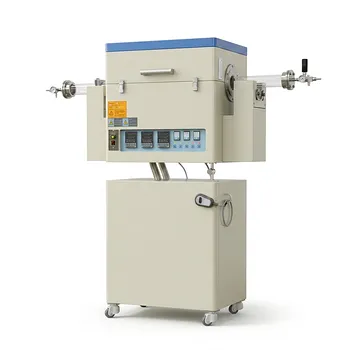
Three Temperature Zone Rotating Tube Furnace for Material Sintering and Controlled Atmospheric Heat Treatment
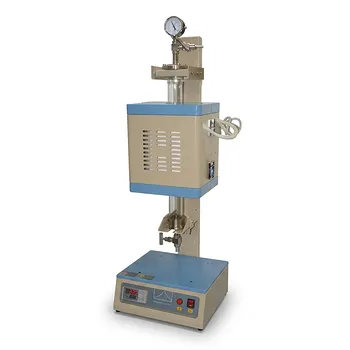
Compact Vertical Split Quartz Tube Furnace with Stainless Steel Vacuum Flanges for Rapid Thermal Quenching and Controlled Atmosphere Material Processing
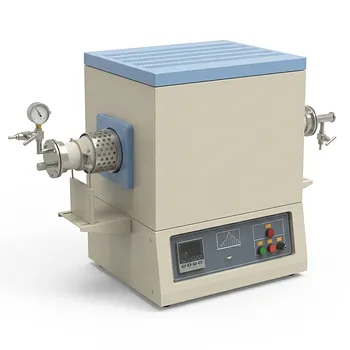
1750°C High Temperature Benchtop Vacuum Atmosphere Tube Furnace with Kanthal Super 1800 Heating Elements and 60mm Alumina Processing Tube
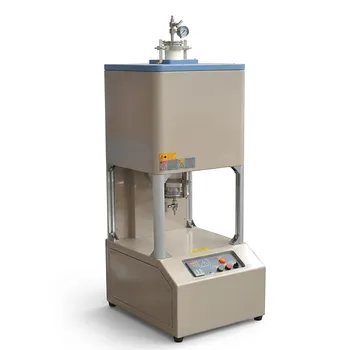
Vertical 1700C Vacuum and Atmosphere Tube Furnace with 80mm Alumina Tube
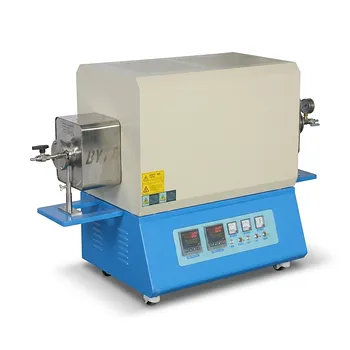
High Temperature Dual Zone Split Tube Furnace for Advanced Atmosphere Sintering and Vacuum CVD Applications
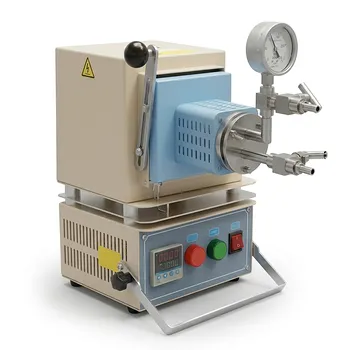
Compact Hybrid Muffle and Tube Furnace for 1000C Controlled Atmosphere Laboratory Material Sintering
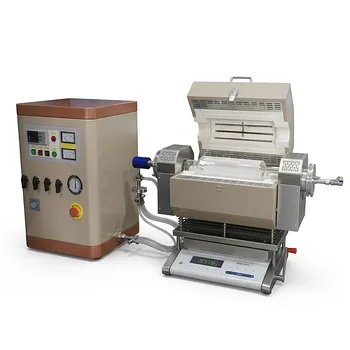
Mini Rotary Tubular Furnaces for Precision Powder Heat Treatment and Thermogravimetric Analysis
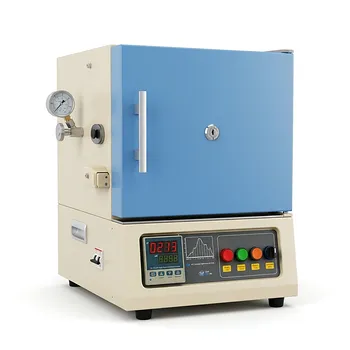
1200C Hybrid Muffle and Tube Furnace for Material Research with Dual Atmosphere Control Quartz Tubes
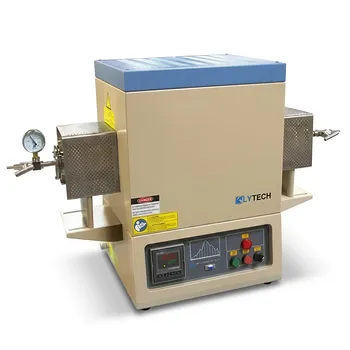
1800C High Temperature Compact Vacuum Tube Furnace with 60mm OD Alumina Tube and Kanthal MoSi2 Heating Elements
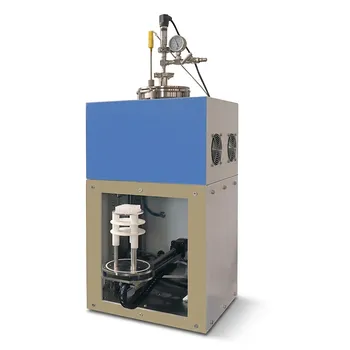
Rapid Thermal Processing RTP Atmosphere Controlled Bottom Loading Furnace 1100C High Throughput 50C per Second Heating Rate
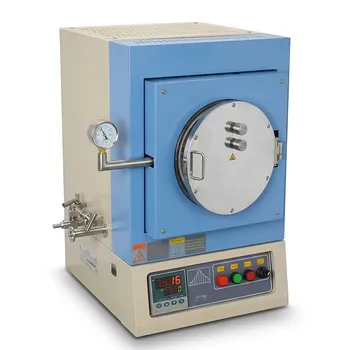
1100°C High Temperature Quartz Chamber Furnace 8 Inch OD with 7.6 Liter Capacity and Vacuum Atmosphere Capability
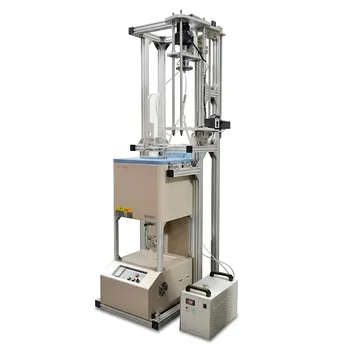
500C Vacuum Vertical Tube Furnace 84mm OD Sample Rotation Lifting System
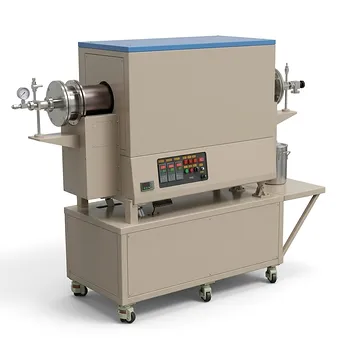
900°C Max Rotary Tube Furnace with 8 Inch 310S Alloy Tube and Optional Multi Zone Heating for Industrial Material Calcination
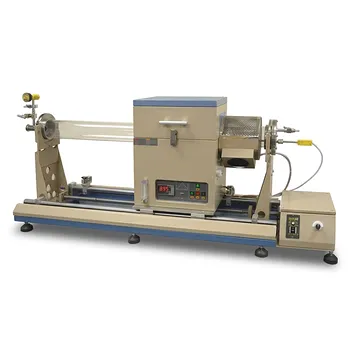
900 ºC Max Sliding RTP Tube Furnace with Rapid IR Heating and 4 Inch OD Quartz Tube
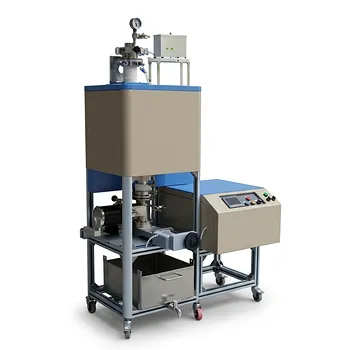
High Temperature 1700C Vertical Tube Furnace for Powder Spherification and Material Sintering
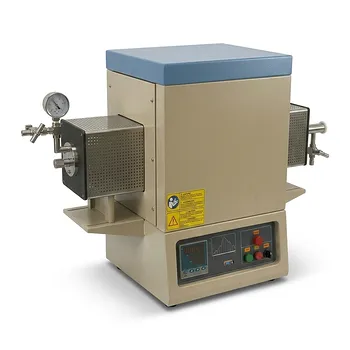
High Temperature 1700C Benchtop Tube Furnace with 5 Inch Heating Zone High Purity Alumina Tube and Vacuum Sealing Flanges
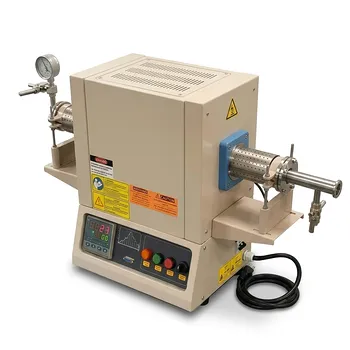
Compact High Temperature 1600C Tube Furnace with 50mm Alumina Tube and Vacuum Flanges for Material Sintering
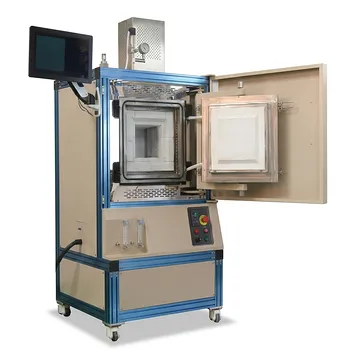
High Temperature Hydrogen Atmosphere Box Furnace 1650C Max Reducing Environment Material Synthesis System 8x8x8 Chamber
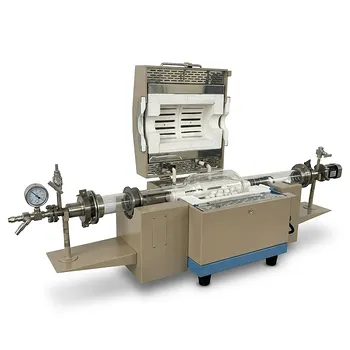
High Temperature Rotary Tube Furnace with Integrated Ball Milling and Gas Flow Function for Powder Nitriding