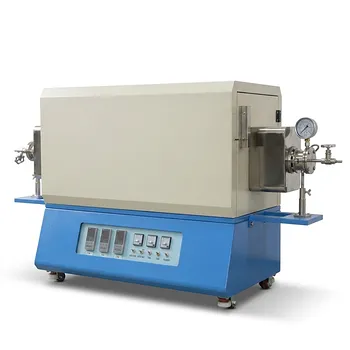
What are the technical advantages of using a three-zone tube furnace for MoS2 CVD growth? Achieve Precision Control
Updated 3 months ago
A three-zone tube furnace provides superior control over MoS2 CVD growth by establishing independent thermal environments for sulfur evaporation, precursor conversion, and epitaxial deposition. This configuration allows researchers to decouple the sublimation temperatures of volatile reactants from the final high-temperature growth phase on the substrate. By isolating these stages, the furnace enables precise optimization of reaction kinetics, leading to significantly better control over grain size, monolayer coverage, and crystalline quality.
A three-zone furnace transforms the CVD process from a blunt thermal environment into a precision instrument by enabling spatial control over the chemical reaction pathway. This decoupling is essential for synchronizing the arrival of different precursors to ensure the growth of large-area, high-quality MoS2 monolayers.
Decoupling Thermal Requirements for Multi-Step Reactions
Optimizing Sulfur Source Evaporation
MoS2 growth requires sulfur powder, which sublimates at relatively low temperatures, typically around 165 °C. In a single-zone furnace, the sulfur is often placed at the edge of the heat zone where a natural gradient exists, making its evaporation rate highly dependent on the central growth temperature. A three-zone system allows the first zone to be set specifically to the sulfur’s optimal evaporation point, ensuring a steady and controllable flux of sulfur vapor throughout the process.
Facilitating Precursor Conversion
The molybdenum source, such as Ammonium Heptamolybdate (AHM), often requires a specific temperature range to convert into Molybdenum Trioxide (MoO3) before it can react with sulfur. A dedicated middle zone can be tuned to this conversion temperature, ensuring that the chemical precursors are in the correct state before reaching the substrate. This prevents the deposition of unreacted or partially converted material, which can degrade the purity of the final MoS2 film.
Independent Control of Growth Kinetics
The final zone is reserved for the substrate, where temperatures often exceed 700-1000 °C to promote epitaxial growth. By isolating this zone, the furnace ensures that the high heat required for crystallization does not cause the sulfur or molybdenum precursors to evaporate too quickly. This independent control allows for the fine-tuning of nucleation density, which is the primary factor in determining whether the resulting MoS2 is a continuous film or scattered flakes.
Achieving Large-Scale Uniformity and Stability
Expanding the Isothermal Zone
Single-zone furnaces naturally lose heat at the ends of the tube, creating a narrow "sweet spot" for growth. A three-zone configuration uses the outer zones to compensate for heat dissipation, effectively stretching the constant temperature (isothermal) zone. This enables the growth of uniform MoS2 monolayers across larger substrates or multiple samples simultaneously without variations in morphology.
Enhancing Gas Phase Stability
The ability to preheat carrier gases and precursors in the initial zones ensures that the chemical environment is stable by the time it reaches the deposition zone. This thermal homogenization prevents cold spots that could cause premature precursor condensation. Consequently, the resulting MoS2 monolayers exhibit more consistent grain boundaries and better electrical properties across the entire surface.
Understanding the Trade-offs
Increased System Complexity
While a three-zone furnace offers greater control, it also introduces operational complexity. Users must calibrate three different PID controllers and account for the thermal "bleed" between adjacent zones. If the zones are not properly managed, the heat from a high-temperature zone can inadvertently raise the temperature of a neighboring low-temperature zone, potentially over-evaporating the sulfur source.
Higher Equipment and Maintenance Costs
Three-zone systems are significantly more expensive than single-zone units due to the additional heating elements, thermocouples, and sophisticated control electronics. Furthermore, the thermal stress caused by maintaining sharp temperature gradients across a single quartz tube can lead to shorter tube lifespans if the gradients are too aggressive.
How to Apply This to Your Project
Making the Right Choice for Your Goal
- If your primary focus is producing large-area, high-quality MoS2 monolayers: Use a three-zone furnace to independently tune the sulfur flux and substrate temperature for maximum crystallinity.
- If your primary focus is rapid prototyping or educational demonstrations: A single-zone furnace may be sufficient, provided you are willing to accept less control over flake size and uniformity.
- If your primary focus is nitrogen-doping or complex alloy growth: A three-zone system is essential to maintain the precise stoichiometry and doping ratios required for advanced 2D materials.
Precision in thermal gradient management is the definitive factor in transitioning from inconsistent MoS2 flakes to reliable, wafer-scale semiconductor production.
Summary Table:
| Feature | Single-Zone Furnace | Three-Zone Furnace |
|---|---|---|
| Thermal Zones | One control loop for entire tube | Three independent temperature zones |
| Precursor Control | Highly dependent on central heat | Decoupled sulfur and precursor evaporation |
| Isothermal Area | Narrow and prone to heat loss | Expanded and stable uniform heating zone |
| Growth Quality | Inconsistent grain size/flakes | High-crystalline, large-area monolayers |
| Best Used For | Basic research & rapid prototyping | Advanced R&D & wafer-scale production |
Elevate Your 2D Material Research with THERMUNITS
Precise thermal management is the key to transitioning from inconsistent flakes to high-quality, wafer-scale MoS2 production. As a leading manufacturer of high-temperature laboratory equipment for material science and industrial R&D, THERMUNITS provides the precision tools you need for advanced synthesis.
Our comprehensive range of thermal processing solutions includes:
- Tube Furnaces (Single & Multi-zone) for CVD/PECVD systems
- Muffle, Vacuum, and Atmosphere Furnaces
- Rotary & Hot Press Furnaces
- Vacuum Induction Melting Furnaces (VIM) and Electric Rotary Kilns
- Dental Furnaces & Thermal Elements
Maximize your research outcomes today. Contact our technical experts to find the perfect thermal solution for your lab's specific requirements.
References
- André Maas, Marika Schleberger. Growth of p-doped 2D-MoS2 on Al2O3 from spatial atomic layer deposition. DOI: 10.1116/6.0003248
Mentioned Products
- Three Zone Tube Furnace with 24 Inch Heating Length and Hinged Flange Quartz Tube System
- Three Zone Rotary Tube Furnace with Automatic Powder Feeding for Large Scale CVD Coating 1100C
- 1100°C Three Zone Tube Furnace with 8.5 to 11 Inch OD Quartz Tube and Vacuum Flanges for Large Wafer Processing
- Three Zone Hydrogen Gas Tube Furnace with 82mm Superalloy Tube and Dual Hydrogen Detectors 1200C High Temperature Material Processing System
- Three Zone Tube Furnace with 11 Inch or 15 Inch Quartz Tube and Hinged Flanges for Vacuum Atmosphere Heat Treatment
People Also Ask
- What is the primary function of a three-zone tube furnace in the synthesis process of corn-derived carbon nanotubes?
- What role does an industrial-grade three-zone tube furnace play in VOx@VACNT synthesis? Precision Phase-State Control
- Why Use a Three-Zone vs. Single-Zone Furnace for Fe-Ni-Cu Diffusion? Key Benefits for Lab Accuracy
- What advantages does a three-zone tube furnace offer for nanoparticle synthesis? Unlock Superior Thermal Precision.
- What role does a 3-zone tube furnace play in CCO ceramic conductivity testing? Ensure Isothermal Precision.

Tech Team · ThermUnits
Last updated on Jun 03, 2026
Related Products
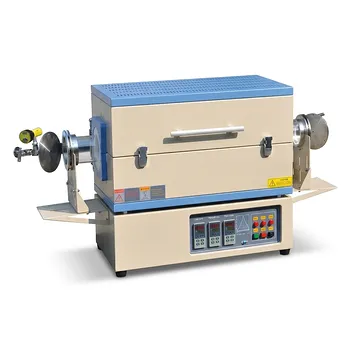
Three Zone Tube Furnace with 24 Inch Heating Length and Hinged Flange Quartz Tube System
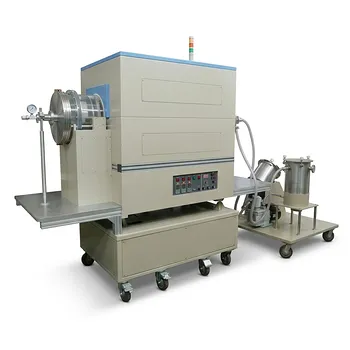
Three Zone Rotary Tube Furnace with Automatic Powder Feeding for Large Scale CVD Coating 1100C
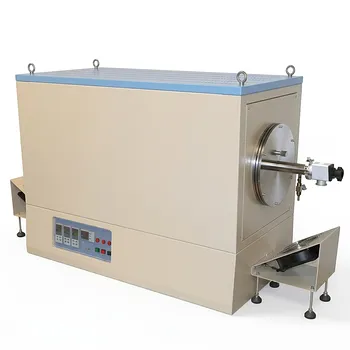
1100°C Three Zone Tube Furnace with 8.5 to 11 Inch OD Quartz Tube and Vacuum Flanges for Large Wafer Processing
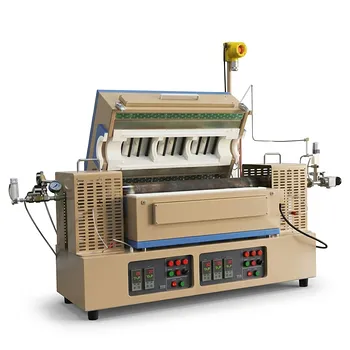
Three Zone Hydrogen Gas Tube Furnace with 82mm Superalloy Tube and Dual Hydrogen Detectors 1200C High Temperature Material Processing System

Three Zone Tube Furnace with 11 Inch or 15 Inch Quartz Tube and Hinged Flanges for Vacuum Atmosphere Heat Treatment
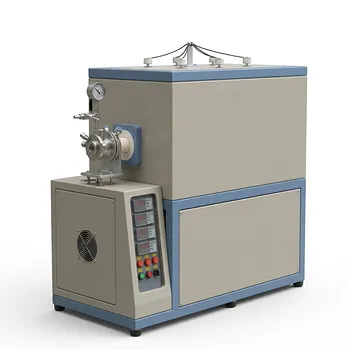
High Temperature 1700C Three Zone Tube Furnace with Alumina Tube 50mm 60mm 80mm OD for Material Research and Industrial Heat Treatment
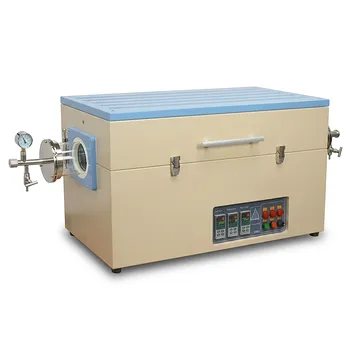
Three Zone Split Tube Furnace 36 Inch Heating Length High Temperature 1200C Material Research Furnace with Vacuum Flanges
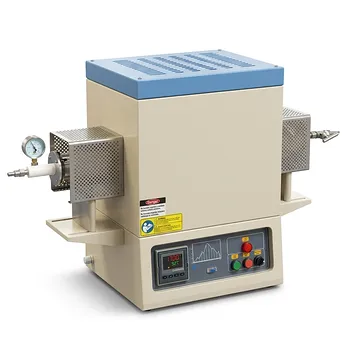
High Temperature Three Zone Tube Furnace 1700C with Alumina Tube and Water Cooled Flanges

5 Inch Three Zone Rotary Tube Furnace with Integrated Gas Delivery System and 1200C Capability for Advanced Material CVD Processing
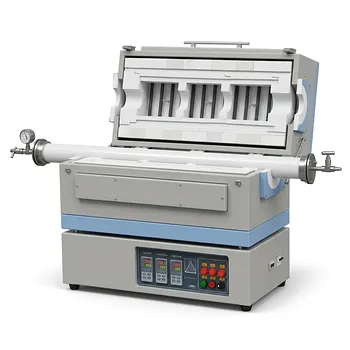
High Temperature 1500C Three Zone Split Tube Furnace with 80mm Alumina Tube and Vacuum Flange
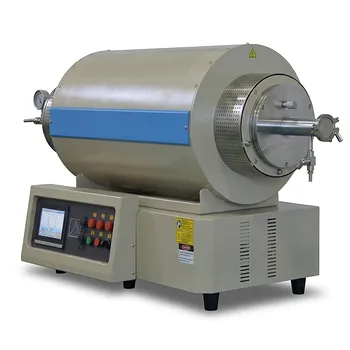
1200C Max Three Zone Tube Furnace 6 Inch OD Max with Tube and Flange
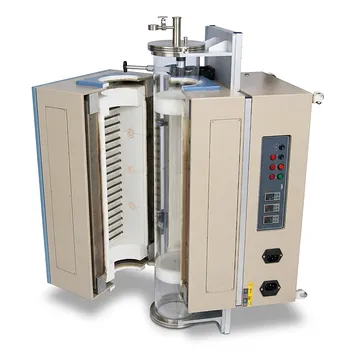
Large Vertical Three Zone Tube Furnace with 8 Inch or 11 Inch Quartz Tube and High Vacuum Flanges 1200C
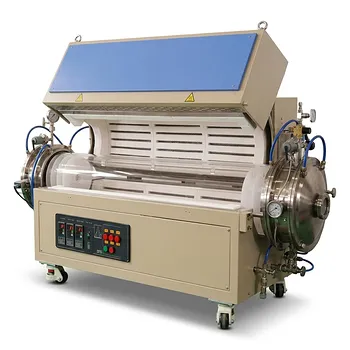
High Temperature Three Zone Split Tube Furnace 1200C Max 35.4 Inch Heating Length 8 Inch ID Tube
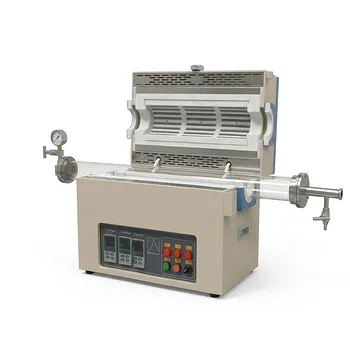
1200°C Three Zone Split Tube Furnace with 18 Inch Heating Length and Vacuum Flanges
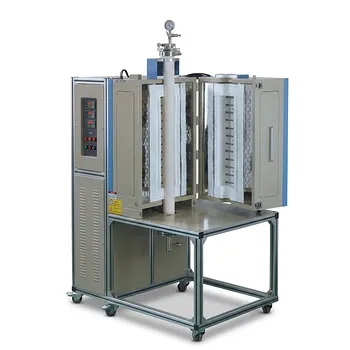
Three Zone Heating Split Vertical Tube Furnace 1700 High Temperature Vacuum Atmosphere Thermal Process System
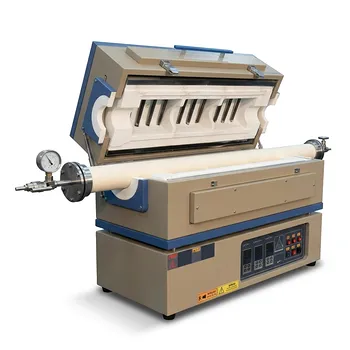
1600C Three Zone Split Tube Furnace with Alumina Tube and Vacuum Flange
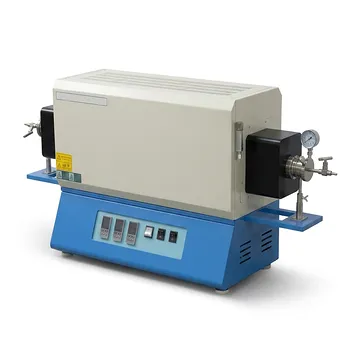
High Temperature Three Temperature Zone Tube Furnace for Advanced Material Science Sintering and Chemical Vapor Deposition Applications
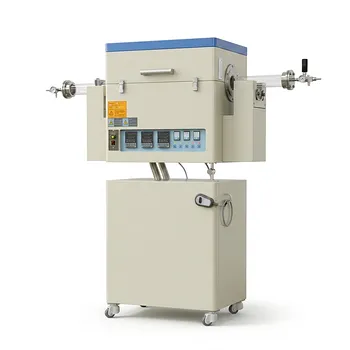
Three Temperature Zone Rotating Tube Furnace for Material Sintering and Controlled Atmospheric Heat Treatment
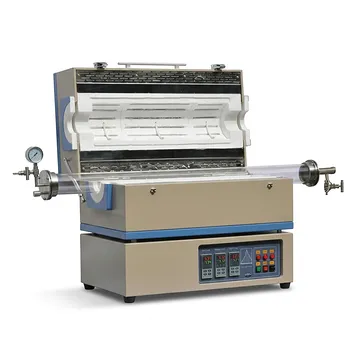
24 Inch Three Zone Split Tube Furnace with Optional Quartz Tube and Vacuum Flange System for High Temperature Material Synthesis