What are the specific functions of argon and carbon monoxide (CO) gas flows within a tube furnace? Process Optimization
Updated 3 months ago
Argon and carbon monoxide serve distinct, sequential roles in high-temperature furnace operations: argon provides a passive, inert shield to prevent oxidation, while carbon monoxide acts as an active chemical reactant. During the initial heating phase, argon displaces oxygen to protect the sample from premature degradation. Once the system reaches target temperatures, carbon monoxide is introduced to drive the specific chemical reduction of metal oxides into their metallic or lower-oxide forms.
The gas flow system creates a controlled thermodynamic environment where argon preserves the material's integrity during ramp-up, and carbon monoxide executes the intended carbothermic reduction reaction at high temperatures.
The Role of Argon as a Protective Barrier
Oxygen Displacement and Oxidation Prevention
Argon is an inert gas used primarily to flush atmospheric oxygen and moisture out of the furnace tube.
By creating an oxygen-free environment during the heating phase (typically up to 600°C), argon prevents the sample from undergoing unintended oxidation or "burning off" before the experiment begins.
This displacement is critical for maintaining the intended metal valence states and ensuring that the final product possesses the correct chemical composition.
Thermal Decomposition vs. Oxidative Combustion
In many high-temperature processes, argon allows organic ligands or biomass components to undergo thermal decomposition into carbon networks.
Without an argon shield, these materials would undergo oxidative combustion, turning into ash and carbon dioxide rather than forming the desired carbon-coated structures or substrates.
This inert atmosphere is essential for preserving the microscopic morphology and pore structure of sensitive materials like carbon nanofibers or nano-alloys.
The Role of Carbon Monoxide as a Reactive Agent
Facilitating Carbothermic Reduction
Unlike argon, carbon monoxide (CO) is chemically active and is introduced only when the furnace reaches the specific target reduction temperature.
CO participates directly in carbothermic reduction, a process where the gas reacts with solid metal oxides to strip away oxygen atoms.
In manganese-based experiments, this reaction specifically promotes the conversion of manganese oxides into manganosite (MnO) and, eventually, metallic manganese.
Phase Transformation and Slag Formation
The presence of carbon monoxide gas flow influences the physical state of the byproduct materials within the furnace.
At high temperatures, the reaction with CO induces the formation of silicate phases within the slag, which is a necessary step in separating the metal from impurities.
The precise control of CO flow allows researchers to regulate the crystallinity and phase purity of the resulting metallic or alloyed products.
Understanding the Trade-offs
Timing and Temperature Sensitivity
Introducing CO too early can lead to incomplete reactions or unintended side-products if the activation energy for the reduction has not yet been met.
Conversely, relying solely on argon without transitioning to a reducing gas like CO will fail to produce metallic phases from oxide precursors.
Purity and Contamination Risks
While industrial-grade argon is generally sufficient, the presence of trace oxygen can still cause minor surface oxidation on highly reactive nano-alloys.
Furthermore, carbon monoxide is highly toxic and requires a sealed system with specialized sensors and ventilation to ensure operator safety during high-temperature discharge.
How to Apply This to Your Project
Making the Right Choice for Your Goal
- If your primary focus is preventing material loss during heating: Maintain a continuous flow of high-purity argon to ensure an oxygen-free environment until the target temperature is stabilized.
- If your primary focus is achieving specific metal valence states: Carefully timed introduction of carbon monoxide is required to drive the reduction of oxides into metallic forms.
- If your primary focus is preserving carbon-based substrates: Ensure the argon flow is maintained throughout the cooling phase to prevent the carbon from reacting with air while still hot.
Effective high-temperature reduction requires a dual-gas strategy where argon manages the environment and carbon monoxide drives the chemistry.
Summary Table:
| Gas Type | Primary Role | Key Functions | Typical Timing |
|---|---|---|---|
| Argon (Ar) | Inert Shield | Oxygen displacement, oxidation prevention, morphology preservation | Initial ramp-up and final cooling phases |
| Carbon Monoxide (CO) | Reactive Agent | Carbothermic reduction, oxygen stripping, metal phase transformation | At target high-reduction temperatures |
Optimize Your Thermal Research with THERMUNITS
Precision gas control is vital for successful high-temperature reduction and material synthesis. THERMUNITS is a leading manufacturer of high-performance laboratory equipment designed for material science and industrial R&D. Our advanced Tube Furnaces, Atmosphere Furnaces, and CVD/PECVD systems are engineered to provide the stable, controlled environments required for complex reactions involving Argon and Carbon Monoxide.
From Vacuum Induction Melting (VIM) to Muffle and Rotary Kilns, our comprehensive thermal solutions empower you to achieve exact metal valence states and superior material purity.
Enhance your heat treatment precision today. Contact our technical experts for a custom solution
References
- Slag System with Alumina Addition Between 1200o c And 1250o c During High Carbon Ferromanganese Production. DOI: 10.17758/iicbe6.c1124183
Mentioned Products
- Vertical 1700C Vacuum and Atmosphere Tube Furnace with 80mm Alumina Tube
- Compact High Temperature 1600C Tube Furnace with 50mm Alumina Tube and Vacuum Flanges for Material Sintering
- 900°C Max Rotary Tube Furnace with 8 Inch 310S Alloy Tube and Optional Multi Zone Heating for Industrial Material Calcination
- Split Vertical Tube Furnace with 1200C Quartz Tube and Stainless Steel Vacuum Flanges for Rapid Thermal Processing
- High Temperature 1700C Tube Furnace with High Vacuum Turbomolecular Pump System and Multi Channel Mass Flow Controller Gas Mixer
People Also Ask
- How is an industrial-grade vertical tube furnace utilized in smelting leaching residues? Enhance Metal Recovery Efficiency
- What is the function of a laboratory-grade vertical tube furnace in fast pyrolysis? Optimize Composite Research.
- How does a vertical tube furnace facilitate thermoelectric alloy melting? Precision synthesis for material homogeneity.
- Why is a thermocouple sensor indispensable for monitoring the vertical tube furnace during gallium oxide nanowire production? Optimize VLS Growth
- What are the advantages of using a vertical tube furnace for crucible experiments simulating steel-slag interactions?

Tech Team · ThermUnits
Last updated on Jun 02, 2026
Related Products

Vertical 1700C Vacuum and Atmosphere Tube Furnace with 80mm Alumina Tube

Compact High Temperature 1600C Tube Furnace with 50mm Alumina Tube and Vacuum Flanges for Material Sintering
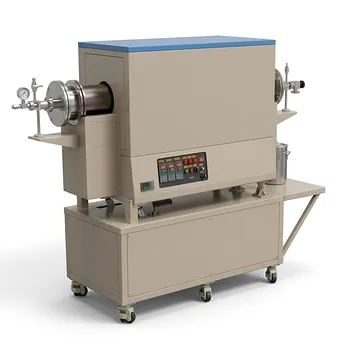
900°C Max Rotary Tube Furnace with 8 Inch 310S Alloy Tube and Optional Multi Zone Heating for Industrial Material Calcination
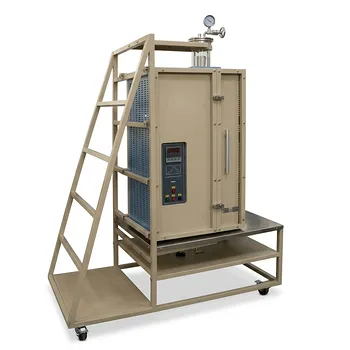
Split Vertical Tube Furnace with 1200C Quartz Tube and Stainless Steel Vacuum Flanges for Rapid Thermal Processing

High Temperature 1700C Tube Furnace with High Vacuum Turbomolecular Pump System and Multi Channel Mass Flow Controller Gas Mixer
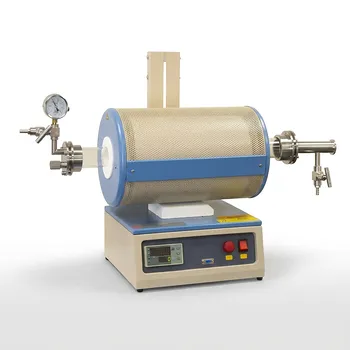
1100C Tube Furnace with Vacuum Flange and Programmable Temperature Controller for Material Science and Industrial Heat Treatment
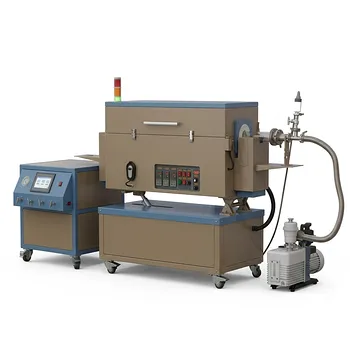
5 Inch Three Zone Rotary Tube Furnace with Integrated Gas Delivery System and 1200C Capability for Advanced Material CVD Processing
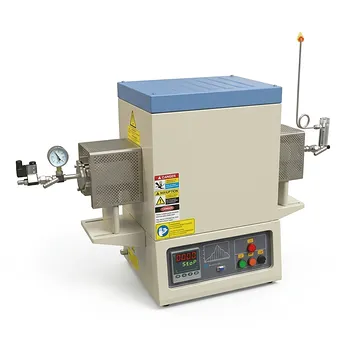
1700C Hydrogen Gas Tube Furnace with 60mm Alumina Process Tube and Integrated Hydrogen Safety Detector
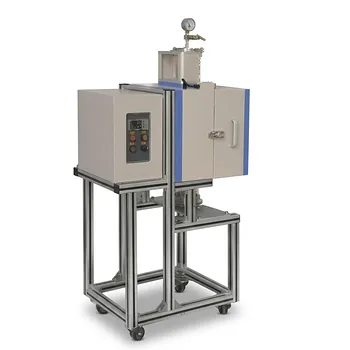
1200°C 5 Inch Vertical Quartz Tube Furnace with Stainless Steel Vacuum Flanges
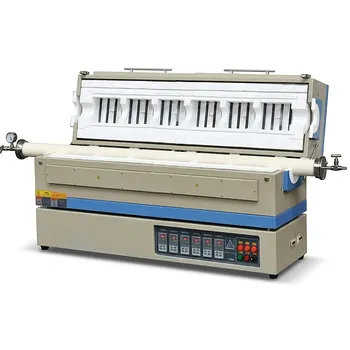
High Temperature 1700C Six Zone Split Tube Furnace with Alumina Tube and Water Cooled Flanges

Compact Vertical Split Quartz Tube Furnace with Stainless Steel Vacuum Flanges for Rapid Thermal Quenching and Controlled Atmosphere Material Processing

High Temperature 1700C Benchtop Tube Furnace with 5 Inch Heating Zone High Purity Alumina Tube and Vacuum Sealing Flanges
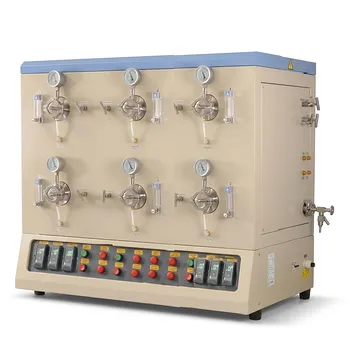
1200C High Throughput Multi Channel Tube Furnace with 50mm Quartz Tubes for Annealing and Material Phase Diagram Research
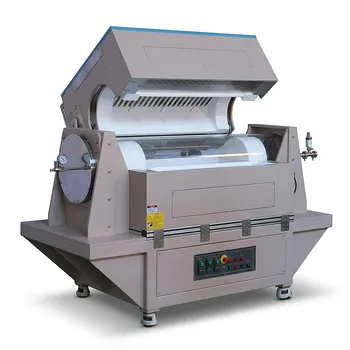
Three Zone Tube Furnace with 11 Inch or 15 Inch Quartz Tube and Hinged Flanges for Vacuum Atmosphere Heat Treatment

1800C High Temperature Compact Vacuum Tube Furnace with 60mm OD Alumina Tube and Kanthal MoSi2 Heating Elements

High Temperature 1700C Vertical Tube Furnace for Powder Spherification and Material Sintering
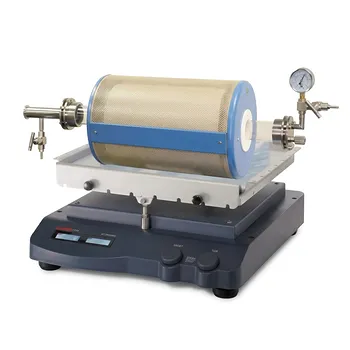
High Temperature Rocking Tube Furnace with Quartz Tube and Vacuum Flange for Materials Synthesis

High Temperature Automated 5 Inch Tube Furnace for Autonomous Material Research and Advanced Laboratory R&D
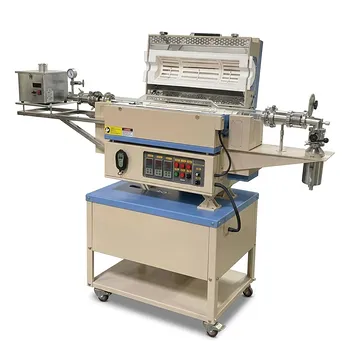
5 Inch Rotary Tube Furnace with Automatic Feeding and Receiving System 1200C Three Zone CVD Powder Processing