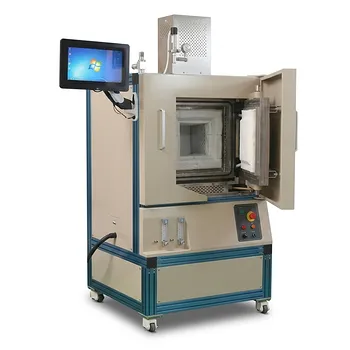
What are the technical advantages of high-temperature furnaces for biochar regeneration? Optimize Adsorbent Recovery
Updated 3 months ago
High-temperature furnaces provide a chemical-free, highly controlled environment for the complete thermal decomposition of adsorbed contaminants within biochar. By subjecting saturated biochar to temperatures typically around 800°C, these systems trigger the pyrolysis and carbonization of organic molecules trapped within the pores. This process clears physical blockages and restores the material's active sites, significantly extending the service life and sustainability of the adsorbent.
High-temperature regeneration leverages precise thermal cycles and strictly controlled anaerobic environments to vaporize or carbonize contaminants, restoring the biochar’s porosity and surface activity without the need for external chemical agents.
Mechanisms of Thermal Regeneration
Pyrolysis and Carbonization of Contaminants
High-temperature treatment at approximately 800°C causes organic dye molecules and other adsorbed pollutants to undergo pyrolysis and carbonization. Rather than simply washing away contaminants, the heat breaks them down into carbon or volatile gases, effectively "cleaning" the internal structure of the biochar.
Restoration of Pore Connectivity
As the organic matter is pyrolyzed, impurities blocking the pores are removed. This clears the pathways into the biochar’s internal matrix, partially restoring its original specific surface area and pore volume for subsequent adsorption cycles.
Reactivation of Active Sites
The thermal energy provided by the furnace helps to restore active sites within the carbon matrix. This is critical for maintaining the chemical affinity of the biochar, ensuring it remains effective for capturing new pollutants after the regeneration process is complete.
Precision Control and Reproducibility
Programmable Temperature Cycles
Industrial furnaces allow for the precise management of the pyrolysis cycle, including specific heating rates, constant temperature dwell times, and controlled cooling phases. This level of automation ensures that the regeneration process is repeatable and that product quality remains consistent across different batches.
Regulated Heating Rates
Strict regulation of heating rates—typically between 10°C/min and 20°C/min—is essential to prevent the collapse of the biochar's delicate biomass structure. Controlled heating prevents excessive "tarring" or rapid gas expansion that could destroy the microporous network.
Atmospheric Stability
High-temperature furnaces, particularly tube or atmosphere models, maintain a stable anaerobic environment. By excluding oxygen, the furnace prevents the biochar itself from combusting (turning to ash), which maximizes the recovery of fixed carbon and improves overall resource conversion rates.
Understanding the Trade-offs
Structural Degradation Risks
While heat is necessary for regeneration, excessive temperatures or prolonged residence times can lead to the collapse of the pore structure. If the temperature exceeds the material's thermal stability limits, the surface area may actually decrease due to sintering or structural shrinkage.
Ash Accumulation
Repeated thermal regeneration cycles can lead to the accumulation of inorganic ash. Unlike organic pollutants, inorganic minerals do not pyrolyze and may eventually clog pores permanently, leading to a gradual decline in adsorption capacity over multiple cycles.
Energy Consumption
The requirement for temperatures between 600°C and 900°C represents a significant energy input. For some low-value applications, the cost of the electricity or gas required for high-temperature regeneration may challenge the economic feasibility compared to simply replacing the biochar.
Applying Thermal Regeneration to Your Project
How to Choose Your Regeneration Strategy
The effectiveness of high-temperature regeneration depends on your specific material goals and the nature of the contaminants involved.
- If your primary focus is maximizing pore volume: Utilize an atmosphere furnace with secondary thermal treatment at 900°C to induce further physical activation and pore development.
- If your primary focus is structural integrity: Strictly regulate heating rates to under 15°C/min using a programmable muffle furnace to avoid the collapse of the carbon matrix.
- If your primary focus is chemical functionality: Target a lower regeneration temperature (around 400°C to 550°C) to preserve oxygen-containing functional groups like hydroxyl and carboxyl groups.
- If your primary focus is material characterization: Use the furnace to periodically measure the fixed carbon and ash content to determine when the biochar has reached the end of its useful life.
By precisely tuning the thermal environment, you can transform saturated biochar from a waste product back into a high-activity precursor ready for reuse.
Summary Table:
| Technical Feature | Mechanism of Action | Impact on Biochar |
|---|---|---|
| Thermal Pyrolysis | Decomposition of organic pollutants at ~800°C | Cleans the internal matrix of contaminants |
| Pore Restoration | Removal of physical blockages/impurities | Restores surface area and pore volume |
| Precision Control | Regulated heating rates (10-20°C/min) | Prevents structural collapse of biomass |
| Anaerobic Stability | Oxygen-free atmospheric control | Prevents combustion and maximizes fixed carbon |
| Active Site Reactivation | Thermal restoration of chemical affinity | Ensures efficiency for subsequent adsorption |
Transform Your Materials with THERMUNITS
As a leading manufacturer of high-temperature laboratory equipment for material science and industrial R&D, THERMUNITS provides the precision and reliability required for advanced processing. Whether you are regenerating saturated biochar or developing new catalysts, our comprehensive range of thermal solutions—including Atmosphere, Tube, Rotary, Muffle, and Vacuum furnaces, as well as CVD/PECVD systems, Electric Rotary Kilns, and VIM furnaces—is designed to deliver consistent, high-quality results.
Why partner with THERMUNITS?
- Precision Heating: Advanced programmable cycles and thermal elements to protect delicate pore structures.
- Versatile Atmosphere Control: Specialized systems for stable anaerobic environments to prevent material ash transformation.
- Comprehensive Expertise: Solutions ranging from dental furnaces to large-scale vacuum induction melting.
Ready to optimize your heat treatment process? Contact THERMUNITS today to discuss your specific requirements and see how our technology can drive your research forward.
References
- Oleksii Tomin, Maryam Roza Yazdani. Synthesis and efficiency comparison of reed straw-based biochar as a mesoporous adsorbent for ionic dyes removal. DOI: 10.1016/j.heliyon.2024.e24722
Mentioned Products
- High Temperature 1700C Bench Top Muffle Furnace with Alumina Fiber Insulation and 3.6L Chamber Capacity for Precision Sintering and Heat Treatment
- 1200C Five Side Heating Muffle Furnace with Sliding Door 125L Volume High Temperature Heat Treatment System for Large Scale Sintering and Annealing
- Vertical Hybrid High Temperature Furnace 1500C Alumina Tube SOFC Fuel Cell Testing Laboratory Heat Treatment Research Equipment
- 1650C High Temperature Atmosphere Controlled Box Furnace with 65L Chamber for Advanced Material Sintering and Industrial Heat Treatment
- 1750C Bench Top Muffle Furnace 3.6L High Grade Molybdenum Disilicide Heating Elements Laboratory Heat Treatment Equipment
People Also Ask
- What role does a high-temperature muffle furnace play in evaluating the mineral composition of rock samples? LOI & XRF Guide
- What is the function of a high-temperature muffle furnace in phosphorus-modified zeolite catalyst preparation?
- What is the function of a high-temp muffle furnace in Ni-V oxide synthesis? Optimize your material's performance.
- What is the purpose of using muffle or tube furnaces in glass synthesis? Achieve Precise Melt-Quenching & Homogeneity
- What is the function of a muffle furnace in aluminoborosilicate glass prep? Stabilize Raw Materials for Superior Purity

Tech Team · ThermUnits
Last updated on Jun 03, 2026
Related Products
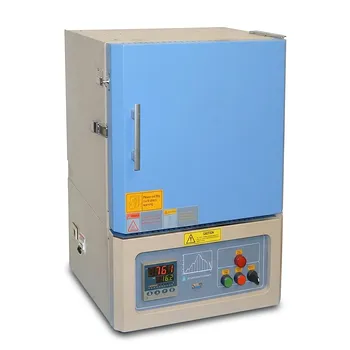
High Temperature 1700C Bench Top Muffle Furnace with Alumina Fiber Insulation and 3.6L Chamber Capacity for Precision Sintering and Heat Treatment
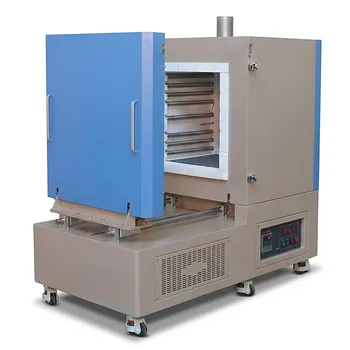
1200C Five Side Heating Muffle Furnace with Sliding Door 125L Volume High Temperature Heat Treatment System for Large Scale Sintering and Annealing
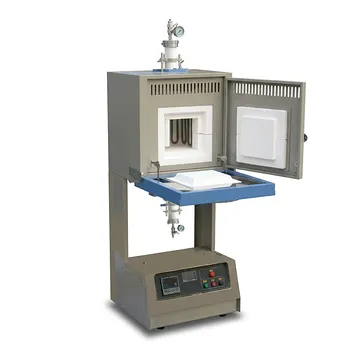
Vertical Hybrid High Temperature Furnace 1500C Alumina Tube SOFC Fuel Cell Testing Laboratory Heat Treatment Research Equipment
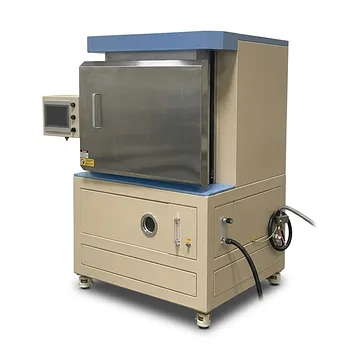
1650C High Temperature Atmosphere Controlled Box Furnace with 65L Chamber for Advanced Material Sintering and Industrial Heat Treatment
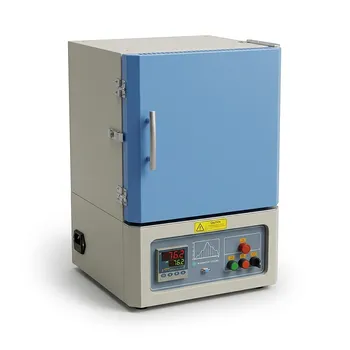
1750C Bench Top Muffle Furnace 3.6L High Grade Molybdenum Disilicide Heating Elements Laboratory Heat Treatment Equipment
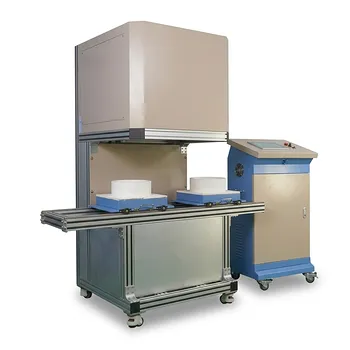
High Temperature Bottom Loading Vertical Furnace 1700C Dual Stage Sample Processing System 18L Large Capacity Thermal Treatment Equipment
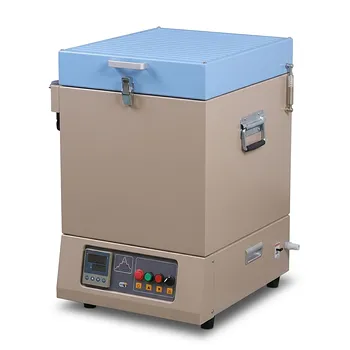
High Temperature Vertical Crucible Furnace with 22L Heating Chamber and 1200C Maximum Temperature

High Temperature Tube Furnace 1500C with Sliding Flanges and 50mm OD for Rapid Thermal Processing Fast Heating and Cooling
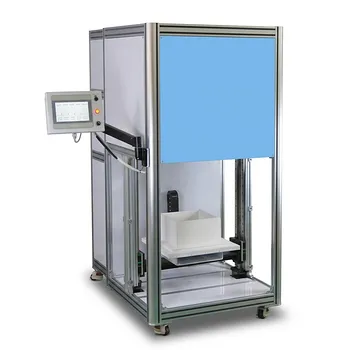
High Temperature 1600°C Three Zone Heated Bottom Loading Box Furnace with Rapid Thermal Processing Chamber 72L Volume
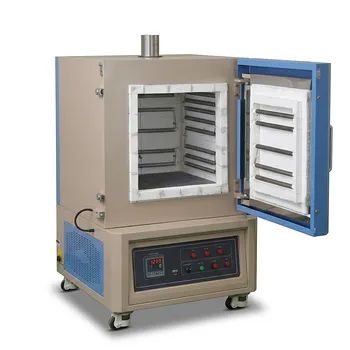
1200C High Temperature 125L Muffle Furnace 5 Side Heating for Large Batch Sintering with Optional Alloy Debinding Chamber
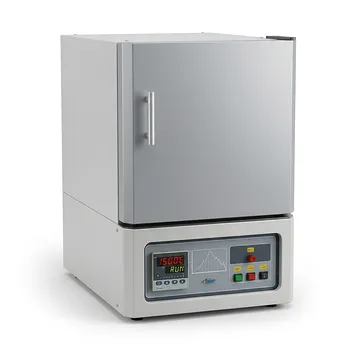
High Temperature 1500C Benchtop Muffle Furnace 3.6L Alumina Fiber Chamber Programmable Controller Sintering Annealing Carbonization Thermal Processing System
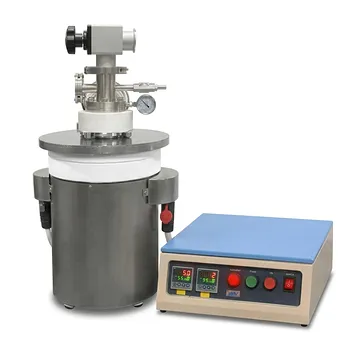
1100C High Temperature Vacuum Crucible Furnace with Quartz Chamber for Thermal Processing and Sintering
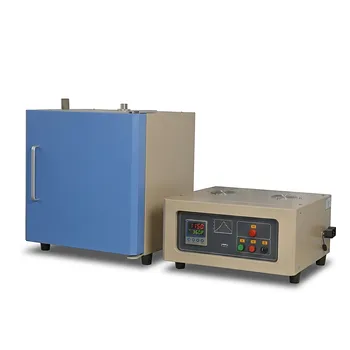
High Temperature Muffle Furnace with Alloy Chamber for Debinding and Sintering Applications
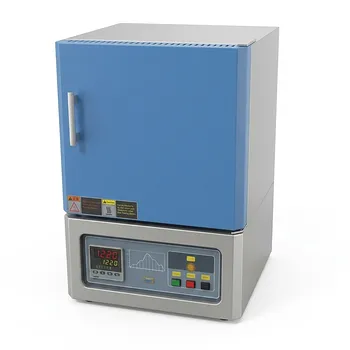
High Temperature Benchtop Muffle Furnace 1700C 10L Chamber Alumina Fiber Insulation MoSi2 Heating Elements
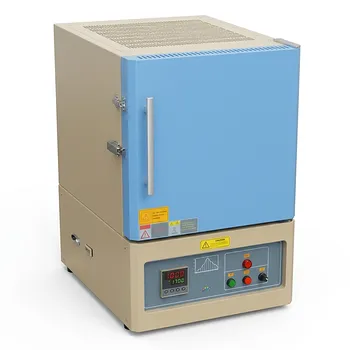
Large Bench Top 1700C High Temperature Muffle Furnace with 19L Chamber for Advanced Material Sintering and Annealing

High Temperature 1700C Tube Furnace with High Vacuum Turbomolecular Pump System and Multi Channel Mass Flow Controller Gas Mixer
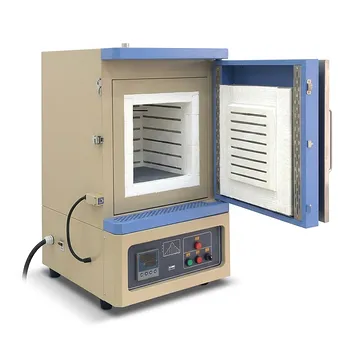
Five Side Heating Muffle Furnace High Purity Alumina Fiber 27L Chamber 1200C High Temperature Thermal Processing System for Sintering Annealing and Materials Research
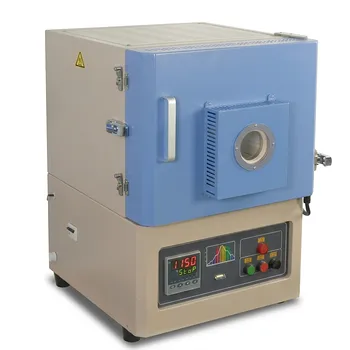
High Temperature Benchtop Muffle Furnace with Quartz Observation Window for Thermal Imaging and Material Analysis
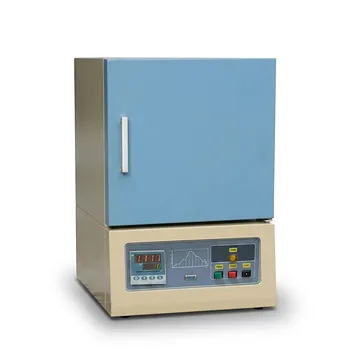
Ultra High Temperature Bench Top Muffle Furnace 1750C Sintering System with Kanthal Super Heating Elements and Precision Digital Control