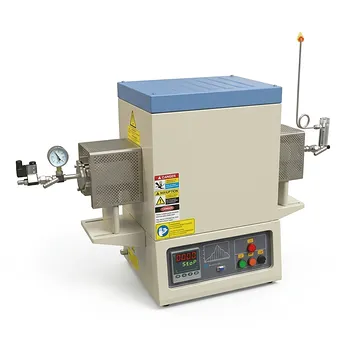
What are the technical advantages of using a horizontal tube furnace with SiC heating for oxidative roasting of sulfides?
Updated 3 months ago
Horizontal tube furnaces equipped with Silicon Carbide (SiC) heating elements offer a specialized environment for the oxidative roasting of metal sulfides by providing high-temperature stability between 900°C and 1100°C. This specific configuration ensures a highly uniform thermal field and precise control over atmospheric conditions within a sealed reaction chamber. By preventing air infiltration and allowing for exact gas composition, these furnaces facilitate the efficient oxidative decomposition of minerals like pyrite while maintaining the structural integrity of the equipment in harsh oxidative environments.
The core advantage of this system lies in its ability to provide a stable, high-purity thermodynamic environment that ensures consistent gas-solid reactions. The combination of SiC’s oxidation resistance and the horizontal tube’s sealing capabilities translates to superior process repeatability and long-term hardware durability.
Precision Thermal Performance
Optimized Temperature Range for Oxidative Roasting
Oxidative roasting of metal sulfides, such as pyrite, requires consistent temperatures typically ranging from 900°C to 1100°C. The SiC heating elements are ideally suited for this, as they remain stable and perform efficiently up to 1450°C.
High Power Density and Rapid Heating
SiC heaters provide a high power density, allowing the furnace to reach operational roasting temperatures quickly. This rapid response time enables researchers to maintain a consistent thermodynamic environment, which is vital for studying the kinetics of oxidative decomposition.
Superior Thermal Field Uniformity
The horizontal configuration of the tube furnace ensures that the thermal field remains uniform throughout the heating zone. This uniformity is critical for Ni-Zn-B catalytic processes and ensures that mineral samples are heated evenly, preventing localized under-heating or over-heating.
Atmospheric Control and Sealing
Prevention of Air Infiltration
The use of a sealed quartz tube chamber is a fundamental technical advantage for roasting. It effectively prevents unintended air infiltration, allowing the operator to define the exact oxygen concentration required for the oxidation of sulfides.
Precise Gas-Solid Reaction Environments
A horizontal tube furnace supports the continuous introduction of specific gases, which is superior to standard box furnaces. This controlled atmosphere allows for the precise management of the reaction environment, whether the goal is oxidative roasting or preventing the re-oxidation of generated metallic vapors.
Support for High-Purity Outcomes
Because the reaction occurs within a sealed environment, the risk of contamination from external sources is minimized. This is essential for producing high-purity oxides or nano-sized metal particles that serve as precursors for further technological applications like carbon nanotube nucleation.
Understanding the Trade-offs and Limitations
Brittleness and Thermal Shock
While SiC elements are thermally robust, they are inherently brittle compared to metallic heaters. Rapid, extreme temperature fluctuations can cause physical cracking, requiring careful ramping protocols to ensure element longevity.
Electrical Resistance "Aging"
SiC heaters undergo a process known as aging, where their electrical resistance increases gradually over time through use in oxidative environments. This requires a power supply with voltage flexibility to compensate for the resistance change and maintain consistent heating performance.
Material Compatibility of the Tube
The choice of tube material (e.g., quartz or alumina) involves a trade-off between thermal shock resistance and chemical reactivity. While quartz is excellent for purity and seal integrity, it may have a lower maximum operating temperature than alumina in some specialized high-temperature applications.
How to Optimize for Your Roasting Goal
Making the Right Choice for Your Goal
To achieve the best results with a horizontal tube furnace during metal sulfide roasting, consider your primary objective:
- If your primary focus is consistent mineral decomposition: Prioritize the use of a furnace with a multi-zone heating configuration to maximize the length of the uniform temperature zone.
- If your primary focus is hardware longevity in oxidative environments: Utilize SiC heating elements specifically designed for oxidation resistance and implement a controlled heating ramp to prevent thermal stress.
- If your primary focus is high-purity reaction analysis: Select a high-quality quartz tube and double-check atmospheric seals to prevent any infiltration of ambient air or moisture.
By leveraging the high power density of SiC heaters and the atmospheric isolation of the horizontal tube, you can achieve a highly controlled and repeatable roasting process.
Summary Table:
| Feature | Technical Advantage | Impact on Roasting Process |
|---|---|---|
| SiC Heating Elements | High power density & stability up to 1450°C | Rapid heating and stable roasted environment (900-1100°C). |
| Horizontal Tube Design | Highly uniform thermal field | Ensures consistent gas-solid reactions and even mineral heating. |
| Sealed Quartz Chamber | Total atmospheric isolation | Prevents air infiltration; allows exact oxygen concentration control. |
| Chemical Resistance | High oxidation resistance of SiC | Long-term hardware durability in harsh oxidative environments. |
| Precise Gas Control | Continuous introduction of specific gases | Supports high-purity outcomes and prevents unwanted re-oxidation. |
Optimize Your Thermal Processing with THERMUNITS
Are you looking to enhance the precision of your oxidative roasting or material synthesis? THERMUNITS is a leading manufacturer of high-performance laboratory equipment tailored for material science and industrial R&D.
We provide a comprehensive range of thermal solutions designed to meet the most rigorous scientific standards, including:
- Furnaces: Muffle, Vacuum, Atmosphere, Tube (Horizontal & Vertical), Rotary, and Hot Press.
- Advanced Systems: CVD/PECVD systems, Vacuum Induction Melting (VIM), and Dental Furnaces.
- Specialized Components: Electric rotary kilns, premium Thermal Elements, and custom heat treatment setups.
Why choose THERMUNITS? Our equipment ensures superior temperature uniformity, advanced atmospheric control, and long-lasting durability—allowing you to focus on achieving repeatable, high-purity results.
Contact our technical experts today to find the perfect furnace configuration for your laboratory needs!
References
- Erdenebold Urtnasan, Jei‐Pil Wang. Correlation between Thermodynamic Studies and Experimental Process for Roasting Cobalt-Bearing Pyrite. DOI: 10.3390/met14070777
Mentioned Products
- Multi Position Tube Furnace 1100C for Laboratory Material Research and Advanced Industrial Thermal Processing
- 1200°C 10-Zone Split Tube Furnace with Horizontal and Vertical Mounting for Multi-Zone Thermal Gradients and Large Diameter Material Processing
- Ten Zone Multi Orientation Laboratory Tube Furnace for 1200C High Temperature Gradient Thermal Processing
- Vertical 1700C Vacuum and Atmosphere Tube Furnace with 80mm Alumina Tube
- Split Vertical Tube Furnace with 1200C Quartz Tube and Stainless Steel Vacuum Flanges for Rapid Thermal Processing
People Also Ask
- Why use a tube furnace for oxygen annealing LaCrO3/LaMnO3? Optimize Phase Transition & Magnetic Performance.
- What key role does a laboratory high-temperature tube furnace play in the production of carbon nanofibers? Guide
- How is a laboratory high-temperature tube furnace utilized to research the products of aluminothermic reduction? Advanced Metallurgical Solutions
- What is the role of a laboratory tube furnace in the carbonization process of porous carbon foam (PCF)? Master 3D Synthesis
- What role does a laboratory tube furnace play in the pyrolysis and carbonization of biomass? Optimize Thermal Research.

Tech Team · ThermUnits
Last updated on Jun 02, 2026
Related Products
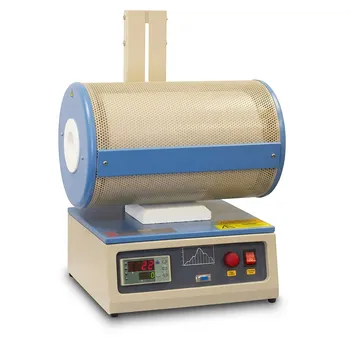
Multi Position Tube Furnace 1100C for Laboratory Material Research and Advanced Industrial Thermal Processing
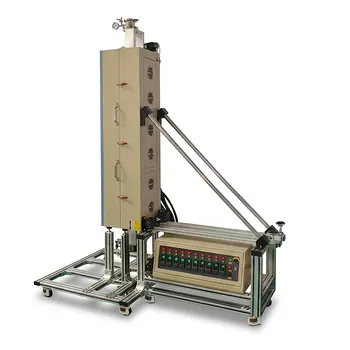
1200°C 10-Zone Split Tube Furnace with Horizontal and Vertical Mounting for Multi-Zone Thermal Gradients and Large Diameter Material Processing
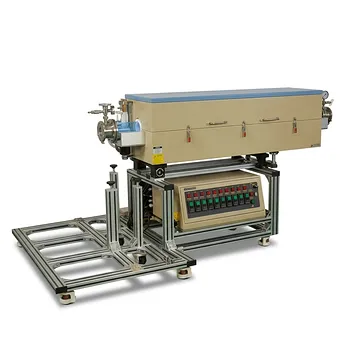
Ten Zone Multi Orientation Laboratory Tube Furnace for 1200C High Temperature Gradient Thermal Processing

Vertical 1700C Vacuum and Atmosphere Tube Furnace with 80mm Alumina Tube
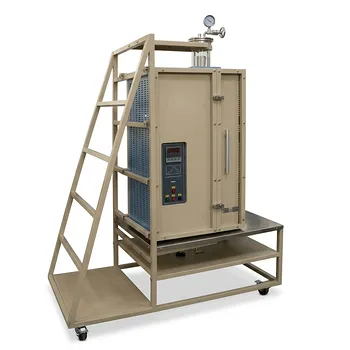
Split Vertical Tube Furnace with 1200C Quartz Tube and Stainless Steel Vacuum Flanges for Rapid Thermal Processing

High Temperature 1700C Vertical Tube Furnace for Powder Spherification and Material Sintering
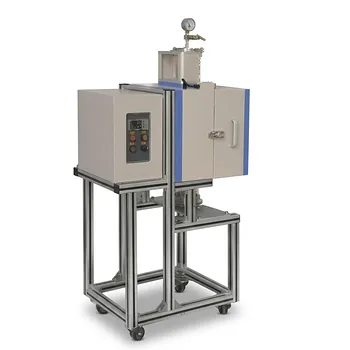
1200°C 5 Inch Vertical Quartz Tube Furnace with Stainless Steel Vacuum Flanges
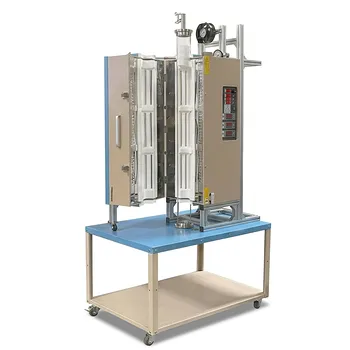
1200C Three Zone Split Vertical Tube Furnace 4 Inch Quartz Tube Stainless Steel Vacuum Flanges
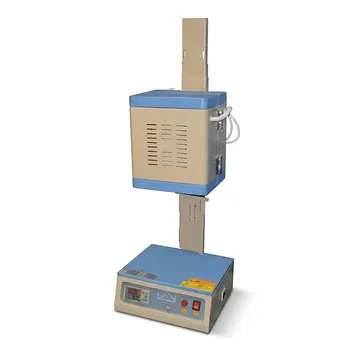
High Temperature Vertical Split Tube Furnace with PID Temperature Controller for 1 and 2 Inch Processing Tubes
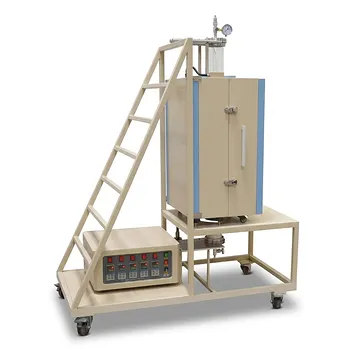
Five Zone Split Vertical Tube Furnace 1200C Max with 4 Inch Quartz Tube and Stainless Steel Vacuum Flanges
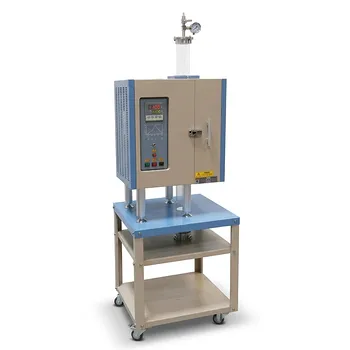
1100°C Split Vertical Tube Furnace with 80mm Quartz Tube and Stainless Steel Vacuum Flanges

Compact Vertical Split Quartz Tube Furnace with Stainless Steel Vacuum Flanges for Rapid Thermal Quenching and Controlled Atmosphere Material Processing

High Temperature 1700C Six Zone Split Tube Furnace with Alumina Tube and Water Cooled Flanges
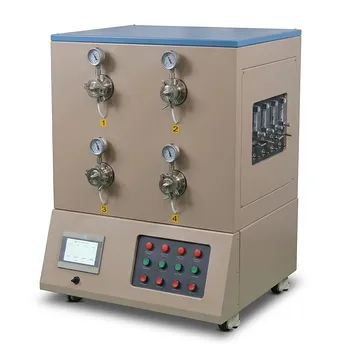
High Throughput 1200C Four Channel Tube Furnace with 3 Inch Quartz Tubes for Multi Zone Annealing and Material Research
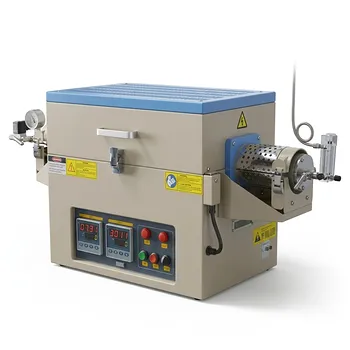
1100C Dual Zone Hydrogen Gas Tube Furnace with Quartz Tube and Integrated H2 Leak Detection System
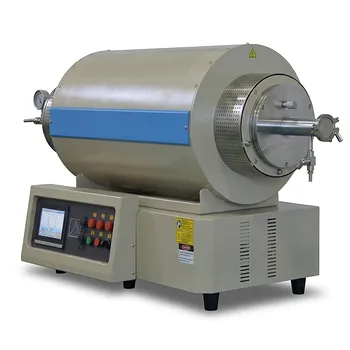
1200C Max Three Zone Tube Furnace 6 Inch OD Max with Tube and Flange

1200C High Throughput Multi Channel Tube Furnace with 50mm Quartz Tubes for Annealing and Material Phase Diagram Research
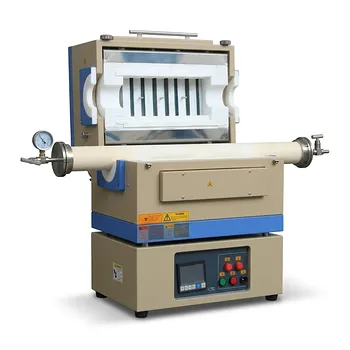
1500C Eight Zone Split Tube Furnace for Thermal Gradient Processing and Advanced Material Research

1100C Tube Furnace with Vacuum Flange and Programmable Temperature Controller for Material Science and Industrial Heat Treatment