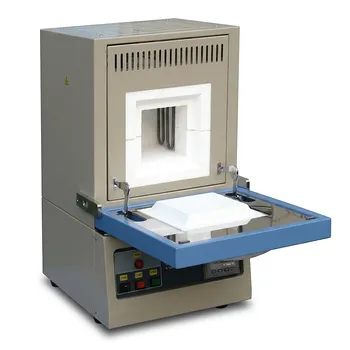
What are the technical advantages of using high-purity alumina furnace tubes for Galena sintering? Ensure Purity
Updated 3 months ago
High-purity alumina furnace tubes provide a chemically inert and hermetically sealed environment essential for Galena (PbS) sintering. At temperatures up to 800°C, these tubes prevent reactions with sulfur-containing volatile gases, protecting the heating elements from corrosive degradation and ensuring sample purity. Additionally, their superior airtightness enables the maintenance of a stable vacuum, which is critical for precise thermodynamic control during the process.
Core Takeaway: High-purity alumina acts as a critical barrier that maintains chemical and atmospheric purity during Galena processing. By resisting sulfur-induced corrosion and providing a robust vacuum seal, it ensures repeatable experimental results and extends the lifespan of the furnace hardware.
Chemical Inertness in Corrosive Environments
Resistance to Sulfur Volatilization
During the sintering of Galena, sulfur-containing volatile gases are frequently released as the temperature approaches 800°C. High-purity alumina (Al2O3) is uniquely qualified for this environment because it does not react with these aggressive gases.
Protection of Heating Elements
The inert nature of the alumina tube serves as a protective shield for the furnace's internal heating elements. By preventing sulfur gases from reaching these components, the tube mitigates the risk of corrosive failure and significantly extends the operational life of the furnace.
Prevention of Sample Contamination
Maintaining the chemical integrity of the Galena sample is paramount for accurate research and production. Alumina ensures that no impurities from the tube material leach into the sample, preserving the phase composition and intended properties of the sintered material.
Structural Integrity and Vacuum Stability
Superior Airtightness for Vacuum Control
Galena sintering often requires a stable vacuum to prevent oxidation or to control vapor pressure. High-purity alumina tubes possess superior airtightness, which allows for the maintenance of a consistent vacuum environment throughout the thermal cycle.
High-Temperature Mechanical Stability
While Galena is typically sintered at 800°C, high-purity alumina remains structurally sound at much higher temperatures, often exceeding 1400°C. This provides a significant safety margin, ensuring the tube does not sag or deform under the mechanical stresses of the vacuum or sample weight.
Thermal Shock Resistance
Advanced alumina formulations are engineered to withstand rapid heating and cooling cycles. This resistance to thermal shock is vital for maintaining the tube’s integrity during quenching processes or rapid microstructural transformation studies.
Precision Atmosphere Management
Controlled Gas Flow Dynamics
The geometry and material density of alumina tubes support precise gas flow control systems. This is essential for researchers who need to introduce specific inert gases to manage the kinetics of the sintering process or to flush out reactive byproducts.
Elimination of Intergranular Pores
In high-vacuum configurations, these tubes help eliminate intergranular pores within the sample. This results in a final product with high density and a very low microscopic defect rate, which is often a primary goal in advanced ceramics and metallurgy.
Understanding the Trade-offs
Brittleness and Handling Risks
Despite its high-temperature strength, alumina is a ceramic and is inherently brittle. It is susceptible to mechanical impact and must be handled with extreme care to avoid hairline fractures that could compromise vacuum integrity.
Cost vs. Performance
High-purity alumina (typically 99.5% or higher) is more expensive than lower-grade ceramics or quartz. However, for Galena sintering, the long-term savings gained from protecting the heating elements and ensuring sample purity usually outweigh the initial capital expenditure.
Thermal Gradient Sensitivity
While alumina handles uniform heat well, extreme temperature gradients across the length of the tube can induce stress. Proper furnace design and insulation are required to ensure the tube is heated evenly to prevent longitudinal cracking.
How to Apply This to Your Project
Recommendations for Implementation
- If your primary focus is sample purity: Use at least 99.5% high-purity alumina to ensure zero chemical interaction between the tube and the sulfurous vapors.
- If your primary focus is vacuum stability: Ensure the tube ends are polished and used with high-quality vacuum flanges to leverage the material's superior airtightness.
- If your primary focus is equipment longevity: Prioritize alumina over quartz or metallic tubes to prevent sulfur-induced corrosion of the furnace’s internal wiring and heating modules.
- If your primary focus is rapid cycling: Verify the thermal shock rating of the specific alumina grade to ensure it can withstand your required heating and quenching rates without cracking.
By matching the purity and density of the alumina tube to the specific volatility of your Galena samples, you ensure a stable, repeatable, and cost-effective sintering process.
Summary Table:
| Feature | Advantage for Galena Sintering | Impact on Performance |
|---|---|---|
| Chemical Inertness | Resists sulfur-containing volatile gases | Prevents sample contamination and corrosion |
| Airtightness | Maintains high-vacuum environments | Ensures stable thermodynamics and oxidation control |
| Thermal Stability | Operates safely up to 1400°C+ | Prevents tube sagging or deformation at 800°C |
| Corrosion Shield | Protects internal heating elements | Extends furnace lifespan and reduces maintenance |
Elevate Your Research with Precision Thermal Solutions
Maximize the reliability of your material science experiments with THERMUNITS, a premier manufacturer of high-temperature laboratory equipment. Our high-purity alumina components and advanced furnace systems are engineered to withstand the most corrosive environments, like Galena sintering.
Why partner with THERMUNITS?
- Comprehensive Range: We offer everything from Tube, Muffle, and Vacuum furnaces to advanced CVD/PECVD systems and Hot Press furnaces.
- Expert Engineering: Specialized solutions for industrial R&D, including vacuum induction melting (VIM) and rotary kilns.
- Uncompromising Quality: Our thermal elements and high-purity ceramic tubes ensure repeatability and protect your hardware investment.
Ready to optimize your lab’s efficiency? Contact our technical experts today to discuss the perfect configuration for your specific heat treatment needs!
References
- Bety Al-Saqarat, Ehab AlShamaileh. Study of Galena Ore Powder Sintering and Its Microstructure. DOI: 10.3390/met14040439
Mentioned Products
- Compact High Temperature 1600C Tube Furnace with 50mm Alumina Tube and Vacuum Flanges for Material Sintering
- High Temperature 1700C Benchtop Tube Furnace with 5 Inch Heating Zone High Purity Alumina Tube and Vacuum Sealing Flanges
- 1700C Compact Hybrid Furnace with Dual Layer Box Sintering and Controlled Atmosphere Alumina Tubes
- 1700C High Temperature Alumina Tube Furnace with 18 Inch Heated Zone and Vacuum Sealing Flanges
- Hybrid High Temperature Tube and Box Furnace 1700C with 2 Inch Alumina Tube for Material Research
People Also Ask
- What is the role of a high-temperature tube furnace in the calcination process of ZnO/In2O3 nanocomposites?
- Why is a high-temperature tube furnace required for CuAlO2 heat treatment? Master Phase Transformation Today
- Function of tube furnaces in cellulose aerogel carbonization? Achieve High-Performance Materials
- What role does a high-temperature tube furnace play in the carbonization? Mastering Precision Carbon Synthesis
- What role does a high-temperature tube furnace play in executing nitrogen absorption kinetic experiments? Expert Insights

Tech Team · ThermUnits
Last updated on Jun 02, 2026
Related Products

Compact High Temperature 1600C Tube Furnace with 50mm Alumina Tube and Vacuum Flanges for Material Sintering

High Temperature 1700C Benchtop Tube Furnace with 5 Inch Heating Zone High Purity Alumina Tube and Vacuum Sealing Flanges
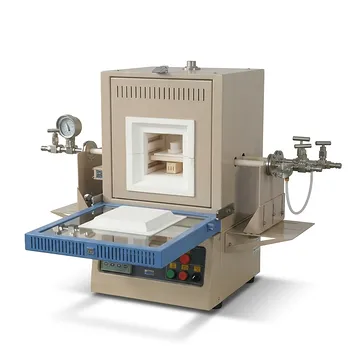
1700C Compact Hybrid Furnace with Dual Layer Box Sintering and Controlled Atmosphere Alumina Tubes
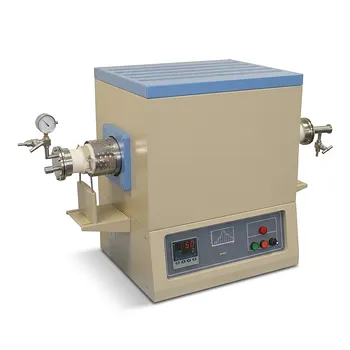
1700C High Temperature Alumina Tube Furnace with 18 Inch Heated Zone and Vacuum Sealing Flanges
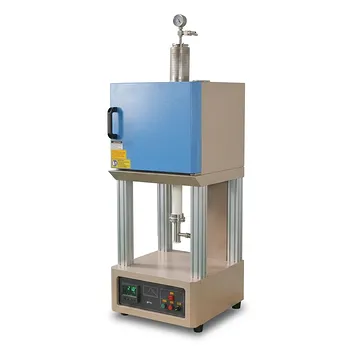
Hybrid High Temperature Tube and Box Furnace 1700C with 2 Inch Alumina Tube for Material Research
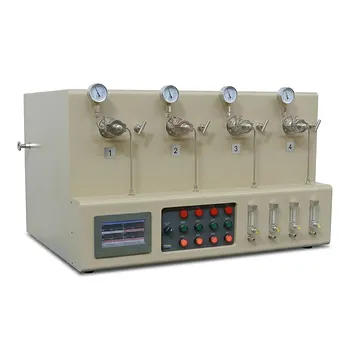
High Temperature 1700C 4 Channel Tube Furnace 1 Inch Alumina Tube for Hi-Throughput Annealing
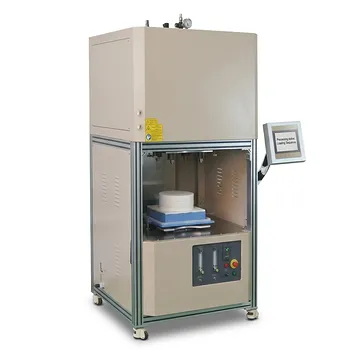
High Temperature Vertical Atmosphere Controlled Furnace with Automatic Bottom Loading and 1700°C Capacity for Advanced Material Research

High Temperature 1700C Vertical Tube Furnace for Powder Spherification and Material Sintering
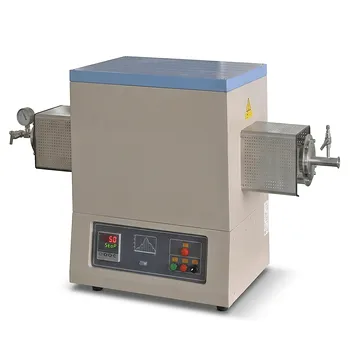
High Temperature 1700C Tube Furnace with 4 Inch OD Alumina Tube and Vacuum Sealing Flanges
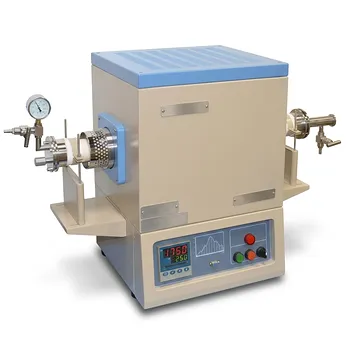
High Temperature Compact Vacuum Tube Furnace 1750C Max 60mm OD Alumina Tube
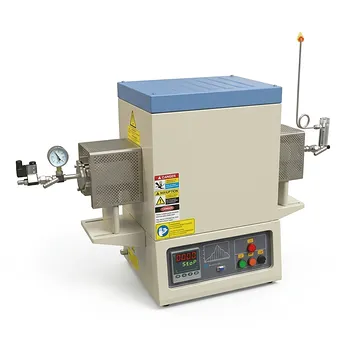
1700C Hydrogen Gas Tube Furnace with 60mm Alumina Process Tube and Integrated Hydrogen Safety Detector
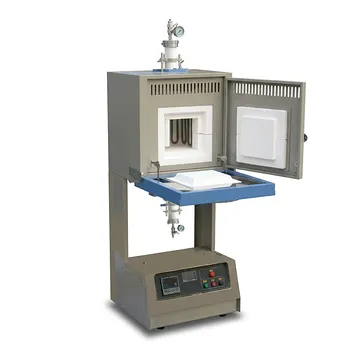
Vertical Hybrid High Temperature Furnace 1500C Alumina Tube SOFC Fuel Cell Testing Laboratory Heat Treatment Research Equipment

Vertical 1700C Vacuum and Atmosphere Tube Furnace with 80mm Alumina Tube

1800C High Temperature Compact Vacuum Tube Furnace with 60mm OD Alumina Tube and Kanthal MoSi2 Heating Elements
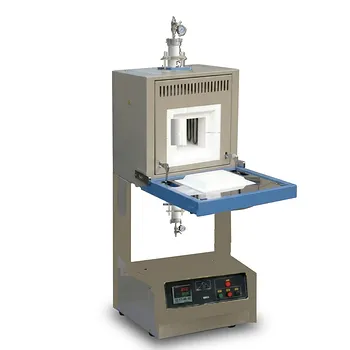
High Temperature Vertical Hybrid Furnace with Alumina Tube and SiC Heating for SOFC Coin Cell Testing and Atmosphere Processing
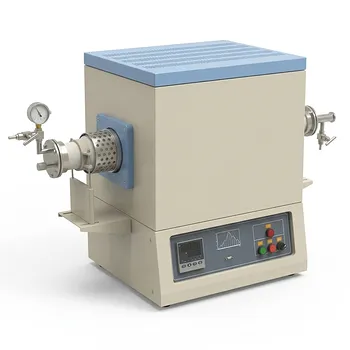
1750°C High Temperature Benchtop Vacuum Atmosphere Tube Furnace with Kanthal Super 1800 Heating Elements and 60mm Alumina Processing Tube
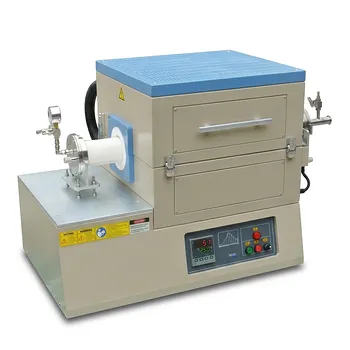
High Temperature 1700C Split Tube Furnace with Vacuum Flanges Valves and 60mm Alumina Tube
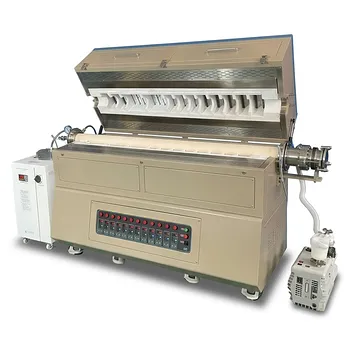
Twelve Zone 1700°C Multi Zone Split Tube Furnace with 100mm Alumina Processing Tube and Independent Temperature Gradient Control
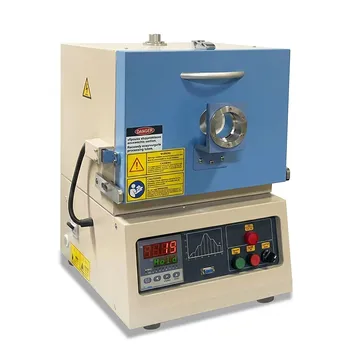
High Temperature Hybrid Muffle and Tube Furnace 1700C Programmable PID Controlled Box System with Vacuum Flange and Alumina Processing Tube