What core process conditions does a horizontal tube furnace provide for sulfuric acid residue chlorination roasting?
Updated 3 months ago
Horizontal tube furnaces provide a high-precision thermodynamic environment essential for simulating industrial-scale chlorination roasting of sulfuric acid residue. They offer controllable heating curves and specific air atmospheres that accurately replicate the dual-stage temperature zones required for chemical conversion: a preheating phase (typically 950°C) and a roasting phase (typically 1220°C). These conditions ensure the full decomposition of additives like Calcium Chloride and the subsequent reaction with harmful metals, while simultaneously promoting the recrystallization of hematite within the pellets.
The core process conditions of a horizontal tube furnace allow researchers to bridge the gap between laboratory theory and industrial application by providing the thermal precision and atmospheric control necessary for complex chemical transformations.
Simulating Industrial Thermal Profiles
Dual-Zone Temperature Replication
A horizontal tube furnace is capable of simulating the distinct thermal stages found in industrial kilns, specifically the preheating and roasting zones. By maintaining a stable 950°C environment for preheating and ramping to 1220°C for roasting, the furnace ensures the pellets experience the exact thermal history needed for success.
Precision Heating Curves
The furnace utilizes programmable controllers to define controllable heating curves. This precision prevents thermal shock to the pellets and allows researchers to study how the rate of temperature increase affects the kinetics of metal chlorination.
Atmospheric and Chemical Control
Specific Reaction Atmospheres
The furnace provides a sealed environment to maintain specific air atmospheres required for the roasting process. This control is vital for ensuring that oxygen levels or inert gas concentrations (such as nitrogen or argon) remain constant, preventing unintended oxidation or side reactions.
Facilitating Chemical Decomposition
High-temperature stability is critical for the full decomposition of Calcium Chloride. This process allows chlorine to react with harmful impurities, effectively removing them from the residue while the furnace maintains the necessary temperature to keep these reactions active.
Material Transformation and Consolidation
Promoting Hematite Recrystallization
Beyond chemical extraction, the furnace provides the intense heat required for the recrystallization and consolidation of hematite. This transformation is essential for the physical integrity of the pellets, turning loose residue into a stable, usable product.
Managing Reaction Residence Time
The design of the horizontal tube allows for precise control over how long the material stays at peak temperature. This residence time is the deciding factor in whether the chemical reactions reach completion and whether the pellet structure achieves the desired density.
Understanding the Trade-offs
Static vs. Dynamic Limitations
While a tube furnace provides excellent thermal precision, it is a static environment. Unlike industrial rotary kilns, the pellets in a tube furnace do not tumble, which can lead to slight temperature or gas-flow gradients across the sample bed.
Atmospheric Purity vs. Flow Rate
Maintaining a strictly controlled atmosphere requires a balance between gas flow rate and seal integrity. High flow rates might cool the sample prematurely, while low flow rates might allow reaction byproducts to linger, potentially skewing the results of the chlorination study.
How to Apply This to Your Research
Recommendations Based on Your Project Goals
- If your primary focus is industrial scalability: Prioritize the replication of the 1220°C roasting zone to ensure the pellet strength and metal removal rates match commercial expectations.
- If your primary focus is chemical kinetics: Use the furnace’s programmable heating curves to isolate the exact temperature at which Calcium Chloride begins to interact with specific harmful metals.
- If your primary focus is material purity: Utilize the sealed flange system to introduce high-purity inert gases, ensuring that no outside contaminants interfere with the thermochemical conversion.
By mastering these process conditions, you can transform raw sulfuric acid residue into a high-quality, purified hematite product through rigorous and repeatable experimentation.
Summary Table:
| Process Stage | Target Condition | Key Outcome/Purpose |
|---|---|---|
| Preheating | 950°C | Initiates thermal history & stability |
| Roasting | 1220°C | Promotes hematite recrystallization |
| Atmosphere | Specific Air/Inert | Prevents unintended oxidation |
| Decomposition | High Stability | Ensures full CaCl2 reaction |
| Residence | Programmable Time | Determines metal removal & density |
Optimize Your Material Research with THERMUNITS
Bridge the gap between laboratory theory and industrial-scale success with THERMUNITS, a leading manufacturer of high-temperature laboratory equipment. Our precision horizontal tube furnaces provide the exact thermal profiles and atmospheric stability required for complex processes like sulfuric acid residue roasting.
Whether you are focused on material science or industrial R&D, we offer a comprehensive range of thermal solutions including:
- Furnaces: Muffle, Vacuum, Atmosphere, Tube, Rotary, and Hot Press.
- Advanced Systems: CVD/PECVD, Dental Furnaces, and Vacuum Induction Melting (VIM).
- Industrial Kilns: Electric rotary kilns and specialized heat treatment equipment.
Ready to achieve superior results? Contact our engineering team today to find the perfect thermal processing solution for your laboratory.
References
- Wei Liu, Siwei Li. Preparation of Oxidized Pellets from Sulfuric Acid Residue Containing Zinc and Lead by Chlorination Roasting and Its Mechanism of Dezincing and Lead Removal. DOI: 10.3390/min14080780
Mentioned Products
- Multi Position Tube Furnace 1100C for Laboratory Material Research and Advanced Industrial Thermal Processing
- 1200°C 10-Zone Split Tube Furnace with Horizontal and Vertical Mounting for Multi-Zone Thermal Gradients and Large Diameter Material Processing
- Ten Zone Multi Orientation Laboratory Tube Furnace for 1200C High Temperature Gradient Thermal Processing
- Split Vertical Tube Furnace with 1200C Quartz Tube and Stainless Steel Vacuum Flanges for Rapid Thermal Processing
- High Temperature 1700C Vertical Tube Furnace for Powder Spherification and Material Sintering
People Also Ask
- Why use a tube furnace for oxygen annealing LaCrO3/LaMnO3? Optimize Phase Transition & Magnetic Performance.
- What key role does a laboratory high-temperature tube furnace play in the production of carbon nanofibers? Guide
- How is a laboratory high-temperature tube furnace utilized to research the products of aluminothermic reduction? Advanced Metallurgical Solutions
- What is the role of a laboratory tube furnace in the carbonization process of porous carbon foam (PCF)? Master 3D Synthesis
- What role does a laboratory tube furnace play in the pyrolysis and carbonization of biomass? Optimize Thermal Research.

Tech Team · ThermUnits
Last updated on Jun 03, 2026
Related Products
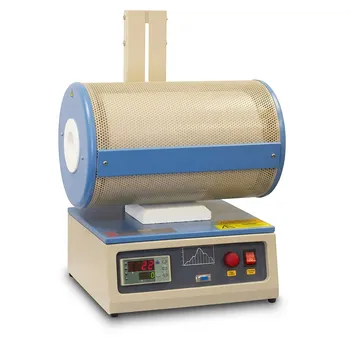
Multi Position Tube Furnace 1100C for Laboratory Material Research and Advanced Industrial Thermal Processing
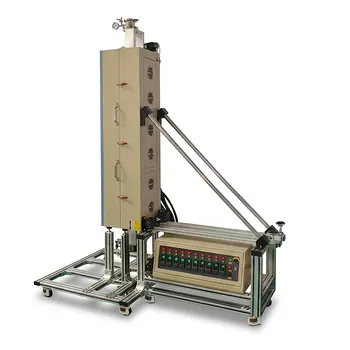
1200°C 10-Zone Split Tube Furnace with Horizontal and Vertical Mounting for Multi-Zone Thermal Gradients and Large Diameter Material Processing
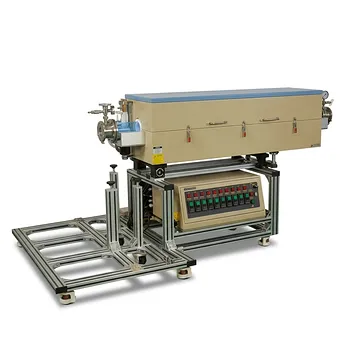
Ten Zone Multi Orientation Laboratory Tube Furnace for 1200C High Temperature Gradient Thermal Processing
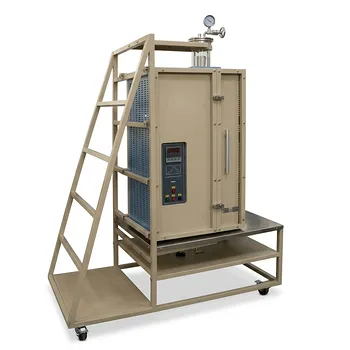
Split Vertical Tube Furnace with 1200C Quartz Tube and Stainless Steel Vacuum Flanges for Rapid Thermal Processing

High Temperature 1700C Vertical Tube Furnace for Powder Spherification and Material Sintering

Vertical 1700C Vacuum and Atmosphere Tube Furnace with 80mm Alumina Tube

1200°C 5 Inch Vertical Quartz Tube Furnace with Stainless Steel Vacuum Flanges
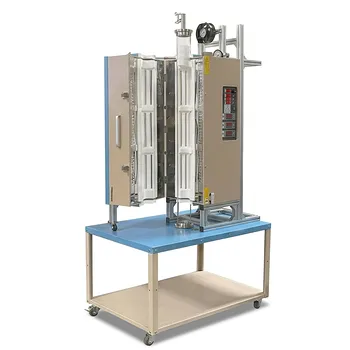
1200C Three Zone Split Vertical Tube Furnace 4 Inch Quartz Tube Stainless Steel Vacuum Flanges
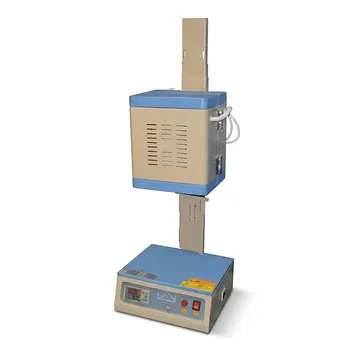
High Temperature Vertical Split Tube Furnace with PID Temperature Controller for 1 and 2 Inch Processing Tubes
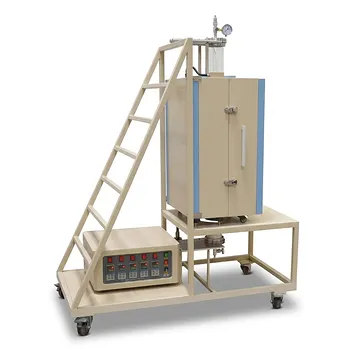
Five Zone Split Vertical Tube Furnace 1200C Max with 4 Inch Quartz Tube and Stainless Steel Vacuum Flanges
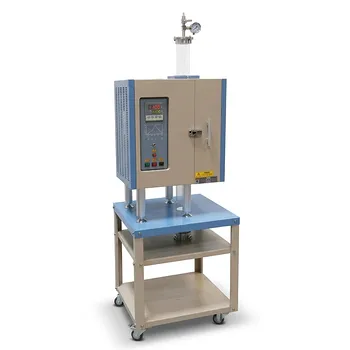
1100°C Split Vertical Tube Furnace with 80mm Quartz Tube and Stainless Steel Vacuum Flanges

Compact Vertical Split Quartz Tube Furnace with Stainless Steel Vacuum Flanges for Rapid Thermal Quenching and Controlled Atmosphere Material Processing

High Temperature 1700C Six Zone Split Tube Furnace with Alumina Tube and Water Cooled Flanges
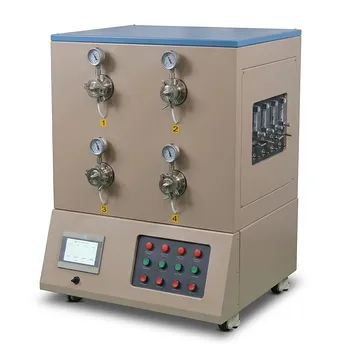
High Throughput 1200C Four Channel Tube Furnace with 3 Inch Quartz Tubes for Multi Zone Annealing and Material Research
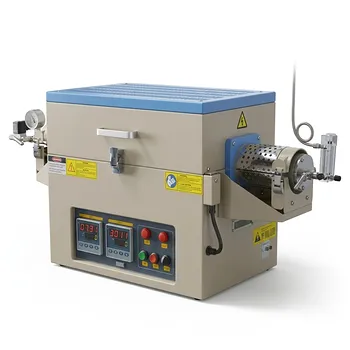
1100C Dual Zone Hydrogen Gas Tube Furnace with Quartz Tube and Integrated H2 Leak Detection System
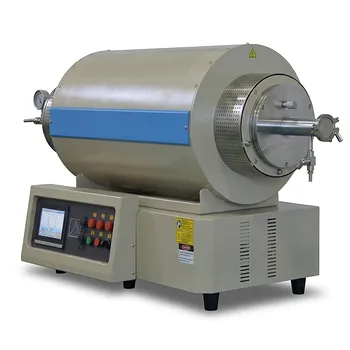
1200C Max Three Zone Tube Furnace 6 Inch OD Max with Tube and Flange
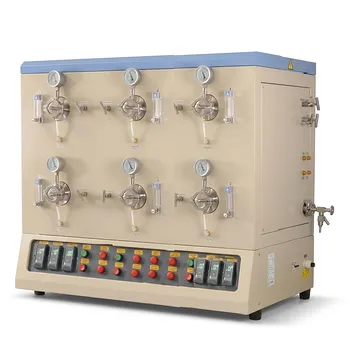
1200C High Throughput Multi Channel Tube Furnace with 50mm Quartz Tubes for Annealing and Material Phase Diagram Research
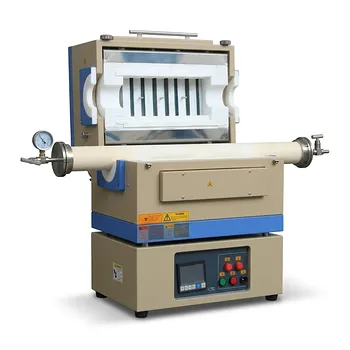
1500C Eight Zone Split Tube Furnace for Thermal Gradient Processing and Advanced Material Research

1100C Tube Furnace with Vacuum Flange and Programmable Temperature Controller for Material Science and Industrial Heat Treatment
