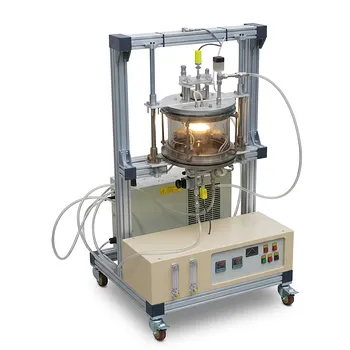
What critical experimental conditions do high-temperature reaction furnaces provide for determining CRI and CSR?
Updated 3 months ago
High-temperature reaction furnaces provide a precisely controlled environment that simulates the thermal and chemical stresses of a blast furnace. These systems maintain a constant high temperature (typically 1100°C) while introducing a regulated flow of carbon dioxide ($CO_2$) to trigger the Boudouard reaction. This process allows technicians to measure the coke's mass loss for the Coke Reactivity Index (CRI) and prepare the degraded sample to test its Coke Strength after Reaction (CSR).
The core function of a high-temperature reaction furnace is to facilitate controlled carbon dioxide erosion, transforming a static coke sample into a data point for chemical stability and structural integrity. By replicating the harsh conditions of a blast furnace, these furnaces provide the standardized environment necessary to predict how coke will perform under industrial loads.
Establishing the Thermal Foundation
Precision Temperature Maintenance
The furnace must provide a constant, high-temperature environment to ensure the chemical reactions occur at a predictable rate. Even minor fluctuations in temperature can lead to significant errors in the Coke Reactivity Index (CRI), as the rate of carbon erosion is highly temperature-dependent.
Simulation of Blast Furnace Conditions
By reaching and holding temperatures between 1000°C and 1300°C, the furnace replicates the "thermal reserve zone" of a blast furnace. This allows for the evaluation of the coke's chemical stability and its ability to maintain its structure as it descends into the hotter regions of the furnace.
Atmospheric and Chemical Management
Controlled $CO_2$ Flow and the Boudouard Reaction
The furnace manages a stable, constant flow of carbon dioxide (such as 120 mL/min) to drive the Boudouard reaction ($C + CO_2 \rightarrow 2CO$). This controlled etching of the carbon framework is what allows for the calculation of mass loss, which is the primary metric for reactivity.
Atmosphere Purity and Protection
Advanced reaction furnaces often use an inert atmosphere, such as nitrogen, during the heating and cooling phases to protect the sample from unintended oxidation. This ensures that the only carbon loss measured is a result of the specific $CO_2$ reaction being studied.
Determining Structural Integrity and Strength
Verification of Structural Ordering
The reaction furnace serves as a method for verifying the degree of structural ordering in the coke. Coke with a more ordered, crystalline-like structure typically exhibits lower reactivity and higher strength after the reaction has occurred.
Preparation for Physical Testing
The furnace provides the specific "thermochemical wear" required to prepare the sample for subsequent physical testing. Once the coke has been eroded in the furnace, it is subjected to mechanical stress to determine the Coke Strength after Reaction (CSR), which indicates how well the coke will support the weight of the ore in a blast furnace.
Understanding the Trade-offs and Pitfalls
Temperature Gradients and Uniformity
A common pitfall is the existence of thermal gradients within the furnace tube. If the heating elements do not provide a perfectly uniform "hot zone," different parts of the coke sample will react at different rates, leading to an inaccurate and inconsistent CRI value.
Gas Flow Path and "Channeling"
If the coke sample is not packed correctly within the reaction vessel, the $CO_2$ may "channel" through certain areas rather than flowing uniformly through the bed. This results in uneven erosion, where some coke pieces are over-reacted while others remain relatively untouched, skewing the final strength results.
Cooling Rates and Mineral "Freezing"
The transition from the high-temperature reaction state to room temperature is critical. Rapidly removing and cold-quenching samples can "freeze" the mineral compositions into a state that allows for accurate characterization, but improper cooling can lead to secondary reactions that compromise the data.
How to Apply This to Your Laboratory Goals
To ensure accurate CRI and CSR results, your furnace must be treated as a precision instrument rather than a simple heating chamber.
- If your primary focus is Benchmarking Coke Quality: Ensure your furnace has high-accuracy digital temperature controllers to minimize measurement errors and maximize reproducibility across different batches.
- If your primary focus is Simulating Alternative Fuels (e.g., Bio-coke): Prioritize systems with highly flexible gas flow management to adjust $CO_2$ concentrations and flow rates, as blended fuels often react differently than traditional metallurgical coke.
- If your primary focus is Maximizing Blast Furnace Efficiency: Focus on the structural ordering data provided by the furnace, using it to select coke that maintains high physical strength even after significant chemical erosion.
Precise control over the thermal and chemical environment is the only way to transform raw coke into a reliable predictor of blast furnace performance.
Summary Table:
| Experimental Condition | Standard Requirement | Impact on CRI/CSR Results |
|---|---|---|
| Temperature Control | Precise 1100°C maintenance | Ensures predictable Boudouard reaction rates |
| Gas Management | Regulated $CO_2$ flow (e.g., 120 mL/min) | Drives consistent carbon erosion for mass loss |
| Atmosphere Purity | Inert Nitrogen ($N_2$) environment | Prevents unintended oxidation during heat/cool |
| Thermal Uniformity | Gradient-free "Hot Zone" | Prevents uneven erosion and inconsistent strength |
| Sample Preparation | Controlled thermochemical wear | Simulates structural degradation for CSR testing |
Optimize Your Coke Quality Testing with THERMUNITS
Precision is non-negotiable when simulating the harsh environments of a blast furnace. THERMUNITS is a leading manufacturer of high-temperature laboratory equipment specifically designed for material science and industrial R&D. We provide the high-accuracy thermal environments required for reliable CRI and CSR analysis.
Our comprehensive range of thermal processing solutions includes:
- Specialized Reaction & Tube Furnaces for gas-solid interaction studies.
- Muffle, Vacuum, and Atmosphere Furnaces for versatile heat treatment.
- Rotary Kilns & High-Vacuum Induction Melting (VIM) Furnaces.
- Advanced CVD/PECVD Systems and high-quality Thermal Elements.
Whether you are benchmarking coke quality or researching alternative fuels, our equipment ensures maximum reproducibility and structural integrity data.
Ready to upgrade your laboratory's precision? Contact us today to find the perfect thermal solution and let our experts support your material research goals.
References
- Д. В. Мірошниченко, E. L. Soloviev. Specific electrical resistance as an indicator ordering of coke structure. DOI: 10.23939/ctas2024.01.078
Mentioned Products
- 1650C Recirculating Steam Corrosion and Thermal Shock Testing Furnace with Integrated Water Vapor Generator and Automated Sample Delivery
- 600°C Vertical Crucible Furnace with SS316 Alloy Reactor and 6 Port Vacuum Flange
- 1200 C Maximum Three Sided Heating Top Loading Furnace with 12 x 12 x 8 Inch Chamber for Solid Oxide Fuel Cell Testing and High Temperature RD
- High Temperature Rocking Tube Furnace with Quartz Tube and Vacuum Flange for Materials Synthesis
- 1600C High Temperature Automatic Bottom Loading Furnace for Thermal Shock Cycling and Material Fatigue Testing
People Also Ask
- What is the objective of a 100-hour thermal exposure test at 1000 °C on IN625/TiC? Evaluate Microstructural Stability
- What are the process advantages of using ultrafast high-temperature shock equipment? Revolutionize Anode Recycling.
- What function does a ceramic sample boat perform during the reforming of plastic powders? Optimize Thermal Conversion
- How does a laboratory tube furnace demonstrate the protective value of coatings? Test Durability for Silicon Production
- What role does a sessile drop furnace play in biochar-slag studies? Essential for Green Steelmaking.

Tech Team · ThermUnits
Last updated on Jun 03, 2026
Related Products
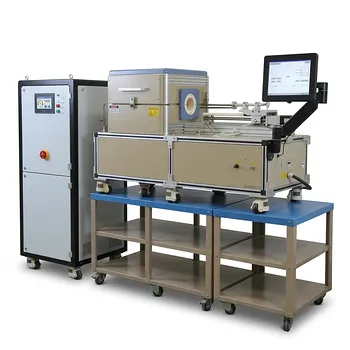
1650C Recirculating Steam Corrosion and Thermal Shock Testing Furnace with Integrated Water Vapor Generator and Automated Sample Delivery
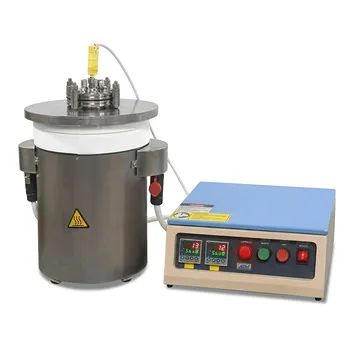
600°C Vertical Crucible Furnace with SS316 Alloy Reactor and 6 Port Vacuum Flange
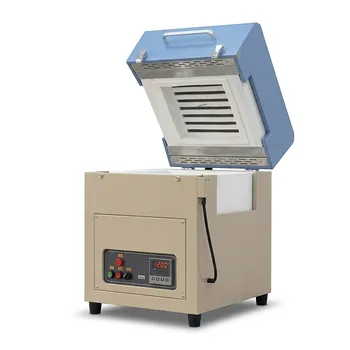
1200 C Maximum Three Sided Heating Top Loading Furnace with 12 x 12 x 8 Inch Chamber for Solid Oxide Fuel Cell Testing and High Temperature RD
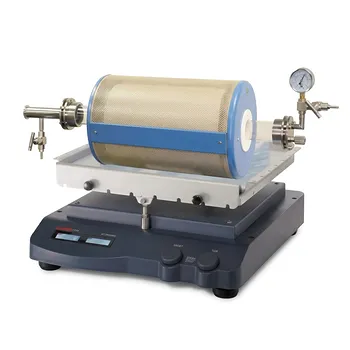
High Temperature Rocking Tube Furnace with Quartz Tube and Vacuum Flange for Materials Synthesis
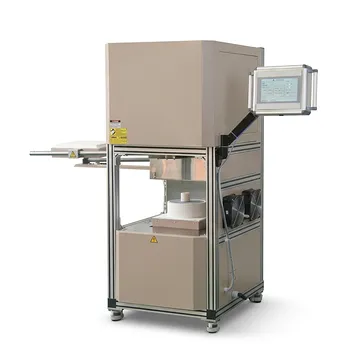
1600C High Temperature Automatic Bottom Loading Furnace for Thermal Shock Cycling and Material Fatigue Testing
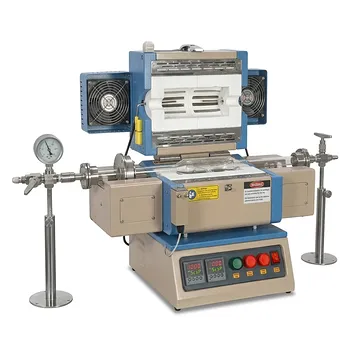
Dual Zone Rotary Tube Furnace for Uniform Powder Calcination 1000C 2 Inch Quartz Tube
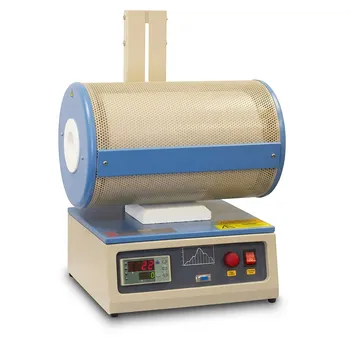
Multi Position Tube Furnace 1100C for Laboratory Material Research and Advanced Industrial Thermal Processing

High Temperature 1700C Vertical Tube Furnace for Powder Spherification and Material Sintering
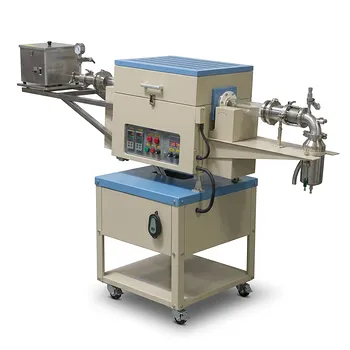
Two Zone Rotary CVD Furnace with Automatic Feeding and Receiving System for Powder Processing
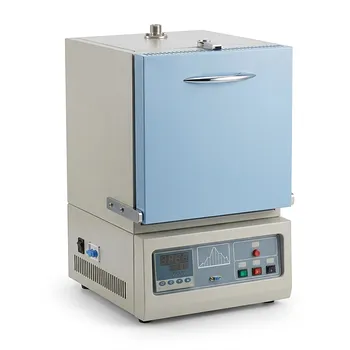
1750C Compact Muffle Furnace 1.7L Ultra High Temperature Laboratory Sintering System for Advanced Ceramics and Material Science Research
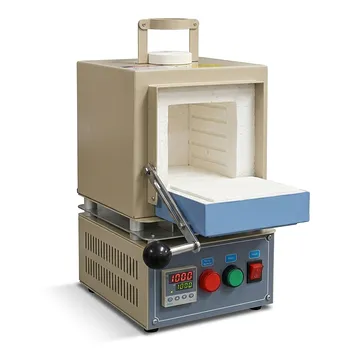
Compact 1000C Muffle Furnace with Programmable Controller and 2 Inch Top Port for Vacuum and Atmosphere Material Research
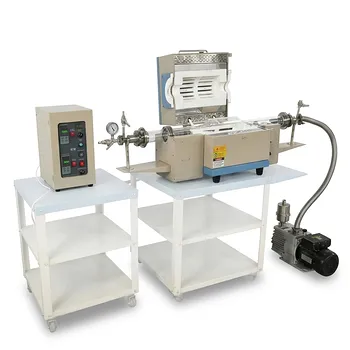
Two Zone Rotary Tube Furnace for Powder CVD Coating and Core Shell Material Synthesis 1100C
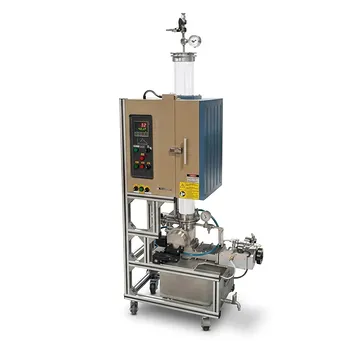
1200C High Temperature Atmosphere Controlled Vertical Quenching Tube Furnace with 4 Inch Quartz Tube
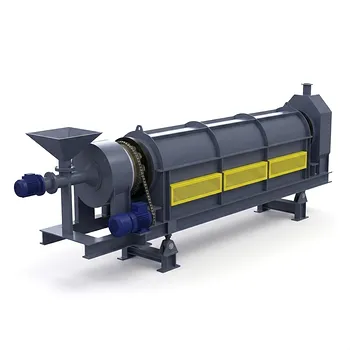
Electric Rotary Kiln Small Rotary Furnace for Activated Carbon Regeneration
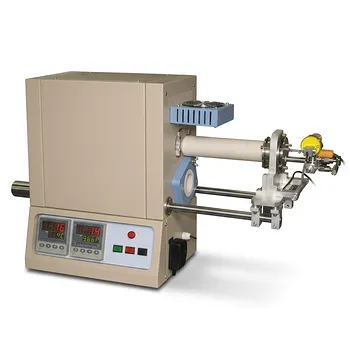
High Temperature Tube Furnace 1500C with Sliding Flanges and 50mm OD for Rapid Thermal Processing Fast Heating and Cooling
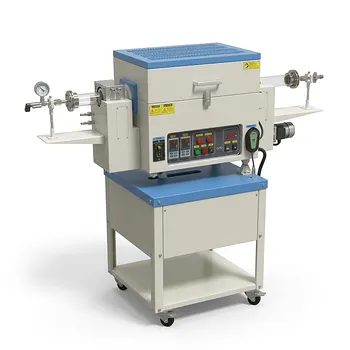
4 Inch Two Zone Rotary CVD Tube Furnace for High Temperature Battery Material Synthesis and Advanced Material Calcination
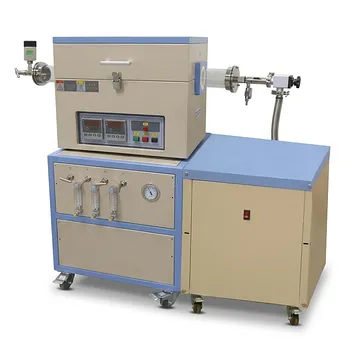
Dual Zone Quartz Tube Furnace with 80mm Diameter 1200C Max Temperature 3 Channel Gas Mixer and Vacuum Pump System
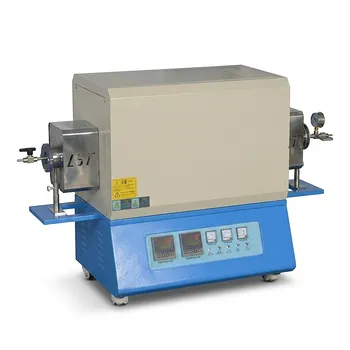
High Temperature Dual Zone Vacuum Tube Furnace for Material Research and CVD Processing
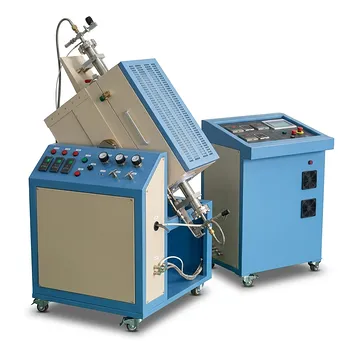
1100C High Pressure Rocking Tube Furnace with 2 Inch Super Alloy Processing Tube for Material Synthesis