What experimental conditions does a horizontal tube furnace provide for liquid surface tension tests of medium carbon steel?
Updated 3 months ago
A horizontal tube furnace provides a highly stabilized, high-temperature environment reaching up to 1600°C specifically designed for sessile drop measurements. By integrating precise thermal control with a strictly managed inert atmosphere, the furnace allows medium carbon steel to reach its liquid state without oxidation. This setup ensures the sample maintains a perfectly symmetrical profile on a leveled substrate, which is a prerequisite for accurate optical surface tension analysis.
The core utility of the horizontal tube furnace in steel testing lies in its ability to isolate the liquid metal from external physical and chemical interference. By providing a leveled, high-temperature "hot zone" and an oxygen-free environment, it ensures that the surface tension measured is an intrinsic property of the steel rather than a result of environmental contamination or mechanical tilt.
Thermal and Atmospheric Control
Reaching Extreme Liquidus Temperatures
Medium carbon steel requires significant heat to transition into a liquid state for testing. The furnace provides a reliable hot zone capable of reaching 1600°C, ensuring the sample remains fully molten throughout the observation period.
Precision Heating and Equilibrium
To avoid damaging the sample or the equipment, the furnace utilizes controlled heating rates, such as 20°C/min. This gradual increase allows the steel and the substrate to reach thermal equilibrium, which is vital for preventing internal convection currents that could distort the droplet shape.
Oxidation Prevention via Inert Atmosphere
At high temperatures, carbon steel reacts almost instantly with oxygen to form an oxide skin. The furnace facilitates the injection of high-purity nitrogen (N2) or argon to maintain an inert atmosphere, preserving the purity of the liquid surface for the duration of the test.
Mechanical and Optical Stability
Precision Leveling for Droplet Symmetry
The horizontal configuration is specifically chosen to allow for the precise leveling of alumina or zirconia substrates. Because the sessile drop method relies on gravity to shape the droplet, even a minor tilt would lead to an asymmetrical profile and invalid data.
Optimized Optical Access
The linear design of the tube allows optical measurement systems to align perfectly with the sample. This clear line of sight is essential for capturing high-resolution profiles of the contact angle between the liquid steel and the ceramic substrate.
Substrate Compatibility
The furnace environment supports the use of specialized refractories like zirconia and alumina. These materials provide a stable, non-reactive base that can withstand the extreme heat required to melt medium carbon steel without melting themselves.
Understanding the Trade-offs
Substrate-Metal Interactions
While alumina and zirconia are highly stable, they are not entirely inert at 1600°C. Minor chemical reactions at the interface can occur, which may slightly alter the wetting behavior and the resulting surface tension values.
Thermal Gradient Challenges
If the sample is not placed perfectly within the furnace's "constant temperature zone," it may experience a thermal gradient. This temperature difference across the droplet can cause Marangoni flows, which disturb the static equilibrium needed for accurate measurement.
Vaporization and Window Fouling
At high temperatures, certain alloying elements in the steel may vaporize and condense on the cooler optical windows of the furnace. This fouling of the optical path can reduce image contrast, making it difficult for software to accurately detect the droplet's edge.
How to Apply This to Your Project
To achieve the highest degree of accuracy in your surface tension experiments, you should tailor your furnace settings to your specific material goals.
- If your primary focus is Chemical Purity: Prioritize the vacuum-tight sealing of the tube and use ultra-high-purity inert gases to eliminate any risk of surface oxidation.
- If your primary focus is Geometric Precision: Invest time in secondary leveling tools to ensure the substrate is perfectly horizontal before the furnace is sealed and heated.
- If your primary focus is High-Temperature Kinetics: Utilize the maximum heating rate to reach the liquidus temperature quickly, minimizing the time available for substrate-metal interactions.
Consistency in the thermal and atmospheric environment is the only way to ensure that your surface tension data is both repeatable and scientifically valid.
Summary Table:
| Feature | Experimental Condition | Impact on Test Accuracy |
|---|---|---|
| Temperature | Up to 1600°C with 20°C/min control | Ensures full liquid state and thermal equilibrium. |
| Atmosphere | High-purity Inert Gas (N2/Argon) | Prevents oxidation and maintains metal surface purity. |
| Alignment | Precision Horizontal Leveling | Guarantees droplet symmetry for sessile drop analysis. |
| Optical Access | Linear Tube Design | Enables high-resolution imaging of the contact angle. |
| Substrate | Zirconia or Alumina Support | Provides a stable, non-reactive base for molten steel. |
Elevate Your Material Research with THERMUNITS
Precision is the foundation of scientific discovery. THERMUNITS is a leading manufacturer of high-temperature laboratory equipment dedicated to supporting material science and industrial R&D. Whether you are conducting liquid surface tension tests or complex chemical vapor deposition, our equipment provides the stability and control you need.
Our comprehensive range of thermal solutions includes:
- Furnaces: Muffle, Vacuum, Atmosphere, Tube, Rotary, and Hot Press Furnaces.
- Advanced Systems: CVD/PECVD systems and Vacuum Induction Melting (VIM) furnaces.
- Specialized Tools: Dental Furnaces, Electric Rotary Kilns, and high-quality Thermal Elements.
Ready to optimize your lab’s thermal processing? Contact our experts today to discuss how our high-performance furnace solutions can enhance your experimental accuracy and research outcomes.
References
- Julian Cejka, Susanne Michelic. Influence of Tramp Elements on Surface Properties of Liquid Medium‐Carbon Steels. DOI: 10.1002/srin.202300715
Mentioned Products
- 1200°C 10-Zone Split Tube Furnace with Horizontal and Vertical Mounting for Multi-Zone Thermal Gradients and Large Diameter Material Processing
- Multi Position Tube Furnace 1100C for Laboratory Material Research and Advanced Industrial Thermal Processing
- Ten Zone Multi Orientation Laboratory Tube Furnace for 1200C High Temperature Gradient Thermal Processing
- Vertical 1700C Vacuum and Atmosphere Tube Furnace with 80mm Alumina Tube
- Split Vertical Tube Furnace with 1200C Quartz Tube and Stainless Steel Vacuum Flanges for Rapid Thermal Processing
People Also Ask
- What is the primary engineering purpose for using a customized ventilation hood when operating a split tube furnace? RCF Safety
- What are the technical advantages of using a multi-zone independently controlled tube furnace in the modified USP process?
- How does a split tube furnace contribute to the thermal stabilization of Clignin@H-TiO2? Achieve Structural Precision
- What are the specific advantages and use cases for a split tube furnace? Optimize Lab Efficiency & Material Research
- What are the advantages of using a split tube furnace for heating a catalytic reactor? Boost Efficiency and Precision

Tech Team · ThermUnits
Last updated on Jun 03, 2026
Related Products
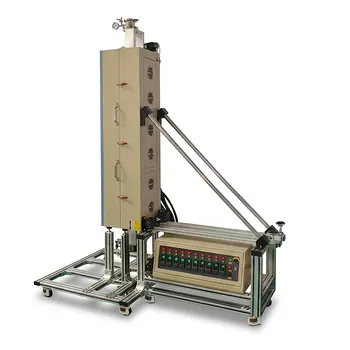
1200°C 10-Zone Split Tube Furnace with Horizontal and Vertical Mounting for Multi-Zone Thermal Gradients and Large Diameter Material Processing
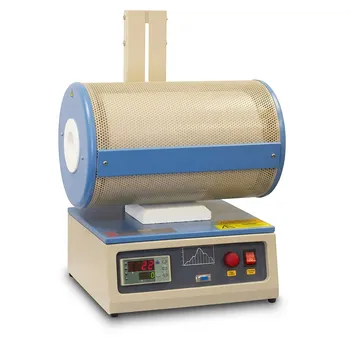
Multi Position Tube Furnace 1100C for Laboratory Material Research and Advanced Industrial Thermal Processing
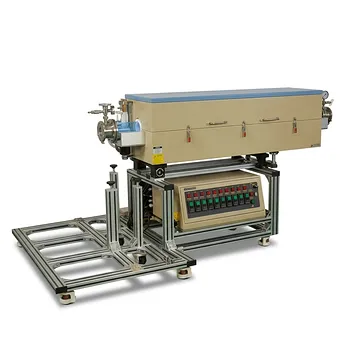
Ten Zone Multi Orientation Laboratory Tube Furnace for 1200C High Temperature Gradient Thermal Processing

Vertical 1700C Vacuum and Atmosphere Tube Furnace with 80mm Alumina Tube
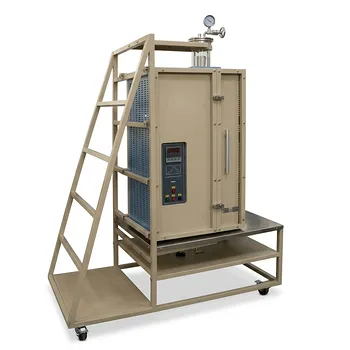
Split Vertical Tube Furnace with 1200C Quartz Tube and Stainless Steel Vacuum Flanges for Rapid Thermal Processing
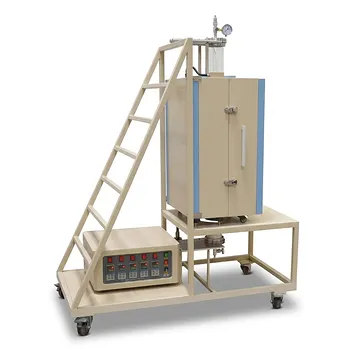
Five Zone Split Vertical Tube Furnace 1200C Max with 4 Inch Quartz Tube and Stainless Steel Vacuum Flanges
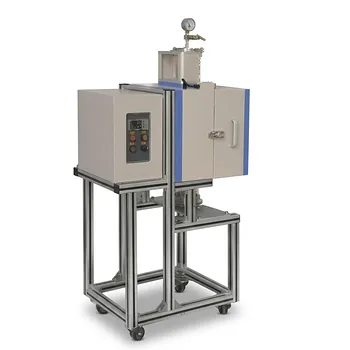
1200°C 5 Inch Vertical Quartz Tube Furnace with Stainless Steel Vacuum Flanges

High Temperature 1700C Vertical Tube Furnace for Powder Spherification and Material Sintering
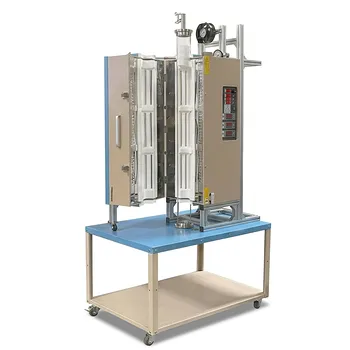
1200C Three Zone Split Vertical Tube Furnace 4 Inch Quartz Tube Stainless Steel Vacuum Flanges
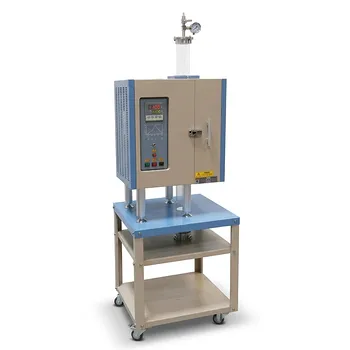
1100°C Split Vertical Tube Furnace with 80mm Quartz Tube and Stainless Steel Vacuum Flanges
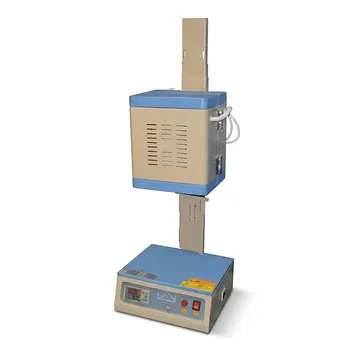
High Temperature Vertical Split Tube Furnace with PID Temperature Controller for 1 and 2 Inch Processing Tubes

Compact Vertical Split Quartz Tube Furnace with Stainless Steel Vacuum Flanges for Rapid Thermal Quenching and Controlled Atmosphere Material Processing
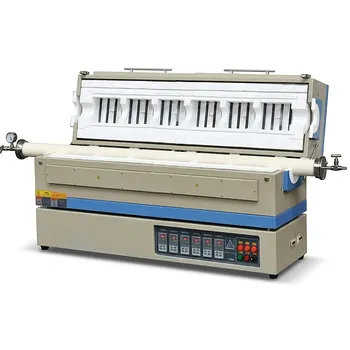
High Temperature 1700C Six Zone Split Tube Furnace with Alumina Tube and Water Cooled Flanges
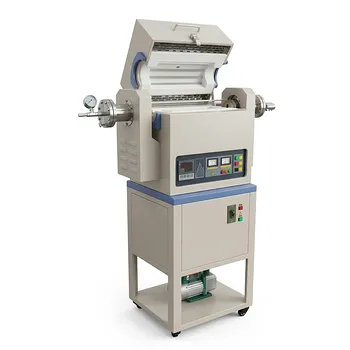
High Temperature Rotary Tilt Tubular Furnaces for Advanced Powder Sintering and Material Processing

High Temperature 1700C Benchtop Tube Furnace with 5 Inch Heating Zone High Purity Alumina Tube and Vacuum Sealing Flanges
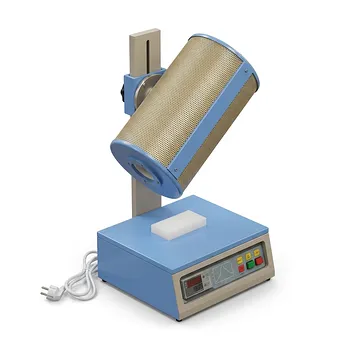
1100°C Vertical Laboratory Furnace for DIY Tubular Reactors with PID Temperature Controller
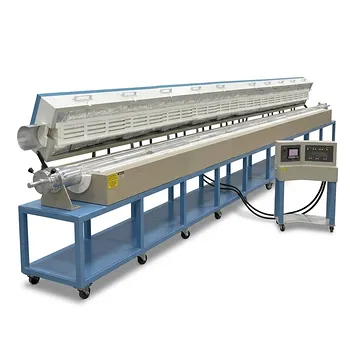
12 Zone Ultra Long Split Tube Furnace with 20 Foot Quartz Tube and 1100C Max Temperature
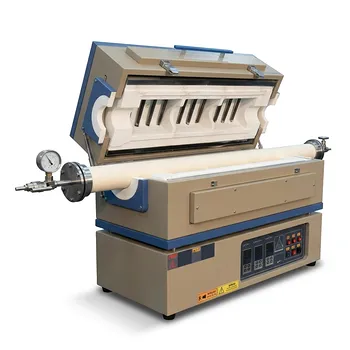
1600C Three Zone Split Tube Furnace with Alumina Tube and Vacuum Flange
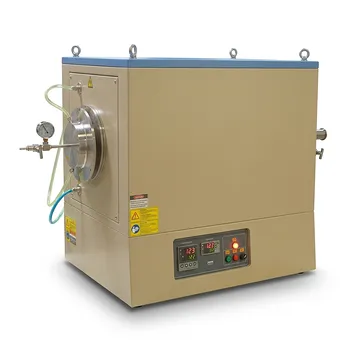
1100°C Large Diameter Quartz Tube Furnace with 24 Inch Heating Zone and Water Cooled Flanges
