What experimental conditions does the vertical tube furnace provide for SOER cell electrochemical characterization?
Updated 3 months ago
A vertical tube furnace provides a high-precision environment characterized by a stable thermal field and a strictly controlled atmosphere. For the electrochemical characterization of Solid Oxide Electrolysis/Fuel Cells (SOER), it maintains temperatures typically between 700°C and 850°C (extending up to 1000°C) while enabling precise switching between reactive gases like hydrogen, water vapor, and carbon dioxide. This controlled setting allows researchers to isolate the impact of a cell's 3D structure on its reaction kinetics under both fuel cell and electrolysis modes.
The vertical tube furnace acts as a hermetically sealed reaction chamber that isolates the SOER cell from environmental variables, providing the thermal and chemical stability required to accurately measure electrochemical performance without interference from temperature fluctuations or atmospheric contamination.
Precision Thermal Management
Maintaining a Constant Thermal Field
The furnace ensures the SOER sample is positioned exactly at the center of a constant thermal field. This spatial precision is critical because even minor temperature gradients can lead to non-uniform current density distributions across the cell. By utilizing a programmable temperature control system, the equipment maintains a uniform and stable environment, often targeting a precise 800°C setpoint for standardized testing.
High-Temperature Stability for Long-Duration Testing
Electrochemical characterization often requires the system to remain at a steady state for extended periods. The vertical tube furnace is designed to provide stable conditions over hours or days, which is essential for studying degradation or long-term catalytic activity. This stability prevents thermal cycling stress from skewing the results of the electrochemical measurements.
Advanced Atmospheric Control
Precise Gas Ratio Modulation
The furnace's sealed design allows for the integration of precision gas flow control systems. This enables the operator to switch between specific ratios of hydrogen, water vapor, or carbon dioxide to simulate different operational stages. Researchers can evaluate the cell under pure CO2 for electrolysis studies or specific reducing atmospheres, such as 5% H2 in Argon, to assess cathode activity.
Inert Purging and Sample Protection
To prevent premature oxidation or deterioration of cell components, the furnace can be purged with high-purity nitrogen or argon. During the heating phase, these inert gases protect the electrode materials and any graphite or molten salt components from oxidative loss. Once the target temperature is reached, the system can transition to active reactant gases to simulate actual industrial environments.
Understanding the Trade-offs
Sealing and Mechanical Integrity
The primary challenge in vertical tube furnace operation is maintaining a hermetic seal at high temperatures. If the sealing devices fail, ambient air can leak into the chamber, leading to the rapid oxidation of the anode or the dilution of reactant gases. This can result in inaccurate kinetic data or the complete failure of the SOER cell during testing.
Flow Rate and Residence Time
While the furnace provides a controlled atmosphere, the gas flow rate must be carefully managed. If the flow rate is too low, reactant depletion may occur near the cell surface; if it is too high, it may cause localized cooling or "thermal shock" to the sample. Balancing these parameters is essential for capturing a true representation of the 3D structure's impact on reaction kinetics.
How to Apply This to Your Project
Making the Right Choice for Your Goal
To maximize the utility of a vertical tube furnace for SOER characterization, you should tailor the environmental parameters to your specific research objective.
- If your primary focus is evaluating catalytic activity: Ensure you are using a furnace that allows for pure CO2 or high-concentration steam environments to isolate the chemical reaction rates at the cathode.
- If your primary focus is structural durability: Utilize the furnace’s programmable ramping features to simulate the thermal stresses the cell will face during real-world startup and shutdown cycles.
- If your primary focus is kinetic modeling: Prioritize the use of a furnace with a verified "hot zone" or constant thermal field to ensure that data points are not corrupted by internal temperature gradients.
By mastering these environmental variables, you can transform a standard thermal process into a definitive tool for advancing SOER technology.
Summary Table:
| Key Experimental Condition | Parameter / Range | Importance for SOER Characterization |
|---|---|---|
| Temperature Range | 700°C to 1000°C | Enables kinetics studies at operating temperatures. |
| Atmospheric Control | H2, H2O, CO2, Ar, N2 | Simulates fuel cell and electrolysis environments. |
| Thermal Stability | Constant Thermal Field | Prevents non-uniform current density distributions. |
| Gas Management | Precise Flow Ratios | Isolates 3D structural impacts on reaction rates. |
| Protection | Inert Gas Purging | Prevents oxidation of electrode and graphite components. |
Advance Your Material Science Research with THERMUNITS
Are you looking to achieve higher precision in your electrochemical characterization? THERMUNITS is a leading manufacturer of high-temperature laboratory equipment specifically designed for material science and industrial R&D.
We offer a comprehensive range of thermal processing solutions tailored for SOER, SOFC, and advanced catalysis research, including:
- Tube and Atmosphere Furnaces for precise gas modulation.
- Vacuum, Muffle, and Rotary Furnaces for diverse heat treatments.
- CVD/PECVD systems for advanced thin-film deposition.
- Vacuum Induction Melting (VIM) and Hot Press systems for high-performance materials.
Whether you are modeling reaction kinetics or testing structural durability, our equipment ensures the stable thermal and chemical environments your project demands.
Contact THERMUNITS today to find the perfect furnace for your lab!
References
- Inyoung Jang, G. H. Kelsall. Structural Effects of 3D Inkjet‐Printed Ni(O)‐YSZ Pillared Electrodes on Performances of Solid Oxide Electrochemical Reactors. DOI: 10.1002/smll.202306653
Mentioned Products
- High Temperature 1700C Vertical Tube Furnace for Powder Spherification and Material Sintering
- Vertical 1700C Vacuum and Atmosphere Tube Furnace with 80mm Alumina Tube
- 500C Vacuum Vertical Tube Furnace 84mm OD Sample Rotation Lifting System
- 1100°C Split Vertical Tube Furnace with 80mm Quartz Tube and Stainless Steel Vacuum Flanges
- Split Vertical Tube Furnace with 1200C Quartz Tube and Stainless Steel Vacuum Flanges for Rapid Thermal Processing
People Also Ask
- What role does a high-temperature vertical tube furnace play in simulating high-carbon ferromanganese slag formation?
- What functions does a vertical high-temperature tube furnace perform? Master Industrial Sintering & R&D Simulation
- What is the primary function of a high-temperature tube furnace in Cu1-N-C synthesis? Precision Thermal Control.
- High-Temp Tube Furnace Role in Converting Microbial Proteins to Iron Single-Atom Sites: Expert Synthesis Guide
- What impact does the heating rate of a tube furnace have on biochar microstructure? Optimize Your Material R&D.

Tech Team · ThermUnits
Last updated on Jun 03, 2026
Related Products

High Temperature 1700C Vertical Tube Furnace for Powder Spherification and Material Sintering

Vertical 1700C Vacuum and Atmosphere Tube Furnace with 80mm Alumina Tube
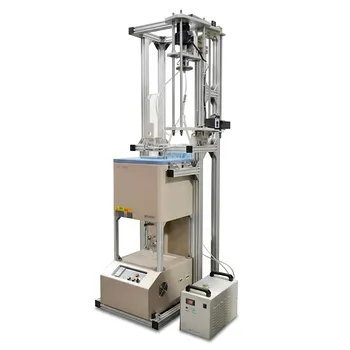
500C Vacuum Vertical Tube Furnace 84mm OD Sample Rotation Lifting System
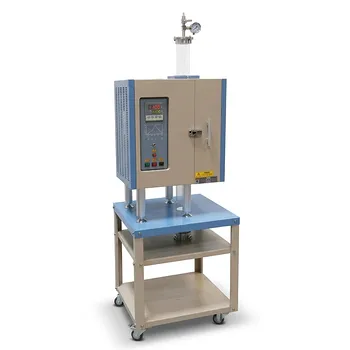
1100°C Split Vertical Tube Furnace with 80mm Quartz Tube and Stainless Steel Vacuum Flanges
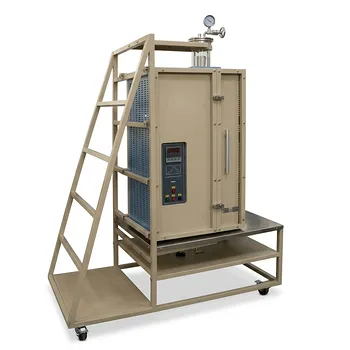
Split Vertical Tube Furnace with 1200C Quartz Tube and Stainless Steel Vacuum Flanges for Rapid Thermal Processing

Compact Vertical Split Quartz Tube Furnace with Stainless Steel Vacuum Flanges for Rapid Thermal Quenching and Controlled Atmosphere Material Processing
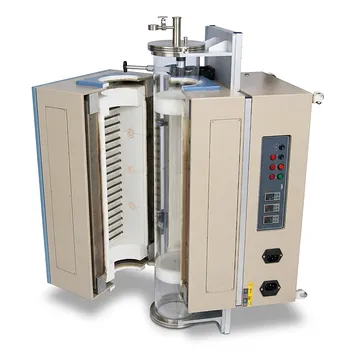
Large Vertical Three Zone Tube Furnace with 8 Inch or 11 Inch Quartz Tube and High Vacuum Flanges 1200C
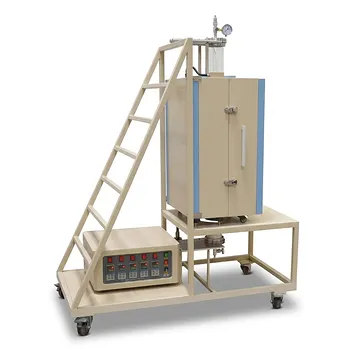
Five Zone Split Vertical Tube Furnace 1200C Max with 4 Inch Quartz Tube and Stainless Steel Vacuum Flanges
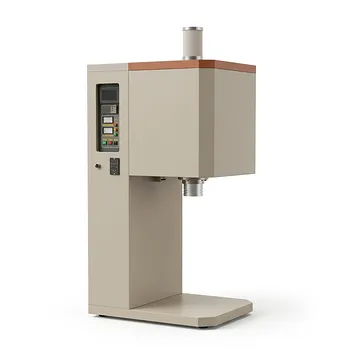
Vertical Openable Tube Furnace 0-1700c High Temperature Laboratory System for CVD and Vacuum Heat Treatment

1200°C 5 Inch Vertical Quartz Tube Furnace with Stainless Steel Vacuum Flanges
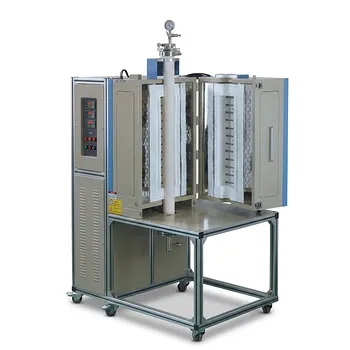
Three Zone Heating Split Vertical Tube Furnace 1700 High Temperature Vacuum Atmosphere Thermal Process System
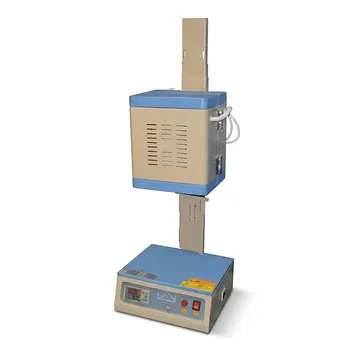
High Temperature Vertical Split Tube Furnace with PID Temperature Controller for 1 and 2 Inch Processing Tubes
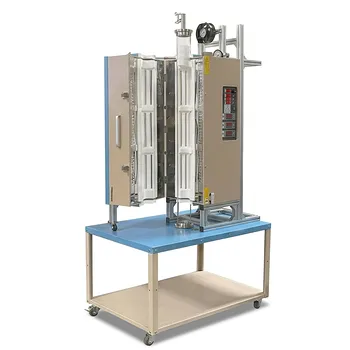
1200C Three Zone Split Vertical Tube Furnace 4 Inch Quartz Tube Stainless Steel Vacuum Flanges
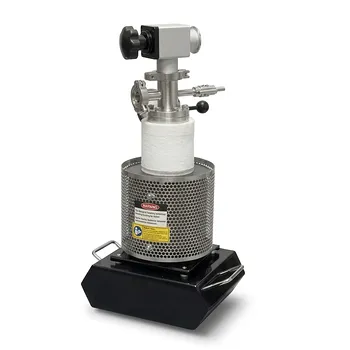
High Temperature 1100C Compact Top Loading Vertical Vacuum Tube Furnace for High Vacuum Noble Metal Melting and Material Research
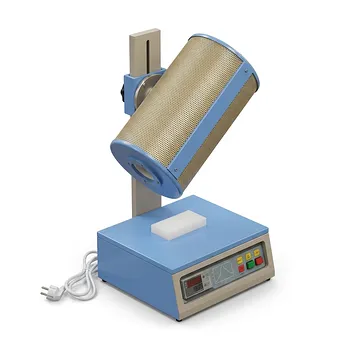
1100°C Vertical Laboratory Furnace for DIY Tubular Reactors with PID Temperature Controller
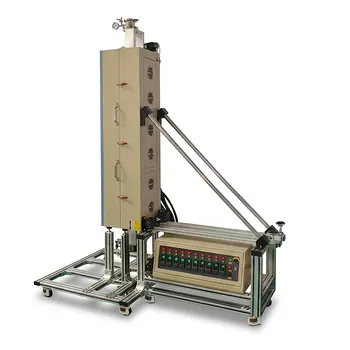
1200°C 10-Zone Split Tube Furnace with Horizontal and Vertical Mounting for Multi-Zone Thermal Gradients and Large Diameter Material Processing
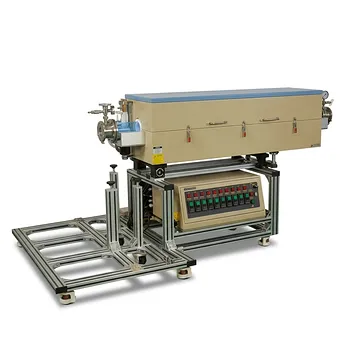
Ten Zone Multi Orientation Laboratory Tube Furnace for 1200C High Temperature Gradient Thermal Processing

High Temperature 1700C Six Zone Split Tube Furnace with Alumina Tube and Water Cooled Flanges

1100C Tube Furnace with Vacuum Flange and Programmable Temperature Controller for Material Science and Industrial Heat Treatment
