What is the function of a high-purity alumina crucible in the synthesis of Na2Ni3S4? Ensure Phase Purity & Stability.
Updated 3 months ago
The high-purity alumina crucible acts as a chemically inert, refractory reaction vessel essential for high-temperature synthesis. In the production of $Na_2Ni_3S_4$ crystals, it serves as the primary containment system capable of withstanding temperatures up to 890°C. Its most critical role is resisting the corrosive nature of the molten carbonate flux, which prevents impurity ions from leaching into the precursor and ensures the final crystals achieve high phase purity.
The high-purity alumina crucible is chosen for its unique combination of thermal endurance and chemical resistance against aggressive fluxes. By maintaining a contamination-free environment at extreme temperatures, it guarantees the structural and chemical integrity of the synthesized $Na_2Ni_3S_4$.
Managing Extreme Thermal Environments
Endurance Under High-Temperature Stress
The synthesis of $Na_2Ni_3S_4$ requires a stable environment at 890°C, a range where many standard laboratory materials would fail or soften. High-purity alumina is a refractory material that remains structurally sound even beyond these temperatures, with some variants rated for use up to 1200°C.
Thermal Shock and Structural Integrity
During long heating and cooling cycles, the crucible must maintain its physical strength to prevent cracks or mechanical failure. Its resistance to thermal shock ensures that the vessel does not introduce container debris into the melt, which is vital for maintaining the clarity and quality of the growing crystals.
Consistent Heat Distribution
As a stable physical carrier, the crucible allows for uniform heat distribution across the precursor mixture. This consistency is necessary for the carbonate flux method to work effectively, ensuring that the reaction progresses evenly throughout the entire volume of the material.
Chemical Inertness in Corrosive Fluxes
Resistance to Molten Carbonate Erosion
Molten carbonate fluxes are highly reactive and can aggressively erode lower-quality container materials. The superior chemical stability of high-purity alumina allows it to withstand this erosion, acting as a neutral barrier that does not participate in the reaction.
Prevention of Impurity Infiltration
If a crucible reacts with the flux, it can release metal impurities or silicon into the precursor mixture. By utilizing high-purity alumina, researchers ensure that no external elements interfere with the stoichiometry of the $Na_2Ni_3S_4$, preserving its intrinsic activity.
Eliminating Side Reactions
A chemically inert environment is necessary to prevent unintended side reactions between the vessel and the reactants. The alumina surface does not provide a site for secondary phases to form, which directly facilitates the synthesis of a single-phase product.
Understanding the Trade-offs
Limits of Chemical Resistance
While highly resistant, alumina is not completely invincible to all fluxes over indefinite periods or at extreme temperature spikes. Over many cycles, the surface may show slight pitting or degradation, which can eventually necessitate replacement to maintain strict purity standards.
Thermal Conductivity Constraints
Alumina has lower thermal conductivity compared to metallic crucibles, which means ramp rates must be carefully managed. If the temperature is increased too rapidly, the internal gradients could potentially lead to uneven crystallization or stress fractures in the crucible itself.
Cost vs. Purity
High-purity alumina (typically >99%) is significantly more expensive than standard ceramic or lower-grade alumina vessels. However, using lower-purity alternatives often results in contamination that can invalidate the electronic or structural properties of the $Na_2Ni_3S_4$ crystals.
Selecting the Right Vessel for Your Synthesis
To ensure the best results during high-temperature crystal growth, the choice of crucible must align with your specific purity and temperature requirements.
- If your primary focus is maximum phase purity: Always utilize a crucible with a purity rating of 99% or higher to eliminate the risk of trace metal contamination.
- If your primary focus is long-duration calcination: Ensure the crucible is rated for temperatures at least 200°C above your target to provide a safety margin for structural integrity.
- If your primary focus is minimizing costs on bulk runs: Reserve high-purity alumina for the final synthesis stages while using standard grades only for less sensitive precursor preparations.
The selection of a high-purity alumina crucible is a foundational step in ensuring that the synthesized crystals meet the rigorous standards required for advanced material analysis.
Summary Table:
| Key Feature | Functional Benefit | Impact on Na2Ni3S4 Synthesis |
|---|---|---|
| High Refractoriness | Withstands up to 1200°C+ | Maintains structural integrity at 890°C |
| Chemical Inertness | Resists molten carbonate erosion | Prevents impurity leaching and side reactions |
| Thermal Stability | Uniform heat distribution | Ensures even reaction and consistent crystallization |
| High Purity (>99%) | Minimal trace elements | Guarantees high phase purity and stoichiometry |
Elevate Your Material Research with THERMUNITS
Precision in crystal synthesis starts with the right environment. THERMUNITS is a leading manufacturer of high-temperature laboratory equipment, providing the advanced thermal processing solutions required for material science and industrial R&D.
Whether you need reliable Muffle, Vacuum, Atmosphere, or Tube furnaces, or specialized systems like CVD/PECVD and Vacuum Induction Melting (VIM) units, our equipment is engineered for the highest standards of purity and control.
Ready to optimize your heat treatment processes? Contact our experts today to find the perfect solution for your lab.
References
- Junyao 君耀 Ye 叶, Shuang 爽 Jia 贾. Layered kagome compound Na<sub>2</sub>Ni<sub>3</sub>S<sub>4</sub> with topological flat band. DOI: 10.1088/1674-1056/ad3431
Mentioned Products
- High Temperature 1700C Benchtop Tube Furnace with 5 Inch Heating Zone High Purity Alumina Tube and Vacuum Sealing Flanges
- 600°C Vertical Crucible Furnace with SS316 Alloy Reactor and 6 Port Vacuum Flange
- 1100C High Temperature Vacuum Crucible Furnace with Quartz Chamber for Thermal Processing and Sintering
- High Temperature Vertical Crucible Furnace with 22L Heating Chamber and 1200C Maximum Temperature
- Vertical Crucible Furnace 1000C High Temperature Laboratory Equipment 4.7 Inch Diameter Chamber SS316 Anti Corrosive Enclosure
People Also Ask
- How are high-temperature tube furnaces utilized to repair etching damage? Precision Lattice Restoration Solutions
- What is the function of a high-temperature tube furnace in the synthesis of g-C3N4? Optimize Thermal Polycondensation
- What impact does the heating rate of a tube furnace have on biochar microstructure? Optimize Your Material R&D.
- What is the role of a high-temperature tube furnace in the calcination process of ZnO/In2O3 nanocomposites?
- Conditions for nZVI Synthesis in Tube Furnaces? Learn to Optimize Thermal and Atmospheric Control for High Purity.

Tech Team · ThermUnits
Last updated on Jun 02, 2026
Related Products

High Temperature 1700C Benchtop Tube Furnace with 5 Inch Heating Zone High Purity Alumina Tube and Vacuum Sealing Flanges
600°C Vertical Crucible Furnace with SS316 Alloy Reactor and 6 Port Vacuum Flange
1100C High Temperature Vacuum Crucible Furnace with Quartz Chamber for Thermal Processing and Sintering
High Temperature Vertical Crucible Furnace with 22L Heating Chamber and 1200C Maximum Temperature
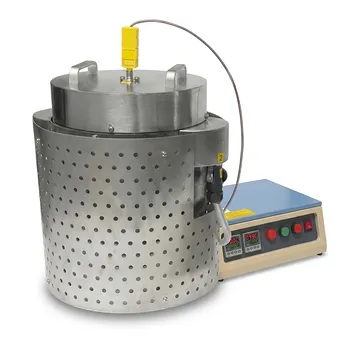
Vertical Crucible Furnace 1000C High Temperature Laboratory Equipment 4.7 Inch Diameter Chamber SS316 Anti Corrosive Enclosure
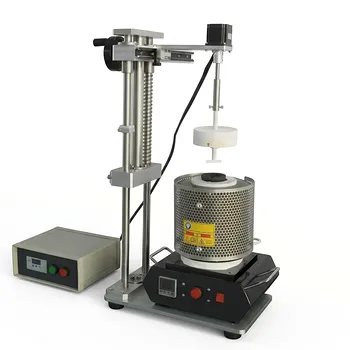
1100C Crucible Melting Furnace with Stirring Function for Glovebox and Air Sensitive Alloy Research
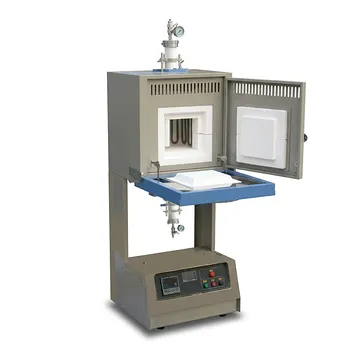
Vertical Hybrid High Temperature Furnace 1500C Alumina Tube SOFC Fuel Cell Testing Laboratory Heat Treatment Research Equipment
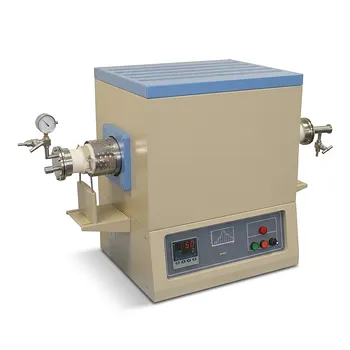
1700C High Temperature Alumina Tube Furnace with 18 Inch Heated Zone and Vacuum Sealing Flanges
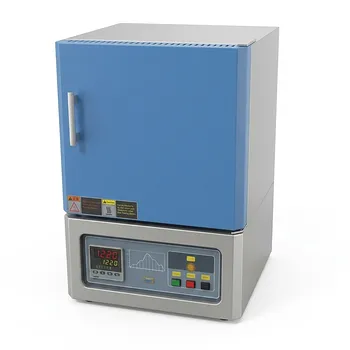
High Temperature Benchtop Muffle Furnace 1700C 10L Chamber Alumina Fiber Insulation MoSi2 Heating Elements
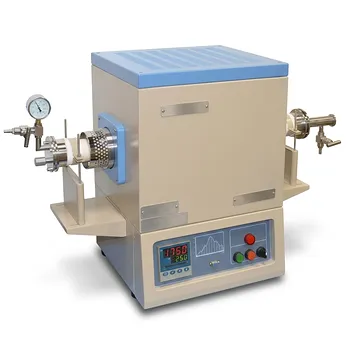
High Temperature Compact Vacuum Tube Furnace 1750C Max 60mm OD Alumina Tube
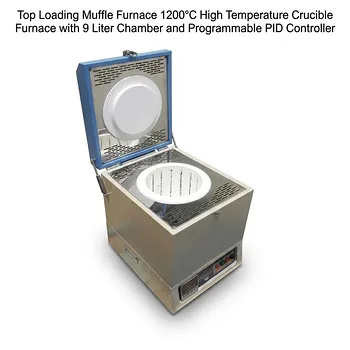
Top Loading Muffle Furnace 1200°C High Temperature Crucible Furnace with 9 Liter Chamber and Programmable PID Controller
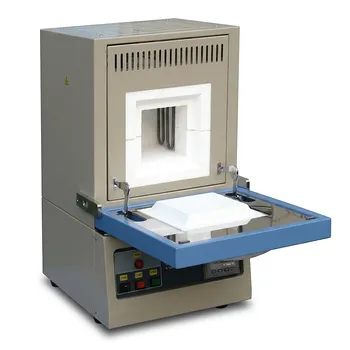
High Temperature 1800C Compact Muffle Furnace with Kanthal Super 1900 Heating Elements and 1.7L Alumina Chamber

Compact High Temperature 1600C Tube Furnace with 50mm Alumina Tube and Vacuum Flanges for Material Sintering

1800C High Temperature Compact Vacuum Tube Furnace with 60mm OD Alumina Tube and Kanthal MoSi2 Heating Elements
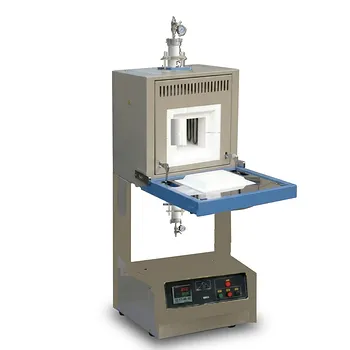
High Temperature Vertical Hybrid Furnace with Alumina Tube and SiC Heating for SOFC Coin Cell Testing and Atmosphere Processing
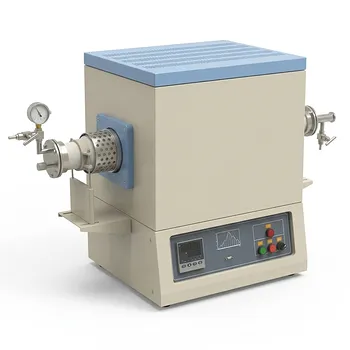
1750°C High Temperature Benchtop Vacuum Atmosphere Tube Furnace with Kanthal Super 1800 Heating Elements and 60mm Alumina Processing Tube
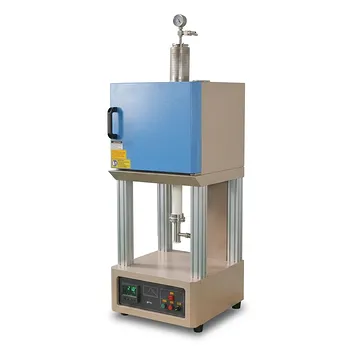
Hybrid High Temperature Tube and Box Furnace 1700C with 2 Inch Alumina Tube for Material Research
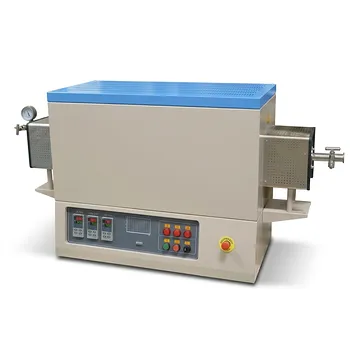
Three Zone Alumina Tube Furnace with Vacuum Flanges High Temperature 1700C Thermal Gradient CVD System
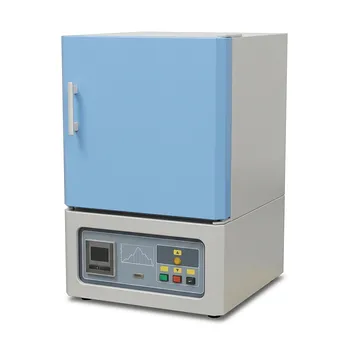
1800C Bench Top Muffle Furnace with Kanthal Super 1900 Heating Elements and 3.6L Alumina Fiber Chamber