What is the role of vertical tube furnaces in copper matte equilibrium? Master Phase Control & Quenching
Updated 3 months ago
The high-temperature vertical tube furnace serves as a precision reactor that maintains the exact thermodynamic conditions required for copper matte and iron-silicate slag to reach chemical equilibrium. It provides a stable, isothermal environment (typically around 1300°C) while its vertical orientation facilitates the "drop-quenching" technique. This process is critical for instantly freezing the high-temperature phase distribution, allowing researchers to analyze the state of the matte and slag as they existed at smelting temperatures.
Core Takeaway: The vertical tube furnace is indispensable for multiphase equilibrium studies because it combines precise atmospheric and thermal control with the ability to rapidly quench samples, preserving transient high-temperature chemical states for room-temperature analysis.
Maintaining Thermodynamic Stability
Precision Isothermal Zones
To study equilibrium, the furnace must provide a "constant" temperature field where the matte and slag can react without thermal fluctuations. High-quality furnaces utilize Silicon Carbide (SiC) or Molybdenum Disilicide (MoSi2) heating elements to maintain long-term stability at temperatures exceeding 1300°C.
Atmosphere and Oxygen Partial Pressure
The chemical state of iron and sulfur in copper smelting is highly sensitive to the surrounding atmosphere. Vertical tube furnaces allow for a sealed reaction space where specific gas mixtures (such as $CO/CO_2$ or $Ar$) can be introduced to precisely regulate the oxygen partial pressure ($P_{O_2}$).
Multi-Phase Interaction
The furnace provides the sustained heat necessary for the "CuO0.5"-CaO–AlO1.5 or iron-silicate systems to separate into distinct liquid and solid phases. This allows the matte (metal-rich) and slag (oxide-rich) to interact until their chemical potentials are balanced.
The Strategic Role of Vertical Orientation
Gravity-Assisted Sample Positioning
The vertical design allows researchers to suspend samples using high-temperature wires (like platinum) directly in the center of the furnace’s thermal zone. This ensures the sample is heated uniformly from all sides and does not touch the furnace walls, preventing contamination.
The Necessity of Drop Quenching
At the conclusion of an equilibrium experiment, the sample must be cooled almost instantaneously. The vertical configuration allows the sample to be dropped directly into a quenching medium (water or oil) located at the bottom of the tube.
Preservation of Phase Chemistry
Without rapid quenching, the matte and slag would undergo secondary chemical changes or phase separations as they cool slowly. By utilizing the vertical "drop" method, the high-temperature microstructure is "frozen" in time, making accurate SEM or EPMA analysis possible.
Understanding the Trade-offs and Pitfalls
Crucible-Slag Interactions
A common challenge in these experiments is the corrosive nature of iron-silicate slag. If the wrong crucible material is chosen, the slag may react with the container, shifting the equilibrium and contaminating the results.
Thermal Gradient Risks
If the sample is positioned even slightly outside the furnace's isothermal "sweet spot," temperature gradients can occur. This leads to non-uniform equilibrium states where different parts of the matte or slag exhibit different chemical compositions.
Ceramic Tube Fragility
The aluminosilicate ceramic tubes used in these furnaces are susceptible to thermal shock. Rapid heating or cooling cycles, or accidental contact with slag vapors, can cause the tube to crack, compromising the atmosphere and the safety of the experiment.
How to Apply This to Your Research
Making the Right Choice for Your Goal
- If your primary focus is phase preservation: Prioritize a furnace design that features a clear, unobstructed path for high-speed drop quenching into a liquid medium.
- If your primary focus is oxidation-sensitive slag (like MnOx): Ensure the furnace is equipped with a high-precision gas mixing system to control oxygen partial pressure within tight tolerances.
- If your primary focus is long-term sintering or reduction: Opt for a furnace with Molybdenum Disilicide elements, which offer superior longevity during extended isothermal holds at 1400°C+.
By mastering the thermal and mechanical advantages of the vertical tube furnace, researchers can accurately simulate and capture the complex thermodynamics of industrial copper smelting.
Summary Table:
| Feature | Research Function | Key Benefit |
|---|---|---|
| Isothermal Zone | Stable heat (>1300°C) | Ensures thermodynamic equilibrium |
| Atmosphere Control | $P_{O_2}$ regulation | Prevents unwanted phase oxidation |
| Vertical Design | Gravity suspension | Eliminates crucible wall contamination |
| Drop Quenching | Instantaneous cooling | Preserves high-temp chemical states |
Elevate Your R&D with THERMUNITS High-Temperature Solutions
Precision is the backbone of material science. As a leading manufacturer of advanced thermal equipment, THERMUNITS provides the reliable, high-temperature vertical tube furnaces and atmospheric control systems essential for complex studies like copper matte equilibrium.
From Muffle, Vacuum, and Tube furnaces to specialized CVD/PECVD systems and Vacuum Induction Melting (VIM) furnaces, we deliver the performance required for rigorous industrial R&D. Our equipment ensures uniform heating, rapid quenching, and stable atmospheres to preserve the integrity of your most sensitive samples.
Ready to enhance your lab's thermal processing capabilities? Contact us today to discuss your project requirements!
References
- Miao Tian, Xueyi Guo. Multiphase Equilibrium Relationships between Copper Matte and CaO-Al2O3-Bearing Iron Silicate Slags in Combined Smelting of WEEE and Copper Concentrates. DOI: 10.3390/su16020890
Mentioned Products
- High Temperature 1700C Vertical Tube Furnace for Powder Spherification and Material Sintering
- Vertical 1700C Vacuum and Atmosphere Tube Furnace with 80mm Alumina Tube
- 500C Vacuum Vertical Tube Furnace 84mm OD Sample Rotation Lifting System
- 1100°C Split Vertical Tube Furnace with 80mm Quartz Tube and Stainless Steel Vacuum Flanges
- Split Vertical Tube Furnace with 1200C Quartz Tube and Stainless Steel Vacuum Flanges for Rapid Thermal Processing
People Also Ask
- What role does a high-temperature vertical tube furnace play in simulating high-carbon ferromanganese slag formation?
- What functions does a vertical high-temperature tube furnace perform? Master Industrial Sintering & R&D Simulation
- What is the primary function of a high-temperature tube furnace in Cu1-N-C synthesis? Precision Thermal Control.
- High-Temp Tube Furnace Role in Converting Microbial Proteins to Iron Single-Atom Sites: Expert Synthesis Guide
- What impact does the heating rate of a tube furnace have on biochar microstructure? Optimize Your Material R&D.

Tech Team · ThermUnits
Last updated on Jun 03, 2026
Related Products

High Temperature 1700C Vertical Tube Furnace for Powder Spherification and Material Sintering
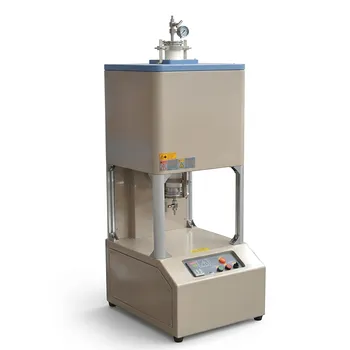
Vertical 1700C Vacuum and Atmosphere Tube Furnace with 80mm Alumina Tube
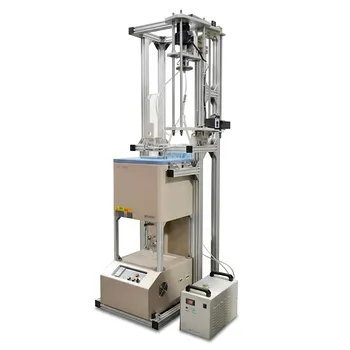
500C Vacuum Vertical Tube Furnace 84mm OD Sample Rotation Lifting System
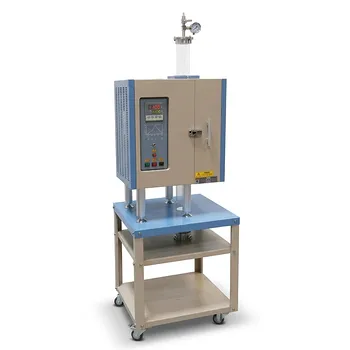
1100°C Split Vertical Tube Furnace with 80mm Quartz Tube and Stainless Steel Vacuum Flanges
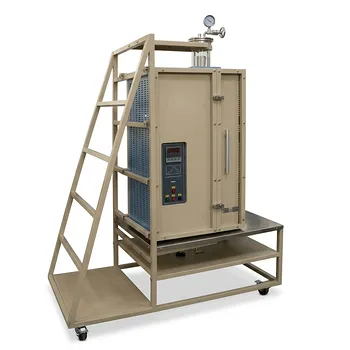
Split Vertical Tube Furnace with 1200C Quartz Tube and Stainless Steel Vacuum Flanges for Rapid Thermal Processing
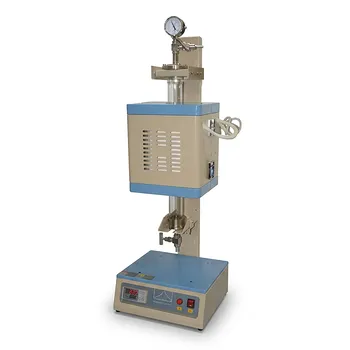
Compact Vertical Split Quartz Tube Furnace with Stainless Steel Vacuum Flanges for Rapid Thermal Quenching and Controlled Atmosphere Material Processing
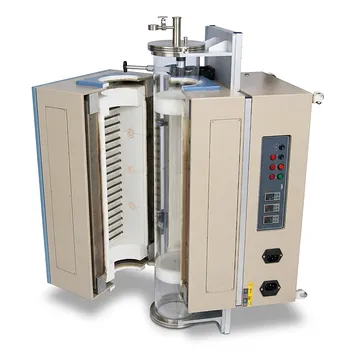
Large Vertical Three Zone Tube Furnace with 8 Inch or 11 Inch Quartz Tube and High Vacuum Flanges 1200C
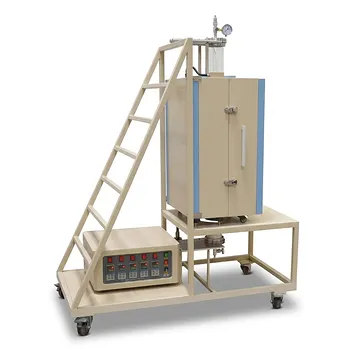
Five Zone Split Vertical Tube Furnace 1200C Max with 4 Inch Quartz Tube and Stainless Steel Vacuum Flanges
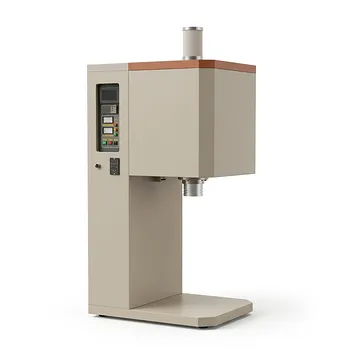
Vertical Openable Tube Furnace 0-1700c High Temperature Laboratory System for CVD and Vacuum Heat Treatment
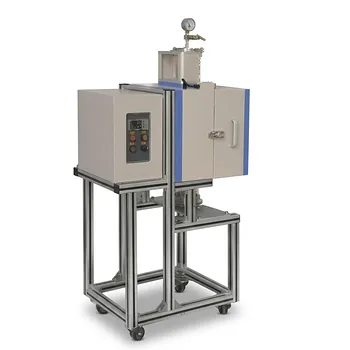
1200°C 5 Inch Vertical Quartz Tube Furnace with Stainless Steel Vacuum Flanges
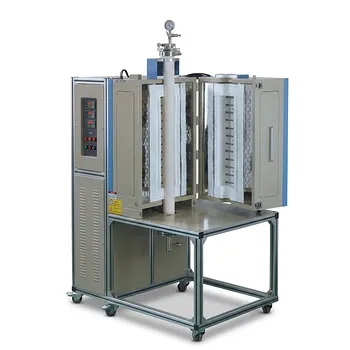
Three Zone Heating Split Vertical Tube Furnace 1700 High Temperature Vacuum Atmosphere Thermal Process System
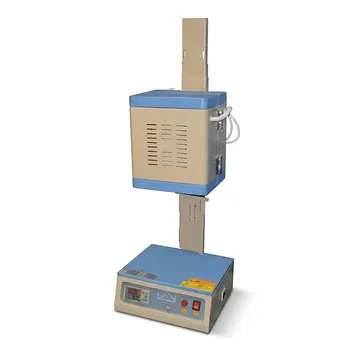
High Temperature Vertical Split Tube Furnace with PID Temperature Controller for 1 and 2 Inch Processing Tubes
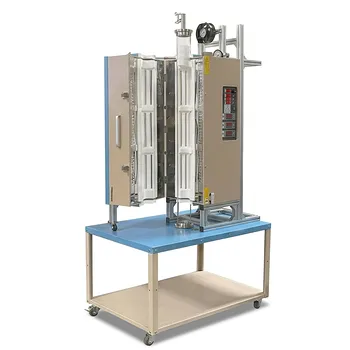
1200C Three Zone Split Vertical Tube Furnace 4 Inch Quartz Tube Stainless Steel Vacuum Flanges
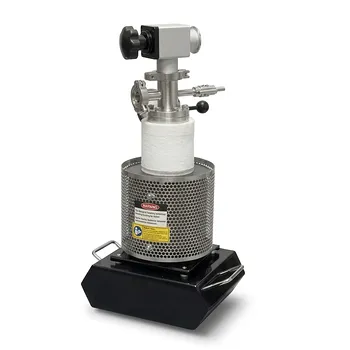
High Temperature 1100C Compact Top Loading Vertical Vacuum Tube Furnace for High Vacuum Noble Metal Melting and Material Research
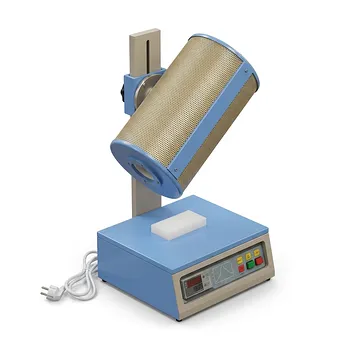
1100°C Vertical Laboratory Furnace for DIY Tubular Reactors with PID Temperature Controller
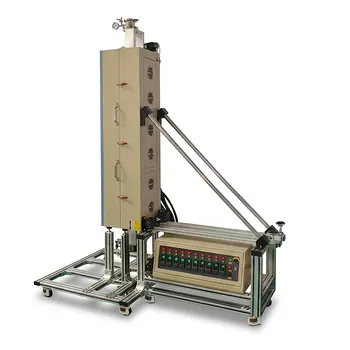
1200°C 10-Zone Split Tube Furnace with Horizontal and Vertical Mounting for Multi-Zone Thermal Gradients and Large Diameter Material Processing
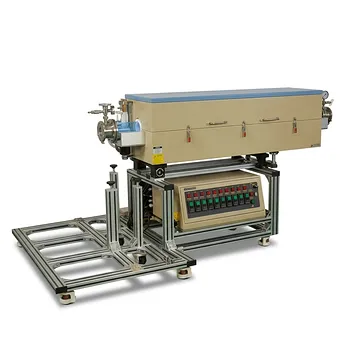
Ten Zone Multi Orientation Laboratory Tube Furnace for 1200C High Temperature Gradient Thermal Processing
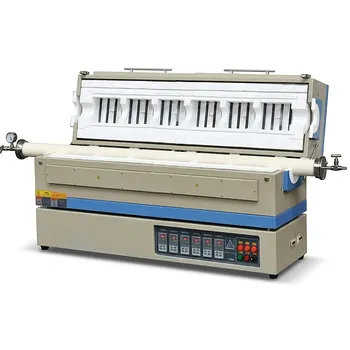
High Temperature 1700C Six Zone Split Tube Furnace with Alumina Tube and Water Cooled Flanges
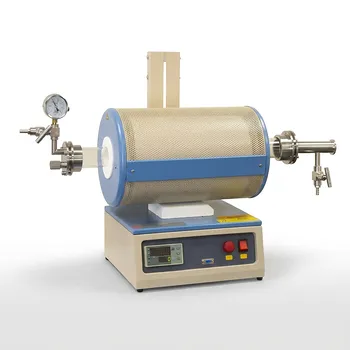
1100C Tube Furnace with Vacuum Flange and Programmable Temperature Controller for Material Science and Industrial Heat Treatment